



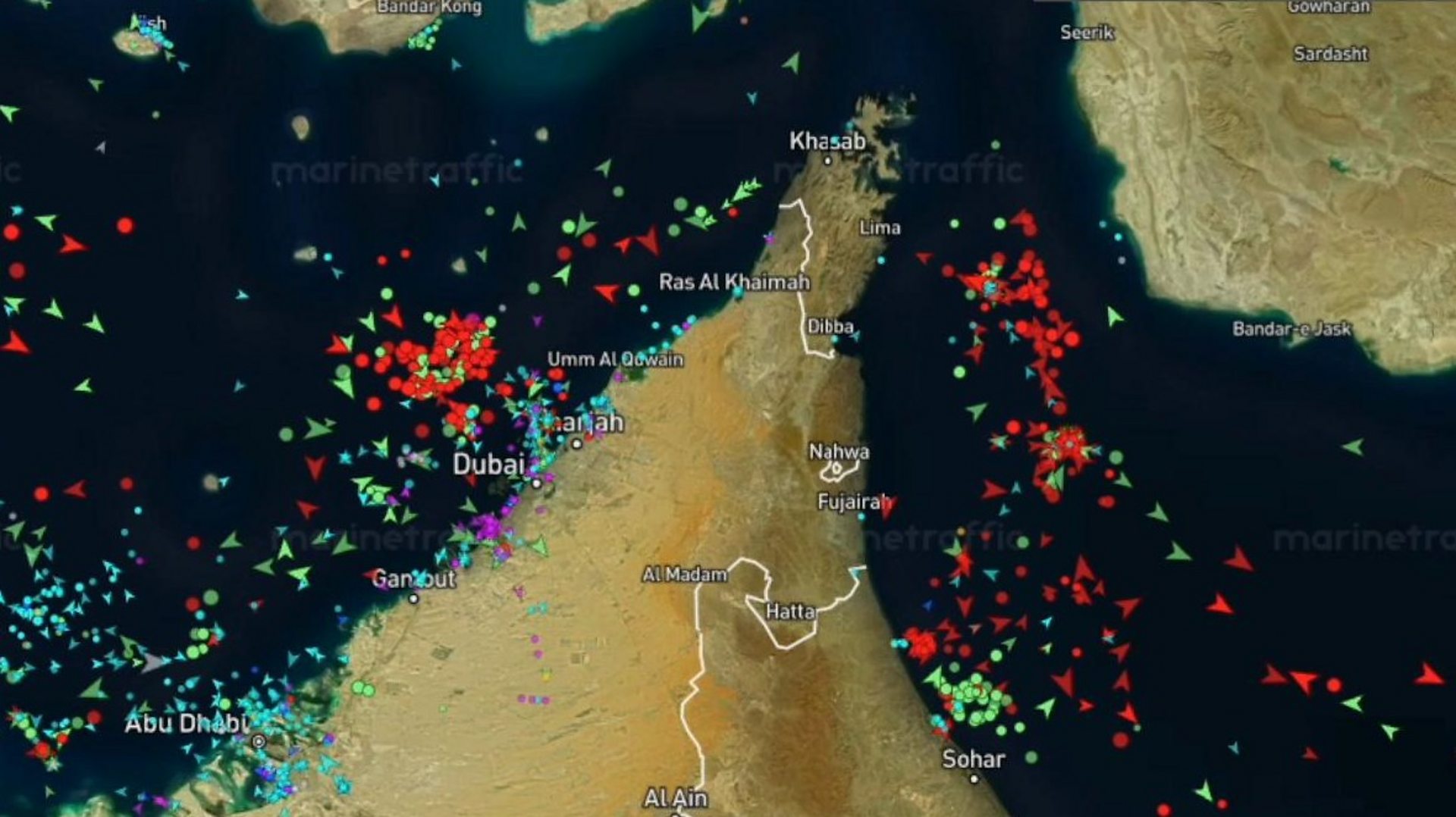
LONDON: A freight forwarder has added to the warnings of chemical executives that traffic through the Strait of Hormuz will take several months to return to normal, and that’s if the US and Iran can maintain their latest peace agreement.
The strait is a major conduit of the world’s fuel, feedstock and plastics, and delays in reopening it will maintain elevated prices.
Demand destruction has been having a bearish impact on chemicals pricing over the last month, but prices for many products still remain above pre-conflict levels despite the current downtrend
Up to 30% of the world’s seaborne oil and 20% of its LNG pass through the strait.
The strait accounted for 45% of Asia’s LPG imports and 64% of its naphtha imports in 2025.
The Middle East accounted for 41% of global exports of polyethylene (PE) in 2025, and 84% of its exports of plastics and chemicals move through the strait.
LOGISTICS TAKE TIME TO ADJUST
Once the strait reopens, it will take time for vessels to reposition themselves because of the distance involved in traveling to and from the Persian Gulf.
“You’re literally moving a container ship versus a speedboat,” said Lynn Stacy, Managing Director at OEC Group Liquid Logistics Solutions, a freight forwarder. He made his comments in an interview ICIS.
A tanker carrying crude from the Middle East can take four to six weeks to reach its destination, Stacy said. It then needs to offload the oil into storage. A refinery processes the oil and the resulting products need to go back in storage.
“Once it goes into storage, guess what? Logistics starts over again,” Stacy said.
RED SEA PORTS WERE VIABLE OPTION DURING WAR
During the war, OEC Group successfully redirected Persian Gulf shipments through the Red Sea, Stacy said. From there, they landed initially on the port of Jeddah in Saudi Arabia. When Jeddah became congested, shipments landed at King Abdullah Port.
Once on land, products were shipped by truck, Stacy said. This increased logistics costs, but customers involved in drilling and oil production were willing to pay the premium.
“The cost of shutting down for one day greatly outweighs the additional logistics costs and just trucking it across the desert,” he said.
STATE OF MIDEAST INFRASTRUCTURE
It is unclear how much damage Middle Eastern infrastructure sustained, Stacy said.
Damage to storage could create a bottleneck for refiners because they need a place to store their output. As storage runs out, refiners reduce operating rates. Run rates could remain depressed until storage capacity is sufficient to handle the output from refineries.
REOPENING TO STRETCH FOR MONTHS
Stacy said if the strait opened up tomorrow, then supply chains could return to normal some time in the first quarter of 2027.
Stacy’s expectations follow those of chemical executives, who also warned that supply chains will take months to return to normal.
“Our assumption has not changed yet. It’s pretty much what I hear in the entire industry – that this is going be a very long tail. It’s not something that’s going to take weeks, months, and quarters, but much longer than that until things balance out,” LyondellBasell CEO Peter Vanacker told ICIS.
Dow’s CFO Jeff Tate also expects a months’ long process because of the sequence of events that must take place before traffic returns to normal.
Stacy warned if fighting resumes, traffic would seize up. “The second another missile fires, no ocean carrier is going to put their vessel through there again and risk that,” he said.
Stacy’s clients have responded to the uncertainty by shipping as much as they can as fast as they can.
“Make as much money as you can because, just as we saw last year with tariffs and as we saw at the beginning of this year, it could stop in a blink of an eye,” he said.
Source: ICIS