


NEW DELHI : L&T Technology Services, Wipro, IBM India, Tata Consultancy Services and Infosys are reportedly competing for a contract to build India’s new Customs Integrated System, which will combine multiple existing platforms into a single digital interface for cross-border trade.
The central government is expected to invite bids for the project within around 15 days, with a request for proposal to be issued to the five companies shortlisted based on their expressions of interest.
The initiative follows Finance Minister Smt. Nirmala Sitharaman’s announcement in the 2026-27 Budget speech that the government would roll out the Customs Integrated System over the next two years as a single, integrated and scalable platform for all Customs processes.
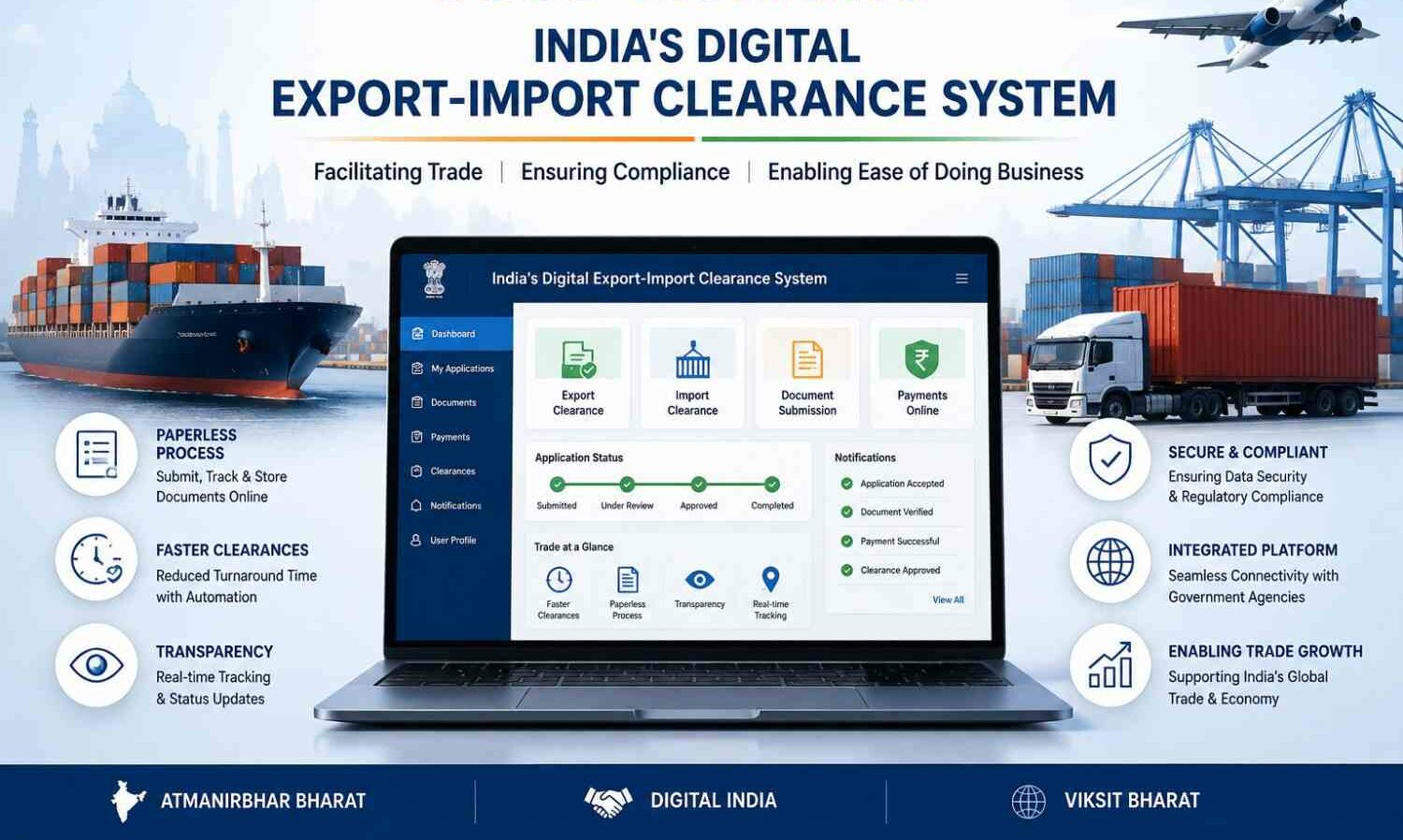
The proposed platform will integrate existing systems including the Indian Customs Electronic Gateway, the Risk Management System and the Indian Customs Electronic Data Interchange System, which currently operate on different software platforms and do not seamlessly communicate with one another.
The new system aims to make export-import clearances faster and more efficient while reducing the cost of trade.
At present, the fragmented systems lead to duplication of processes, manual intervention and delays in cargo clearance.
Vivek Johri, former chairman of the Central Board of Indirect Taxes and Customs, said the system would enable a seamless interface between Customs authorities and all ports and border management agencies.
Users will have a single interface with Customs regardless of whether the transaction involves import, export or transhipment, or whether the mode is cargo, courier or postal.
The evaluation of technical and financial bids as part of the procurement process may take three to four months before the successful bidder is finalised.
The fully unified system is expected to be rolled out by 1 April 2027, marking it as one of the most significant sovereign digital transformation projects in India’s indirect tax administration.
The government also plans to scale up the use of advanced non-intrusive imaging and artificial intelligence technologies to scan every container across all major ports, enhancing transparency, reducing transaction costs and strengthening India’s competitiveness in global trade.