



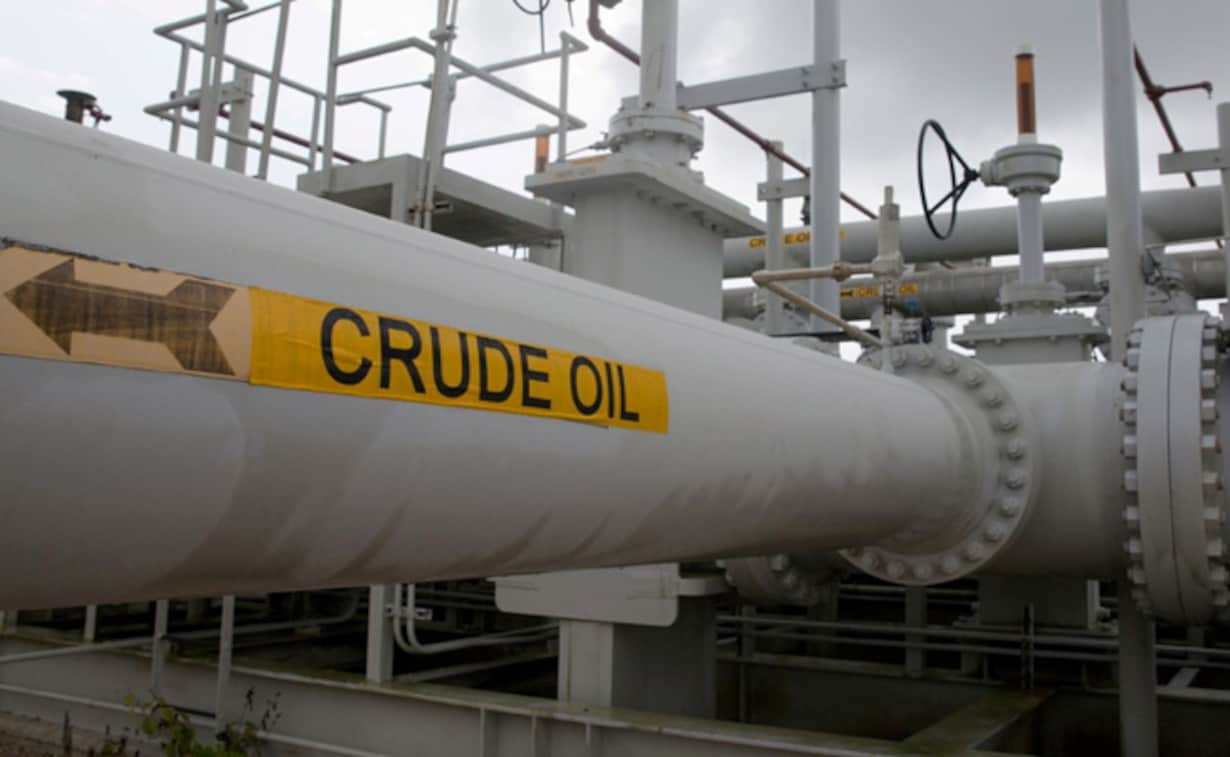
MUMBAI: India’s crude oil imports from Saudi Arabia fell from USD 2.8 billion in April 2026 to USD 0.9 billion in June, before recovering to USD 1.4 billion in July, as the West Asia conflict disrupted shipping routes, according to the Rubix Country Insights: Saudi Arabia Update – September 2026, released today by Rubix Data Sciences. Saudi Arabia was India’s third-largest crude supplier by value during April–July 2026, as per Rubix analysis, and crude oil and natural gas together made up 68% of India’s imports from the Kingdom in April–July FY2027, down from 74% a year earlier.
Saudi Arabia’s East-West pipeline, which carries crude to Yanbu on the Red Sea and bypasses the Strait of Hormuz, has provided some resilience to supply. Recent Houthi attacks on shipping in the Bab-el-Mandeb strait add risk to that route. India-bound cargoes from Yanbu now face a longer passage via the Cape of Good Hope, and freight rates for Saudi crude could rise by up to 50%, according to the reports cited in the analysis.
The trade relationship extends well beyond energy. India-Saudi goods trade was USD 41.1 billion between April 2025 and March 2026 (FY2026) and was broadly flat year-on-year at around USD 13.3 billion between April and July 2026 (first 4 months of FY2027). During April-June 2026 (Q2 CY2026), India became Saudi Arabia’s second-largest export destination, ahead of Japan, with a share of about 15%. Saudi Arabia has also committed USD 100 billion in investment in India across energy, petrochemicals, infrastructure, technology, manufacturing, healthcare, and pharmaceuticals.
The Rubix report also assesses the Kingdom’s own outlook. Saudi Arabia’s real GDP growth is projected to slow to 1.7% in 2026, from 4.6% in 2025, as the conflict weighs on oil output and trade. The IMF expects a recovery to 5.5% in 2027 if regional conditions and maritime trade normalise. Foreign investment has continued to flow in. Net FDI inflows rose about 53% to USD 32.6 billion in 2025, moving Saudi Arabia to 13th globally among FDI recipients from 17th in 2024, according to UNCTAD.
Investment reforms are moving in parallel. Since February 2026, the Saudi Stock Exchange (Tadawul) has been open to all categories of foreign investors. The National Privatization Strategy targets SAR 240 billion (about USD 64 billion) in private investment by 2030, through more than 220 PPP contracts. Mining investment is targeted to reach nearly SAR 92 billion during 2025–2030, from about SAR 45 billion in 2024.
Commenting on the findings, Tushar Bhaskar, President, Rubix Data Sciences, said, “India and Saudi Arabia are deepening their economic ties at the same time as the routes that connect them are under strain. The opportunities in infrastructure, manufacturing, logistics, and mining are real, and so is the exposure to freight costs and delivery timelines. Indian businesses trading with or investing in the Kingdom must undertake counterparty and supply-chain risk assessment as a part of the basic planning.”