


NEW DELHI : India stands to enhance its export competitiveness across nearly $5 billion worth of trade following the European Union’s agreement with the Mercosur bloc, even as New Delhi moves closer to sealing its own free trade agreement(FTA) with the EU.
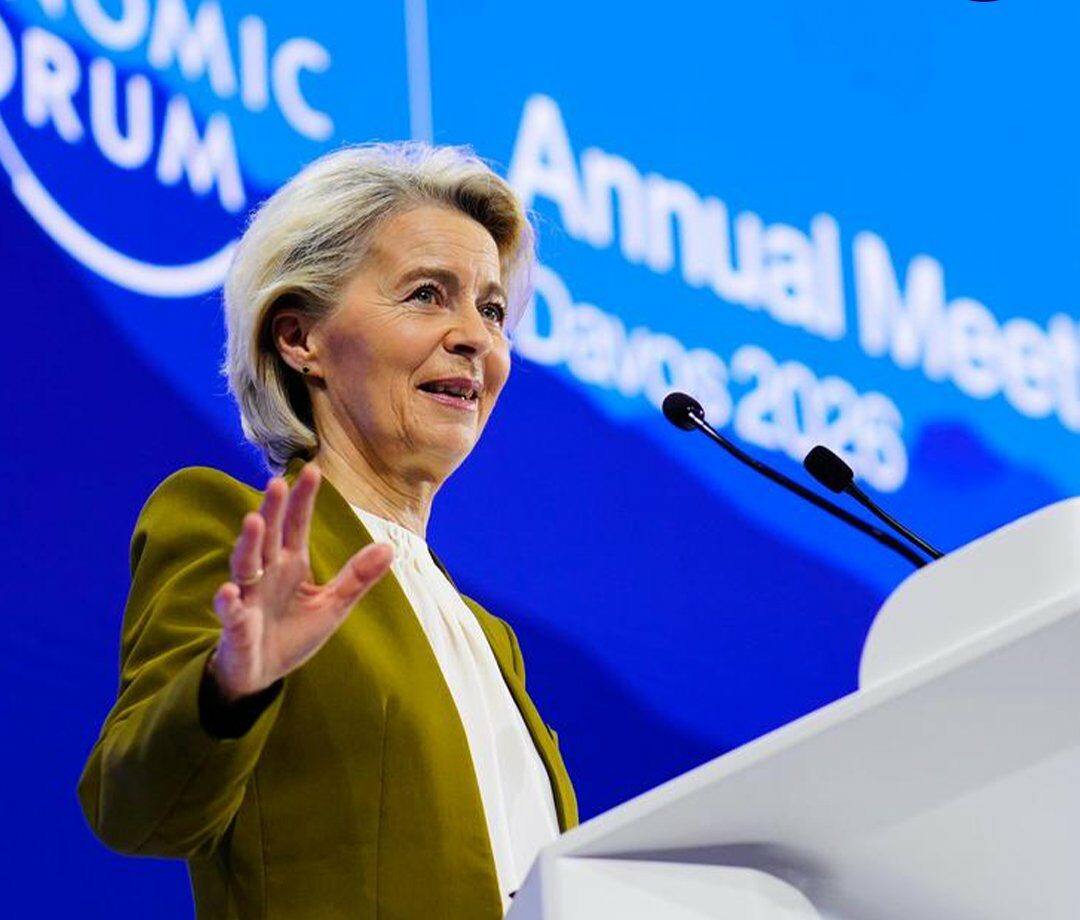
The development comes at a crucial juncture. India is engaged in advanced negotiations on a broad-based trade pact with the European Union—an engagement European Commission President Ursula von der Leyen has described as a strategic priority for the bloc. With the EU recalibrating its global trade relationships and seeking to diversify supply chains away from excessive reliance on a narrow group of partners, market dynamics within the region are undergoing a shift.
This realignment could work in India’s favour. In several product categories where Mercosur nations currently hold a dominant position, evolving tariff structures and sourcing strategies may create fresh opportunities for Indian exporters to gain ground and improve market access in the European market.
Much of the potential gain is concentrated in agriculture and processed food, sectors where India already brings depth, scale and a proven export base but has historically been constrained by Europe’s tariff regimes and regulatory thresholds. Among these, frozen shrimp emerges as a particularly strong contender. As trade equations shift, Indian exporters could tap into almost $525 million of European demand in this single category. Fresh grapes also feature prominently, with an estimated $131 million market that may become increasingly accessible as competitive barriers ease.
The opportunity, however, is not confined to food exports. Changes in sourcing dynamics could ripple into labour-intensive manufacturing, where India enjoys structural advantages. In industries such as apparel, leather products and light engineering, Mercosur suppliers often contend with higher freight costs and constraints on scalable production. Even a modest recalibration of EU sourcing strategies could tilt the balance in India’s favour—particularly if a forthcoming India-EU trade agreement delivers lower tariffs and smoother compliance pathways.
Chemicals and industrial intermediates represent another potential upside. As the European Union tightens environmental and sustainability norms, compliance costs for several South American exporters could rise, eroding their price competitiveness. This shift may work to India’s advantage, particularly for suppliers that have already aligned their operations with stringent global standards across diverse international markets. Over time, such regulatory asymmetries could help Indian exporters strengthen their foothold in select EU value chains.
Taken together, these developments point to an improvement in India’s competitiveness across nearly $5 billion of EU-bound trade, where supplier dynamics remain fluid. While the upside is far from automatic—and will hinge on the final contours and execution of India’s trade agreement with the European Union—the fallout from the EU–Mercosur deal offers a well-timed external tailwind for Indian exporters.