


AHMEDABAD: Logistics and supply chain companies have welcomed the Union Budget 2026–27, citing its emphasis on multimodal connectivity, greener logistics networks and technology-enabled trade facilitation as key enablers for improving India’s supply-chain competitiveness.
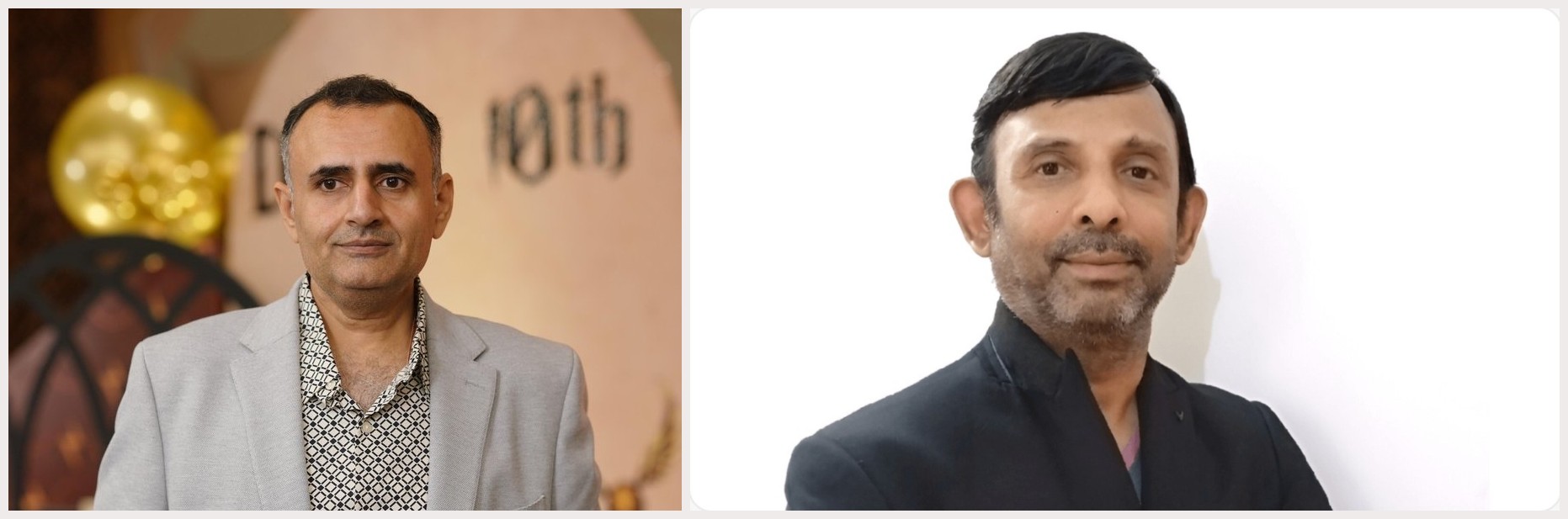
Commenting on the government’s push to strengthen East–West connectivity through dedicated freight corridors and inland waterways, Mr. Ajay Mokariya, Managing Director, Shree Maruti Integrated Logistics (SMILe), said enhanced regional connectivity would play a critical role in reducing supply-chain bottlenecks, emissions and delivery timelines across sectors.
“Enhanced connectivity across regions—particularly stronger East-West linkage—can significantly reduce supply-chain bottlenecks and enable faster delivery cycles for manufacturing, agriculture and export-oriented sectors. The expansion of dedicated freight corridors and inland waterways supports India’s transition towards greener logistics by shifting cargo away from an over-reliance on trucking, thereby lowering emissions and fuel consumption,” Mr. Mokariya said.
He highlighted that inland waterways, being more energy-efficient and cost-competitive for bulk cargo, are especially suited for commodities such as minerals, cement and agricultural produce. According to him, connecting mineral-rich and industrial regions such as Talcher and Angul with ports like Paradip and Dhamra can improve access to global markets, while integrated multimodal logistics chains would strengthen last-mile connectivity and overall supply-chain resilience.
Sharing his perspective on customs reforms and MSME-focused measures, Mr. Ganesh Iyer, Chief Executive Officer, Coldverse, said the Budget lays the groundwork for faster, technology-enabled and globally competitive supply chains by easing cargo movement and reducing compliance friction.
“The Union Budget sends a strong and timely signal for India’s supply chain and logistics ecosystem. Measures such as recognising trusted importers within the risk management system and enabling factory-to-port clearance through electronic sealing will significantly reduce dwell time, compliance friction, and uncertainty across cargo movement,” Mr. Iyer said.
He also welcomed the proposed safe harbour for bonded warehousing at a competitive tax incidence of around 0.7 percent, calling it a decisive step to support just-in-time logistics, particularly for electronics and advanced manufacturing sectors.
Highlighting the continued policy focus on MSMEs, Iyer noted that small and medium enterprises remain central to India’s manufacturing ambitions and export competitiveness.
“Together, these reforms will enhance supply chain efficiency, improve export competitiveness, and support India’s goal of raising manufacturing’s share of GDP toward 25 percent through faster, more resilient, and technology-led logistics networks,” he added.