



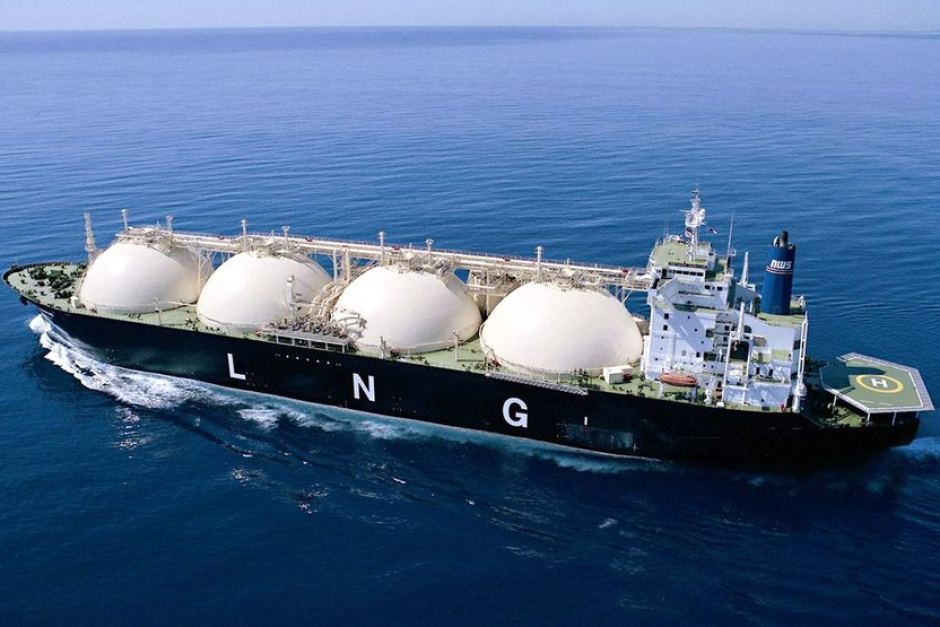
OSLO: The resumption of Qatari LNG exports through the Strait of Hormuz could take “significantly longer than expected” if naval mines are deployed in the waterway, with ships likely requiring minesweeper escorts before normal transit can resume, experts told specialist energy news service Montel News on Wednesday.
The presence of naval mines could significantly complicate efforts to restore shipping through the strait, even if LNG production facilities return to operation quickly, leaving global supplies depressed for longer and keeping prices elevated.
Speaking to Montel News, Wael Abdel Moati, Global Gas Expert and Chief Gas Officer at the Organization of Arab Petroleum Exporting Countries said: “Even if LNG production and exports were to resume quickly, the presence of naval mines in the Strait of Hormuz would make the reopening of the waterway far more complex and gradual.”
As a result, the restoration of LNG supply to pre-conflict levels would be “challenging” and could take “significantly longer than expected”, he added, noting that shipping lanes would need to be secured, with both insurers and shipowners regaining confidence in the safety of transit.
The warning comes after US Central Command said in a statement on X that it had “eliminated” 16 minelayers near the Strait of Hormuz, following unconfirmed media reports that Iran had begun laying sea mines in the area. Iran is estimated to possess a stockpile of at least 6,000 naval mines.
Military operations likely prerequisite
Security experts say clearing the strait would likely require extensive military operations before shipping can resume safely.
Speaking to Montel News, Derek Steel, Managing Director of security consultancy Chartsec said: “The US Navy would first need to complete its targeted strikes and destroy Iranian shore-based naval facilities, as well as collectively eliminate their short- to medium-range missile capabilities.”
Steel, who previously served in the UK SAS special forces and has worked extensively in high-risk environments in the oil and gas sector, added: “The Iranian strategy would be to conduct nocturnal covert operations to enhance the likelihood of success… in their attempts to deploy their vessel mine warfare capabilities.”
But even once the conflict has abated, and mines cleared, a naval escort would be required for vessels passing through the strait.