


MUMBAI: Escalating tensions in the Middle East could impact India’s energy and infrastructure sectors through rising logistics costs and supply chain disruptions, even if crude oil supplies remain stable, according to Sarjak Container Lines.
The ongoing escalation, including reported attacks on energy infrastructure and emergency measures such as the U.S. waiver of the Jones Act to stabilise domestic shipping, is beginning to create ripple effects across global energy and logistics networks.
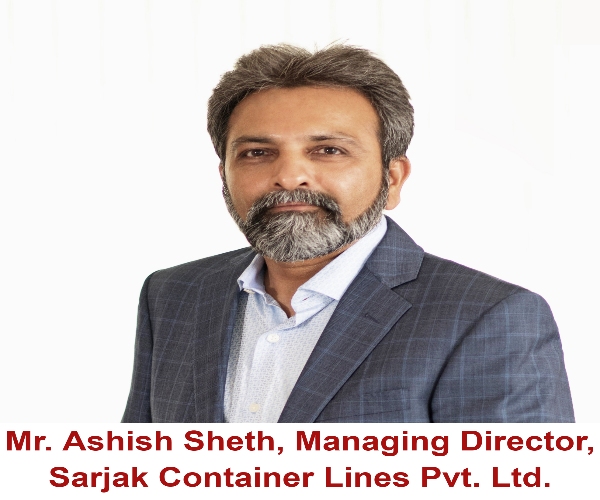
Ashish Sheth, Chairman and Managing Director of Sarjak Container Lines, said the situation should not be viewed only as an oil price risk, but as a broader logistics challenge for India.
“The risk for India is not just about whether oil is available, but whether it can be transported reliably and at predictable costs,” Sheth said.
“India imports about 85 percent of its crude oil requirements, with a significant share routed through the Strait of Hormuz, a key global shipping corridor.
While there has been no large-scale disruption to flows so far, rising war-risk insurance premiums and freight volatility are beginning to impact shipping economics”, he added.
According to Sheth, this could increase the landed cost of crude and put pressure on refining and fuel pricing margins.
He said the impact could be more pronounced on India’s infrastructure and energy projects, which depend heavily on global supply chains for equipment and machinery.
“Project cargo, including critical equipment for refineries, power plants and renewable energy projects, is highly sensitive to delays. Even minor disruptions in shipping routes or schedules can lead to cascading delays and cost overruns,” he said.
Sheth also flagged potential pressure on LNG supplies, as geopolitical tensions tighten global markets and increase competition for cargo.
“We have seen this pattern before, during COVID and the Red Sea crisis, where supply does not immediately stop, but movement becomes slower, more expensive and less predictable,” he said.
“The situation could lead to longer transit routes, higher freight costs and delays in cargo movement, potentially affecting project timelines across sectors”, he added.
He advised Indian companies to focus on supply chain resilience by diversifying sourcing, planning logistics capacity in advance and building flexibility into execution strategies.
“As global uncertainties rise, logistics will play a central role in determining how effectively India can sustain its infrastructure growth momentum,” Sheth said.