



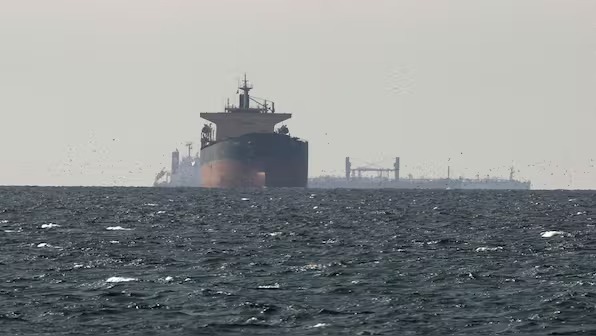
NEW DELHI : Iran is putting together an approval process for allowing safe passage of ships through the Strait of Hormuz, according to Lloyds List Intelligence (LLI), a maritime data and intelligence company.India, which has been in direct talks with Tehran, has earmarked 22 India-bound vessels for evacuation including 20 ships assessed as critical to India’s energy security.
India, which has been in direct talks with Iran for the safe passage of its ships, has earmarked 22 vessels for evacuation. Earlier, two Indian vessels — Shivalik and Nanda Devi — arrived in India after crossing the war-hit strait.
“Automatic Identification System data, while sparse, suggests India’s LPG carrier took an unusual route around Iran’s Larak Island and through Iranian territorial waters so IRGC Navy and port authority could assess visual confirmation of the identity of the vessel,” Richard Meade, the editor-in-chief of Lloyd’s List Intelligence, told The Hindu.
According to LLI, nine ships have passed through Iran’s supposedly safe corridor and at least one tanker was allowed to exit in exchange for payment of USD 2 million to Tehran.
Sources in India have said Indian ships stranded in the Strait of Hormuz for more than two weeks have been asked to “stay put” for now, given the escalating conflict in West Asia, The Hindu reports.
The process for Indian ships and others has been halted after the Israeli forces conducted strikes on Iran’s largest gas field at South Pars, they said.
Last week on March 12, after Prime Minister Shri Narendra Modi spoke to Iran’s President Masoud Pezeshkian, officials said discussions began on on 24 ships, then stranded to the west of Hormuz.
Iran said they would allow two Indian ships along with those of a few other countries to pass the strait.
Strait Of Hormuz Operational But…
Iran’s Foreign Minister Abbas Araghchi had said earlier that the Strait of Hormuz remains operational but Tehran would not allow the passage of vessels linked to the United States and Israel.
The Strait of Hormuz, which accounts for nearly one-fifth of the world’s global and oil trade, came to a near-standstill following the West Asia war.