



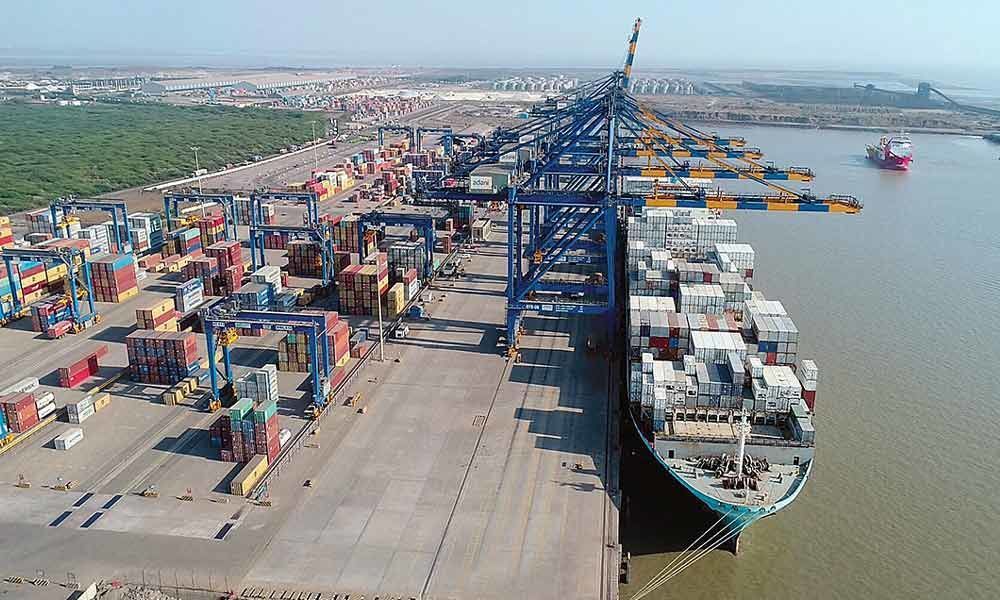
NEW DELHI : In a significant move to enhance the efficiency and global competitiveness of India’s maritime sector, the Ministry of Ports, Shipping and Waterways has announced a comprehensive package of 20 major reforms aimed at reducing logistics costs, improving port performance, and boosting the country’s presence in global trade.
The reforms form part of the government’s broader vision to modernize maritime infrastructure and align it with international best practices. With logistics costs in India currently higher than global benchmarks, the initiative seeks to streamline processes, enhance multimodal connectivity, and promote ease of doing business across the shipping and port ecosystem.
Key measures include the simplification of regulatory frameworks, increased digitization of port operations, and the introduction of advanced cargo handling systems to reduce turnaround times. The reforms also focus on strengthening port-led industrialization through improved connectivity with inland transport networks, including rail, road, and inland waterways.
A major thrust has been placed on promoting private sector participation and attracting investment into port infrastructure and maritime services. Policy changes are expected to facilitate faster clearances, encourage innovation, and create a more business-friendly environment for domestic and international stakeholders.
The initiative also emphasizes sustainability, with provisions to accelerate the adoption of green technologies, alternative fuels, and environmentally responsible practices across ports and shipping operations. This aligns with India’s commitment to reducing carbon emissions and transitioning towards a cleaner maritime future.
Additionally, the reforms aim to enhance India’s transshipment capabilities, reduce dependency on foreign ports, and position the country as a key hub in global shipping routes. Skill development and capacity building within the maritime workforce are also integral components, ensuring readiness for evolving industry demands.
Officials noted that the implementation of these reforms is expected to significantly improve operational efficiency, reduce cargo dwell time, and lower overall logistics costs—thereby strengthening India’s export competitiveness and supporting economic growth.
This ambitious reform agenda underscores India’s intent to emerge as a leading maritime nation, leveraging its strategic geographic location and expanding infrastructure to play a greater role in global trade.