



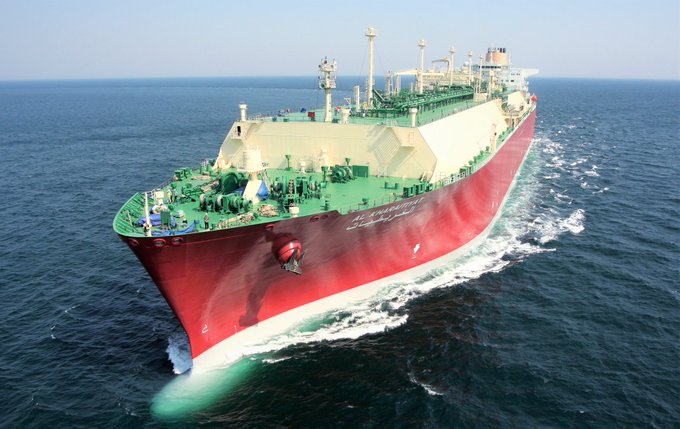
A liquefied natural gas (LNG) tanker from Qatar has successfully transited the Strait of Hormuz, marking the first time the nation has exported the fuel from the region since the outbreak of the Iran war.
According to ship-tracking data compiled by Bloomberg, the vessel Al Kharaitiyat exited the waterway and is currently in the Gulf of Oman. The tanker, which was loaded at the Ras Laffan export plant earlier this month, has listed Pakistan as its next destination.
The journey of the Al Kharaitiyat offers the first tentative signs that energy flows could resume from the Persian Gulf, which has been largely paralyzed since late February. Data indicates the ship utilized a northern route hugging the Iranian coast, a path currently approved by Tehran.
Before the conflict, the region typically saw roughly three LNG shipments per day. While this single transit is a notable development, it remains a fraction of prewar export levels.
The successful passage follows several previous attempts by Qatar to move shipments through the strait, all of which ended with tankers turning back due to security concerns.
The effective blockade of the Strait of Hormuz by both U.S. and Iranian forces has significantly choked global LNG supplies, driving prices higher and causing widespread energy shortages across Asia.
Qatar is a critical player in this global market, having produced nearly one-fifth of the world’s LNG supply last year. While at least two tankers from the Abu Dhabi National Oil Co. have reportedly traversed the strait recently, Qatar’s inability to move product has been a primary driver of recent market tightness.
Nakilat, the shipping arm of Qatar, is the listed owner of the Al Kharaitiyat. Neither Nakilat nor QatarEnergy responded to requests for comment regarding the vessel’s movement.
As the industry watches for further transits, the focus remains on whether the latest transit signifies a reliable reopening of the waterway or remains an isolated event.
For now, the successful exit of the vessel provides a rare moment of relief for energy-hungry markets in Asia that have been grappling with the fallout of the maritime standoff.