
Strait of Hormuz closure causes Diet Coke shortage in India as food brands brace for wider impacts
NEW DELHI : With the war between the US and Iran in its third month, major food and beverage companies are feeling the brunt of the ongoing closure in the Strait of Hormuz, and some are experiencing shortages or warning about them.
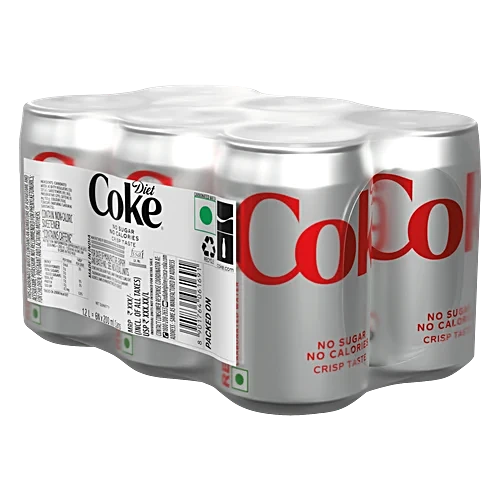
In India, a supply squeeze for aluminum due to the Middle East conflict is causing shortages of Diet Coke, Reuters reported. The scarcity, which Coca-Cola (KO) declined to comment on, has led some consumers and businesses to throw “Diet Coke parties,” where crowds pay an entry fee to access the beloved beverage.
Diet Coke is sold only in cans in India, unlike other markets, making it more susceptible to the aluminum supply shock than drinks sold in plastic and glass bottles. According to the International Aluminum Institute, the Middle East accounts for roughly 9% of global aluminum supply, which has been choked off as traffic through the strait remains largely stopped.
Aluminum (ALI=F) prices have surged to four-year highs since the war in the Middle East broke out.
But the metal is just one of many components of packaged goods that travel through the Strait of Hormuz. Before the war began on Feb. 28, two-thirds of the world’s oil supply and about 30% of the world’s fertilizer supply, among other petrochemical-linked goods like plastics, synthetic apparel fibers, and household supplies, flowed through the Gulf region.
Due to a shortage of naphtha, a petrochemical used in paints and inks, Japanese snack company Calbee said it will begin temporarily selling black-and-white versions of its colorful packaging starting on May 25, using just two ink colors.
On a typical day before the war, 1.2 million barrels of naphtha passed through the Strait. Beer makers, especially in India, have also been feeling the strain. Jorn Kersten, the CFO of Heineken’s India subsidiary United Breweries (UBL.BO), said on an earnings call that the brewer was investing in glass bottles. Kersten warned that the company is seeing “tightness” for packaging materials supplies, which have been “highly impacted by the energy prices driven by what’s happening in the Middle East.”
Kernsten also warned of higher aluminum prices, which he doesn’t think will come down anytime soon. That’s on top of existing concerns about a potential carbon dioxide shortage in the UK this summer, due to disrupted CO2 imports and high energy costs, that could affect beer availability during the World Cup.
While actual shortages and product changes have been limited so far, the ripple effects of the Strait of Hormuz closure are being felt in other items, such as bananas and sugar. Fresh Del Monte Produce CFO Monica Vicente noted on a call with investors that bananas were already facing supply pressure at the beginning of the year. Now, “trade dislocations following Middle East-related disruptions” are creating “incremental volume pressure in both North America and Europe.”
And some not-so-sweet news: Approximately 10% of the world’s raw sugar passes through the Strait of Hormuz each year, according to S&P Global. While refineries still have the commodity in stock, one trader warned that tighter sugar supplies could get worse if the strait doesn’t reopen.
Higher commodity prices and higher transportation costs will have far-reaching effects later in the year, Fed Watch Advisors chief investment officer Ben Emons told Yahoo Finance. This fall, higher fertilizer costs will directly affect the price of corn (ZC=F), which is processed into various breads and other products.
“The seeding season has already started, and there was just not enough fertilizer coming out of the strait anymore, so we’re going to get shortages,” Emons said. “That’s the big issue.”
Source : Yahoo Finance