



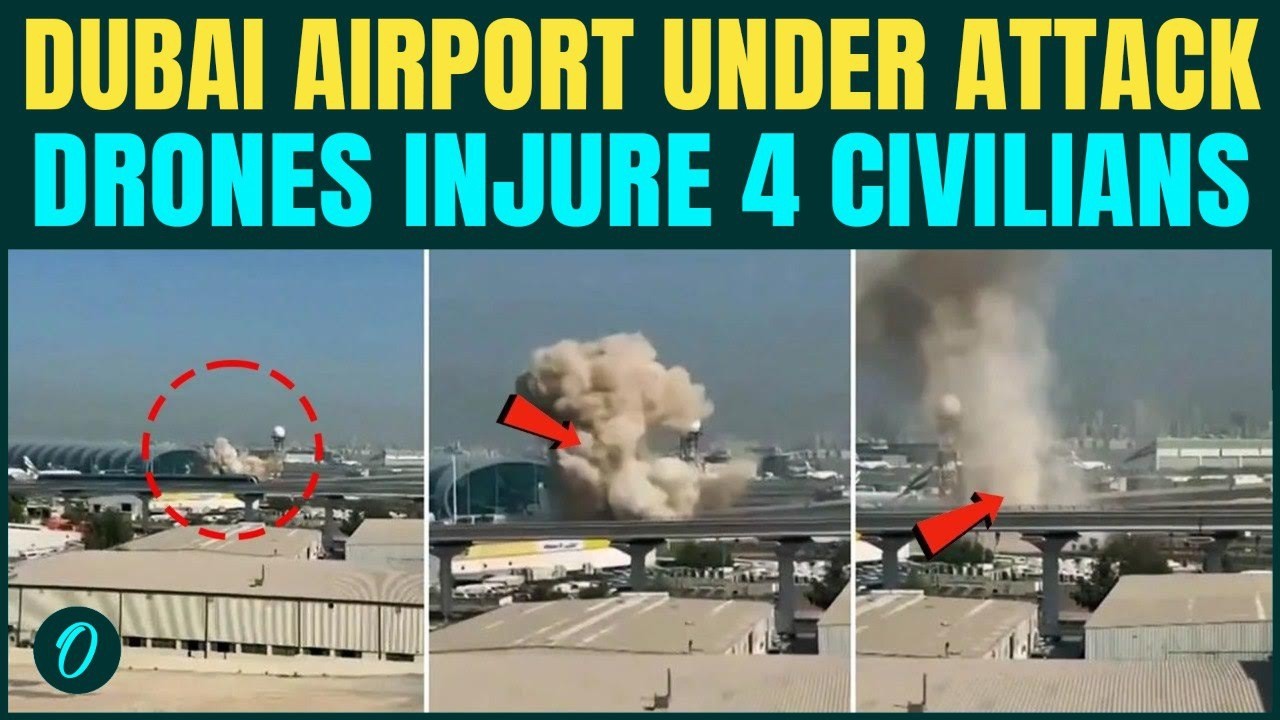
DUBAI : West Asia tensions are escalating sharply. Iran has targeted commercial shipping in the Persian Gulf and attempted strikes on aviation infrastructure in the UAE. Abu Dhabi authorities say a fire broke out near the old Abu Dhabi airport after air defence systems intercepted an incoming threat; it was quickly brought under control. Earlier on March 11th, a drone attack on Dubai International Airport injured 4, including an Indian citizen.
Iran’s Revolutionary Guard Corps says its navy fired on and seized two vessels in the Strait of Hormuz, claiming the ships ignored warnings, raising fresh alarm over one of the world’s most critical energy corridors.
The IRGC has also threatened to strike on US and Israeli-linked economic centres and banks in the region, in retaliation for an alleged attack on an Iranian bank.
Energy markets are reacting sharply to the expanding conflict. The International Energy Agency has agreed to release a record 400 million barrels of emergency crude reserves to stabilise global supplies following disruptions linked to the West Asian war.
Oil prices have eased from earlier peaks but remain significantly elevated. Brent crude, the international benchmark, is still trading about twenty percent higher than levels seen at the start of the conflict.
The tensions have also begun affecting financial operations in the region. Several international banks have shifted staff to remote work or offered temporary relocation from Dubai following threats directed at Western financial institutions. Standard Chartered said its operations in Dubai and across West Asia are continuing under work-from-home arrangements, clarifying earlier reports suggesting a full evacuation of offices in the emirate.