



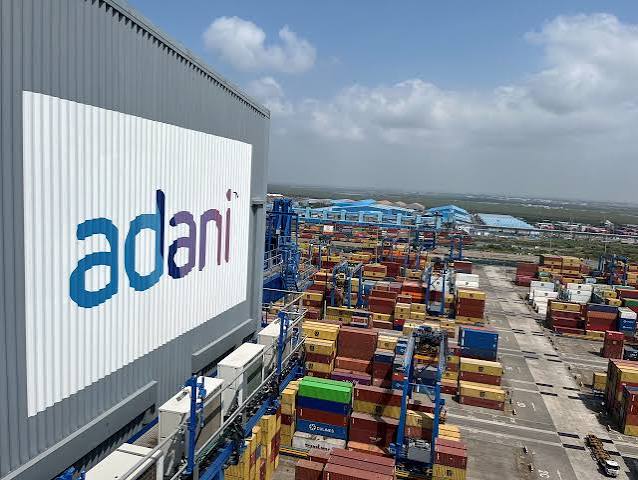
MUMBAI: The disruption around empty-container movements at Mundra has now spread from empty-container depot operators to transporters and shipping lines, with implications for exporters and importers using the port.
The issue follows APSEZ’s decision to freeze empty-yard codes outside the port limits from September 1. Shipping lines are now required to nominate empty containers to designated facilities within the Mundra Port/SEZ area. APSEZ has said the change is intended to address misuse of empty-depot codes, improve security, reduce road congestion and improve vehicle turnaround.
The reasons for reviewing the existing arrangement are understandable. The immediate concern is whether the change has been introduced with enough capacity and preparation to keep container movements running.

“There are valid reasons to review how empty containers are handled at Mundra. The problem is the way the change has been introduced. When an established process is used every day by exporters, shipping lines, transporters and depots, the replacement arrangements need to be ready before the existing ones are withdrawn.” shared Mr. Supal Shah, CEO, Sarjak Container Lines.
Empty containers are a basic part of the export process. A shipping line releases the equipment, a transporter collects it and takes it to the exporter’s factory, the container is stuffed and then moved to the terminal before the vessel cut-off. Import containers follow a similar cycle when the empty equipment has to be returned.
A disruption at the empty-container stage can therefore delay a shipment even when the terminal itself is operating.
That is what makes the current situation significant. The Mundra Customs Brokers’ Association has estimated that around 5,000 containers a day are being held up. The Kandla Mundra Container Transport Welfare Association has said around 1,500 container transporters have stopped movements. CMA CGM and Hapag-Lloyd have issued customer advisories on restrictions affecting empty-container releases and returns at Mundra. CMA CGM has also said CFS stuffing and gate-in operations remain available. These figures and reports come from the respective industry associations and shipping lines.
“An exporter does not care where an empty container is stored. The exporter needs the box at the factory when it is required, and the laden container needs to reach the terminal before the vessel is cut-off. If that does not happen, the shipment is affected.” shared Shah.
The disruption also raises a practical question about the capacity of the new arrangements.
The designated facilities within the Mundra Port/SEZ area will need to handle containers that were previously spread across several independent depots. That involves more than storage. Empty containers may need to be received, inspected, repaired, washed and released. Trucks also need to be available to move the equipment, and shipping lines need their systems and instructions to work with the new locations.
There is not enough public information at present to establish whether the new facilities have sufficient capacity for all of these activities at the volumes previously handled across the external depots. That is an important question for the industry as the new arrangement takes effect.
The independent depots around Mundra have also invested over many years in land, handling equipment, repair facilities, workshops and people. Shipping lines, transporters and other businesses have built their operations around these facilities.
“If a larger share of empty containers is going to be handled through fewer locations, those locations need to be able to deal with the additional volume on a normal day and during periods of disruption. Capacity needs to be established before the change is fully implemented.”
The timing of the change is another concern.
The depot operators suspended operations from August 28, ahead of the September 1 implementation. That left the industry dealing with a dispute and a change in operating arrangements at the same time.
For companies that have trucks, equipment, employees and customer commitments tied to the existing system, a short notice period makes it difficult to reorganise operations. Shipping lines and exporters also need time to change instructions and make alternative arrangements.
“A change of this scale needs a workable transition period. Companies need time to adjust their truck deployment, depot arrangements and customer instructions. If the old process stops before the new one is ready to handle the same work, the disruption will be felt by the cargo owner.”
The cost of that disruption is another concern.
Industry bodies have raised the possibility of missed vessel cut-offs, shipment rollovers, detention and additional transportation and handling costs. FFFAI has sought intervention from the Directorate General of Shipping on the issue, citing these operational and financial consequences.
The cost question should be part of any assessment of the new arrangement.
“The industry should measure the change by the total cost of moving the container. If fewer empty movements inside the port are achieved but customers then face more waiting, additional trucking, repositioning or handling, those costs have to be included when the overall benefit is assessed.”
APSEZ has referred to Jebel Ali in Dubai when discussing the new approach at Mundra. International examples can be useful, but the operating conditions in each market matter.
Dubai itself has continued to develop inland empty-container capacity. DP World recently announced a 100,000 sq m inland depot at Al Awir, outside Jebel Ali, which will provide empty-container storage and release services, including inspection and inventory management.
The example is relevant because it shows that port operations and inland empty-container facilities can work together. The important question is how those facilities are connected and how easily shipping lines and cargo owners can access equipment when they need it.
“The Dubai example is useful, but the lesson is broader than simply moving empty containers into a port. The industry needs enough capacity and enough choice in the locations from which equipment can be released and returned to keep cargo moving when operating conditions change.”
Mundra is one of India’s largest container gateways. APSEZ reported that the port handled about 8.5 million TEUs in FY2025-26. At this scale, changes to empty-container operations can affect a large number of exporters, importers, transporters and shipping lines.
The immediate priority should be to restore normal empty-container movements. An interim arrangement could allow exporters and importers to continue moving cargo while the longer-term arrangements are worked through.
“The immediate priority should be to get containers moving again. Exporters should not have to absorb additional costs or miss vessel cut-offs while the industry works through a change in depot arrangements.”
The longer-term discussion should focus on how Mundra can improve empty-container management while maintaining sufficient capacity and flexibility for customers.
For India, the issue is particularly relevant as export volumes grow and manufacturers become more dependent on reliable shipping connections.
“Indian exporters need predictable access to equipment. They need to know where an empty container can be collected, when it will be available and how it will reach the factory. Those basic questions need clear answers whenever a major change is made to port operations.”