NEW DELHI : GJEPC successfully hosted its 3rd SEZ Trade Meet for FY2024-25 on 30th November, focusing on critical industry updates and strategies. The virtual event brought together key stakeholders to discuss pressing issues
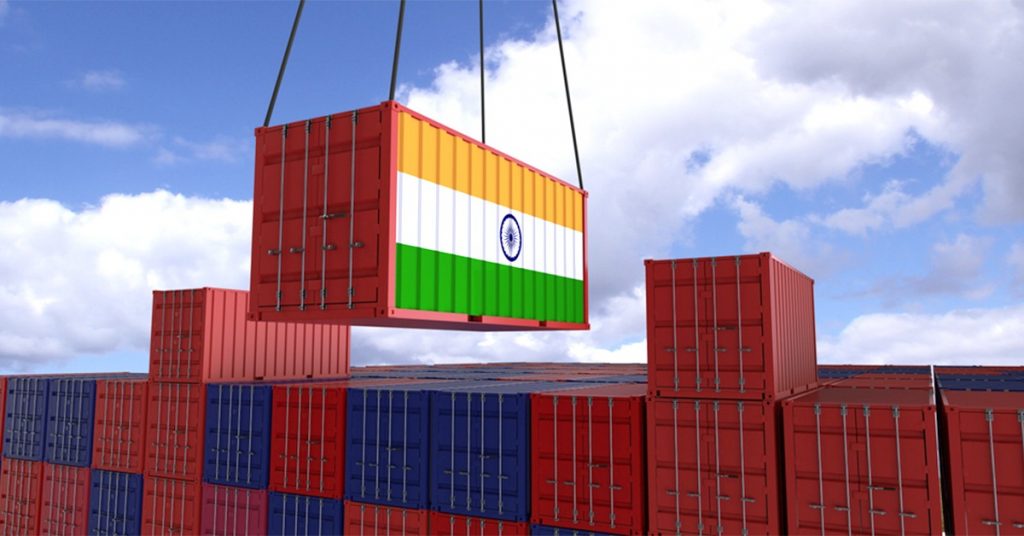
NEW DELHI : India’s journey toward becoming a global economic powerhouse is marked by remarkable achievements in its export landscape. The nation has demonstrated significant progress in diverse sectors, ranging from petroleum oils and
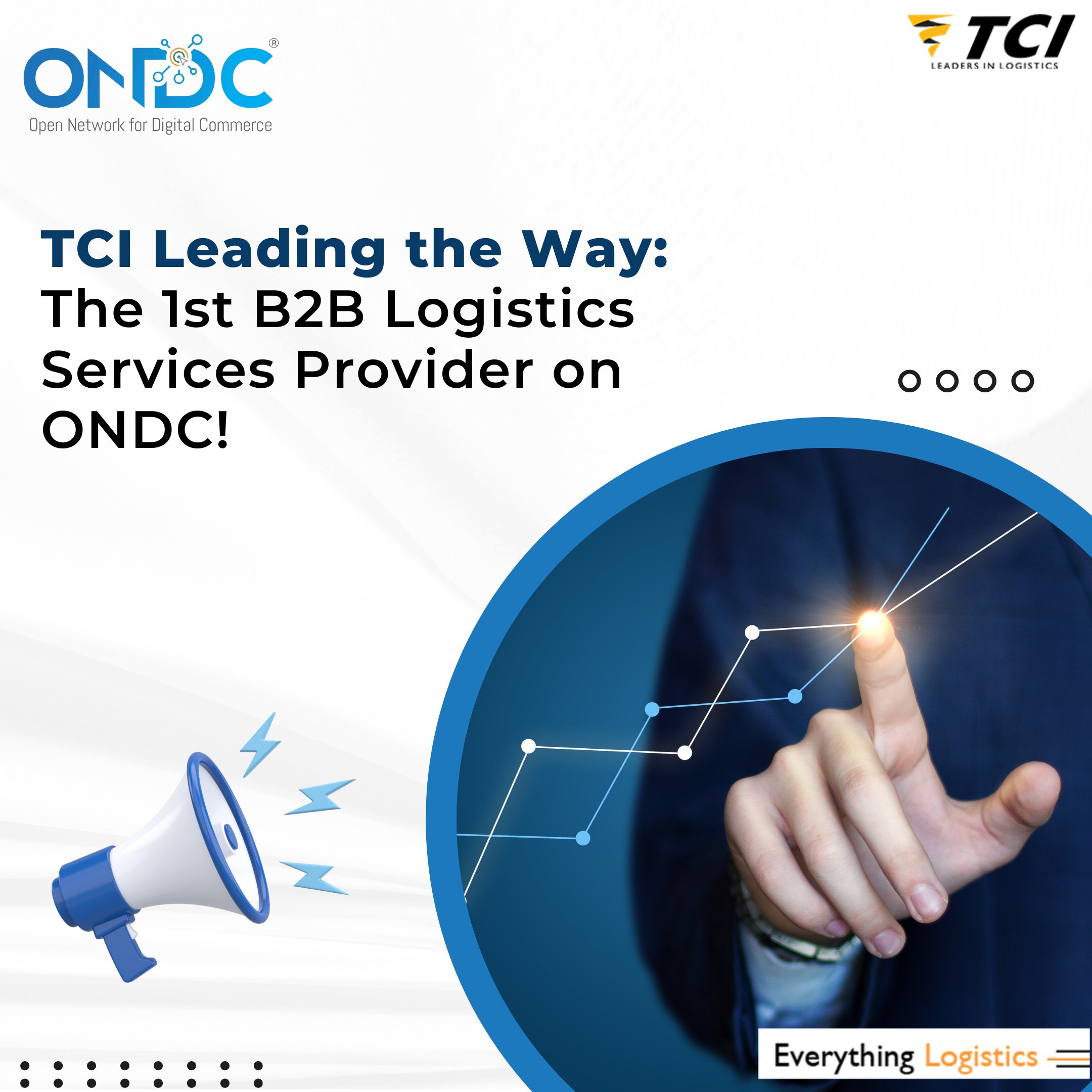
GURUGRAM : Transport Corporation of India Ltd. (TCI), a leading integrated multimodal logistics and supply chain solutions provider, announced its integration with the Open Network for Digital Commerce (ONDC). It is the first B2B
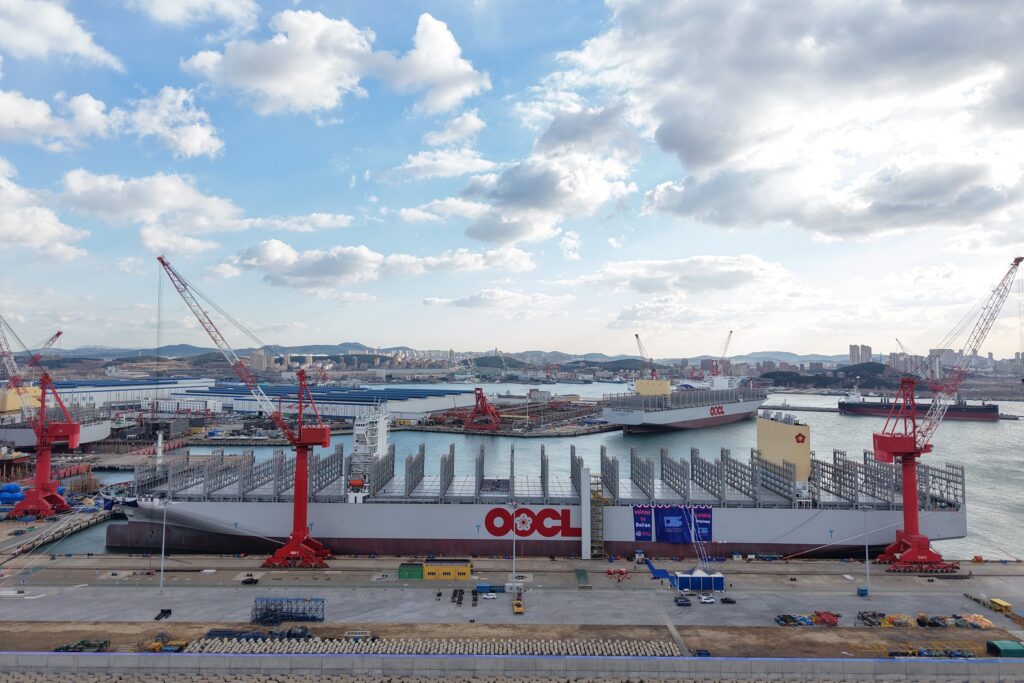
HONG KONG : Orient Overseas Container Line (OOCL) has named its first environmentally-friendly 16,828 TEU containership at China’s Dalian COSCO KHI Ship Engineering (DACKS). The vessel OOCL Bauhinia, which was named on December 3 is
LONDON : A new study by UCL and UMAS, which analysed ship movements between 2018-2022, found that optimising port arrivals to take into account port congestion or waiting times could reduce voyage emissions by
Future International Trade (FIT) Alliance promotes adoption of the electronic Bill of Lading (eBL) to facilitate the digital transformation of the global supply chain – highlighting stakeholder collaboration as key to widespread adoption. Importance of the eBL The eBL is central to
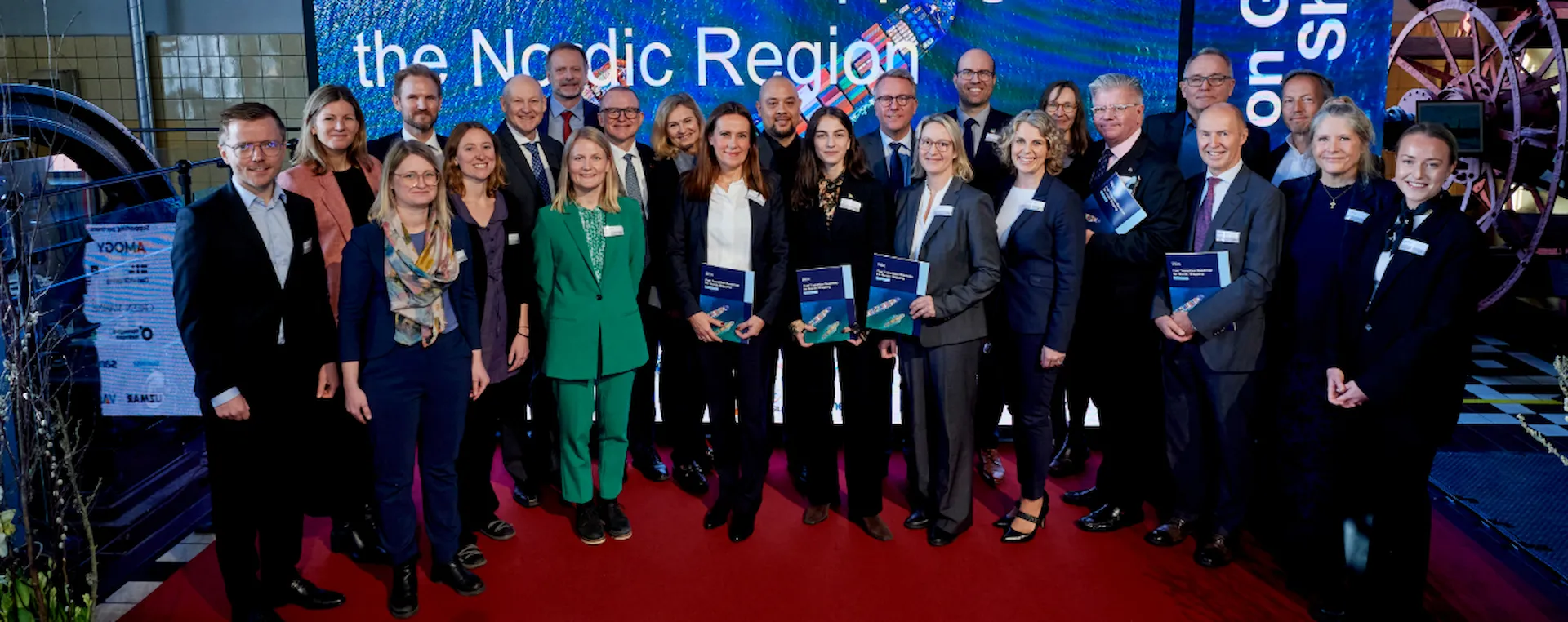
COPENHAGEN : The Nordic Roadmap project has unveiled the Fuel Transition Roadmap for Nordic Shipping (‘the Roadmap’), a comprehensive document outlining a decarbonization strategy for the region. The report urges Nordic ministers to take
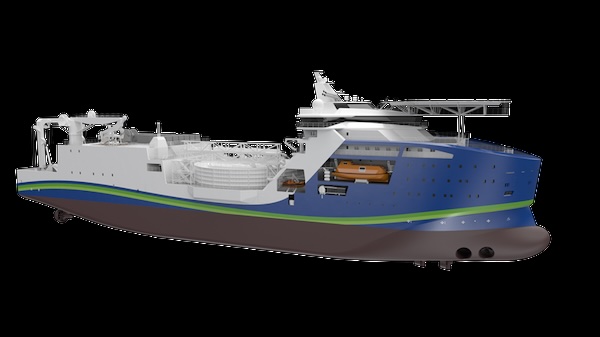
TOKYO : NYK has recently obtained Approval in Principle (AiP) from ClassNK for the design concept of a cable-laying vessel (“the vessel”) for the construction of a long-distance subsea direct current (“DC”) transmission network
The maritime industry is on the verge of a new era in connectivity with the launch of The Hood, a social platform built with a bold mission: to unite seafarers, their families, and maritime
LONDON : Ports, terminals, and logistics facilities are typically designed to accommodate large vehicles and cargo handling equipment. The introduction of smaller, more vulnerable road users like e-bikes and e-scooters presents unique challenges. These