
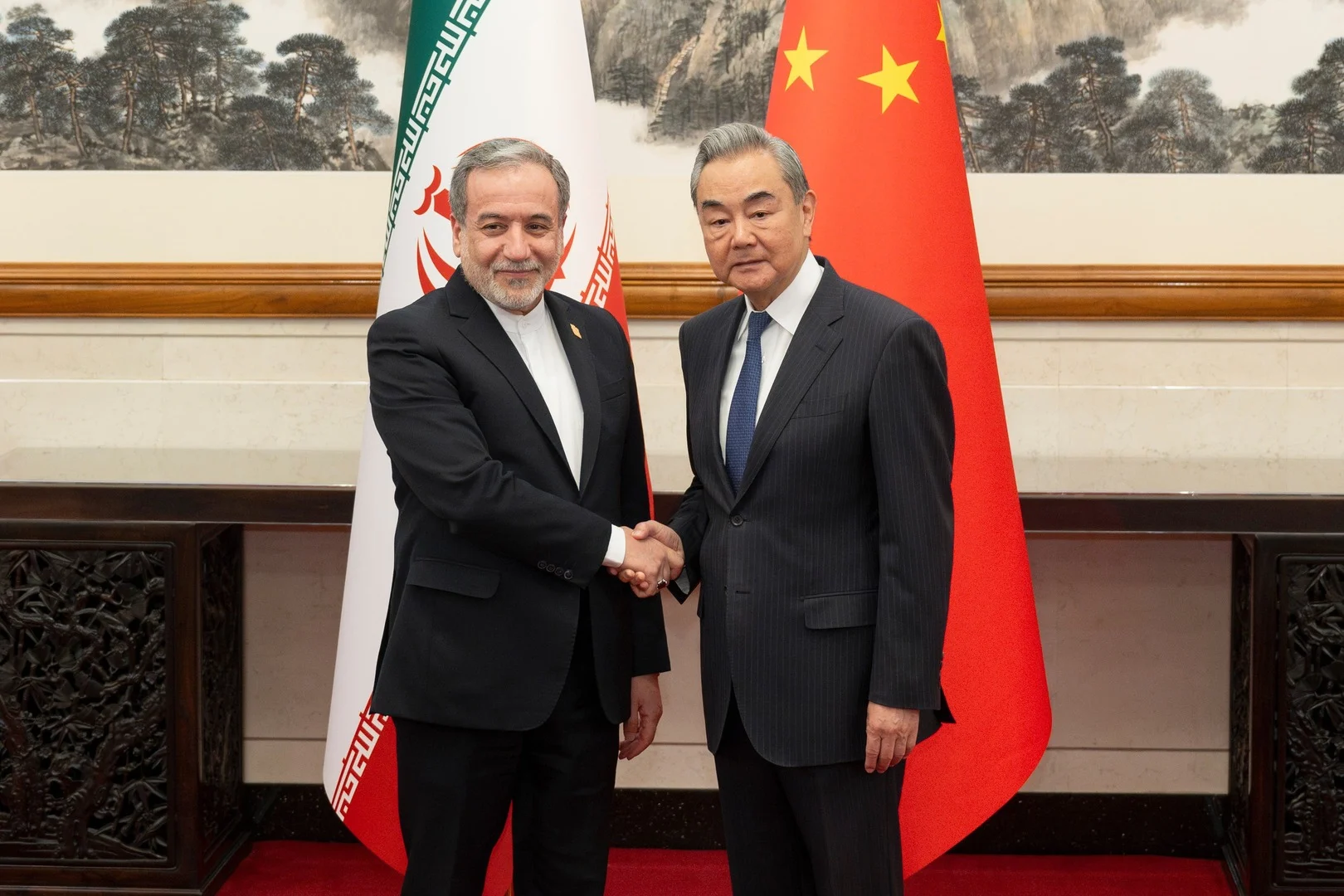
China steps up Iran diplomacy ahead of Trump-Xi summit, calls for Hormuz reopening during talks with Araghchi
BEIJING : China has stepped up its diplomatic engagement with Iran amid mounting global concerns over the Strait of Hormuz blockade, with Beijing calling for an immediate end to hostilities and the restoration of normal shipping through the crucial waterway. According to a report by The New York Times, the push came during a meeting in Beijing between Chinese Foreign Minister Wang Yi and his Iranian counterpart Abbas Araghchi.
The talks took place after the Trump administration publicly urged China to use its influence over Tehran to ease tensions in the Strait of Hormuz, a key global energy route that has remained heavily disrupted during the conflict.
According to the New York Times, Wang stressed the urgency of ending the war while also signalling Beijing’s growing unease over the economic consequences of the blockade.
“China believes that a comprehensive cessation of hostilities should not be delayed, any reigniting of hostilities is even less desirable, and sticking to negotiations is particularly important,” Wang said during the meeting, according to a summary released by China’s state news agency Xinhua.
While Beijing stopped short of directly blaming Iran for the crisis, Wang also underlined the importance of restoring maritime movement through the Strait of Hormuz. “The international community shares a common concern for restoring normal, safe passage” through the strait, Wang said, adding that China “hopes the parties concerned will respond to the strong calls from the international community” over reopening the route.
The New York Times noted that Araghchi’s visit marked the first trip by a senior Iranian official to China since the war involving the United States, Israel and Iran escalated earlier this year. The visit is being seen as part of Beijing’s broader effort to encourage diplomacy while avoiding direct entanglement in the conflict.
During the meeting, Wang also reiterated China’s long-standing position that Iran should retain the right to peaceful nuclear development while not pursuing nuclear weapons. He added that “China supports Iran’s efforts to safeguard its national sovereignty and security.”
Araghchi, meanwhile, sought to reassure Beijing that Tehran remained committed to negotiations. According to a statement cited by the New York Times, the Iranian minister briefed Wang on efforts to end the conflict, including peace talks currently being mediated by Pakistan.
Iran was as “serious and steadfast” in negotiations as it had been in defending itself militarily, the statement from Araghchi’s office said.
The diplomatic activity comes ahead of US President Donald Trump’s expected visit to Beijing next week for talks with Chinese President Xi Jinping. The conflict with Iran and the future of the Strait of Hormuz are expected to dominate those discussions.
The New York Times reported that Washington has been pressing Beijing to intervene more actively. US Secretary of State Marco Rubio openly called on China to pressure Iran during Araghchi’s visit.
“I hope the Chinese tell him what he needs to be told, and that is that what you are doing in the straits is causing you to be globally isolated,” Rubio said. “It is in China’s interest that Iran stop closing the straits. It’s harming China as well.”
Although Iran has continued allowing oil shipments bound for China to pass through the strait, rising global energy prices and continued instability have increased economic pressure on Beijing. According to the New York Times, foreign officials believe China may already have played a quiet role in persuading Tehran to accept earlier ceasefire terms.
At the same time, Beijing has continued resisting US pressure on Chinese companies linked to Iranian oil imports. After Washington imposed sanctions on a Chinese refinery accused of purchasing large volumes of Iranian crude, China reportedly instructed domestic firms not to comply with the American restrictions.
The developments highlight China’s delicate balancing act as it attempts to preserve ties with both Washington and Tehran while positioning itself as a key diplomatic player in the crisis.