



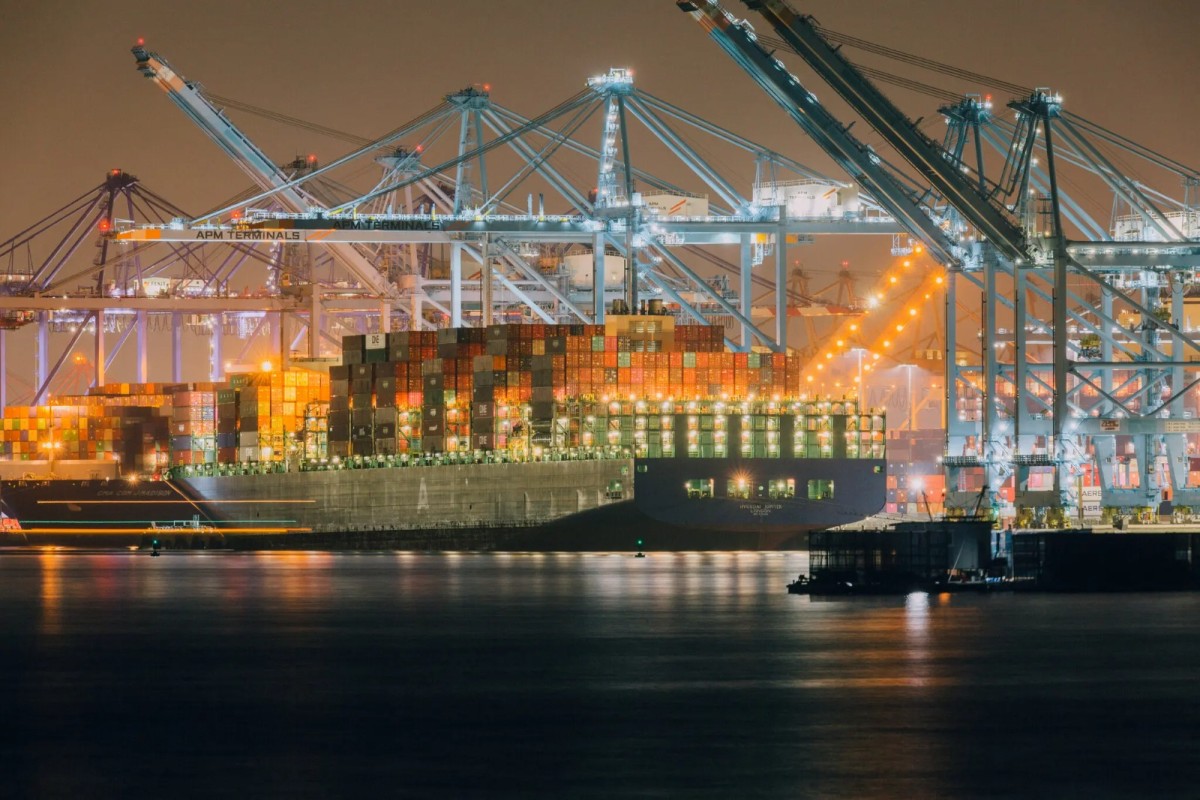
WASHINGTON D.C. : A fresh analysis from the Open Markets Institute recommends that the United States explore the creation of a government-backed container shipping line to decrease its dependency on foreign operators. The antimonopoly organization, based in Washington, points out that six overseas-owned liner firms manage close to 80% of worldwide container capacity and over 90% of American trade on key routes, labeling this dominance a container cartel.
Report Highlights Risks of Foreign Control
The document, Creating a Publicly Accountable Ocean Supply Chain, asserts that four decades of deregulation, industry consolidation, and strategic alliances have exposed U.S. importers, exporters, and defense planners to choices made by corporations based outside the country. The study notes that the American-flagged container fleet engaged in international trade has decreased to 58 vessels, accounting for less than 1% of the global total. The institute cautions that the nation relies on foreign carriers not just for consumer supply chains but also for emergency sealift operations.
Proposed Solutions and Concerns
Author Arnav Rao contended that container shipping ought to be regarded as essential infrastructure. The report asserts that leading carriers can take advantage of unclear service contracts, unfair pricing, canceled sailings, cargo hold-ups, and extra fees, with small exporters and manufacturers facing the heaviest impact. Its most ambitious suggestion is a public container shipping service that can ensure market access where private operators fail to deliver dependable or equitable service.
Additional recommendations involve heightened Federal Maritime Commission oversight of global alliances, reinstated common-carrier obligations, increased backing for U.S.-flagged ships, and broader mariner training programs. Carrier collaboration agreements are already submitted to and reviewed by the FMC, and they may qualify for exemptions from U.S. antitrust regulations. The agency mandates detailed reporting from alliances and can pursue court orders if diminished competition leads to unjustified cost hikes or worsening service quality.
Nevertheless, the report contends that oversight alone is inadequate when the fleet, crew base, and commercial capacity have relocated overseas. Its core argument is that Washington cannot restore maritime resilience merely through shipyard subsidies; it must also determine who governs access to the transport network linking American producers and consumers to global markets.