IIMA Hosts Strategic Workshop on Designing India’s Multimodal Logistics Parks Network
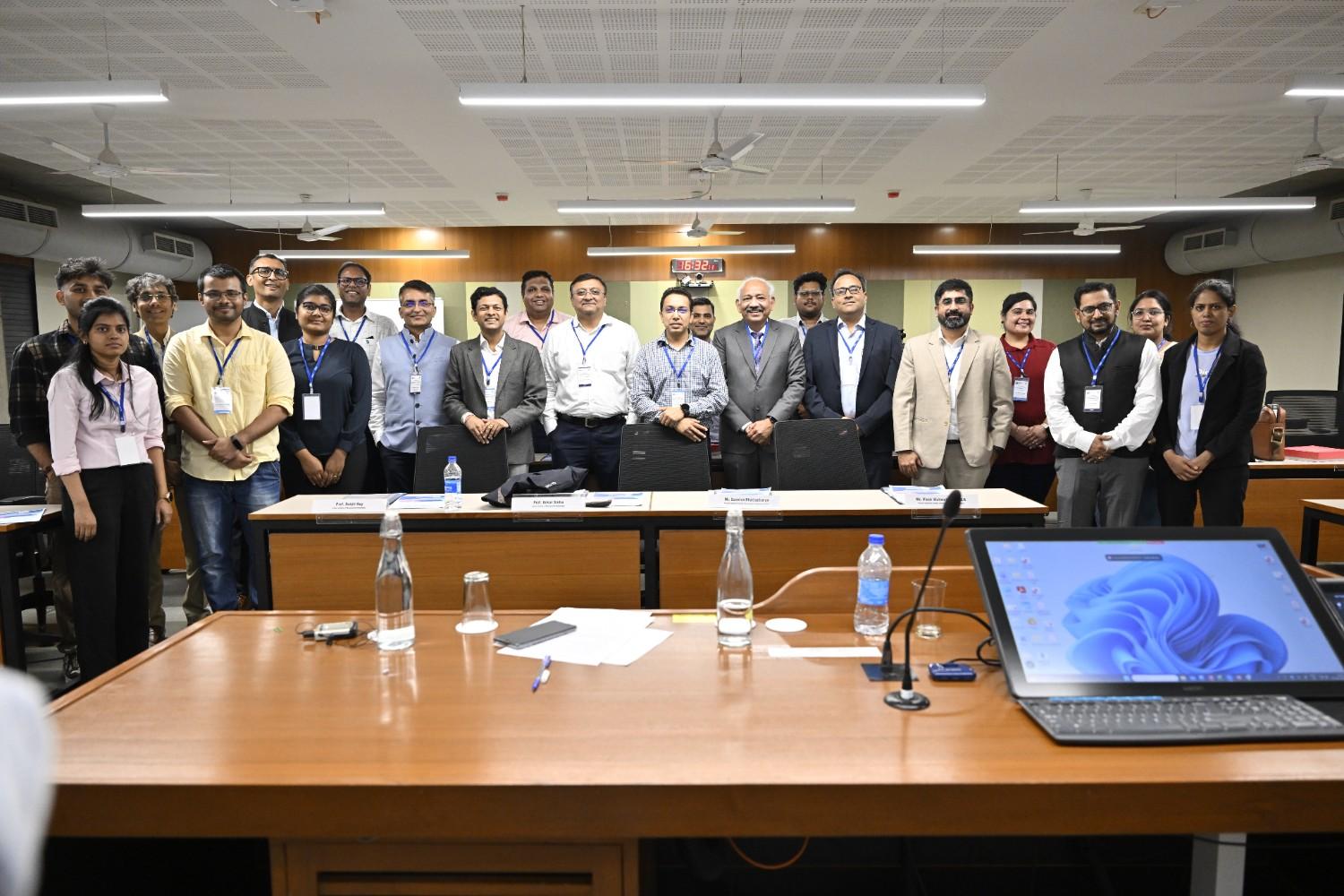
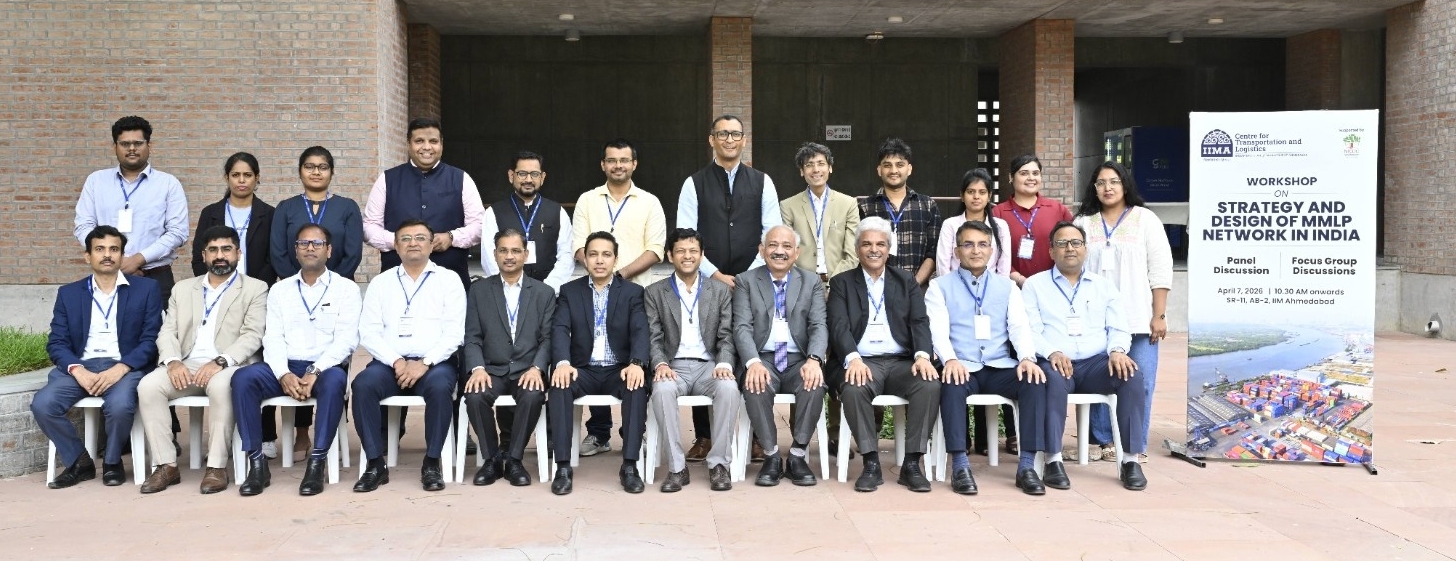
AHMEDABAD: Indian Institute of Management Ahmedabad (IIMA), through its Centre for Transportation and Logistics, convened a high-level workshop on ‘Strategy and Design of MMLP Network in India’ on April 7, 2026, bringing together policymakers, industry leaders, and domain experts to deliberate on the future of India’s logistics infrastructure. The workshop was supported by the National Industrial Corridor Development Corporation (NICDC).

The event addressed the longstanding challenges of India’s fragmented warehousing ecosystem while aligning discussions with transformative initiatives such as the PM GatiShakti National Master Plan and the National Logistics Policy. These flagship programmes aim to streamline logistics planning, enhance multimodal connectivity, and reduce overall logistics costs.
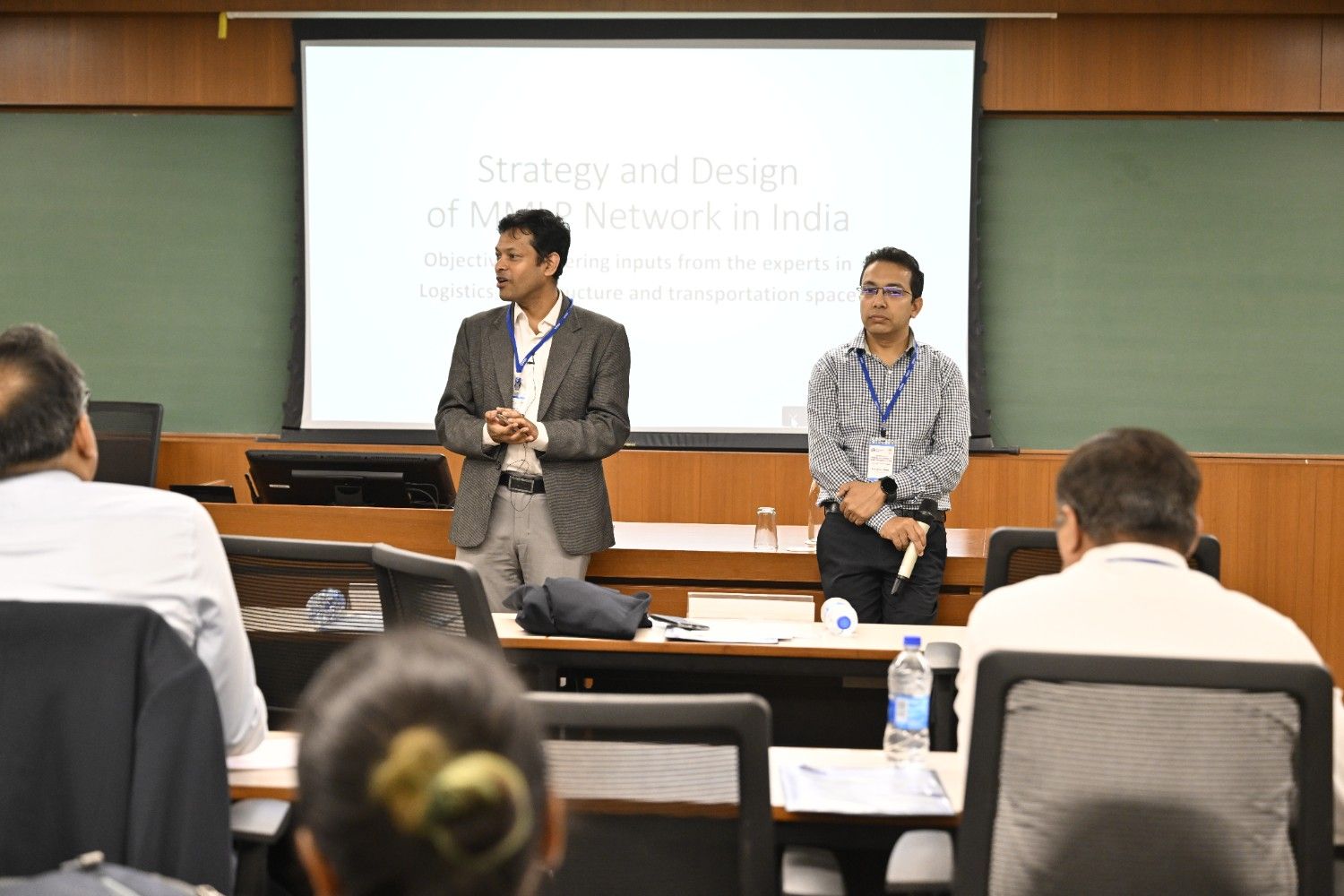
Moderated by Prof. Debjit Roy and Prof. Ankur Sinha, the workshop featured a series of sessions, including a panel discussion, project deliberations, and focused group engagements. In their opening remarks, both professors underscored the need for integrated planning and collaborative approaches in designing efficient Multimodal Logistics Parks (MMLPs).
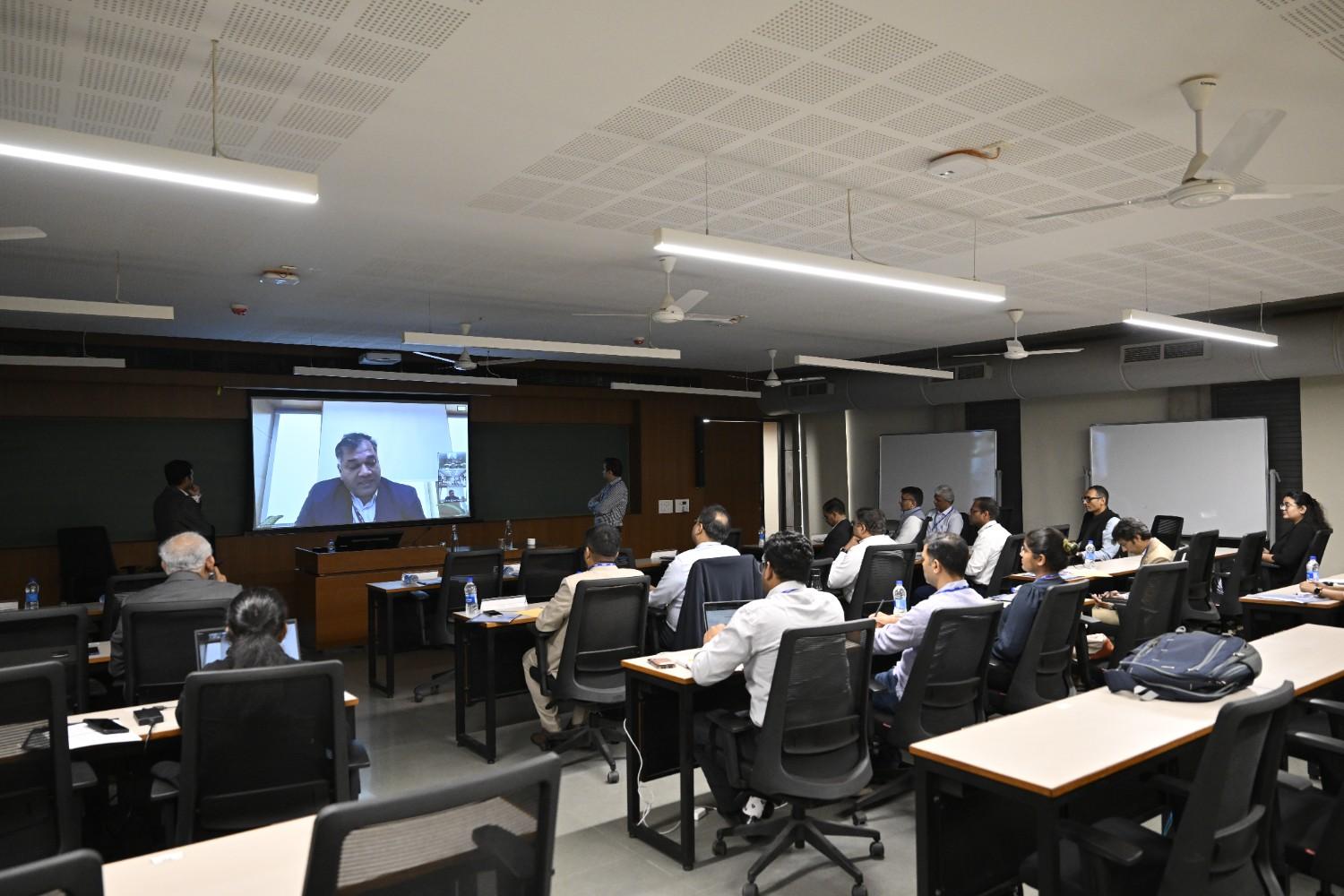
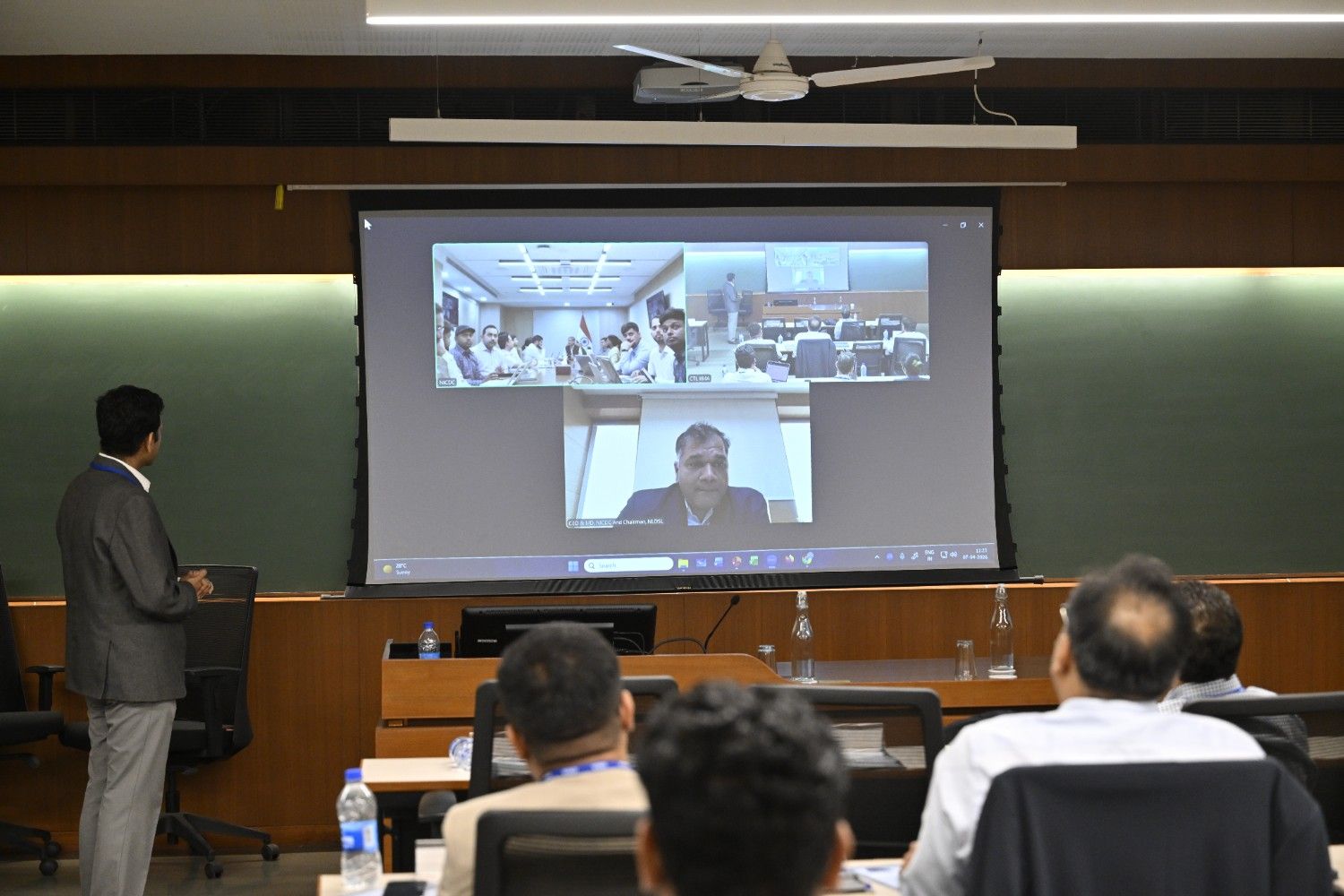
Delivering the keynote address virtually, Shri Rajat Kumar Saini, CEO & MD of NICDC, highlighted India’s growing prominence in global manufacturing and emphasized the pivotal role of strategically located MMLPs in supporting supply chain efficiency. He stressed the importance of data-driven planning, noting that robust analytics and informed decision-making would be critical to unlocking the full potential of logistics infrastructure in the country.
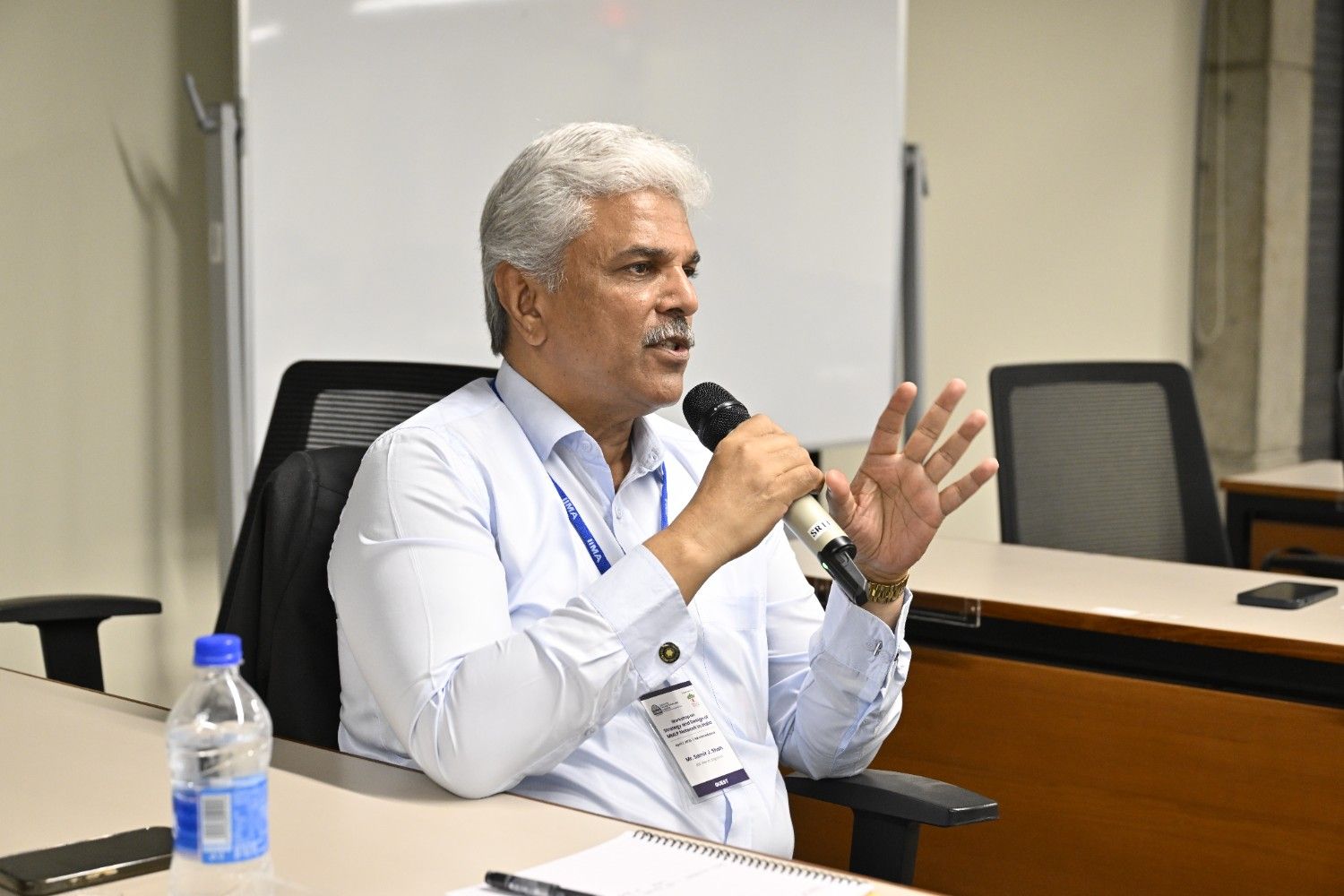
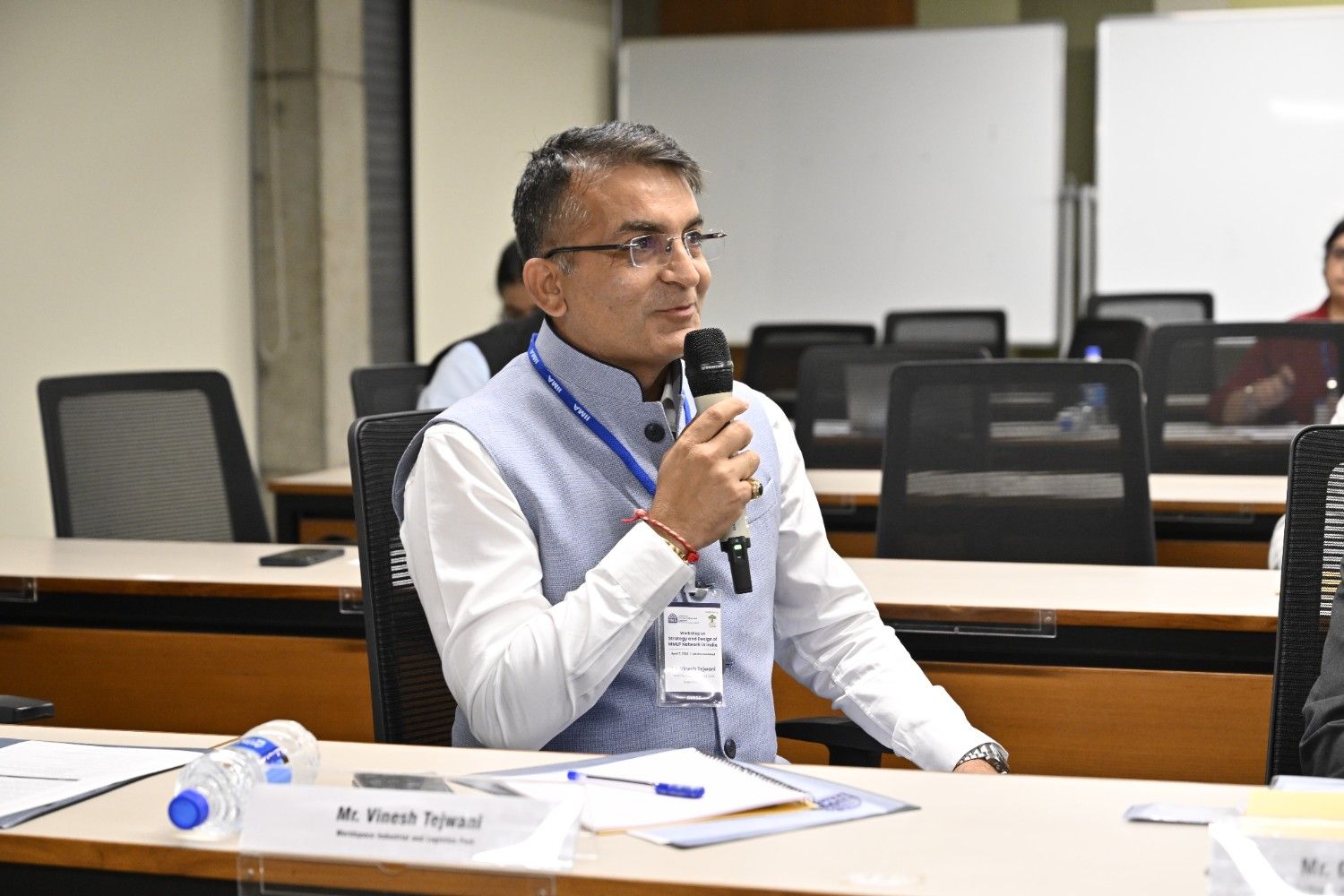
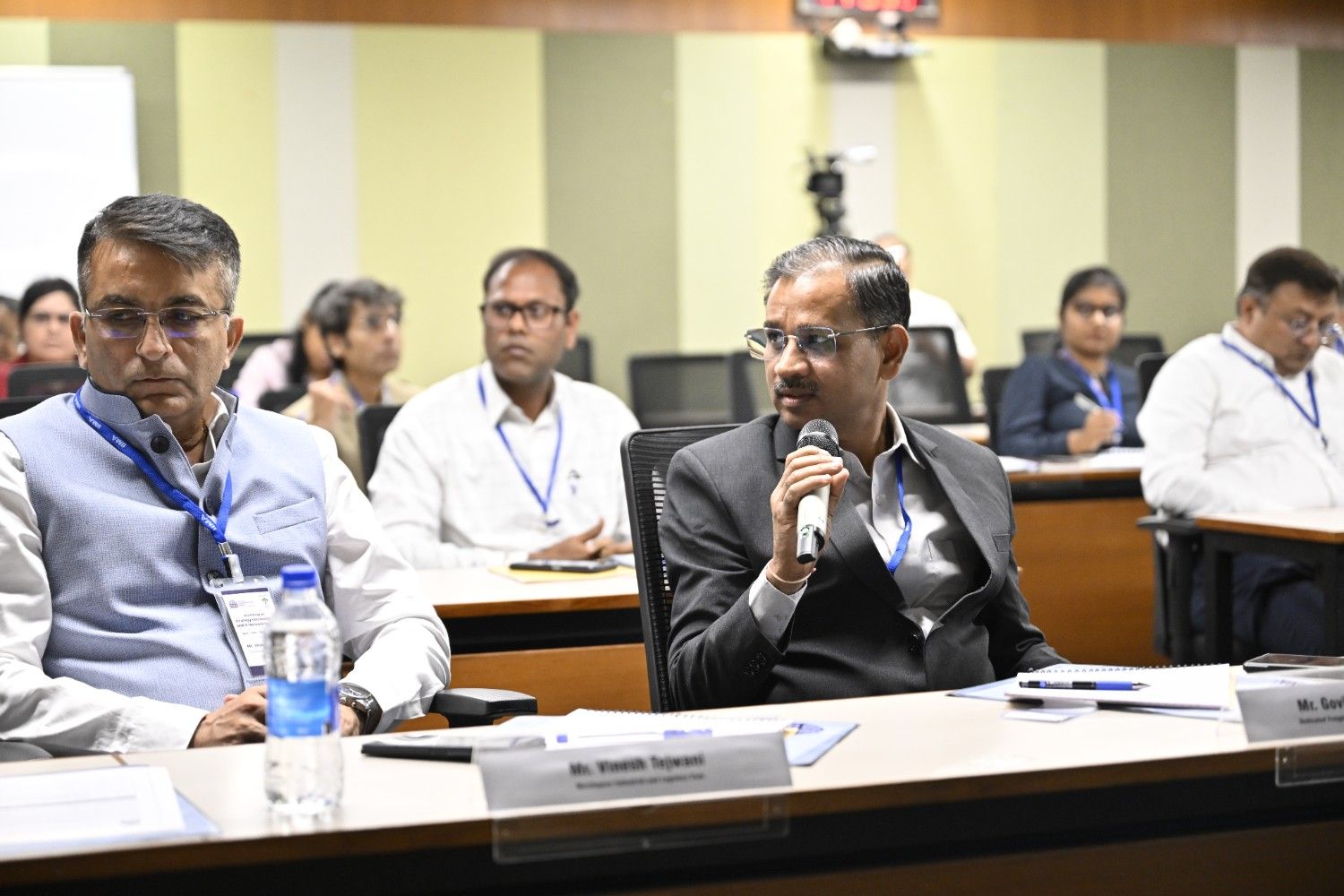
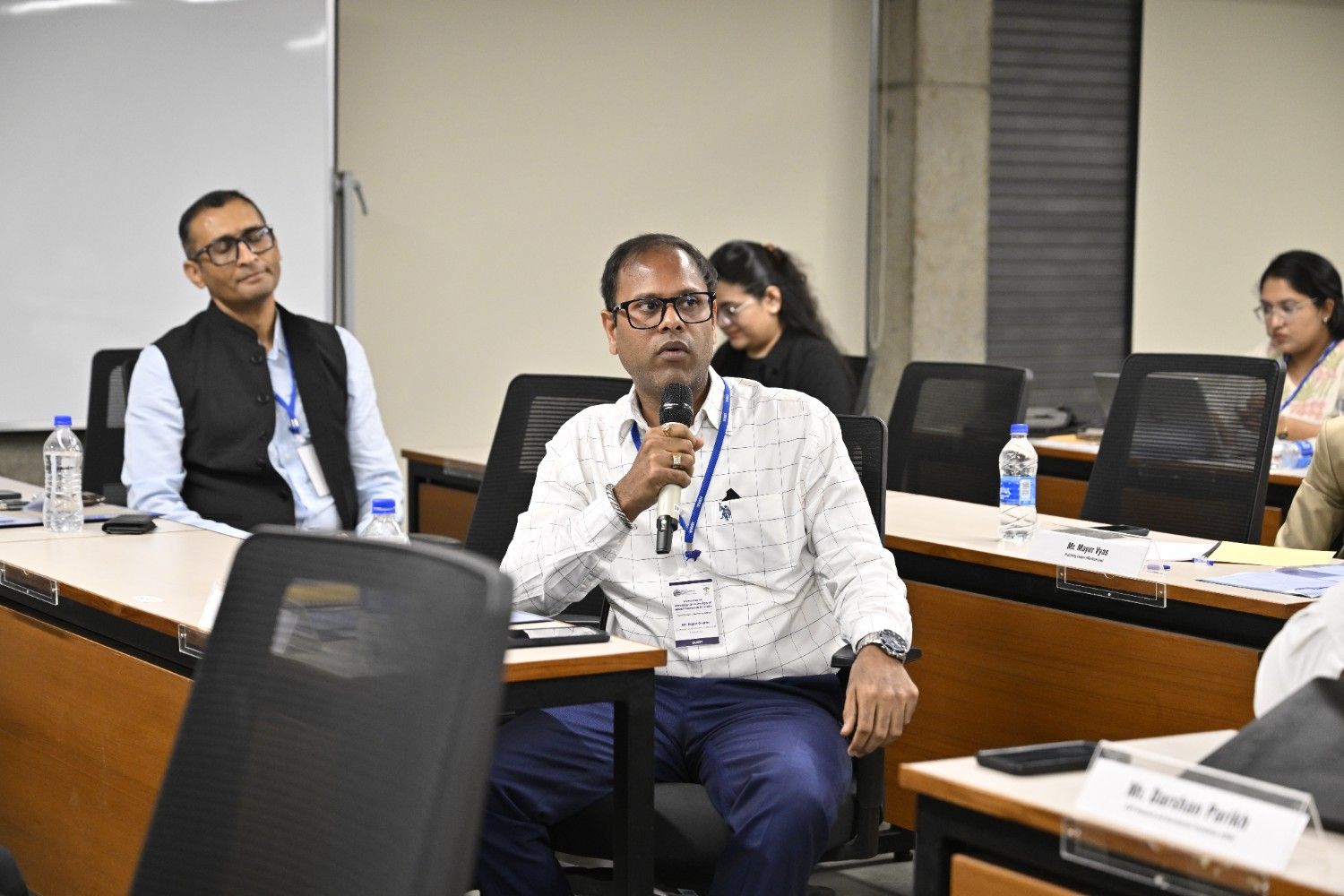
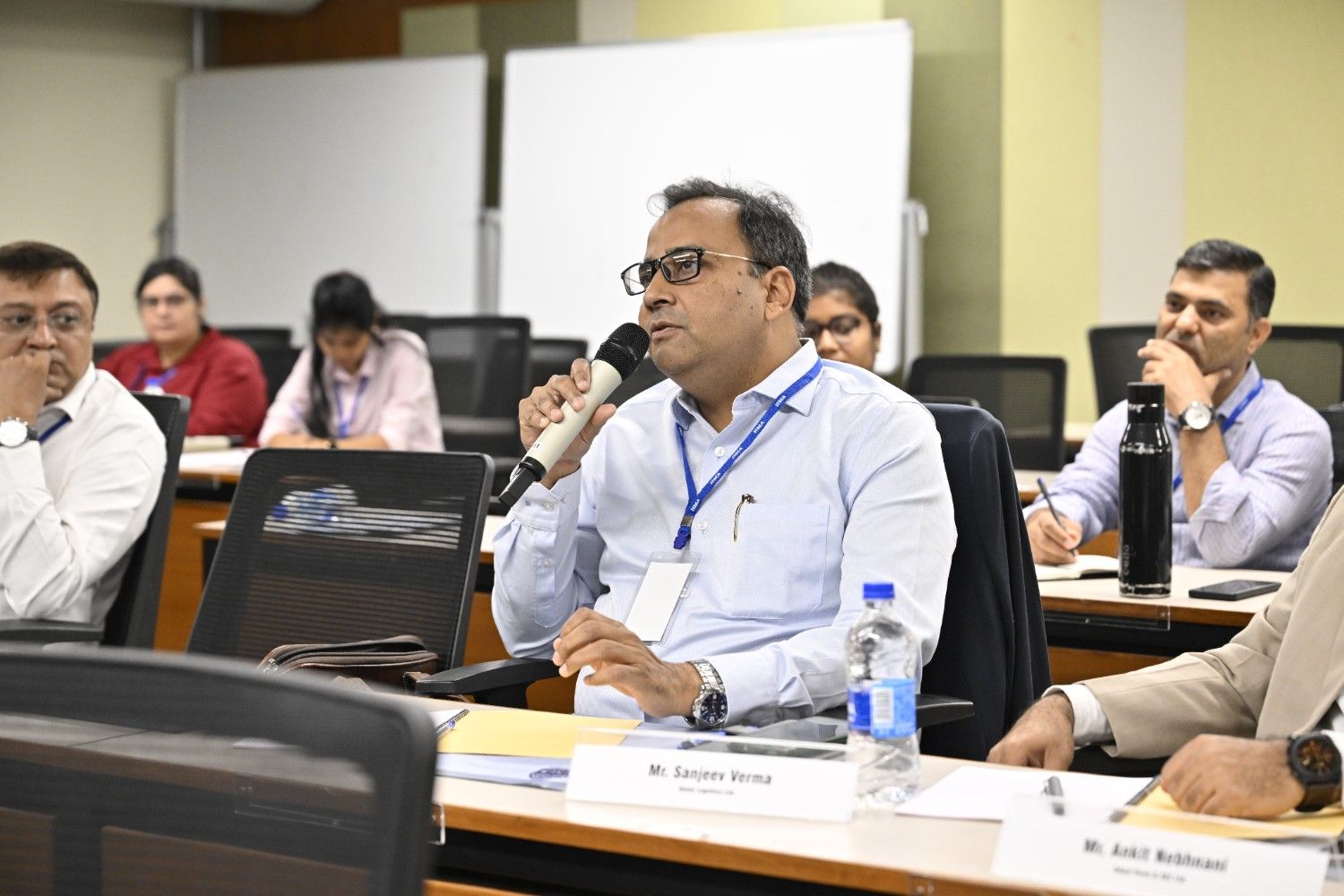
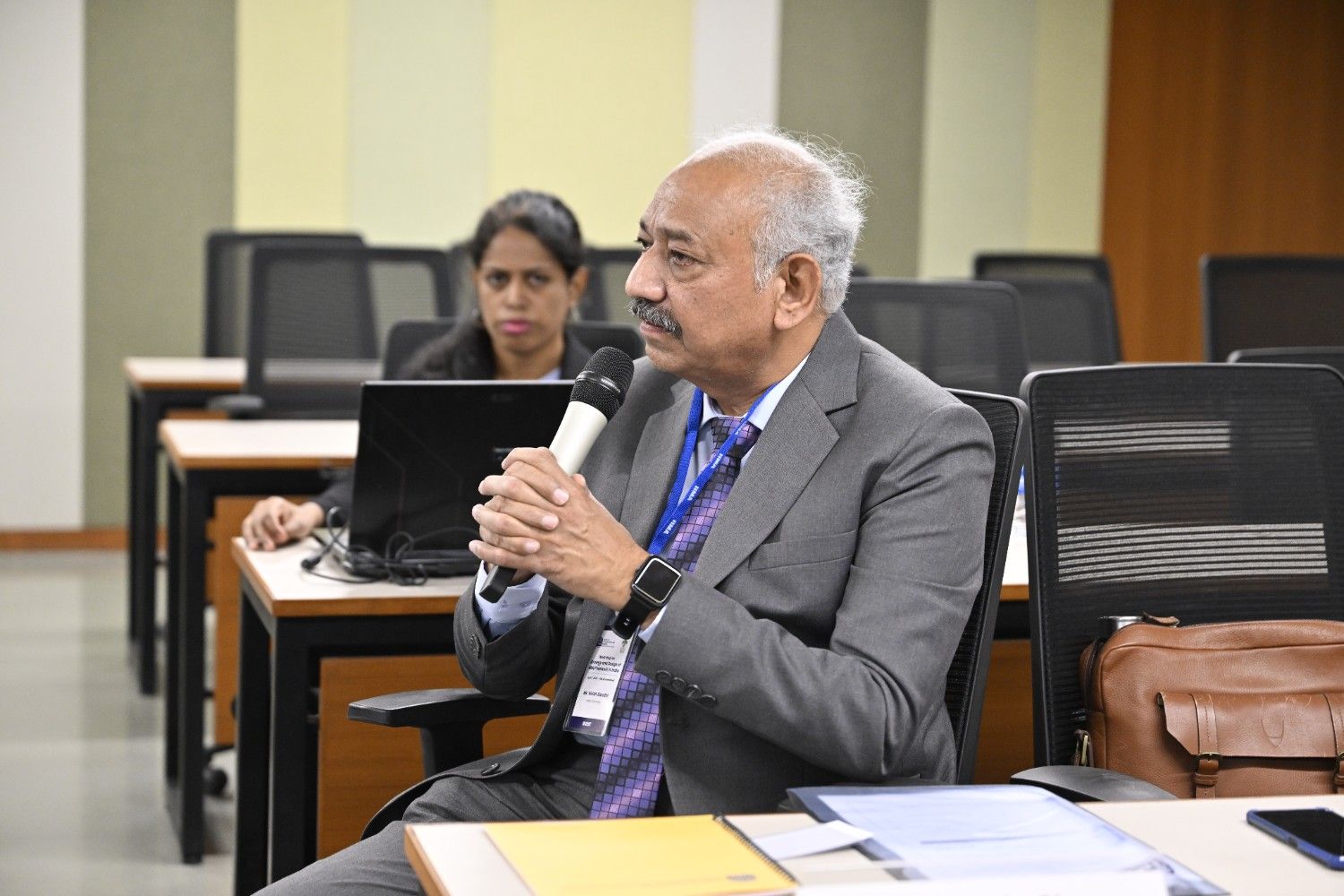
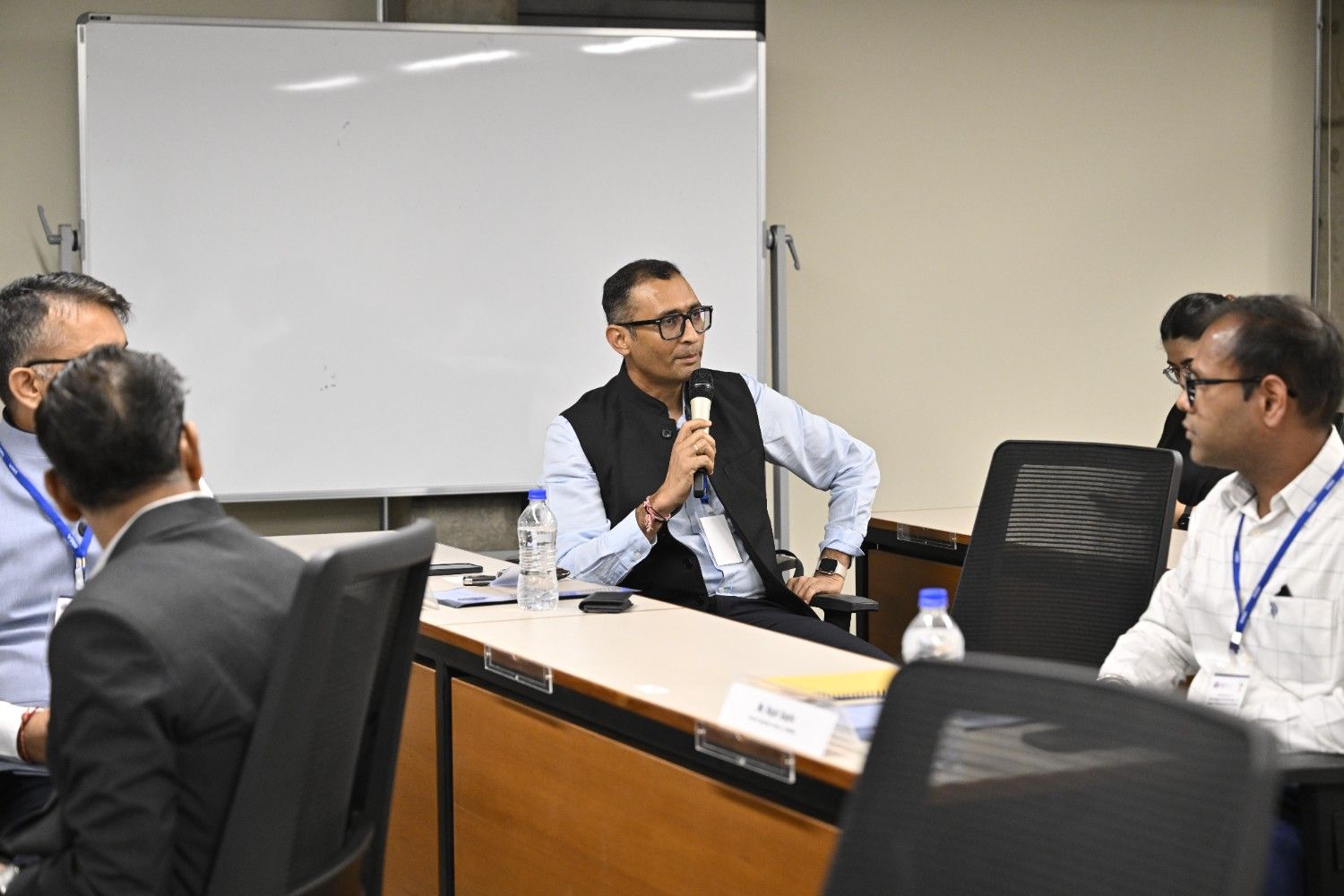
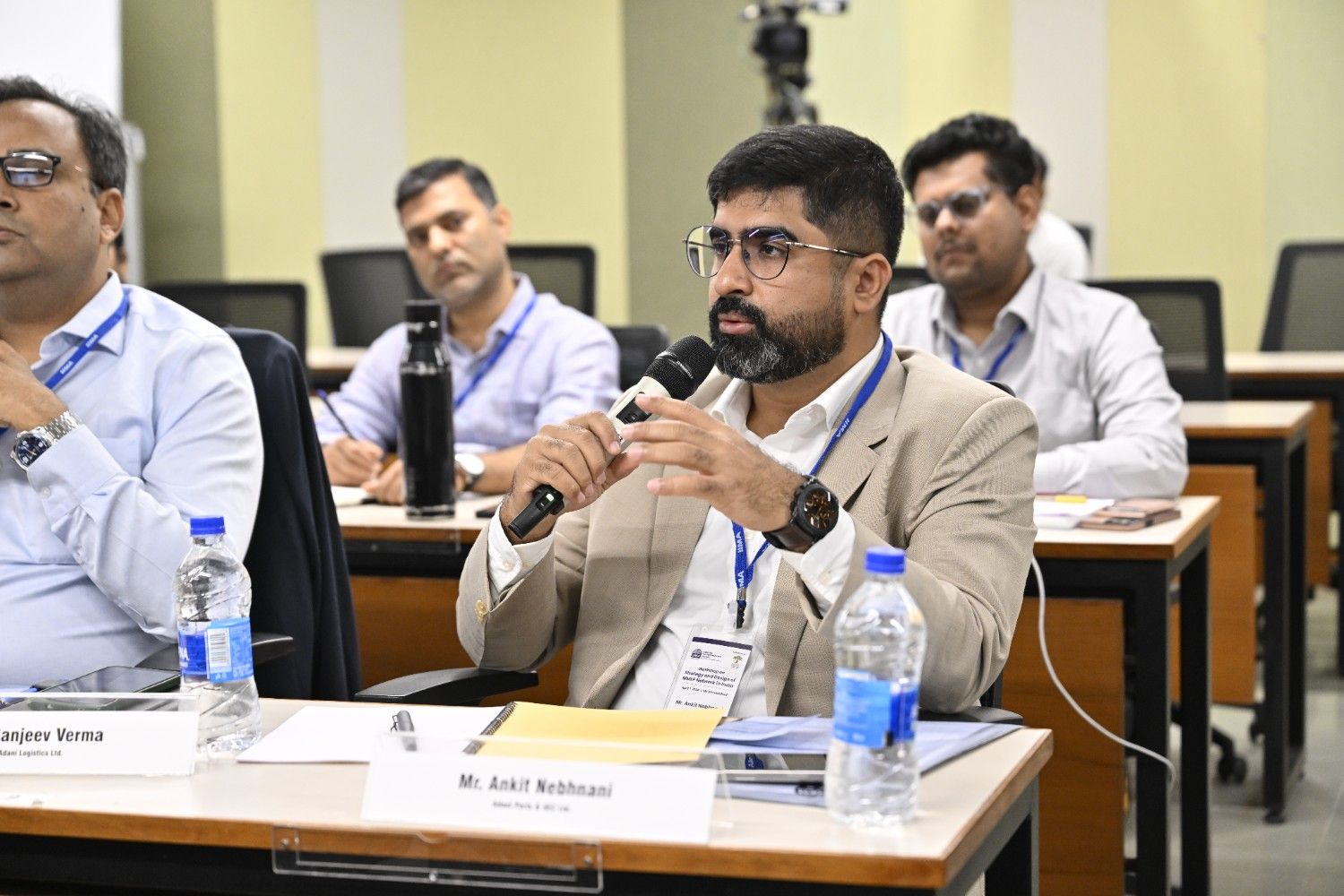
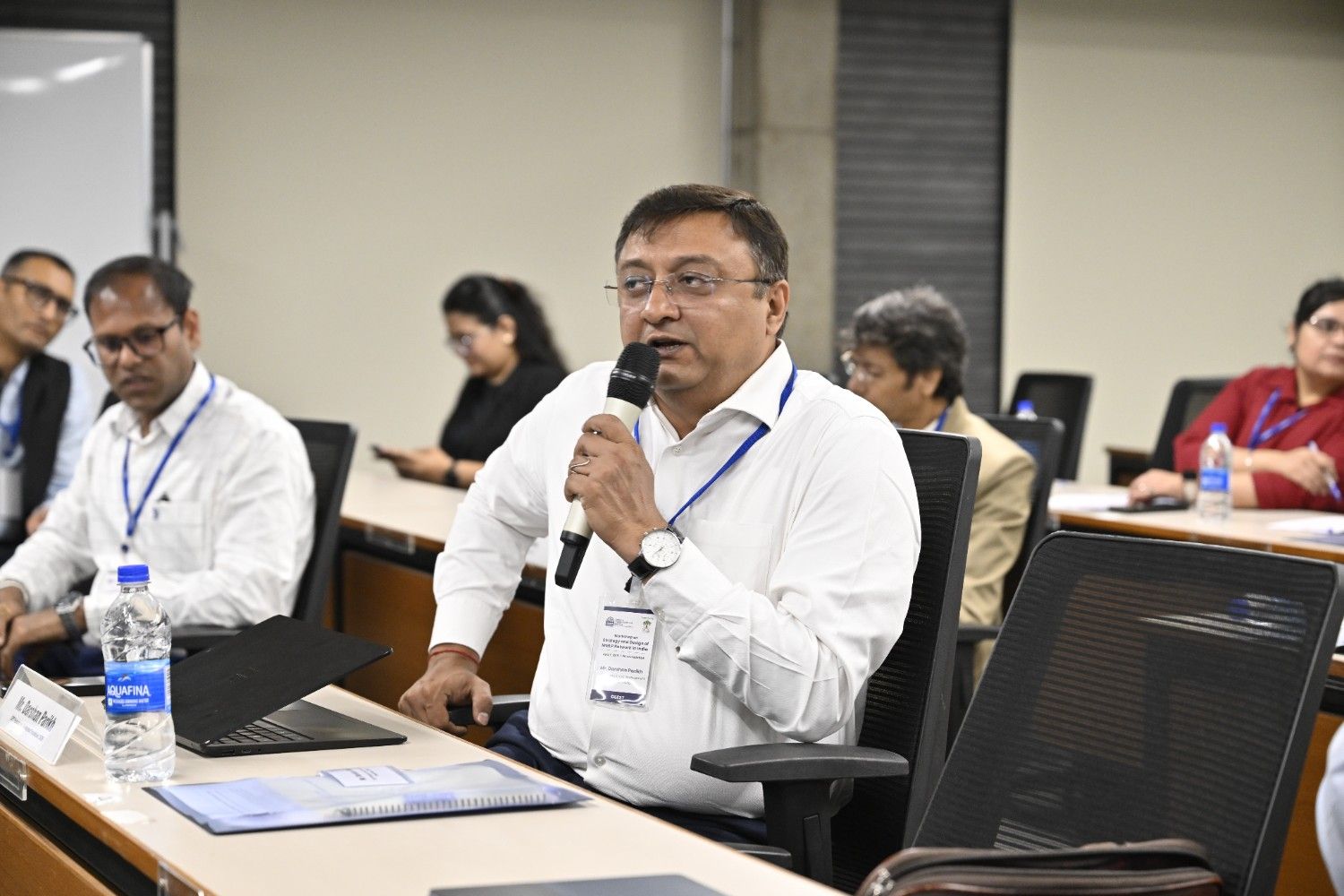
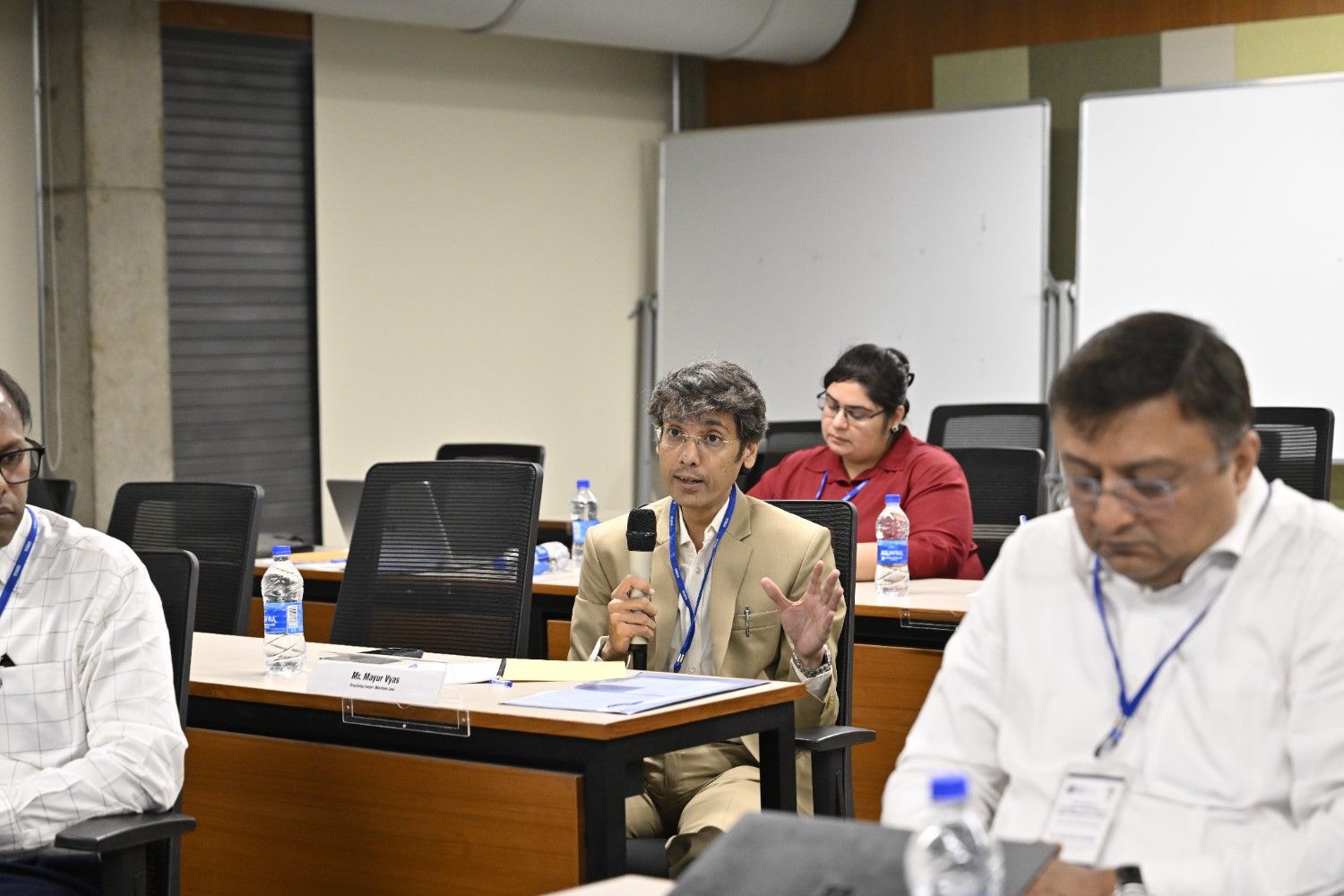
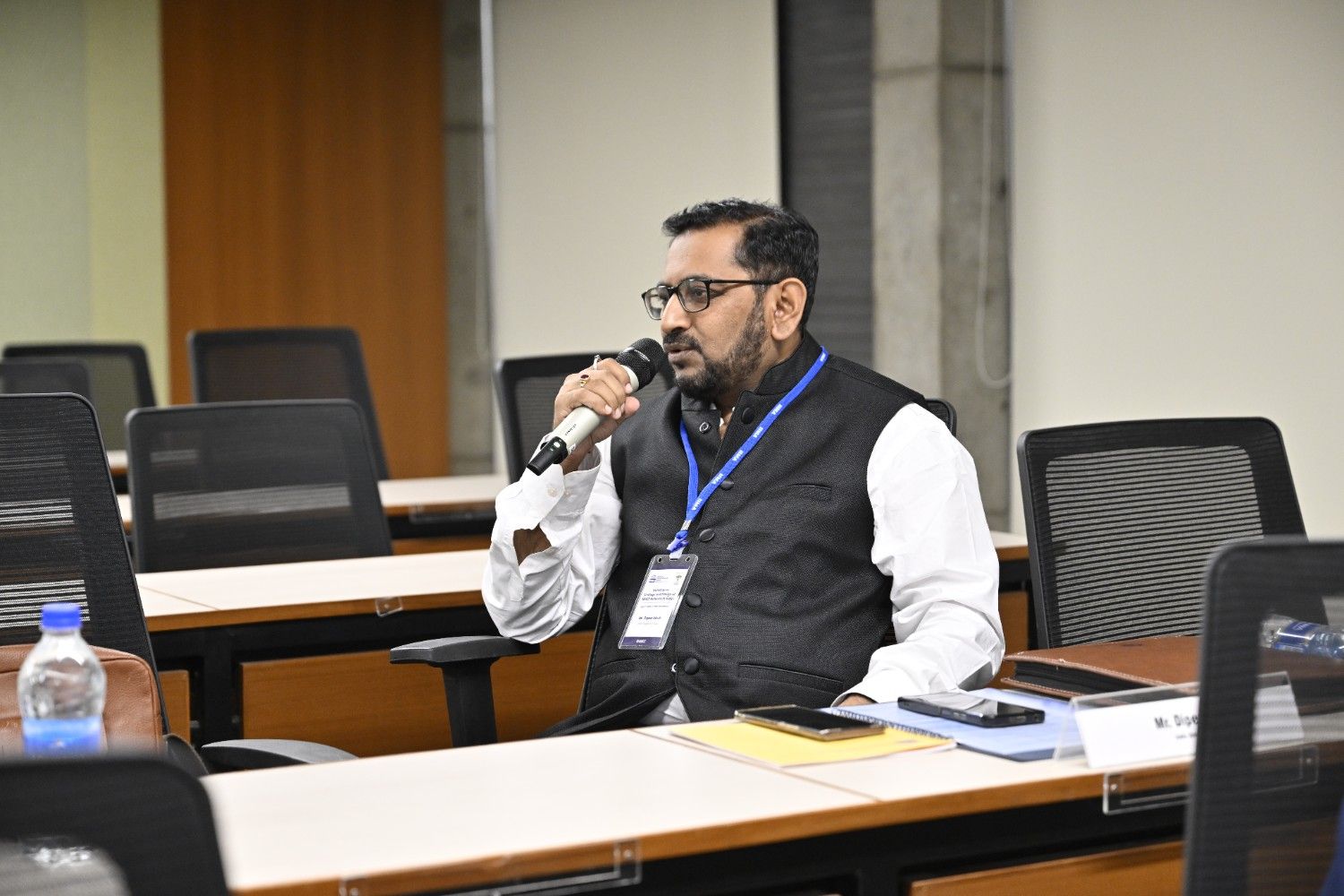
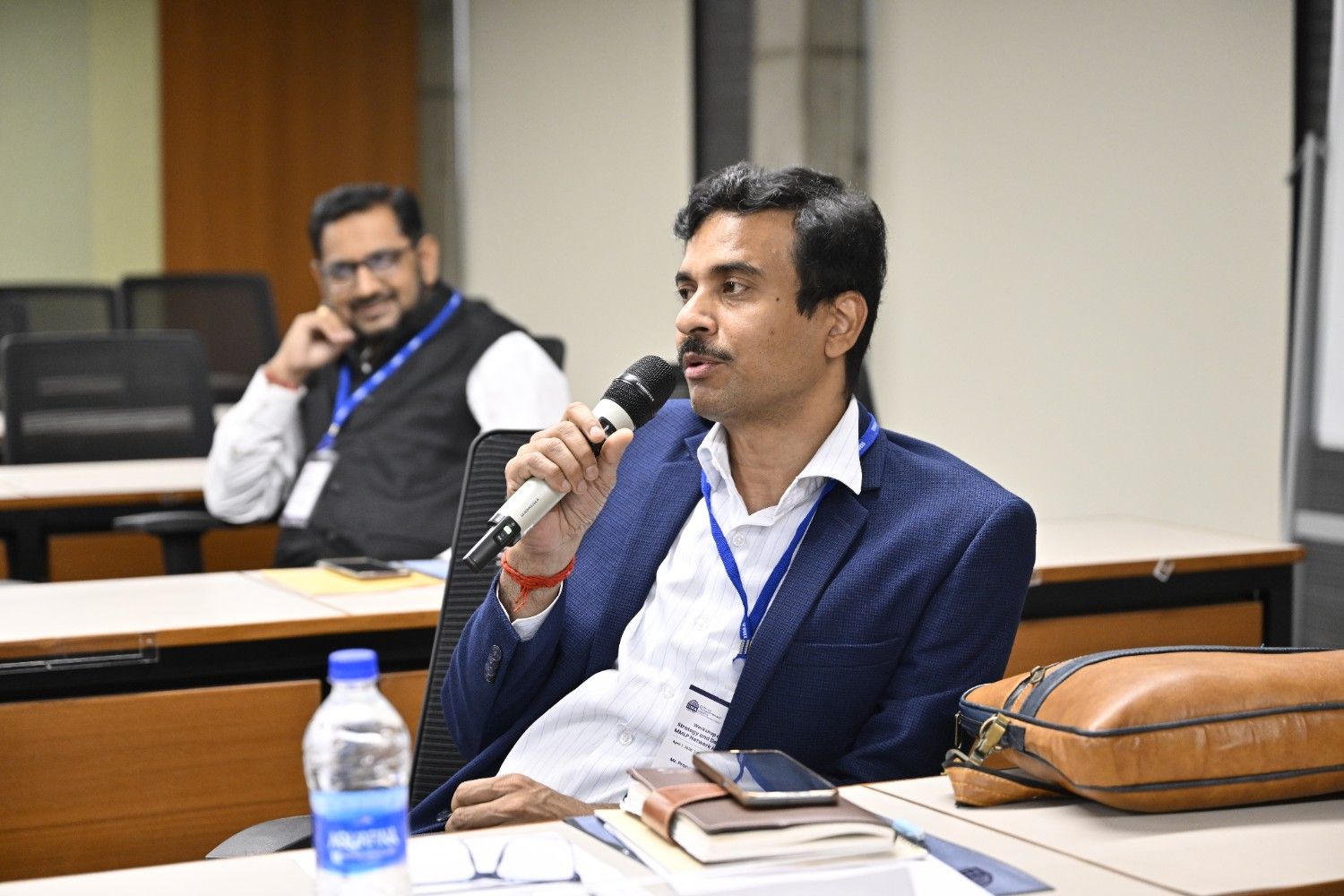
The panel discussion delved into key aspects of MMLP development, including network design, optimal location planning, and demand-side dynamics. Experts also examined critical challenges such as land acquisition hurdles, rail and road connectivity gaps, power infrastructure requirements, and the complexities of multi-agency approvals. Policy and implementation bottlenecks were discussed alongside future growth considerations, offering a comprehensive perspective on the sector’s trajectory.
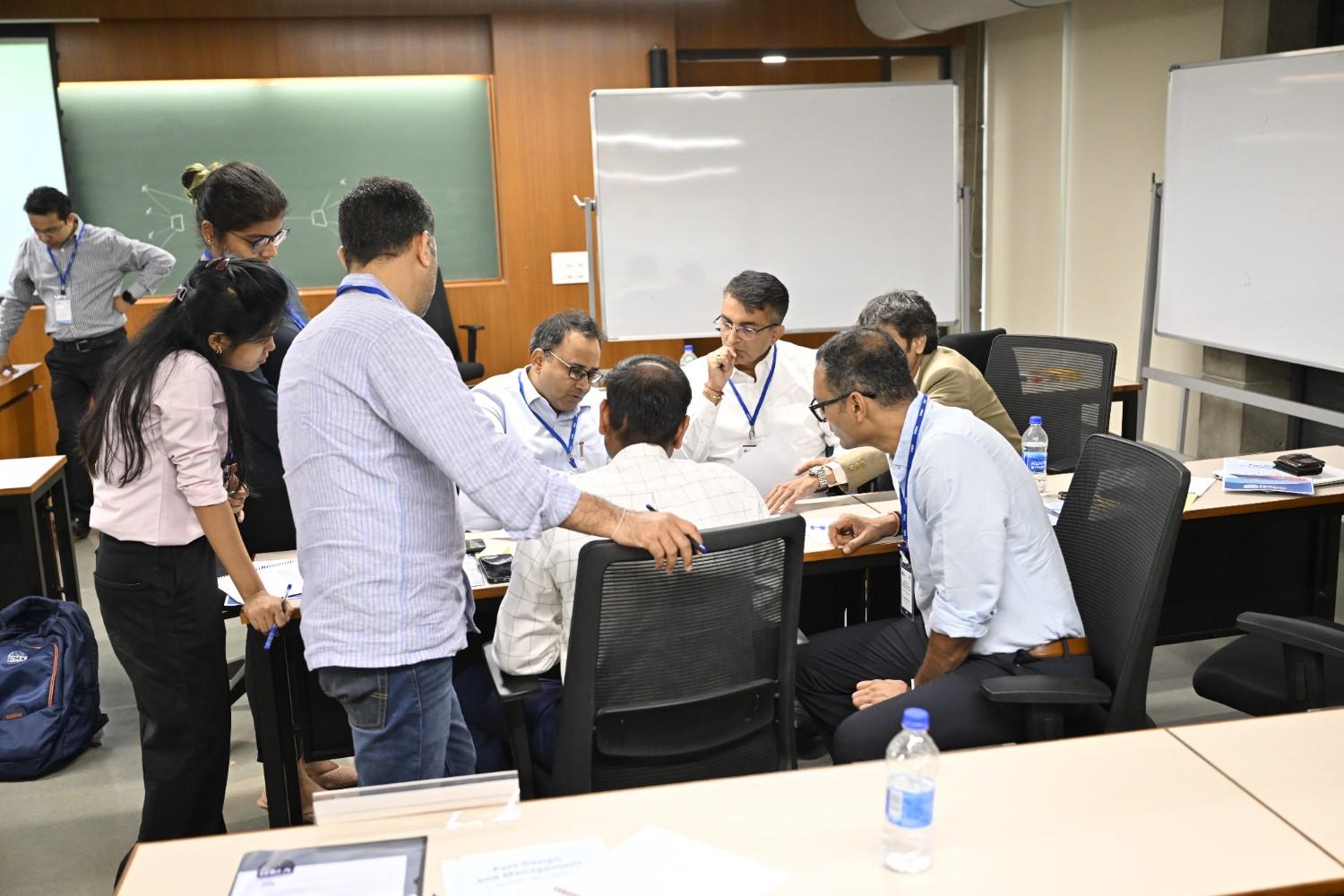
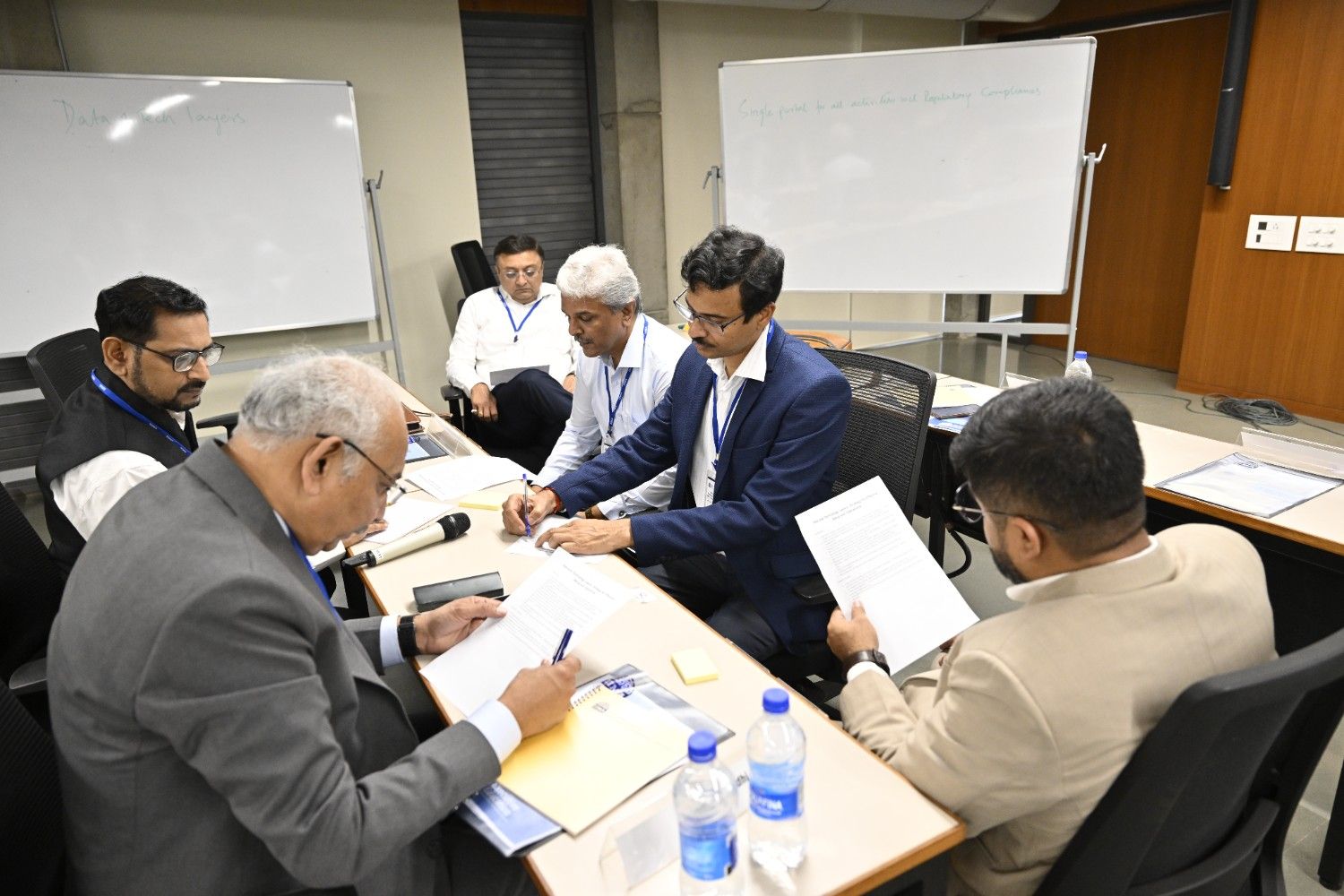
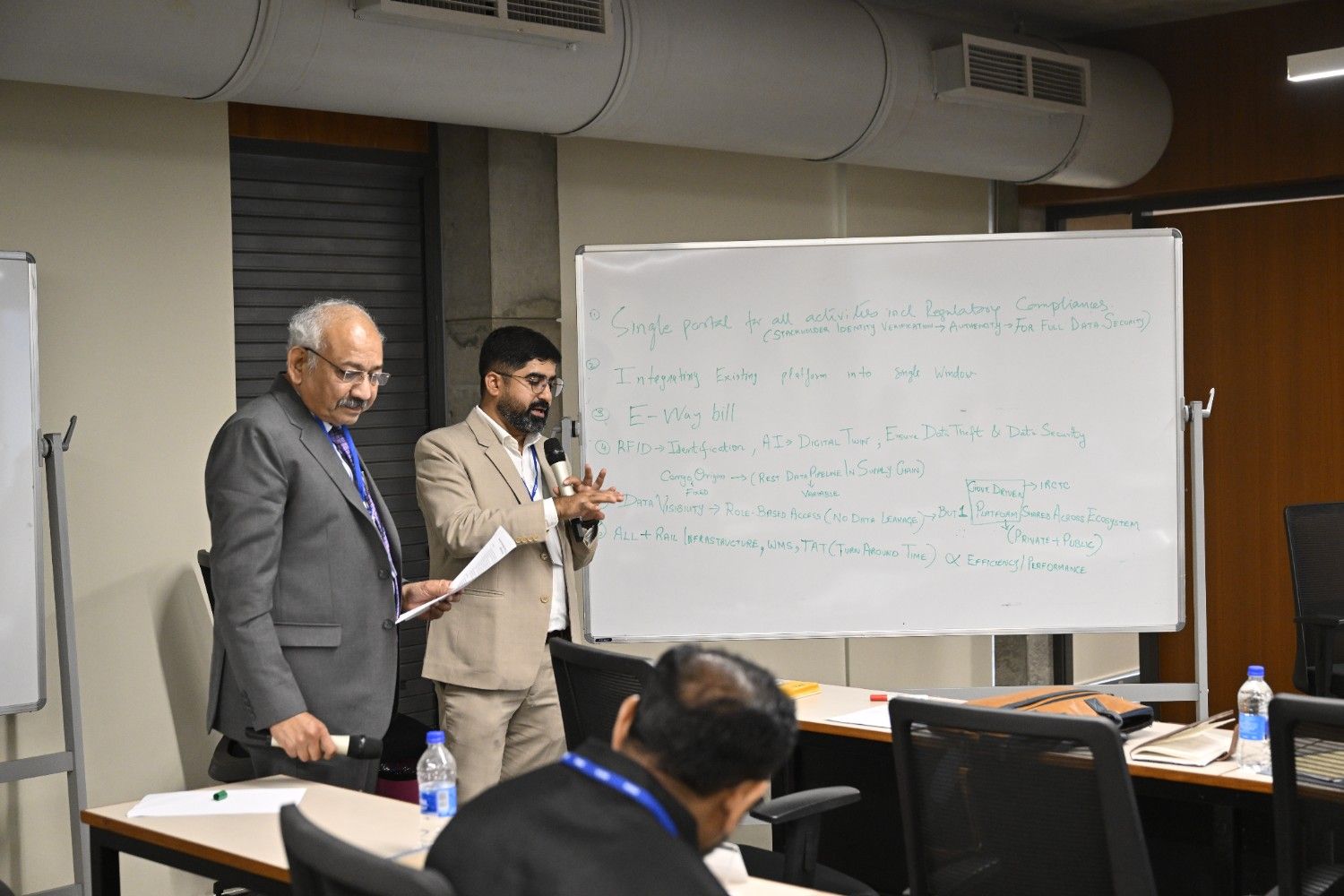
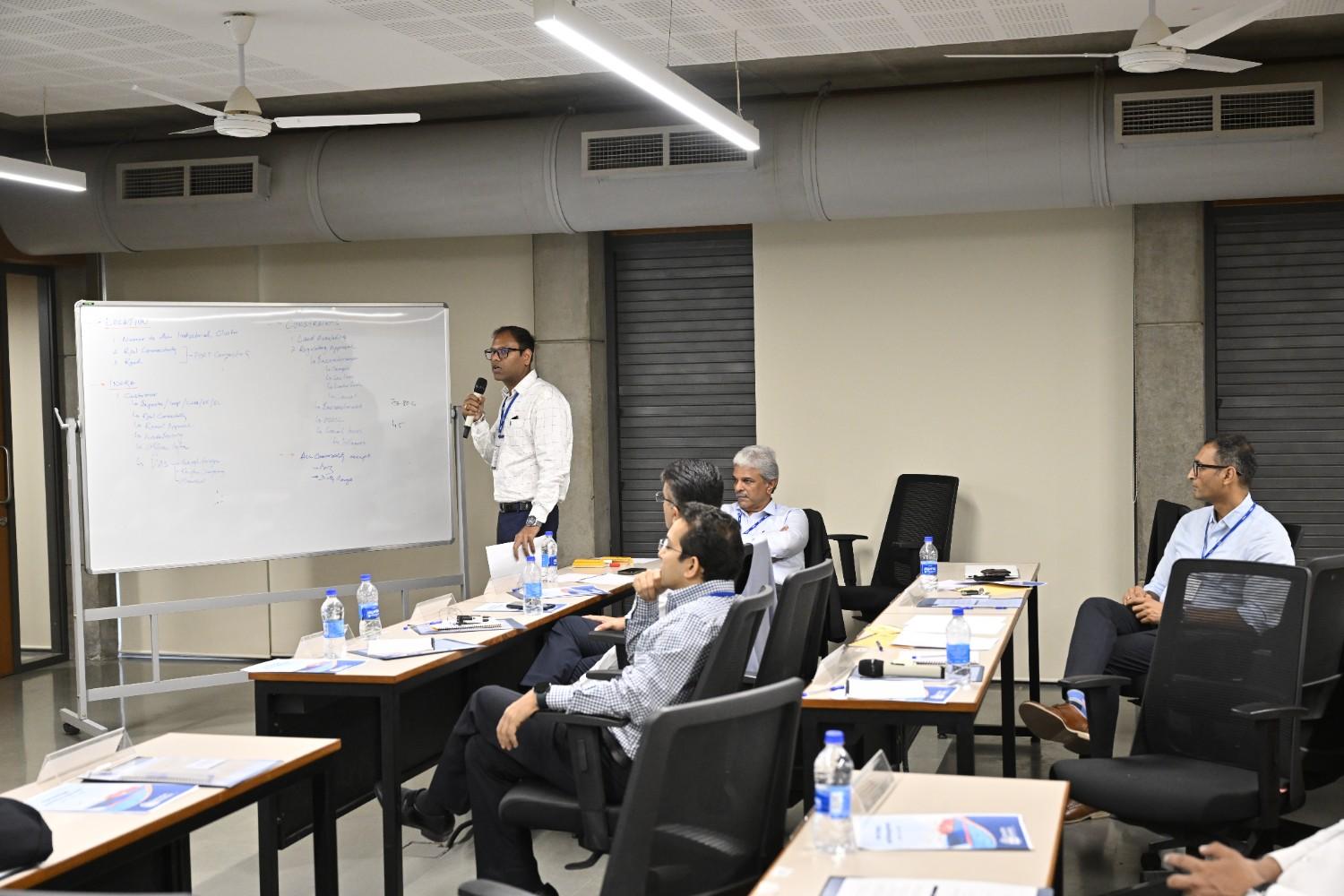
A key highlight of the workshop was the focus group discussions, where participants were divided into two thematic groups. Group I explored the design dimensions of MMLPs, evaluating factors, constraints, and cost considerations, while Group II examined the role of data and technology layers in shaping strategies for the setup and operations of these logistics hubs.
The workshop ultimately served as a dynamic platform for open dialogue and knowledge exchange, reflecting the rapidly evolving landscape of MMLPs in India. The insights generated are expected to contribute to more data-driven location strategies and the development of integrated logistics ecosystems, thereby enhancing efficiency, competitiveness, and growth across India’s logistics sector.