
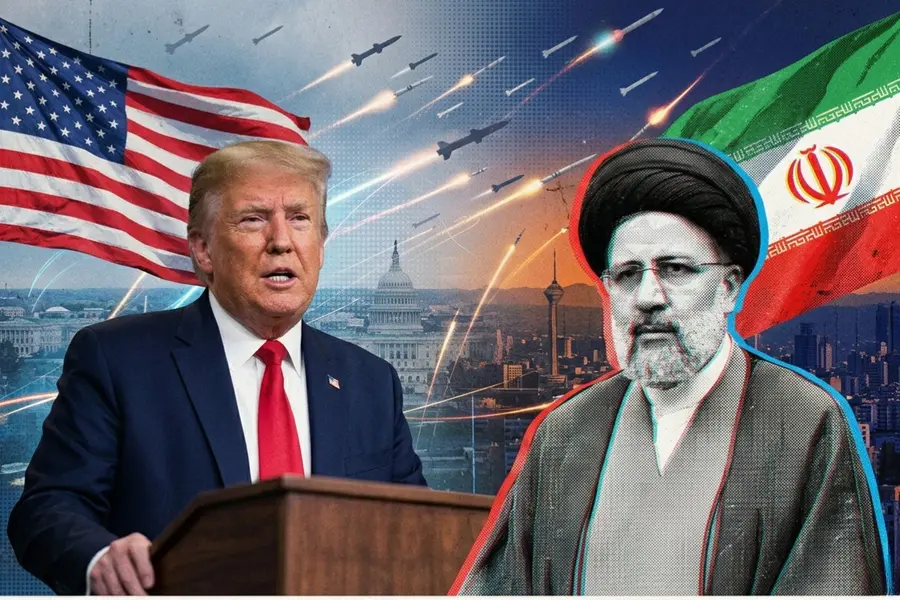
Iran claims closure, US says traffic continues; conflicting claims over Hormuz cloud Tehran talks
TEHRAN : Iran‘s renewed threat over the key oil route clashes with US assurances of normal shipping, adding fresh strain to fragile ceasefire-linked talks in Switzerland.Fresh uncertainty gripped global energy markets and regional diplomacy on Saturday after Iran announced that it had once again closed the Strait of Hormuz, accusing the United States of failing to uphold commitments under a recently signed agreement, even as the US military insisted that commercial shipping continued to move through the strategic waterway.
According to Iranian state media and statements carried by state television, Iran’s Khatam-al Anbiya Central Headquarters announced the closure of the Strait of Hormuz, describing the move as a response to Israeli attacks on southern Lebanon, which Tehran said constituted a violation of commitments linked to a broader understanding reached with the United States.
“It is hereby announced that the Strait of Hormuz will be closed to vessel traffic,” the military command said, adding that the step was being taken in response to what it called an “enemy breach of promise” and warning that further measures could follow if the situation escalates.
The announcement came as senior Iranian officials arrived in Switzerland for peace talks with US negotiators aimed at advancing an interim agreement brokered by Pakistan and signed earlier this week by US President Donald Trump and Iranian President Masoud Pezeshkian.
US DISPUTES IRANIAN ASSERTIONS
The US Central Command (CENTCOM) quickly pushed back against Iran’s claims, maintaining that maritime traffic through the narrow passage remained uninterrupted.
In a statement, CENTCOM said US forces remained “present and vigilant” and were monitoring the situation to ensure freedom of navigation.
According to the command, 55 commercial vessels transited the Strait of Hormuz on Saturday, carrying more than 17 million barrels of oil to international markets.
CENTCOM also stressed that Iran does not control the strategic waterway and said safe passage through the international shipping lane remained intact.
A CENTCOM spokesperson told Al Jazeera Arabic that US forces were closely monitoring developments to ensure the continued flow of maritime traffic and that protecting commercial shipping remained a primary objective, according to ANI.
US Vice President JD Vance also expressed confidence that the waterway remained open.
Speaking before departing for Switzerland, Vance said he had seen no evidence that the Strait of Hormuz had been closed and voiced optimism that ongoing diplomacy could preserve the ceasefire and advance discussions on Iran’s nuclear programme and the situation in Lebanon, Reuters reported.
LEBANON TENSIONS AT THE CENTRE OF DISPUTE
Iran linked its latest move to Israeli military operations in Lebanon, arguing that the strikes violated commitments made under a ceasefire framework.
The Islamic Revolutionary Guard Corps (IRGC) warned vessels against approaching the strait, saying their security could be at risk.
Iranian officials also accused Washington of failing to implement provisions of the interim agreement, including commitments related to halting hostilities in Lebanon.
Mohammad Mokhber, an adviser to Iran’s supreme leader, accused the United States of failing to implement the first clause of the 14-point interim arrangement and warned that as long as the agreement remained only on paper, Middle Eastern energy flows would remain disrupted, Reuters reported.
TALKS TO CONTINUE IN SWITZERLAND
Despite the renewed dispute, diplomatic efforts appeared set to continue.
The Iranian delegation, led by chief negotiator Mohammad Baqer Qalibaf and Foreign Minister Abbas Araqchi, arrived in Switzerland for discussions with US officials.
The American delegation is expected to include Vance, special envoy Steve Witkoff and senior officials involved in the negotiations.
Pakistan, which helped broker the interim deal between Washington and Tehran, said Prime Minister Shehbaz Sharif and Army Chief Field Marshal Syed Asim Munir would also participate in the weekend talks.
The conflicting claims over the Strait of Hormuz highlight the fragile nature of the ceasefire and the agreement, with both sides accusing the other of failing to honour commitments even as negotiations continue.