
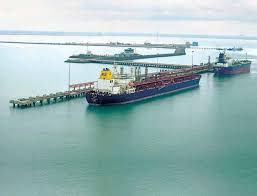
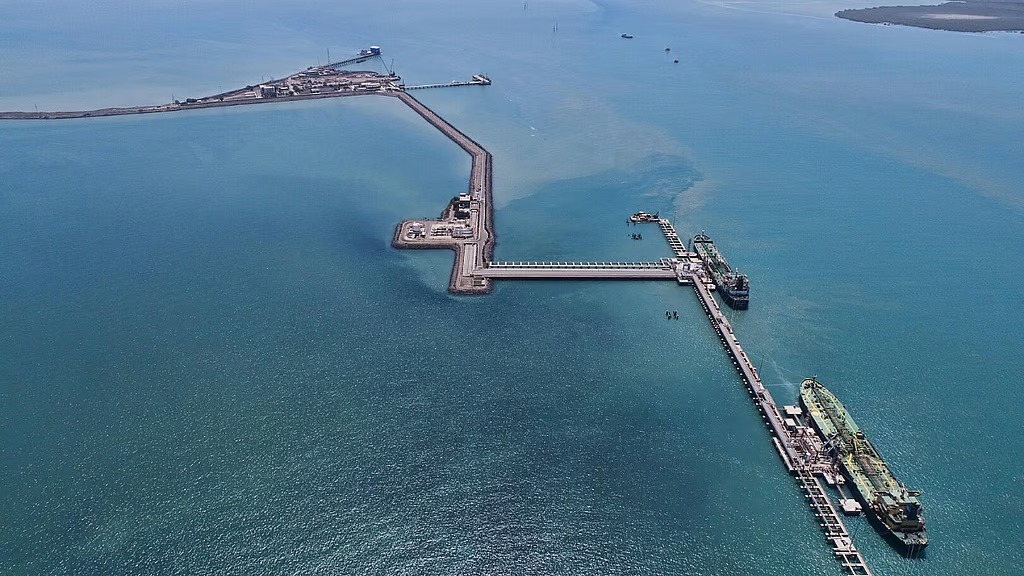
Tanker with Russian oil for sanctions-hit Nayara Energy’s Vadinar Port diverts to Mundra Port
MUNDRA : An oil tanker carrying Russian Urals crude has been diverted away from the EU-sanctioned Nayara Energy’s Vadinar Port in India to unload its cargo at the Port of Mundra, according to shipping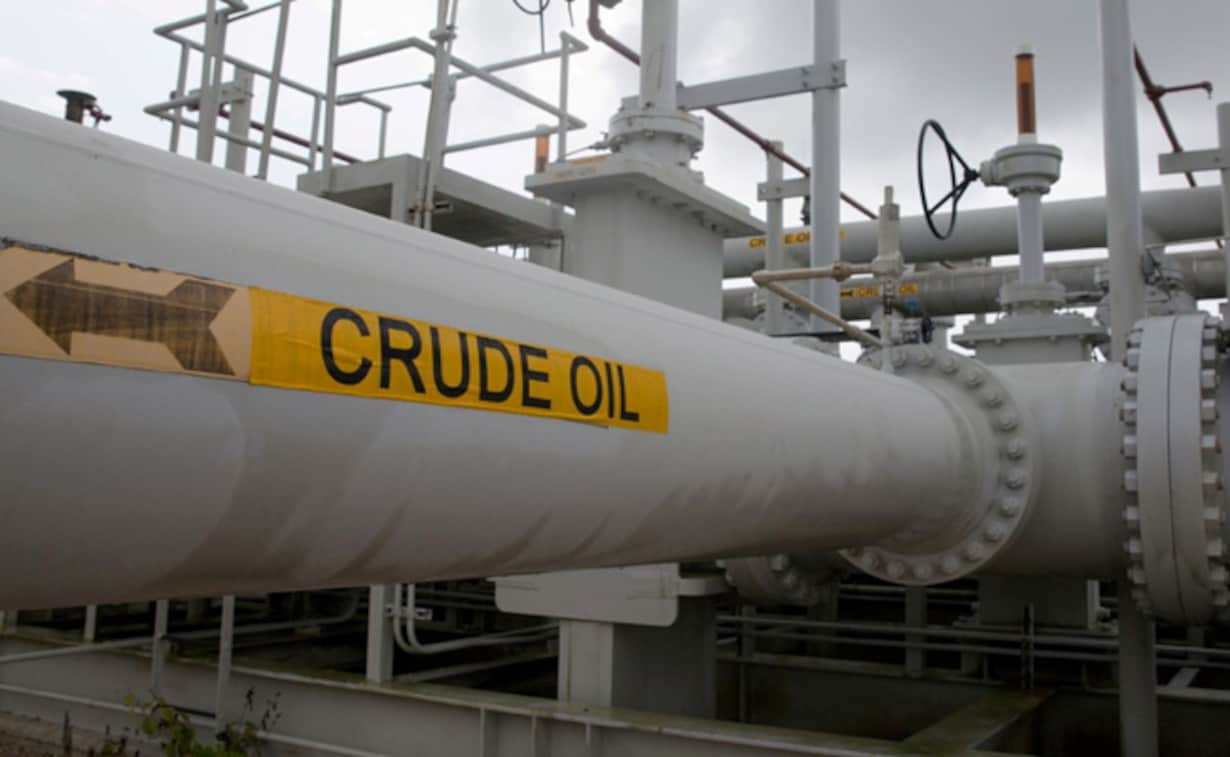
EU curbs on Russian oil could impact India’s $15 billion fuel exports
NEW DELHI : India‘s petroleum product exports worth USD 15 billion to the European Union (EU) may be at risk as Brussels moves to restrict imports of Russian crude oil refined in third countries,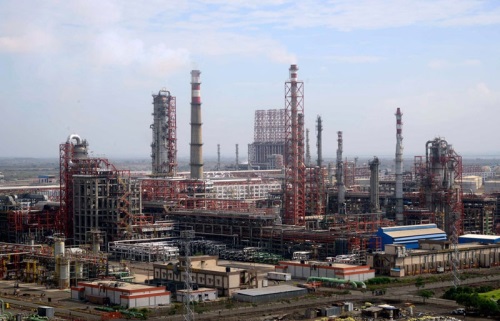
India critisizes EU’s Russia sanctions targeting Gujarat’s Vadinar Refinery : MEA
NEW DELHI : India on Friday said it does not subscribe to any unilateral sanctions and called for ending double standards in energy trade after the European Union (EU) unveiled new punitive measures targeting
Reshaping Global Lubricant Supply Chains: Trump-Era Tariffs driving industry pivot toward Asia
SINGAPORE : With the global lubricants industry still adjusting to the lasting impact of U.S. trade policy enacted during the first presidential term of U.S. President Donald Trump, supply chains are undergoing dramatic shifts—and
ClassNK releases ‘FAQs on the FuelEU Maritime (4th Edition)’
TOKYO : ClassNK has released ‘FAQs on the FuelEU Maritime (4th Edition)’. It can serve as a helpful guide for stakeholders in the shipping sector when considering measures to comply with environmental regulations. FuelEU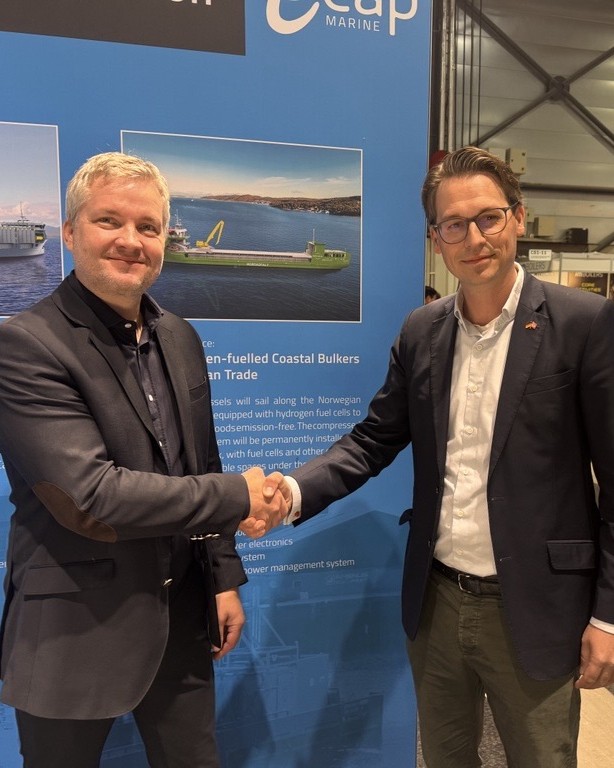
eCap Marine to provide hydrogen power solutions to Samskip and Møre Sjø vessels
HAMBURG : This year’s Nor-Shipping maritime trade fair, held in Oslo, proved to be a huge success for eCap Marine, a leading provider of engineering and integration services for emission-free power generation systems. The
Oil bunker costs to double by 2035 on IMO rules, says Wartsila
NEW YORK : Oil-based bunker costs will double over the next decade due to the International Maritime Organization’s upcoming regulation on greenhouse gas emissions, Finland-based Wartsila’s CEO Hakan Agnevall told Platts while laying out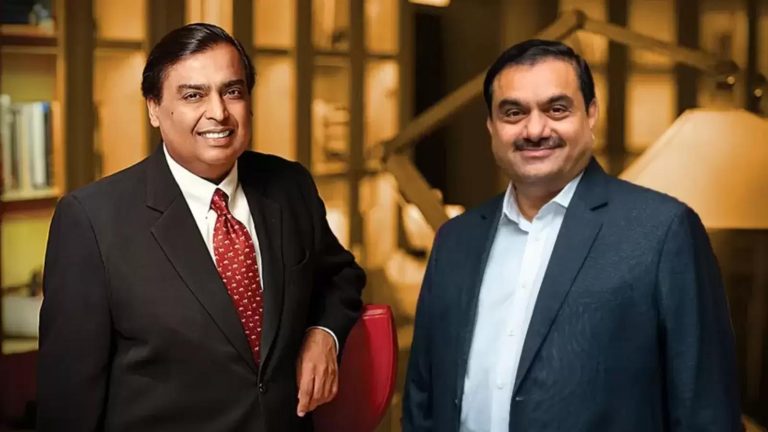
Ambani partners with Adani to use each other’s fuel networks
MUMBAI/AHMEDABAD : Billionaires Mukesh Ambani and Gautam Adani have joined hands to sell transportation fuels using their respective groups’ retail stations across India. Reliance Industries’s Jio-bp venture will set up gasoline and diesel dispensers