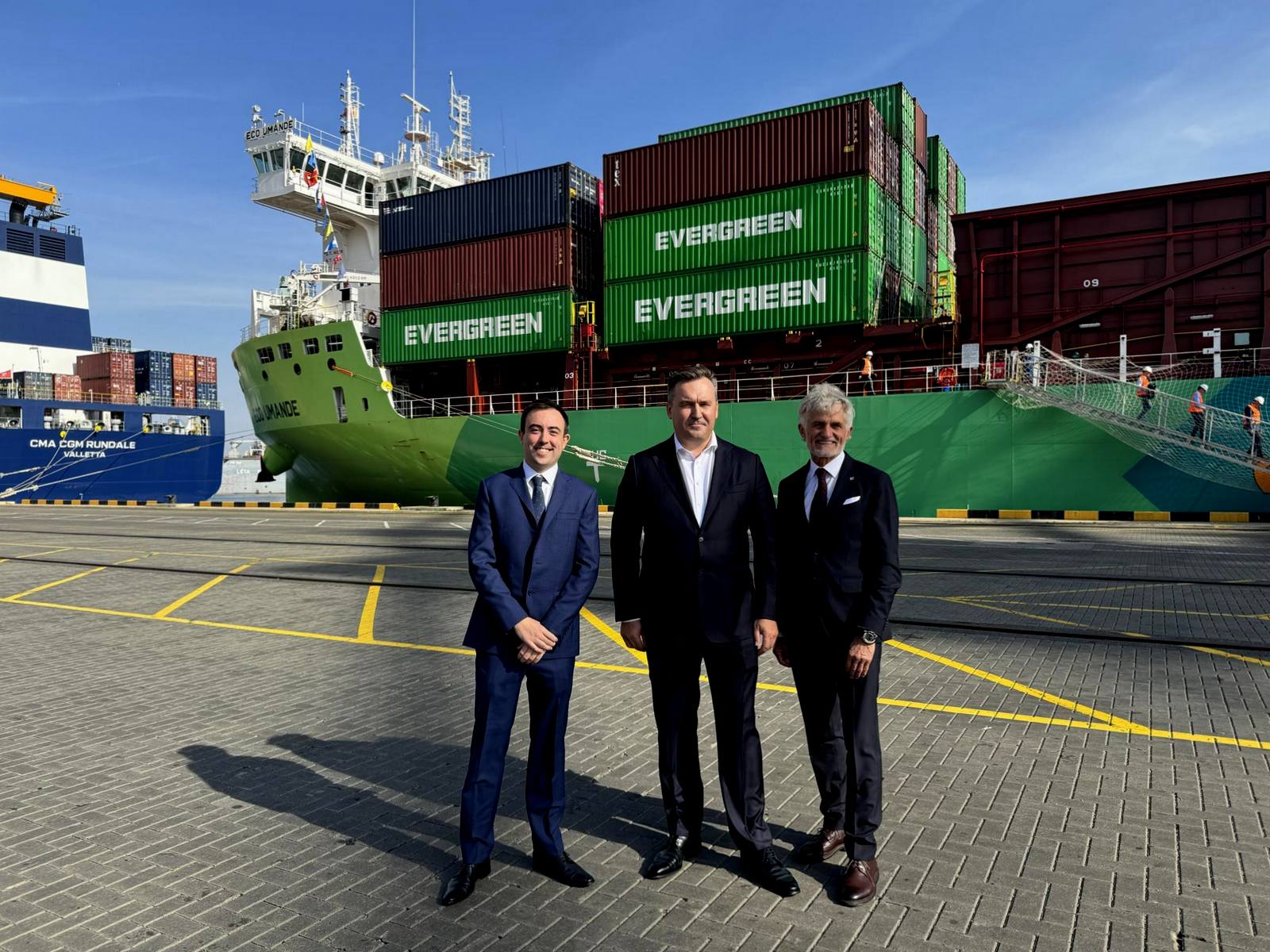
Port of Klaipėda begins A New Era of Sustainable Shipping: The First Green Shipping Route launched
KLAIPEDA : The Port of Klaipėda is one of the most advanced and active European seaports in environmental protection. This is evidenced by the decision of Singapore‘s shipping company X-Press Feeders to include the
NorthStandard reduces bunker quality risk with launch of Fuel Insights platform in partnership with VPS
OSLO : Newcastle-upon-Tyne, UK : NorthStandard has launched ‘Fuel Insights’ – an exclusive real-time marine fuel intelligence service for members in partnership with Veritas Petroleum Services (VPS). Powered by VPS, the Fuel Insights digital
Lloyd’s Register partners on fuel cell and CCS study to support emissions reduction
LONDON : Lloyd’s Register’s (LR) business advisory team is partnering with energy companies ROTOBOOST and Amogy on a fuel cell and pre-combustion Carbon Capture Storage System (CCS) study to assess opportunities for emissions reduction. The joint development
ClassNK releases report ‘ClassNK Alternative Fuels Insight (Version 2.0)’
TOKYO : ClassNK has updated its report ‘ClassNK Alternative Fuels Insight’ initially released in May 2024, to Version 2.0. This update includes the latest information on alternative fuel ships, including orders and deliveries, demand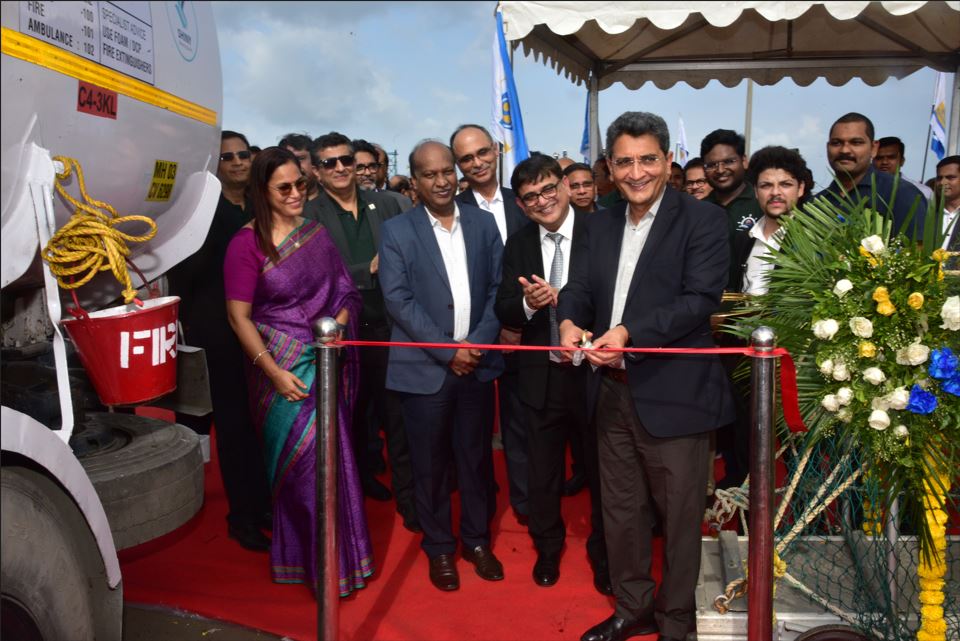
BPCL unveils India’s first Biofuel Blend HFHSD Bunker at Mumbai Port
MUMBAI : Bharat Petroleum Corporation Limited (BPCL) has set a new benchmark in the Indian maritime industry by launching first biofuel blend High Flash High Speed Diesel (HFHSD) bunker by an OMC at Mumbai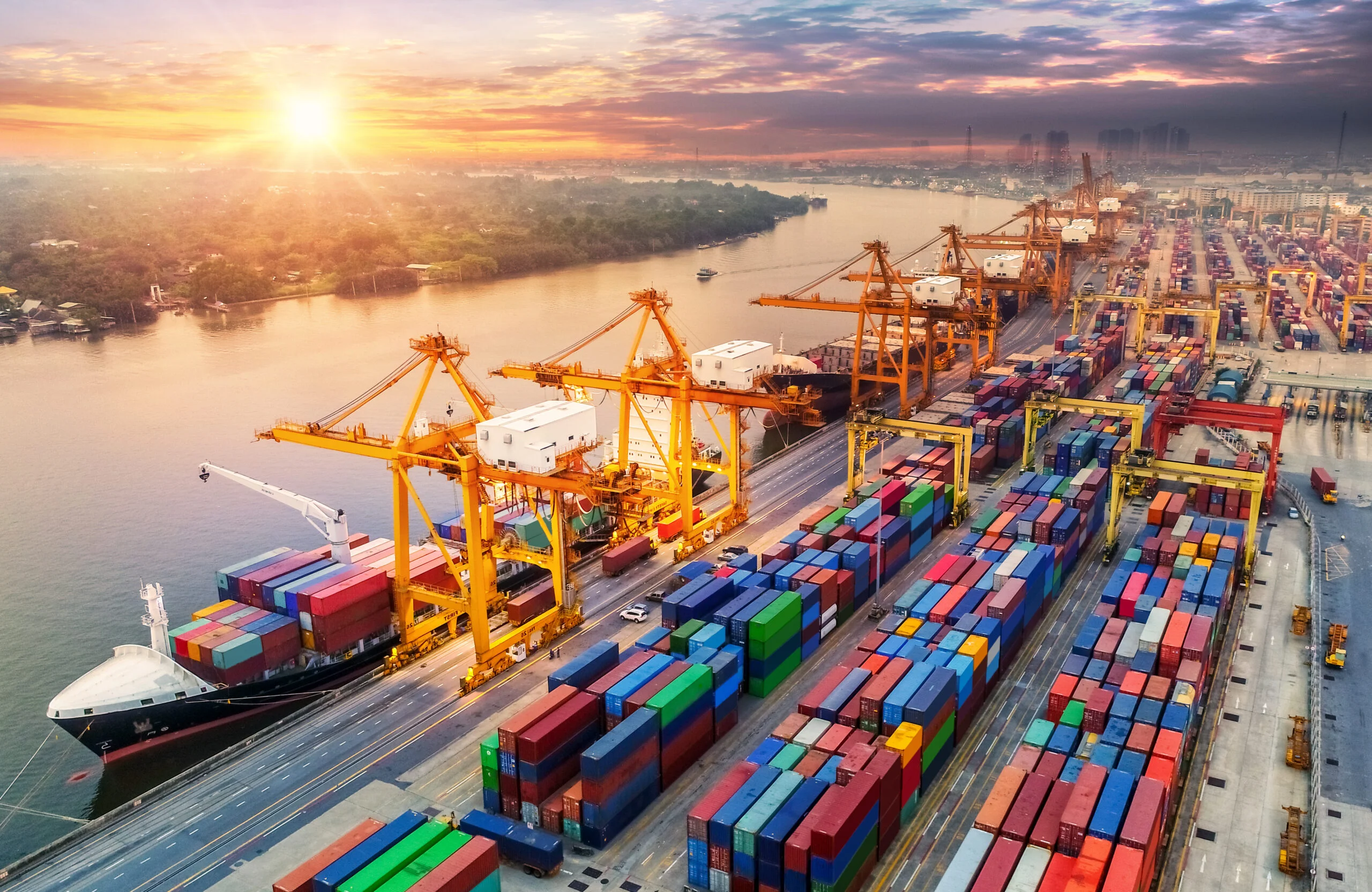
Indian Ports see Jan-July bunker, STS calls up 64% on year, monsoon hits July demand: S&P Global Commodity Insights
BENGALURU : Bunkering activity in India has experienced significant growth during the first seven months of 2024, with the total number of bunkering and ship-to-ship (STS) calls to Indian ports increasing by 64% year
Container xChange Customer Advisory-Essential measures for minimizing disruption amid Ningbo Port closure
BRISBANE : Container xChange, an online container trading and leasing marketplace, is alerting the global container trading and leasing community to the serious repercussions of the recent explosion aboard the Yang Ming vessel YM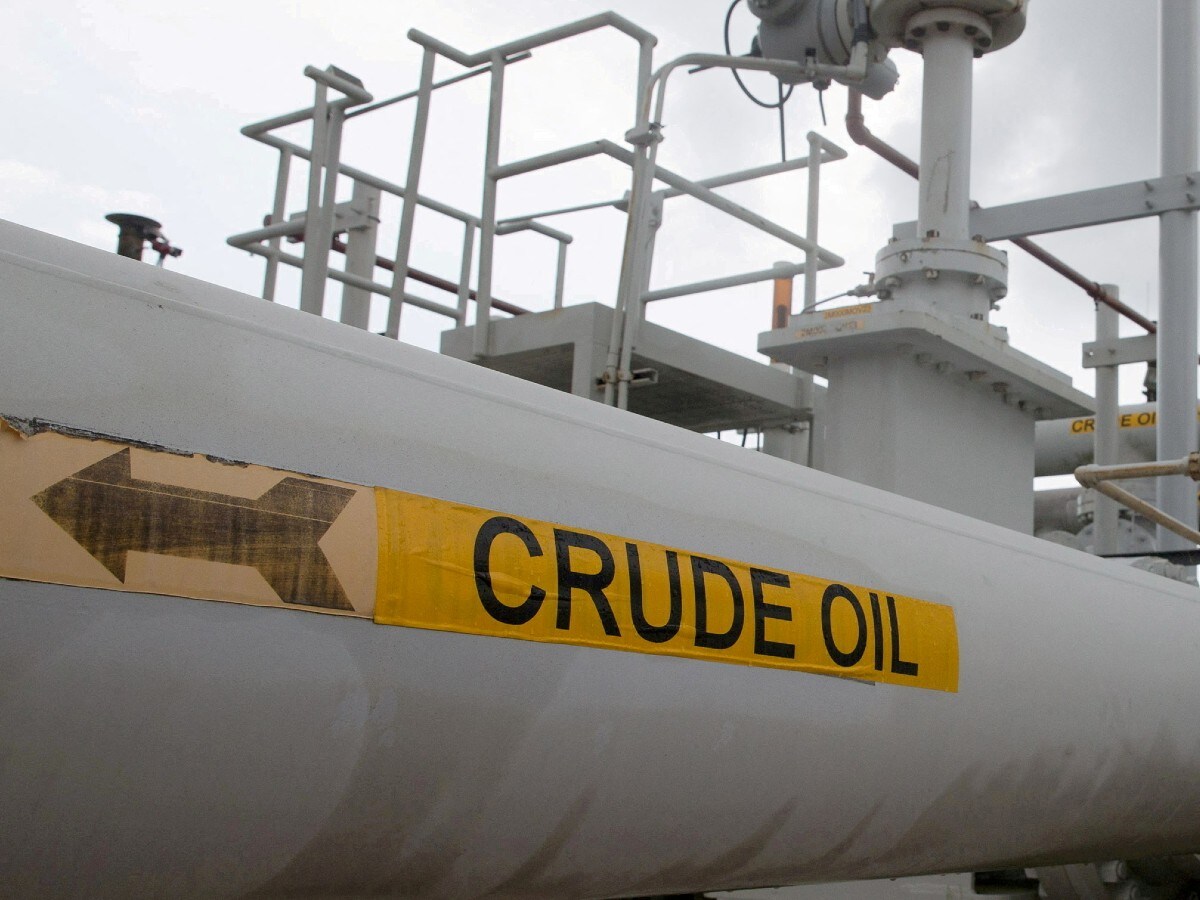
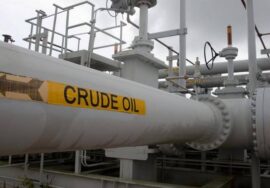
India’s crude oil imports from Russia surge 1000%
NEW DELHI : India now sources 40% of its crude oil imports from Russia, with year-to-date volumes averaging 1.6 million barrels per day (mbpd), according to BIMCO. This marks a staggering 1000% increase compared to