
Rs 2,360 Crore, 32 Km Highway To Vadhavan Port Will Cost Palghar Over 72,000 Trees and 611 Homes: Reports
MUMBAI : A proposed highway connecting Varor village to Tawa village in Palghar district, designed to provide high-speed access to the upcoming Vadhavan Port, will require the felling of 72,790 trees, the filling up of 21 ponds and 209 wells and borewells, and the demolition of 611 structures, the Hindustan Times reported.

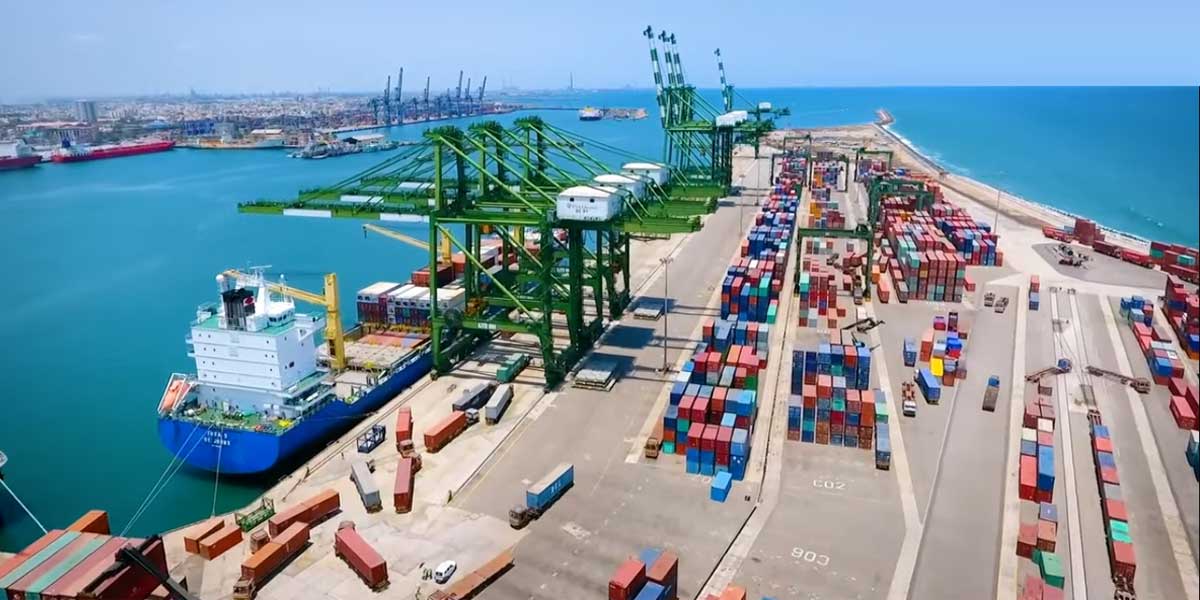
The port is being jointly developed by the Jawaharlal Nehru Port Authority (JNPA) and the Maharashtra Maritime Board. The highway will cut through Dahanu and Palghar talukas, affecting over two dozen villages.
In Palghar taluka alone, 573 houses and other structures are set to be razed, while more than 54,000 trees, including forest trees, palms and fruit-bearing varieties, will be axed.
Twenty ponds and 182 borewells will also be lost. The state earmarked Rs 197.07 crore in compensation.
In Dahanu taluka, land belonging to 5,214 individuals spanning 244.18 hectares will be acquired, with another 38 structures facing demolition and over 18,000 trees marked for removal.
The Hindustan Times reported, citing a JNPA document, that the 120-metre-wide highway will need 177.56 hectares of forest land, 52.16 hectares of government land and 454.54 hectares of private land.
NHAI has awarded the first phase, a four-lane expressway expandable to eight lanes, to J Kumar Infraprojects Limited and Shinde Developers Pvt Ltd for Rs 2,360 crore.
The expressway will link the Delhi-Mumbai Expressway and NH 48.
Green activists have opposed the project. “The project is unnecessary since there are existing toll roads connecting Vadhavan Port to the Western Express Highway and the proposed Delhi-Mumbai expressway,” said Debi Goenka, adding that it was never part of the Vadhavan project’s Environmental Impact Assessment and that “the destruction of more than 75,000 trees is also not acceptable.”
Environmentalist D Stalin of Vanashakti warned that “the Mumbai Metropolitan Region will resemble a desert in the next seven years” and that “Palghar, a district with tribals, farmers, fishermen and vibrant natural ecosystems, will become history.”
Source : Swarajya