
States flag facility and testing gaps at Board of Trade Meeting
NEW DELHI : IT’S not just high US tariffs that are hurting exports. Costlier raw materials, shortage of testing facilities to ensure products meet global quality standards, and lack of adequate shipping containers are all leading to loss of competitiveness of goods exports, Union Commerce and Industry Ministry said in response to an Right to Information (RTI) application.

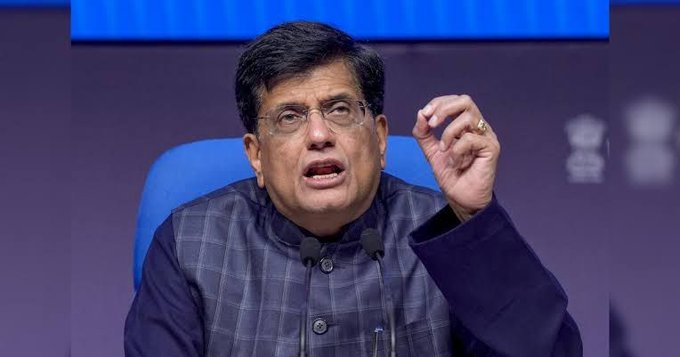
These challenges were flagged by exporters in a meeting of the Board of Trade chaired by Union Commerce and Industry Minister Shri Piyush Goyal on November 25. The BoT is an advisory body and suggests measures related to foreign trade policy and procedural simplifications to boost trade. The Indian Express had sought the details of the BoT meeting in its RTI application.
The BoT meeting happened in the backdrop of slowing exports due to the steep US tariffs of 50 per cent, and both countries failing to conclude a trade deal till the fall of 2025. India was one of the first countries to initiate trade talks with the US when Prime Minister Shri Narendra Modi visited Washington in February last year.
The steep US tariffs, which came into effect on August 27, 2025, have dampened exports, and have triggered cancellations in orders and delayed payment. There are also worries that these could result in orders moving to its competitors such as Bangladesh, Vietnam and China.
Exports dipped in October, but jumped 19 per cent in November driven by growth in exports of products that remain outside the tariff net. Labour-intensive goods, however, risk losing market share as shipments of garments, footwear and other products are being replaced. New Delhi is aggressively pushing for newer markets and has signed as many as three free trade agreements, with Oman, New Zealand and the UK, in 2025.
Tariff & anti-dumping duty imposed by US
As per the minutes of the BoT meeting, Rajasthan said US tariffs have resulted in the “cancellation of orders” in the gems and jewellery sector and that “payments were also not coming”. The Spices Board said that “US tariffs had created a crisis with a 50 per cent duty on oleoresin”. Oleoresins help manufacturers achieve flavour and aroma in their final products.
Even as US tariffs have left out generic drugs, representatives from Goa flagged that “pharma exports had been affected due to tariffs. The Seafood Exporters Association also flagged a “significant drop in exports” to the US.
While the representative from Tirupur Exporters Association (TEA) stated that the government should subsidise the difference in the US tariffs on India and those with its competitors, the Engineering Export Promotion Council of India said that Market Access Initiative was not available for the last nine months and the utilisation of funds under Export Promotion Mission (EMP) would need to be expedited. EMP was announced in the Budget last year, with the Commerce and Industry Ministry announcing the modalities of the scheme only on December 31, 2025.
Beyond US tariffs, representatives also broached concerns over anti-dumping duties imposed by the US. Gujarat’s representative expressed apprehension of an impact on exports due to the imposition of anti-dumping duty by the US. The Spices Board also raised concerns due to “anti-dumping and Countervailing Duties (CVDs)”.
While the US has initiated most anti-dumping investigations against China, it has launched as many as nine probes on industrial items exported from India since July last year, including products such as hexamine, oleoresin paprika, certain freight rail couplers, and overhead door counterbalance torsion springs.