UK Chamber joins forces on a long-term plan to decarbonise shipping
LONDON : The UK Chamber of Shipping and seven other maritime trade bodies have written to maritime minister Mike Kane to call for a successor to the Clean Maritime Plan to be an early
ITOCHU, Nihon Shipyard, ClassNK and MPA, signed MOU for joint study of ammonia fueled bulk carriers
TOKYO : ITOCHU Corporation, ClassNK, Nihon Shipyard Co., Ltd., and Maritime and Port Authority of Singapore (MPA) have signed a Memorandum of Understanding (MoU) regarding a joint study for the design and safety specifications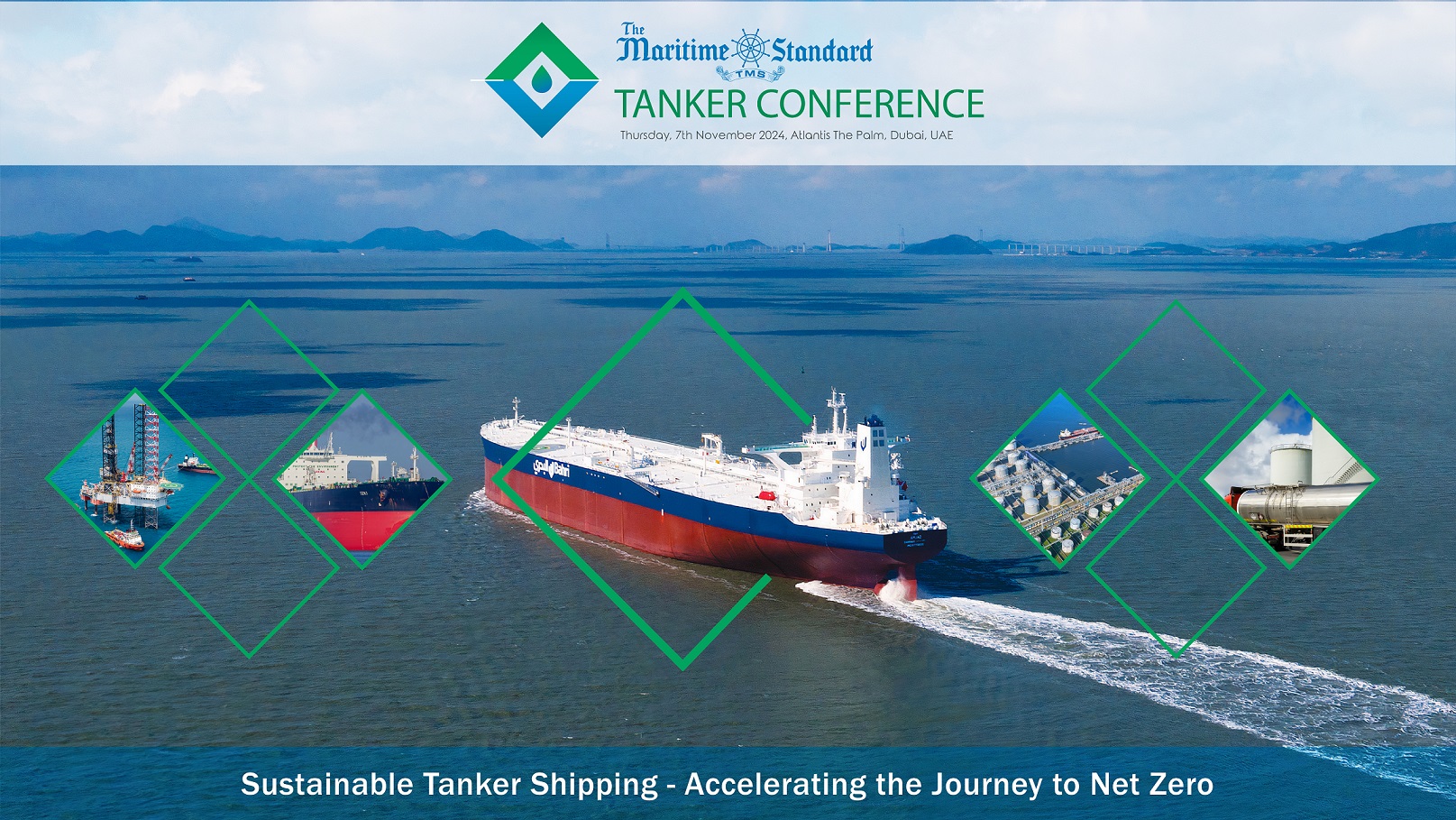
Session 1 of TMS Tanker conference taking shape
DUBAI : The 9th annual The Maritime Standard Tanker Conference will be held on Thursday November 7th at the prestigious Atlantis, the Palm, Dubai. The theme of this year’s conference is Sustainable tanker shipping: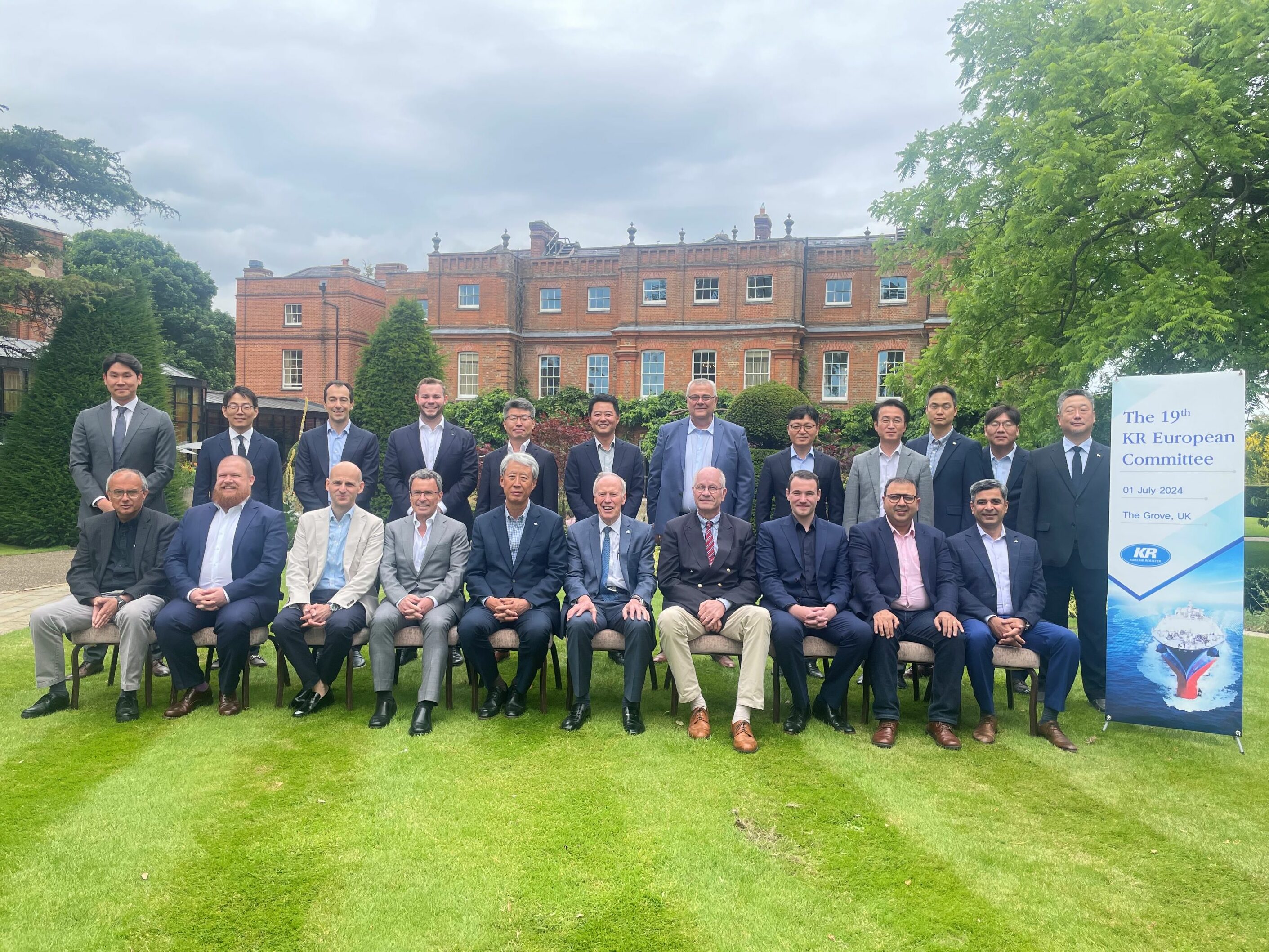
KR Hosts 19th European Committee Meeting in London, Highlighting Decarbonization and Digitalization Advances
LONDON : KR held the 19th KR European Committee (KREC) meeting in London, UK, on July 1st. The KREC, established in 2004, includes members from major international maritime organizations and key European KR customers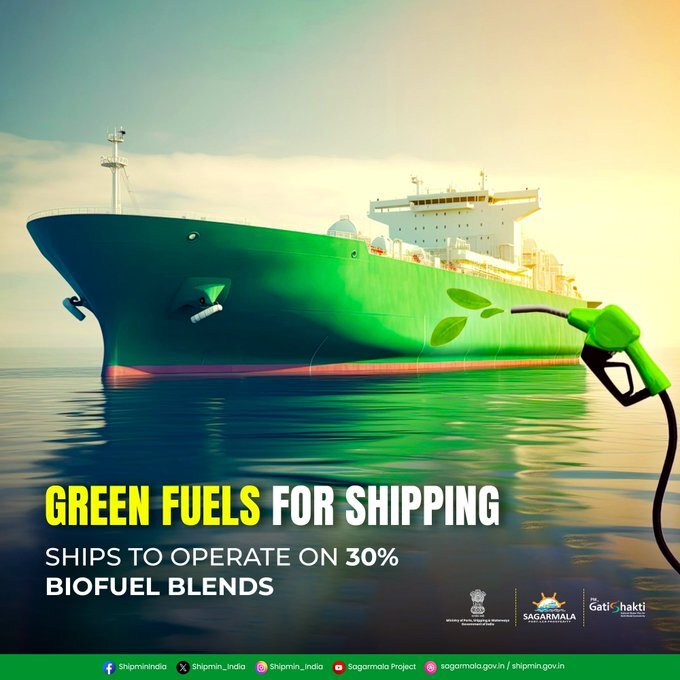
India’s permission to use 30% biofuel blends on Indian vessels to accelarate decarbonisation in shipping industry
NEW DELHI : India has a permitted usage of 30% biofuel blends onboard Indian vessels, for reduction in greenhouse gas emissions from ships & other air pollutants such as Sulphur Oxides. This will accelarate
ClassNK releases ‘FAQs on the FuelEU Maritime (2nd Edition)’
TOKYO : ClassNK has released ‘FAQs on the FuelEU Maritime (2nd Edition)’. FuelEU Maritime, an EU regulation aimed at promoting the decarbonization of fuels used on board ships, has entered into force and will
UMAS evolves to better serve the shipping sector’s decarbonisation needs
LONDON : UMAS, formerly a close collaboration between the UCL Energy Institute shipping research group and UMAS International Ltd, is to take on a new configuration to better serve the shipping sector’s needs, as
Decarbonisation of shipping could create up to four million green jobs
COPENHAGEN : The Global Maritime Forum has revealed the immense economic potential presented by the decarbonisation of shipping. New analysis, commissioned by the Global Maritime Forum and conducted by Arup, projects that the maritime