
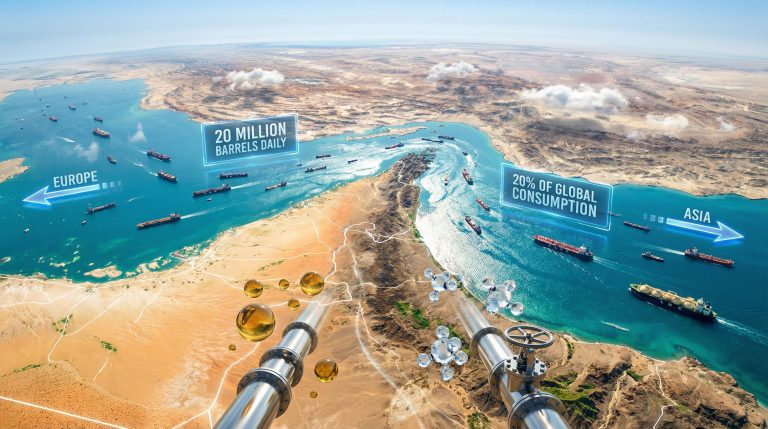
Three reasons ships are not going through the Strait of Hormuz yet
When President Donald Trump announced the US deal with Iran on Sunday and declared the “opening” of the Strait of Hormuz, his Truth Social post ended with the words “Ships of the World, start your engines. Let the oil flow!”
BBC Verify analysis of MarineTraffic ship-tracking data, however, shows that just seven vessels appear to have passed through the critical waterway since the deal was announced and as many as 580 ships appear to be waiting in the Gulf.
Tehran effectively closed the Strait of Hormuz, through which about a fifth of the world’s oil and gas supplies are usually transported, following US and Israeli strikes on 28 February.
Experts say there are significant obstacles preventing traffic from returning to the levels seen before the conflict began – security, mines and tolls.
Ship-tracking data from MarineTraffic on Tuesday shows there are more than 250 tankers and more than 330 cargo ships inside the Gulf.
About 75% of the tankers are stationary, the data suggests. Satellite imagery shows that many are gathered near major oil export terminals in Saudi Arabia, Iraq and the UAE.
The total number of vessels in the area is likely to be higher as many ships are not broadcasting their location and do not appear in MarineTraffic’s data.
“The first thing we would probably see when traffic picks up through the strait is an exodus of the vessels that are trapped inside the Gulf,” said Naveen Das, senior oil analyst at trade analytics firm Kpler.
Source : BBC