


- Will Exporters Have to Rush to New Delhi to Correct Minor Errors?
- Exporters Await Clarity on DGFT Software, Regional Offices and Grievance Redressal
- Exporters Seek Clarity on Online Corrections and Centralised Processing
NEW DELHI: India’s exporters could face additional administrative challenges if minor documentation errors under the Directorate General of Foreign Trade’s (DGFT) evolving digital systems require physical intervention at its headquarters in New Delhi. The concern assumes particular significance for exporters operating from distant commercial centres, including Gujarat, Maharashtra, West Bengal, Tamil Nadu and other major exporting states.
With exporters increasingly relying on digital platforms for licences, authorisations and trade-related documentation, the ease of correcting errors has become an important part of the country’s broader trade-facilitation agenda.
The central issue is whether the new system will allow exporters to resolve routine mistakes online or whether certain applications will require centralised processing and personal visits to New Delhi.
Important clarification: The precise software rollout, the categories of errors requiring physical visits, and whether such visits will be mandatory have not been independently established in the material reviewed for this article. The headline therefore reflects a concern requiring official clarification, rather than a confirmed blanket DGFT requirement.
Centralised Processing Raises Questions About Accessibility
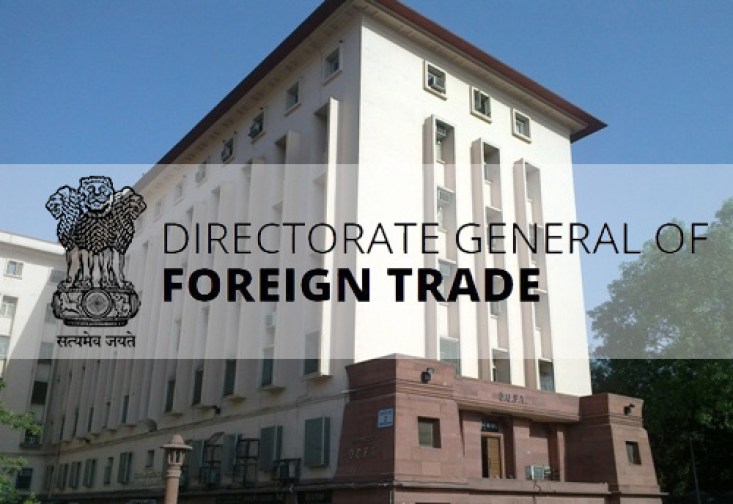
A recent report said the government is setting up a Central Processing Department (CPD) within DGFT to handle trade-related applications centrally. The department is expected to be located in New Delhi’s central licensing area.
The development raises questions about how the centralised processing arrangement will operate alongside DGFT’s regional offices and online services.
For exporters based outside the national capital, the practical implications will depend on the department’s jurisdiction, the types of applications assigned to it, and the procedures available for correcting errors.
If minor discrepancies in applications can be rectified through online submissions, digital communication or authorised regional offices, the burden on exporters could remain limited.
However, if physical attendance becomes necessary for routine corrections, businesses may face additional travel costs, administrative delays and disruptions to their export operations.
Why Even a Small Documentation Error Matters
Export documentation involves several interconnected processes, including regulatory authorisations, customs procedures, banking requirements and the submission of supporting records.
A discrepancy in an application may require clarification or correction before the relevant process can proceed. The actual consequences depend on the document involved, the nature of the error and the applicable rules.
For small and medium-sized exporters, repeated administrative follow-ups can be particularly challenging because they may have limited compliance teams and fewer resources to manage regulatory procedures.
A requirement to travel from Ahmedabad, Kolkata, Mumbai, Chennai or another exporting centre to New Delhi could add expenses beyond the cost of correcting the original mistake.
The extent of these costs would depend on the circumstances of each case and whether remote resolution is available.
DGFT’s Digitalisation Drive and the Need for Effective Error Correction
DGFT has been expanding digital facilities to make foreign trade procedures more accessible and efficient.
One recent example is the introduction of an Open API facility for Certificates of Origin through the Trade Connect e-Platform, reported in September 2026. The facility is intended to enable exporters to connect their enterprise resource planning and other business software directly with DGFT’s Certificate of Origin system.
Such initiatives illustrate how digital integration can help reduce manual work and improve the accessibility of trade-related services.
However, digitisation alone does not eliminate administrative difficulties. The ability to correct incorrect entries, amend applications, obtain timely clarification and communicate with the responsible authority is equally important.
A digital system that makes filing easier but leaves exporters without a convenient mechanism for resolving errors could create a different kind of compliance burden.
Small Exporters and MSMEs Could Be Particularly Affected
The issue is especially relevant to micro, small and medium enterprises (MSMEs), first-time exporters and businesses operating without dedicated regulatory teams.
On September 16, 2026, the government announced a relaxation exempting export consignments valued up to ₹3 lakh from the requirement to obtain a Registration-cum-Membership Certificate (RCMC), with the stated objective of easing compliance for small and new exporters.
The measure reflects an ongoing policy emphasis on lowering barriers to international trade participation.
Against this backdrop, exporters will be looking for digital systems that are not only technologically advanced but also accessible to businesses with limited administrative resources.
For smaller companies, the ability to correct a minor error remotely could make a meaningful difference to the time and cost involved in meeting regulatory requirements.
A Need for Clarity Before Full Operationalisation
The transition to a new digital system can involve changes in application workflows, verification processes and the allocation of responsibilities between offices.
For exporters, advance communication about these changes is essential. Clear instructions on the software’s operational date, correction procedures, transitional arrangements and available support channels could help businesses prepare and minimise avoidable disruption.
Industry associations and export promotion organisations could also play a role in communicating procedural changes to their members and bringing recurring implementation difficulties to the attention of the authorities.
Conclusion: Digital Trade Facilitation Must Include Hassle-Free Corrections
India’s exporters need digital systems that make regulatory compliance simpler, more transparent and more accessible, irrespective of where a business is located.
The proposed centralisation of trade-related applications at DGFT’s New Delhi headquarters makes it particularly important to clarify whether routine mistakes can be resolved without physical visits.
The key question for exporters is straightforward: Will a minor documentation error be corrected with a few online steps, or could it require a costly journey to New Delhi?
A clear DGFT clarification on the new software’s correction procedures, regional-office responsibilities and grievance-redressal arrangements would help remove uncertainty and ensure that digitalisation delivers practical benefits to exporters across the country.