Transits through Strait of Hormuz remain limited as Iran-US peace talks fizzle
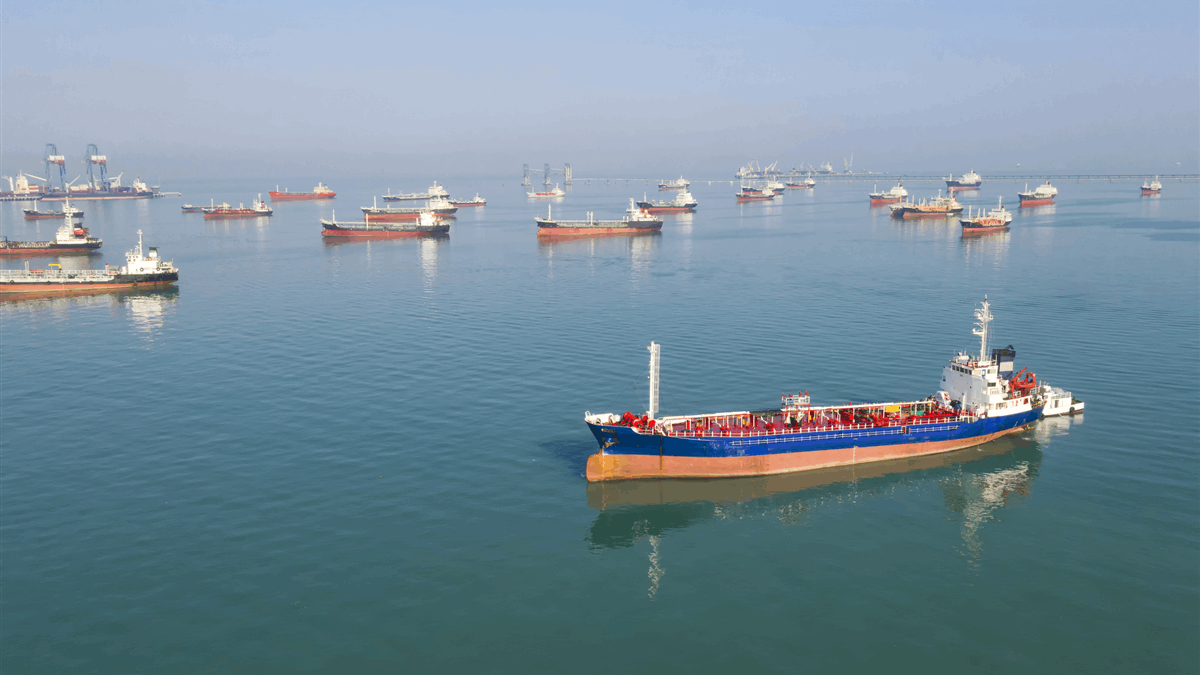
HOUSTON: Traffic through the Strait of Hormuz remains constrained as only 10 vessels transited the waterway over the weekend, fewer than the previous weekend, according to France-based data and analytics firm Kpler.
Kpler said the decrease in transits week on week is reflective of a more restricted operating environment.
“Most activity involved low risk, non-commercial vessels, with only limited commercial participation and a small presence of shadow or sanctioned fleet movements,” Kpler said, adding that all transits used the Iranian route.
Iran has suspended peace talks with the US as a protest against Israel’s attacks on Lebanon, which it said violates terms of the existing ceasefire, according to Iran’s semi-official Fars News Agency.
Meanwhile, the US CENTCOM (Central Command) said it conducted self-defense strikes on Iranian radar and command and control sites for drones in Goruk, Iran, and Qeshm Island over the weekend.
“The measured and deliberate strikes occurred on Saturday and Sunday in response to aggressive Iranian actions that included the shootdown of a US MQ-1 drone that was operating over international waters,” CENTCOM said.
The United Kingdom Maritime Trade Operations (UKMTO), which operates under the UK Royal Navy, warned of a suspected floating mine in the Strait near the Omani coastline, which is causing some concern as some vessels have been transiting the waterway near the Oman coastline.
BACKGROUND
Transits through the Strait have been essentially halted since late February when the US and Israel attacked Iran.
The closure has had significant impact on crude oil and chemical markets as around one-third of global seaborne crude flows and up to 20% of the world’s total oil flows pass through.
Crude oil prices surged on Monday on the news of negotiations being halted.
The closure has had less impact on container shipping as less than 2% of global container capacity passes through the Strait each year but has contributed to higher rates mostly because of surging bunker fuel prices.
Container ships and costs for shipping containers are relevant to the chemical industry because while most chemicals are liquids and are shipped in tankers, container ships transport polymers, such as polyethylene (PE) and polypropylene (PP), which are shipped in pellets. Titanium dioxide (TiO2) is also shipped in containers.
They also transport liquid chemicals in isotanks.