US fails to block world’s first global carbon price, but adoption delayed
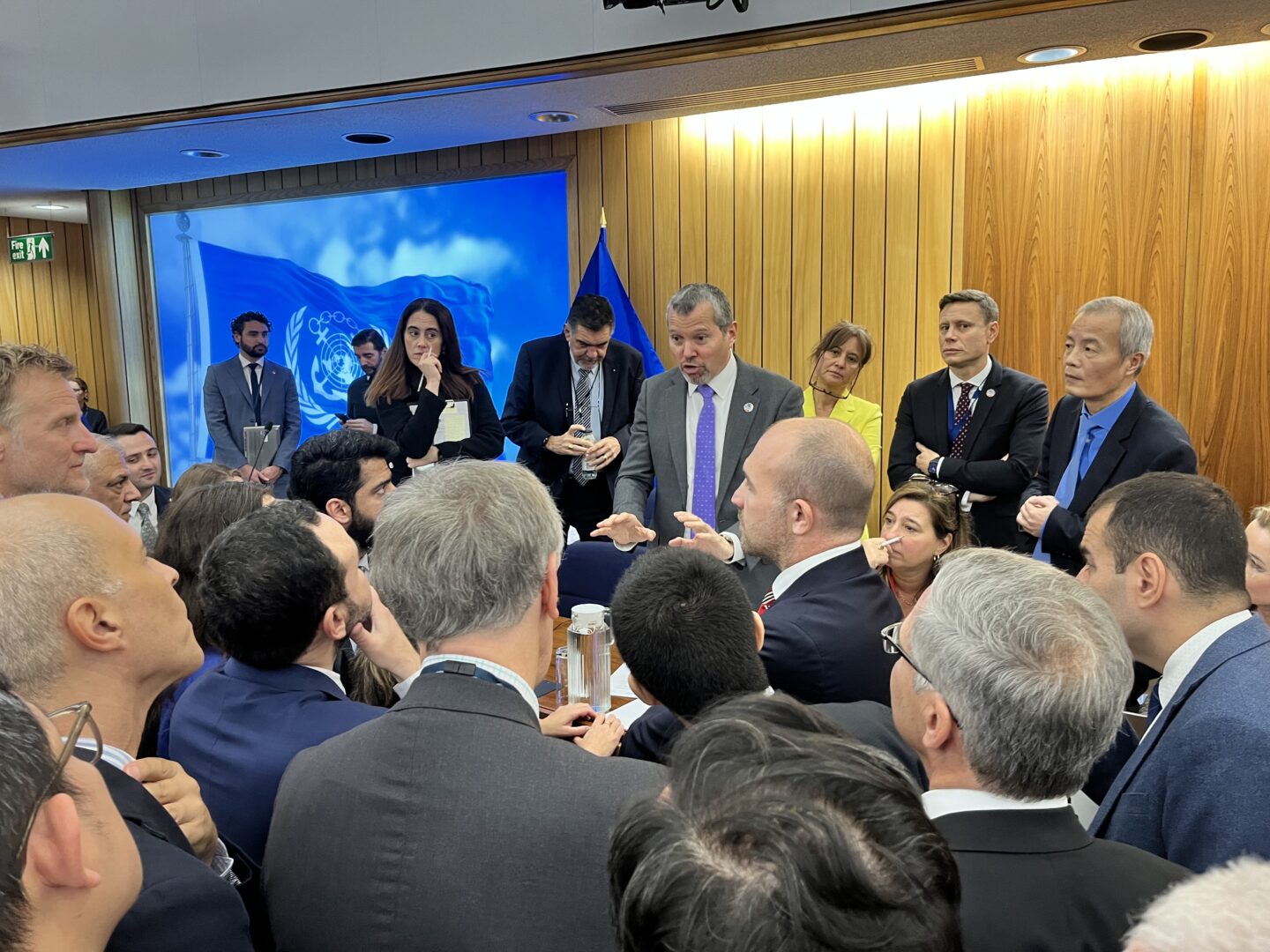
LONDON: The IMO agreed to delay the planned adoption of the Net-Zero Framework for one year in a vote this Friday due to delay tactics and procedural sabotage by the US, Saudi Arabia, Russia and other petrostates at this week’s negotiations. The motion to delay was put forward by Singapore and called to a vote by Saudi Arabia.
A clear majority of countries at the MEPC E.2 supported the adoption of the Framework, which was agreed in principle in a vote in April. In April, 63 countries voted yes (including the EU27, Brazil, China, India, Canada, UK, Korea and Japan) versus a minority opposition from 16 oil-producing states.
In the lead up and throughout the meeting, the Trump Administration threatened retaliatory tariffs and sanctions, especially on developing and most climate-vulnerable states, if they support the Framework. Delegates from many developing countries described this extraordinary pressure on their capitals as “bullying”, “unprecedented”, and “undiplomatic”.
The US and Saudi Arabia also tried to create a delay by proposing to change the IMO’s regular adoption process by consensus to an ‘explicit’ adoption process which would impose additional hurdles to enforce the Framework, especially for many developing countries.
Some delegates believe that putting the talks on hold will give countries more time to find consensus on this flagship climate law. Others fear that the US will further ramp up pressure on developing countries to oppose adoption at a later stage.
Countries voted to delay adoption of the NZF at MEPC E.2 with the following votes:
57 countries in favour of delay
49 countries against the delay
21 abstentions
As the world’s first, the mechanism would require ships to pay fees for non-compliance with gradually increasing carbon intensity targets, expected to generate up to $15 billion per year in finance from 2030.
The IMO is still set to meet again for technical discussions (ISWG-GHG-20) on 20-24 October, to discuss key policy details on design and implementation of the NZF, including green energy incentives and the revenue disbursement.
The original entry into force of the NZF was planned for March 2027. This timeline will now have to be reviewed.
Quotes on the record:
Hon. Ralph Regenvanu, Minister for Climate Change, Energy, Meteorology, Geohazards, Environment and Disaster Management for the Republic of Vanuatu, said: “We came to London in reluctant support of the IMO’s Net-Zero Framework. While it lacks the ambition that climate science demands, it does mark a significant step. We regret that IMO members followed Singapore’s initial proposal to delay the adoption of the framework by 12 months, which Saudi Arabia called to a vote. This is unacceptable given the urgency we face in light of accelerating climate change. Moreover, the ICJ and ITLOS Advisory Opinions have made it crystal clear that taking climate action is not optional. But the IMO’s failure to adopt the framework this week marks a failure of this United Nations agency to act decisively on climate change. This makes the road to Bélem and beyond more difficult. But we know that we have international law on our side and will continue to fight for our people and the planet.”
Alisa Kreynes, Director for Ports & Shipping at C40, said: “The inability to reach an outcome is a missed opportunity to accelerate a just and equitable transition in global shipping. Another chance to scale and invest in clean fuels has been missed, stalling inclusive climate action yet again. Small Island States and the Global South will continue to pay the biggest price for this inaction. The success of global maritime decarbonisation hinges on the sector’s ability to both deliver on equity and to leverage locally-led action. The needs of cities, local port communities, and workers must be taken into account. Despite the failure of multilateral negotiations to adopt the Net-Zero framework, cities continue to demonstrate their leadership as just transition catalysts. They are advancing equitable port decarbonisation, promoting inclusive engagement with local communities, leading with data, and pioneering unprecedented partnerships beyond their traditional powers.”
Full reaction will be published on the C40 website.
Emma Fenton, Senior Diplomacy Director at Opportunity Green, said: “This outcome is a devastating indictment of Member States’ lack of courage to stand in solidarity with climate vulnerable countries to achieve a just and equitable maritime transition. Faced with pressure, too many governments chose political compromise over climate justice, and in doing so, abandoned the countries bearing the brunt of the climate crisis. We now look to ambitious states, including those driving the Global Solidarity Levies Taskforce, to step up, act decisively, and demonstrate the nature of true multilateralism.”
Teresa Bui, Senior Climate Campaign Director, Pacific Environment, said: “Delaying the vote on the International Maritime Organization’s Net Zero Framework is frustrating and a betrayal of the world’s most vulnerable nations. We urge IMO member states to adopt the Framework as soon as possible. The world is watching, and we will not rest until global shipping delivers real cuts in emissions, air pollution, and climate damage.”
Natacha Stamatiou, IMO GHG Lead, Global Shipping, Environmental Defense Fund, said: “Today’s delay in adopting the Net Zero Framework is a missed opportunity — and a setback that risks derailing the timeline countries agreed to under the International Maritime Organization’s 2023 Strategy. Every delay means that innovation will struggle to scale, inequities will deepen, and the transition to clean shipping will become harder and more costly. We know progress is possible when governments act together, now they have the opportunity to prove it. We cannot afford to wait any longer. It is vital that Member States return to the negotiating table and deliver a measure that reflects wise ambition — one that delivers a just, equitable and effective energy transition to secure a cleaner, more equitable future for generations to come.”
Anaïs Rios, Shipping Policy Officer, Seas At Risk, said: “Getting the Net-Zero Framework adopted in this MEPC ES.2, however imperfect, was fundamental for shipping to stay within reach of its own decarbonation targets. Emotions have run high this week at the IMO, with once high-ambitious alliances wavering and strategies eclipsing reason. This isn’t the United States of Shipping — no single flag should dictate the world’s climate course. With countries like Saudi Arabia leading efforts to delay, few expected a postponement to prevail but here we are. What matters now is that countries rise up and come back to the IMO with a louder and more confident yes vote that cannot be silenced. The planet and the future of shipping does not have time to waste.”
Source: Global Strategic Communications Council (GSCC)