

NEW DELHI: In a significant step towards strengthening the technological capabilities and long-term sustainability of Dedicated Freight Corridor (DFC) infrastructure, the Dedicated Freight Corridor Corporation of India Limited (DFCCIL) is exploring opportunities for technical collaboration with Jindal Stainless Limited for the wider application of stainless steel in railway infrastructure.
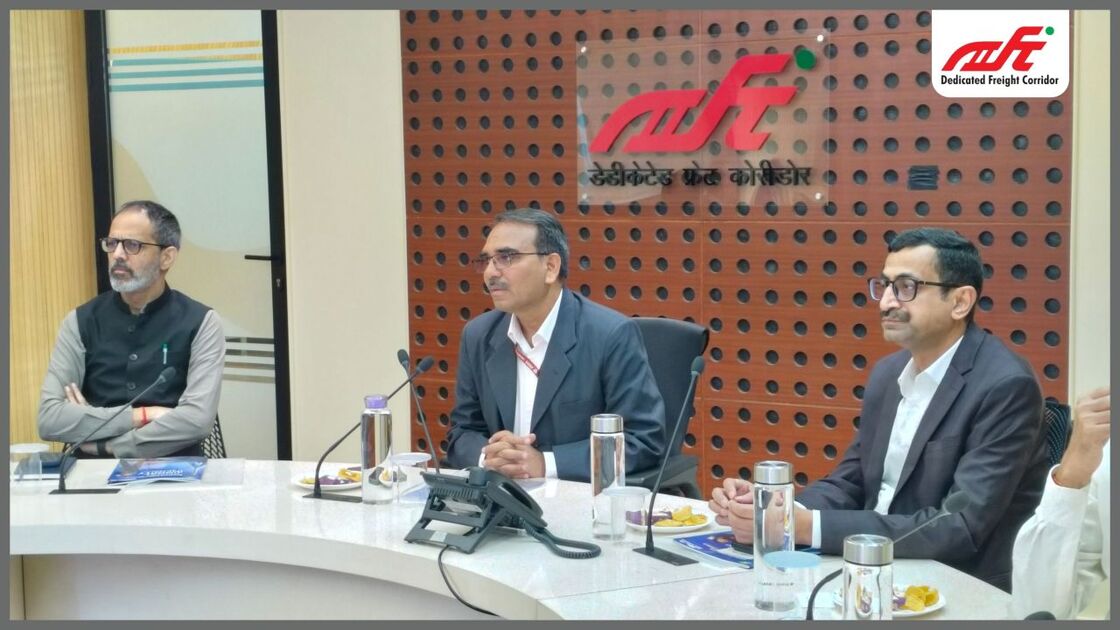
Shri Alok Tiwari, Managing Director, DFCCIL, chaired a meeting with representatives of Jindal Stainless Limited at DFCCIL’s Corporate Office to deliberate on technical knowledge-sharing, material innovation and potential areas of collaboration for incorporating stainless steel in railway infrastructure projects.
During the interaction, Jindal Stainless proposed organising a dedicated technical session for DFCCIL’s engineering team. The proposed session will focus on global developments in stainless steel technology, material selection and design standards, structural performance, durability and life-cycle cost comparisons, along with international case studies demonstrating successful applications of stainless steel in infrastructure projects.
The discussions also provided an opportunity for both organisations to exchange technical expertise and examine the potential use of stainless steel in critical railway infrastructure, particularly railway bridges, Road Over Bridges (ROBs) and other structural components.
A key area of discussion was identifying suitable opportunities for pilot applications in upcoming DFCCIL projects. Such initiatives could help assess the technical and economic feasibility of stainless steel solutions under Indian railway operating conditions while providing valuable insights into their long-term performance and maintenance requirements.
Driving Innovation and Sustainable Infrastructure
The growing emphasis on durable, resilient and sustainable infrastructure has increased the importance of advanced construction materials in the development of modern railway networks. Stainless steel, known for its corrosion resistance, durability and reduced maintenance requirements, offers potential advantages in infrastructure applications, particularly in locations exposed to challenging environmental conditions.
Its application, subject to project-specific engineering assessments and life-cycle cost evaluations, could contribute to enhancing structural longevity, reducing maintenance interventions and improving the overall life-cycle efficiency of railway assets.
For DFCCIL, which is spearheading the development and operation of dedicated freight corridors across India, exploring innovative material solutions is aligned with the broader objective of developing world-class railway infrastructure with enhanced operational reliability and long-term sustainability.
The proposed technical engagement with Jindal Stainless represents an opportunity to leverage industry expertise, evaluate emerging material technologies and identify practical applications that could add value to future infrastructure development.
As India’s dedicated freight corridor network continues to expand, such industry–institution collaborations could play an important role in bringing advanced engineering practices and innovative construction materials into the country’s railway infrastructure ecosystem.