


HAMBURG: The escalating conflict in the Middle East and the blocking of the Strait of Hormuz is set to become a major operational challenge for ship maintenance and safety, and not just for those ships operating in and around the Gulf.
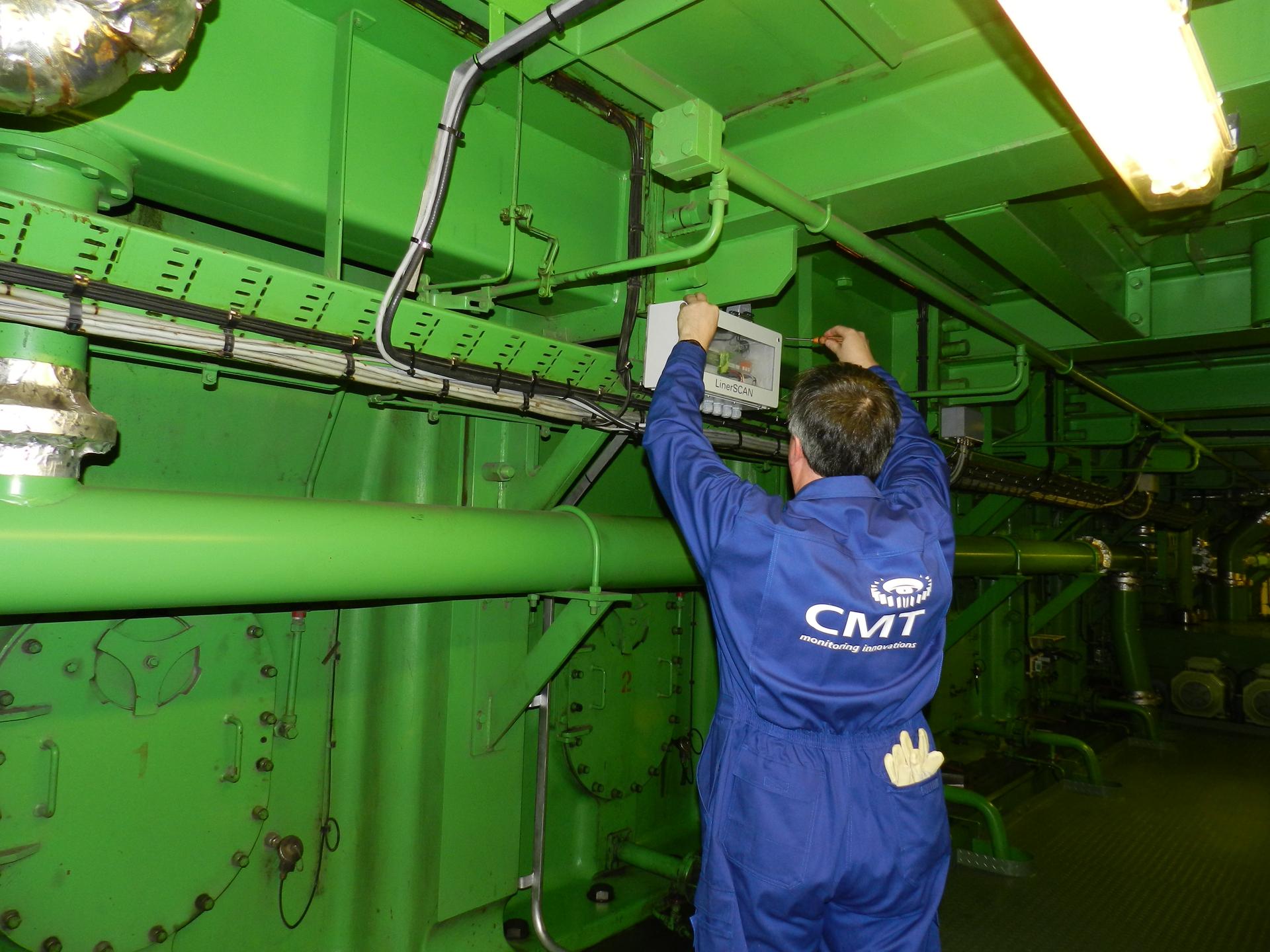
Condition Monitoring Technologies (CMT), a leading provider of engine performance diagnostics and fuel quality testing solutions, is warning that the sharp rise in fuel costs, combined with severe disruption to global transport corridors, will impact the ability of service providers, OEMs, and technical suppliers to support vessels worldwide.
“It’s a double-barrelled hit. The Hormuz chokepoint combined with aviation routes restricted or closed across Russia, Ukraine, and much of the Middle East, is significantly increasing the time and costs getting service agents and equipment to global fleets,” said CMT’s joint Managing Director David Fuhlbrügge.
While the immediate impact of the crisis has been felt through rising bunker prices and war-risk premiums, CMT highlights that secondary effects are now emerging across the maritime technical services ecosystem.
“This is no longer just an energy crisis. What we are seeing is a multi-layered disruption affecting ships outside the warzone. Ships in Europe, Asia and the Americas will struggle to maintain and service equipment and get supplies in time.”
With airspace closures and diversions, the movement of engineers, spare parts, and diagnostic equipment is already becoming increasingly difficult. Airlines have begun cancelling flights and increasing fares as jet fuel prices surge, in some cases doubling within days while air freight costs between Asia and Europe have risen sharply.
“If a service team cannot reach a vessel, or equipment cannot be delivered in time the immediate consequence is not catastrophic failure, but it does affect maintenance cycles, machinery efficiency, operational safety, and, potentially, regulatory compliance,” Fuhlbrügge noted.
In major hubs, there is resilience, authorised partners can step in. But in more remote locations, reduced access to specialist tools, monitoring equipment, and expertise has a real impact. Ship’s can be delayed at port or diverted. It adds to the financial pressure.
“This is a moment where the industry needs to think beyond freight rates and fuel costs,” he said. “The resilience of maintenance ecosystems, the availability of technical support, and the ability to sustain operational.