



LONDON: The use of Track Guidance Assistant for Inland Navigation (TGAIN) systems is growing across Europe’s inland waterways. OCIMF has published guidance to support the safe implementation and operation of TGAIN systems.
While TGAIN technology has the potential to improve steering accuracy, reduce operator workload and enhance fuel efficiency, legislation governing its use will only be active from 1 January 2028, despite reports of near misses and incidents attributed to use of the technology.
OCIMF’s guidance provides practical recommendations for owners, technical operators, equipment manufacturers and crews. It covers system design, installation, training, operating procedures, human factors and cybersecurity. It is intended to support the safe and consistent implementation of TGAIN as adoption continues to grow.
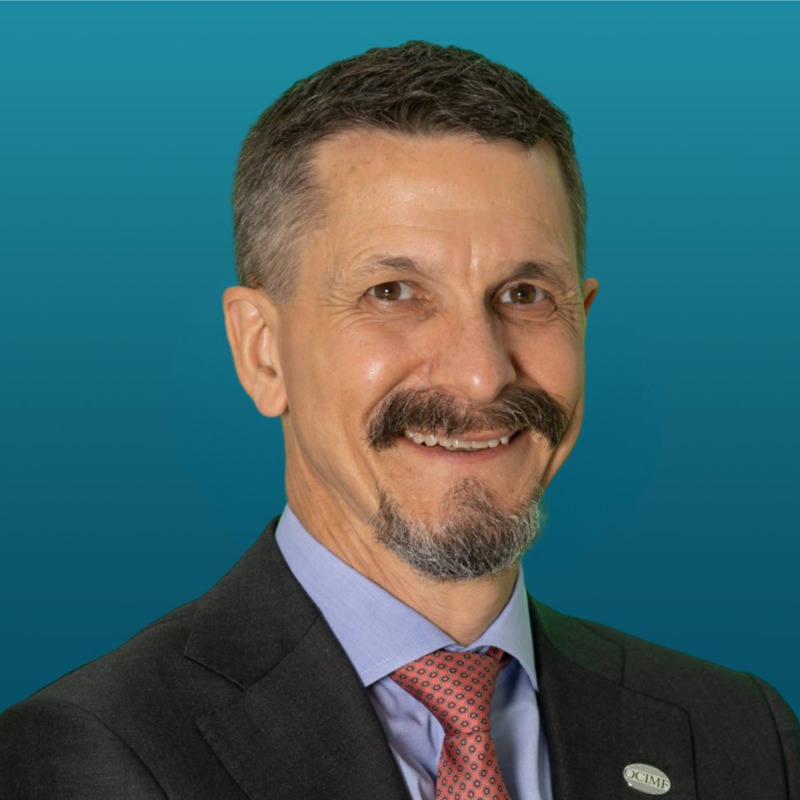
OCIMF’s Publication and Advocacy Director, Darron L. Biddle said: “Track Guidance Assistant for Inland Navigation systems are becoming more common on inland waterways, and they offer real opportunities to support safe navigation. However, deployment of new technology alone is not enough. The system should be introduced with clear procedures, appropriate training and a thorough understanding of its capabilities and limitations.”
“This guidance has been developed to help owners and operators implement TGAIN systems safely and consistently. It brings together practical recommendations that recognise the importance of human factors, ensuring technology supports the boatmaster while maintaining safe navigation,” he added.
TGAIN systems automatically steer a vessel along a predefined track using positioning, heading and rate of turn information, while allowing the boatmaster to focus more closely on the surrounding operating environment. However, the publication makes clear that these systems remain navigation aids and do not replace the judgement, situational awareness or responsibility of the boatmaster.
Reflecting OCIMF’s long-standing focus on human factors, the guidance reinforces that technology should support people rather than replace them. While TGAIN systems can reduce workload, safe navigation continues to depend on the boatmaster’s judgement, situational awareness and readiness to take manual control whenever required.
As technology and regulation develop, OCIMF will review and update the guidance to reflect operational experience and emerging best practice.