


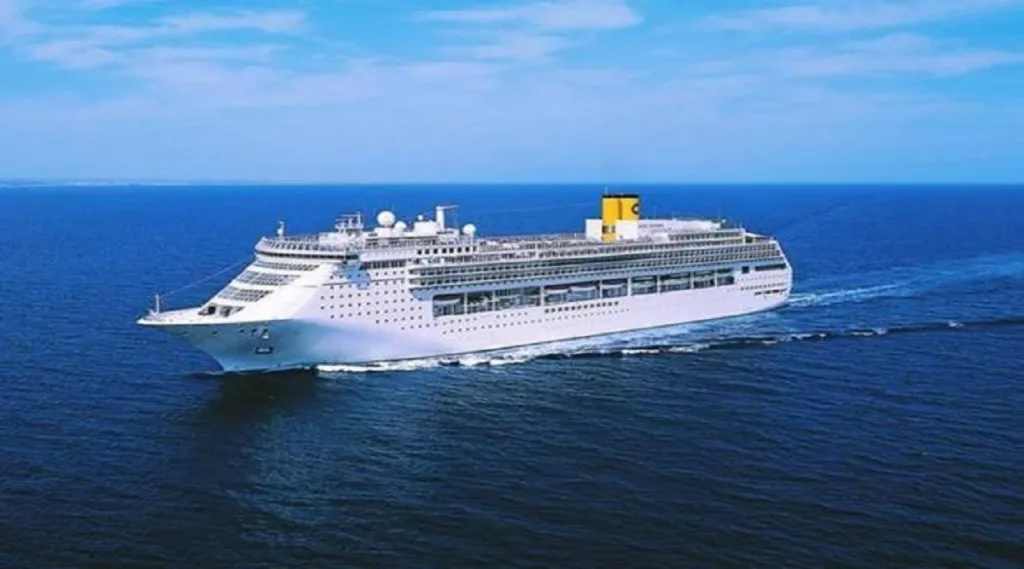
NEW DELHI: India’s Cruise Tourism sector is entering a new phase of expansion, with domestic and international cruise players increasing capacity, introducing new itineraries and strengthening their offerings ahead of the upcoming festive and year-end travel season.
The expansion comes amid growing interest among Indian travellers in experience-led holidays, with cruise travel gaining wider acceptance beyond traditional metropolitan markets. Industry players are responding by deploying additional vessels, introducing new routes and offering a wider range of short and long-duration cruise experiences.
According to Crisil Intelligence, India’s domestic ocean and coastal cruise market expanded at an annual rate of around 8 per cent between FY20 and FY25, reaching approximately ₹830 crore. The market is projected to reach ₹1,820–2,250 crore by FY31, representing an estimated annual growth rate of 20–25 per cent during FY26–FY31.
The growth potential is also reflected in passenger volumes. India recorded 477,676 cruise passengers in 2025, with domestic travellers accounting for about 89 per cent of the total. Passenger numbers increased by more than 10 per cent between 2023 and 2025, while the number of operating vessels increased from 227 in FY23 to 253 in FY24, indicating a gradual strengthening of the cruise ecosystem.
Operators Expand Fleet and Routes
Cordelia Cruises, operated by Waterways Leisure Tourism Ltd, is undertaking a significant capacity expansion. After operating with its existing vessel, MV Empress, the company has entered into time-charter arrangements for two additional vessels, Norwegian Sky and Norwegian Sun, targeted for deployment in FY27 and FY28 respectively.
The additional capacity is expected to support a wider range of itineraries for Indian travellers. Cordelia is also expanding beyond its established domestic network covering destinations such as Mumbai, Goa, Kochi, Lakshadweep, Chennai and Puducherry, with new services planned from Kochi to Colombo and Malé from October 2026.
The company is also looking at potential additions such as Diu, Porbandar and Port Blair, alongside international expansion covering destinations in the Maldives, Indonesia, Australia, the UAE, Oman, Kuwait and Mauritius.
Shorter Itineraries Attract First-Time Cruisers
Travel companies are also reporting increased interest in shorter cruise holidays. Thomas Cook (India) has highlighted demand for 3–7-night itineraries across Southeast Asia and West Asia, particularly among first-time cruise travellers.
The customer base is also broadening, with increasing interest emerging from Tier-II and Tier-III cities, while repeat travellers are exploring longer and more experience-oriented journeys. Luxury Mediterranean cruises and expedition experiences, including Arctic and Antarctic itineraries, are also finding a growing audience among Indian travellers.
Tirun Travel Marketing, which represents international cruise brands in India, has similarly reported interest in shorter sailings from Singapore and other Asian destinations, particularly among families and multigenerational groups. The Mediterranean remains another important destination for Indian cruise travellers during the festive season.
Infrastructure and Policy to Shape the Next Phase
While the outlook for the sector remains positive, industry growth will also depend on the availability of adequate cruise-port infrastructure, connectivity, operational efficiency, fuel costs and wider adoption of cruise holidays among domestic travellers.
Government initiatives are expected to support this expansion. The Cruise Bharat Mission aims to increase cruise passenger traffic through infrastructure development, improved connectivity and policy support. Longer-term maritime development frameworks, including Maritime India Vision 2030 and Maritime Amrit Kaal Vision 2047, also envisage investments in port modernisation, connectivity and digital facilitation.
With additional vessels, new destinations and a broader customer base, India’s cruise sector is gradually developing from a niche travel segment into an emerging component of the country’s wider maritime and tourism economy.