


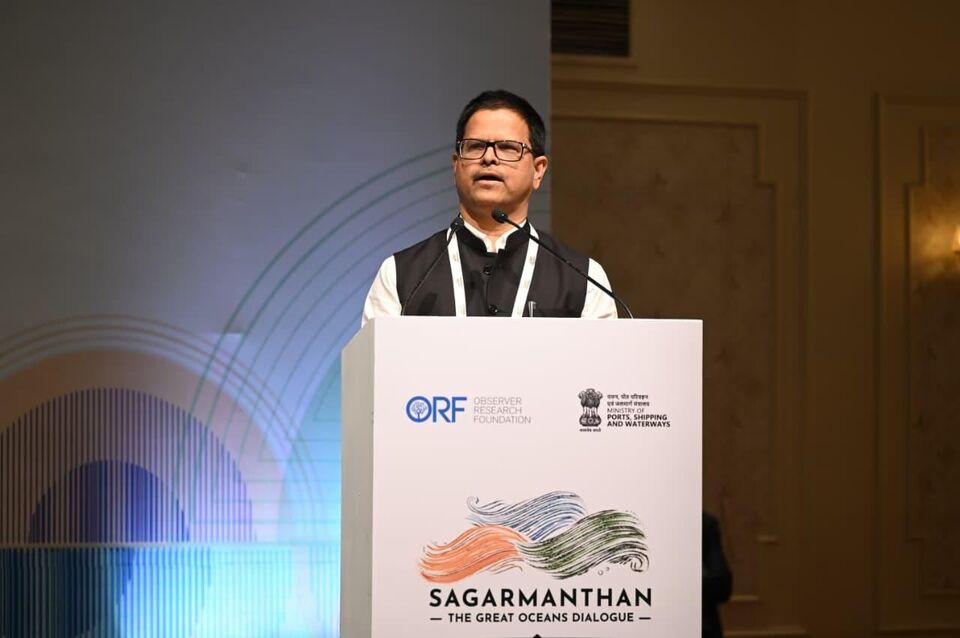
NEW DELHI: Paradip Port Authority (PPA) has reaffirmed its commitment to India’s green maritime ambitions, with its Chairperson, Shri Susanta Kumar Purohit, sharing valuable insights on green shipping corridors, green fuel development and maritime decarbonisation at Sagarmanthan 2026.
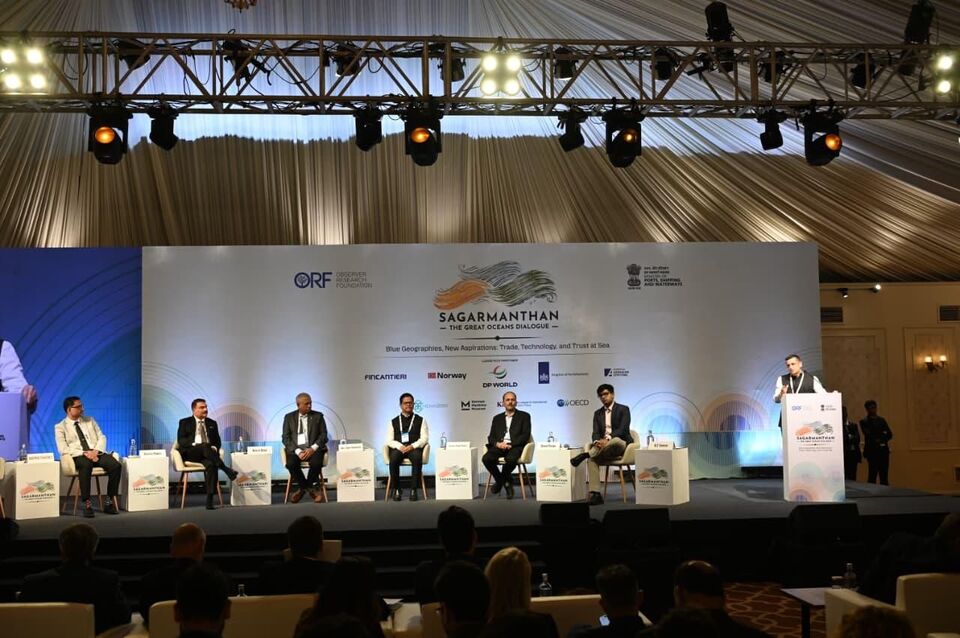
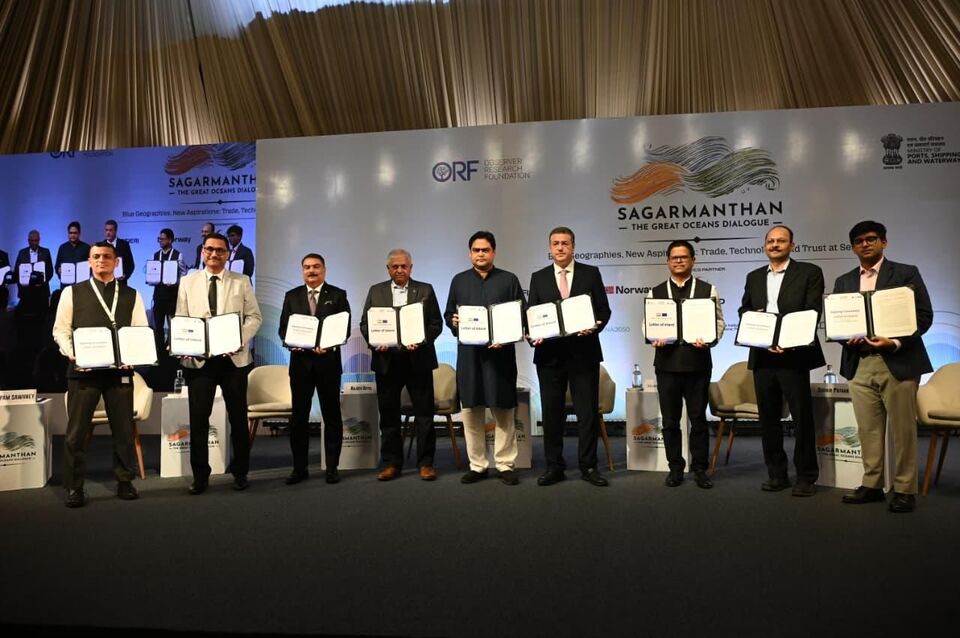
The deliberations focused on the growing importance of sustainable practices and innovative solutions in transforming the maritime sector. Discussions highlighted the need to accelerate the development of green shipping corridors, promote the adoption of cleaner marine fuels and strengthen the infrastructure required to support the transition towards low-carbon shipping.
Green shipping corridors are emerging as an important component of global maritime decarbonisation efforts, bringing together ports, shipping companies, fuel suppliers and other stakeholders to facilitate cleaner maritime operations. Their successful development will require coordinated investments, technological innovation and close collaboration across the maritime value chain.
The discussions at Sagarmanthan 2026 also underscored the significance of advancing green fuel ecosystems to support the shipping industry’s evolving energy requirements. Developing sustainable fuel infrastructure, encouraging the adoption of cleaner technologies and strengthening cooperation among industry stakeholders will be essential to building a more environmentally responsible and resilient maritime sector.
For India, the transition towards greener shipping presents opportunities to modernise port infrastructure, encourage innovation and strengthen the country’s position in the evolving global maritime landscape. Ports will play a crucial role in enabling this transformation by supporting sustainable operations, facilitating cleaner fuel availability and contributing to the development of future-ready maritime infrastructure.
Paradip Port Authority’s Commitment to Sustainable Maritime Growth
Paradip Port Authority continues to support India’s efforts to build a sustainable, efficient and environmentally responsible maritime ecosystem. Its participation in discussions on green shipping corridors, alternative fuels and decarbonisation reflects the importance of bringing together policymakers, port authorities and industry stakeholders to advance shared sustainability objectives.
As the maritime industry moves towards a lower-carbon future, sustained collaboration, investment in green technologies and the development of enabling infrastructure will remain critical to achieving long-term decarbonisation goals.
The deliberations at Sagarmanthan 2026 reinforce the need for collective action to shape a greener and more resilient maritime sector, aligning India’s port-led development ambitions with the global transition towards sustainable shipping.