



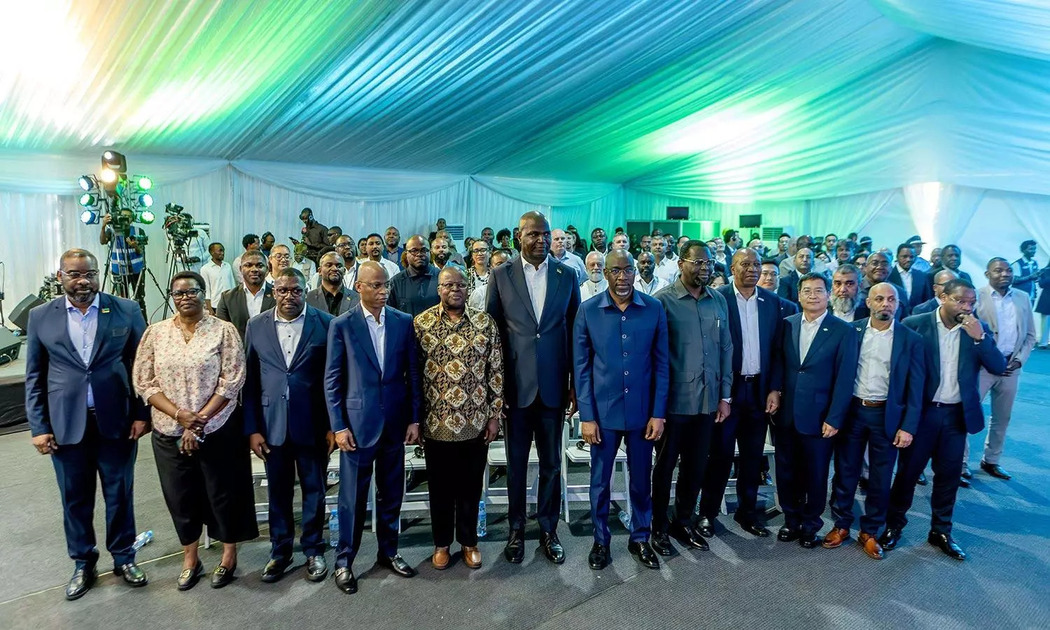
ALEXANDRIA: Egypt and Tanzania are preparing to strengthen transport and logistics cooperation through a proposed multipurpose terminal at Dar es Salaam Port, a new maritime shipping route and logistics zones in both countries. The projects are part of a planned strategic partnership aimed at improving trade connectivity between Egypt, East Africa and landlocked countries in Central Africa.
Egyptian Transport Minister Kamel El-Wazir and Tanzanian Transport Minister Professor Makame Mbarawa discussed the proposed initiatives during a visit to Alexandria Port on 5 October 2026. The cooperation is expected to be formalised through a memorandum of understanding (MoU), with technical committees set to work on implementing the planned projects.
Egyptian-Tanzanian Consortium to Develop Port Terminal
A key component of the proposed agreement is the establishment of a multipurpose terminal at Dar es Salaam Port through an Egyptian-Tanzanian international consortium. The facility is expected to support cargo handling and strengthen the port’s role as a regional logistics gateway.
Dar es Salaam Port is a major maritime hub in East Africa, serving approximately 90% of Tanzania’s domestic market and providing access to six landlocked countries: Malawi, Zambia, the Democratic Republic of the Congo, Burundi, Rwanda and Uganda.
The proposed terminal is part of Egypt’s wider strategy to expand its transport-sector cooperation across Africa, boost Egyptian exports and establish logistics hubs in key markets.
Shipping Route and Logistics Zones Planned
The proposed MoU also includes a shipping route connecting Egypt’s Red Sea ports of Sokhna and Safaga with Dar es Salaam. In addition, the two countries plan to establish an Egyptian logistics zone in Tanzania and a Tanzanian logistics zone in Egypt.
Cooperation with Tanzania’s railway company is also planned to connect the proposed logistics facilities to the national railway network. The integration of maritime, road and rail transport is intended to facilitate cargo movement and improve access to regional markets.