


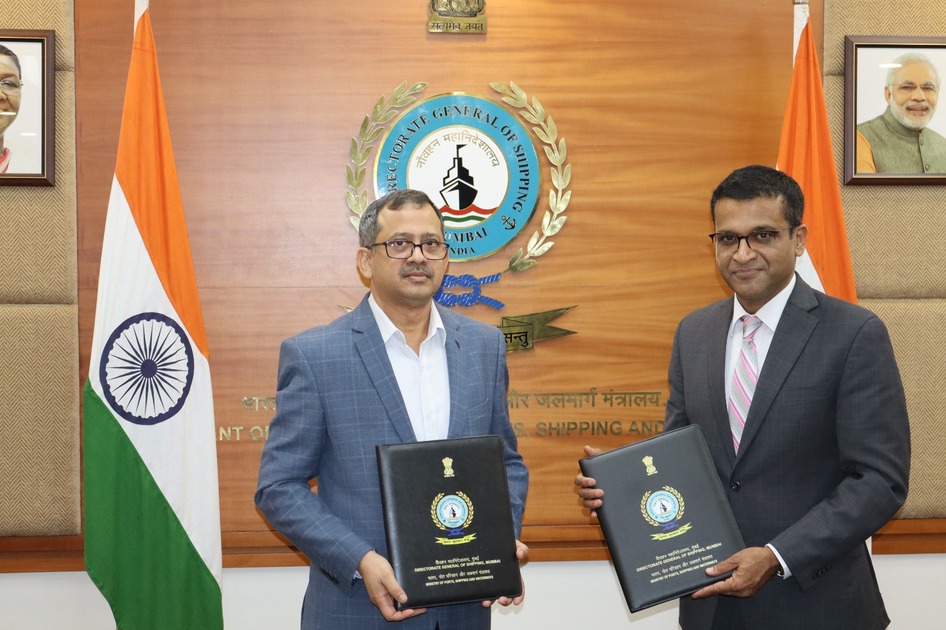
MUMBAI: The Directorate General of Maritime Administration (DGMA), under the Ministry of Ports, Shipping and Waterways, Government of India, and Environmental Defense Fund (EDF), Inc., a global environmental nonprofit organization, signed a Memorandum of Understanding (MoU) to advance sustainable shipping and maritime decarbonization in India.
The MoU establishes a non-financial framework for technical collaboration, research, capacity building and knowledge exchange to support India’s transition towards a cleaner, more efficient and globally competitive maritime sector. The partnership will bring together DGMA’s institutional and regulatory expertise with EDF’s global scientific, technical, economic and policy experience in advancing practical solutions for reducing maritime emissions.
The collaboration comes at an important time as India advances its maritime ambitions under Maritime India Vision 2030 and Maritime Amrit Kaal Vision 2047. With growing international momentum towards low- and zero-emission shipping, India has an opportunity to strengthen its position in emerging maritime fuel supply chains, sustainable shipbuilding, green port infrastructure and related investments.
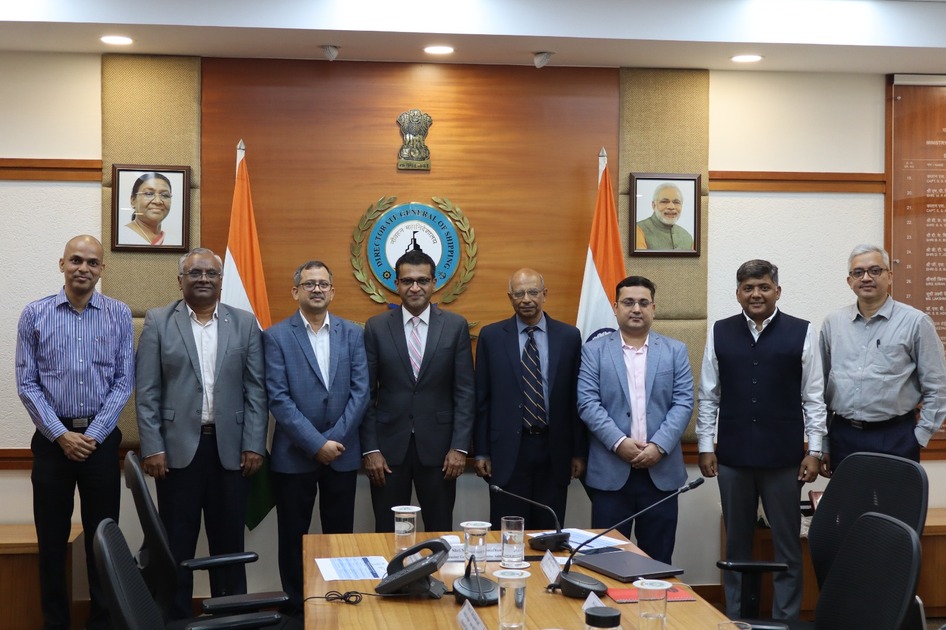
Key areas of collaboration under the MoU include research and technical assessments of low-carbon and alternative maritime fuels, including their lifecycle emissions; maritime finance and investment opportunities; green ports and shore power infrastructure; electrification of small vessels; green procurement; and capacity building and knowledge exchange. The partnership will also facilitate stakeholder engagement and independent technical inputs to inform DGMA’s policy considerations and support India’s evolving maritime decarbonization framework.
“The maritime sector is central to India’s economic growth, trade and global competitiveness. As India strengthens its maritime capabilities, sustainability and decarbonization must become integral to our long-term development strategy. As we develop the National Maritime Decarbonization Policy Framework (NMDP), international technical cooperation and knowledge sharing will be important in translating our ambitions into practical action. Our collaboration with Environmental Defense Fund will help strengthen technical knowledge, facilitate the exchange of international best practices and support evidence-based approaches to cleaner maritime fuels, sustainable port infrastructure and investment. We look forward to leveraging this partnership to advance India’s maritime ambitions while building a more resilient, efficient and environmentally sustainable sector,” Shyam Jagannathan, IAS, Director General of Maritime Administration (DGMA), said.
“For the first time, the cleanest ship and the most competitive ship are becoming the same ship. India has an enormous opportunity to lead this transition, with ships built here, fueled here and crewed by our people. Through this partnership, we hope to bring together sound science, strong economics and meaningful stakeholder engagement to help keep Indian shipyards, ports and fuels competitive, reduce investment risks and accelerate the transition to cleaner shipping. Our role is to work alongside India’s institutions and industry to develop practical solutions that reduce emissions while creating lasting economic opportunities,” Hisham Mundol, Executive Director, EDF India, said.
The partnership will focus on translating technical knowledge into practical and scalable solutions. Particular emphasis will be placed on understanding the lifecycle environmental performance of emerging maritime fuels, identifying economically viable decarbonisation pathways and helping create enabling conditions for investment in cleaner vessels, fuels and port infrastructure.
Through research, technical exchanges, stakeholder consultations and capacity-building initiatives, DGMA and EDF will seek to strengthen domestic expertise and support informed decision-making across India’s maritime ecosystem. The collaboration also aims to bring together port authorities, shipowners, cargo owners, fuel producers and other stakeholders to identify opportunities for accelerating sustainable maritime development.
The MoU reflects a shared commitment to advancing maritime sustainability in a manner that supports India’s economic priorities, strengthens energy and maritime security, and positions the country to benefit from the global transition towards cleaner shipping.