


AI-powered solutions for supply chain risk management, camera-health monitoring, and yard optimisation earned recognition
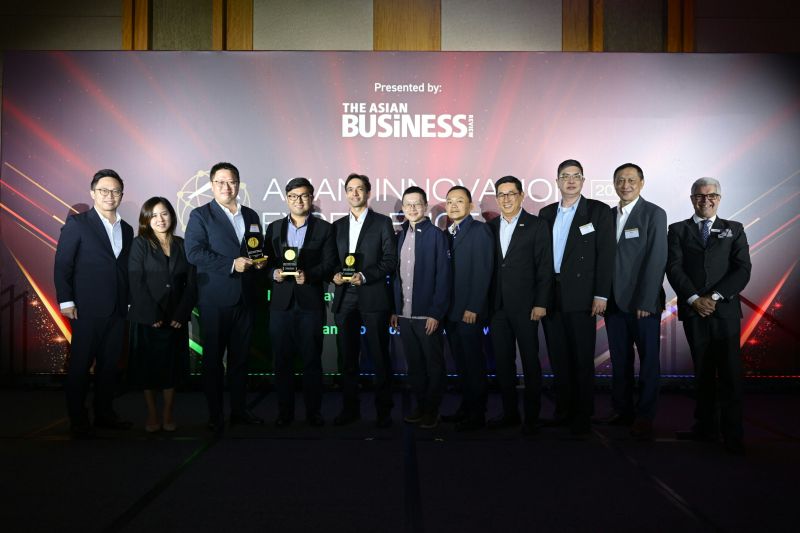
SINGAPORE: PSA has been recognised with three awards at the Asian Innovation Excellence Awards 2026, in its first year of participation. PSA International Pte Ltd won the Singapore Operational Innovation of the Year – Transportation for Smart Shuffling and the Singapore Technology Innovation of the Year – Transportation for Project Sentinel. In addition, PSA BDP won Singapore Risk Management Innovation of the Year – Logistics in the Asian Innovation Excellence Awards 2026 for its Risk Monitor platform.
Smart Shuffling
About 90% of container volume at PSA’s Singapore terminals is transshipment cargo, which creates constant yard movement and makes optimal stacking hard to maintain. Traditionally, operations personnel manually identified and repositioned containers stacked out of retrieval sequence.
Smart Shuffling is an AI-enabled solution that anticipates retrieval conflicts and repositions containers before operational demand arrives. The engine identifies yard crane idle windows and determines an efficient shuffling sequence to improve the overall stacking profile. A Temp Stow concept creates temporary space for more flexible rearrangement, whilst dependency management and automated job cancellation handle changing yard conditions.
Fewer reactive moves mean faster container retrieval and shorter vessel turnaround, helping shipping line customers keep to their schedules. Reduced equipment movement also lowers energy consumption and maintenance requirements, supporting PSA’s sustainability objectives.
Project Sentinel
Across PSA’s crane fleet in Singapore, camera health was previously checked through manual inspection, which is time-consuming and difficult to perform continuously at fleet scale. Issues range from dirty lenses and blurred images to (Pan-Tilt-Zoom) PTZ faults, communication failures, missing images or logs, offline cameras, and port flapping.
PSA developed Project Sentinel in-house as an AI-enabled, offline camera-health monitoring solution. It combines classical rule-based AI techniques, computer-vision analytics, diagnostic logic, and intelligent automation within PSA’s existing infrastructure.
Computer-vision techniques measure edge density, haze, saturation, and image variance to identify image-quality degradation. The system combines these measurements with connectivity checks, system logs, file availability, and PTZ status. Retry logic and PTZ movement checks help distinguish genuine faults from temporary operating conditions and reduce false alarms. Each identified condition is assigned a standardised fault category with supporting images, measurements, and timestamps, allowing technicians to understand and verify the basis of the finding.
Project Sentinel provides fleet-wide monitoring of more than 3,300 cameras across 286 crane equipment units, enabling earlier and more targeted maintenance intervention whilst reducing repetitive manual inspection effort. It is projected to deliver considerable annual productivity savings and supports improved crane automation reliability by detecting degraded or unavailable camera inputs earlier.
Risk Monitor
Global supply chains face frequent and unpredictable disruptions from geopolitical conflicts, natural disasters, cyber incidents, and regulatory shifts. These disruptions often emerge upstream, which makes early detection difficult for organisations. Traditional approaches to risk monitoring remain reactive and heavily reliant on manual screening.
PSA BDP created Risk Monitor to address this challenge through an AI-powered platform. The tool continuously processes and analyses data from over 30,000 global sources. It identifies potential disruptions across more than 60 categories, including environmental, supply chain, and digital risks.
The platform combines real-time shipment visibility, multi-tier supplier mapping, and macro-level intelligence. Users gain an integrated view across in-transit shipments and upstream supplier networks, moving away from siloed monitoring.
A proprietary generative AI and NLP engine sits at the core of the solution. NLP models scan and extract relevant events from structured and unstructured data. Generative AI categorises risk events and summarises key implications. The system then geolocates events, maps them to assets, scores potential operational impacts, and links affected facilities.
This layered AI approach transforms manual monitoring into an automated intelligence capability. Time to detect, assess, and act on disruptions dropped from hours or days to minutes, freeing teams to focus on responding to disruptions rather than searching for them. The platform serves as a core tool for a national food agency’s supply chain risk management. It also supports large multinational clients across chemical, industrial, electronics, and medical device sectors.
The Asian Innovation Excellence Awards honours companies that achieve measurable outcomes and address key challenges through innovation and operational improvement, recognising initiatives that drive meaningful progress across diverse industries in the region.
The Asian Innovation Excellence Awards is presented by Asian Business Review. To view the full list of winners, click here. For more information about the awards programme, you may reach Czarina Villanueva at +65 3158 1386 ext. 220 or czarinav@charltonmediamail.com.
Source : The Asian Business