Home Blog Page 270

ABB partners with Cochin Shipyard to support India’s Green Tug Transition Programme

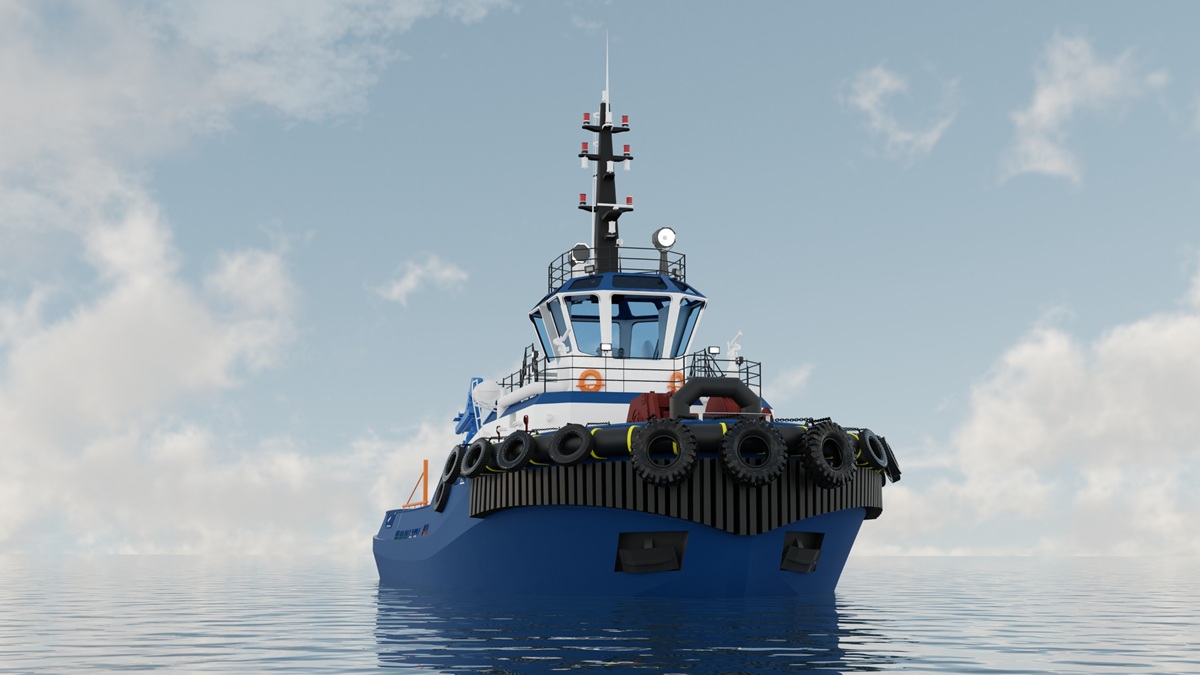
KOCHI: ABB has won a contract with Cochin Shipyard to supply power and propulsion systems for two forthcoming electric tugs. Due for delivery to Polestar Maritime in 2027 as part of Phase 1 of India’s Green Tug Transition Programme (GTTP)1, the vessels will operate out of Jawaharlal Nehru Port Authority (JNPA). JNPA is India’s largest container port, which accounts for around 50 percent of the total containerized cargo volume across the major ports of the country. The GTTP aims to transition India’s harbor tug fleet from conventional diesel-powered vessels to greener alternatives in five phases from 2024 to 2040.

Covering electrical, propulsion, automation, and digitalization solutions, ABB’s comprehensive scope of supply will ensure the e-tugs’ efficient and reliable operations, aligning with the broader objectives of the GTTP while advancing JNPA’s efforts towards ‘Green Port’ status. ABB’s Onboard DC Grid™ power system platform and PEMS™ power and energy management system will form the core of the combined power and propulsion solution, enabling the vessels to make optimal use of onboard batteries to support wide variations in power demand. The modular and highly customizable Onboard DC Grid™ not only facilitates the integration of energy storage systems but also optimizes drivetrain efficiency and extends operating range per battery charge.

Also part of the scope, the ABB Ability™ Remote Diagnostic System for Marine will help to keep the e-tugs running reliably and efficiently through condition monitoring and remote troubleshooting.

“Integrating electric propulsion and advanced automation into harbor tugs is a complex engineering undertaking, and selecting the right technology partner was critical,” said Shri Jose VJ, Chairman and Managing Director, Cochin Shipyard Limited. “ABB’s proven systems and deep experience in this space made them the clear choice. We are building these vessels to last, to perform, and to demonstrate that Indian shipyards are ready to lead the industry’s green transition.”

“India’s Green Tug Transition Programme represents a decisive step the nation has taken towards reducing emissions from port operations,” said Rune Braastad, President, ABB’s Marine & Ports division. “Being selected to provide the electrical, propulsion, and automation systems for JNPA and Cochin Shipyard’s first electric Tug vessels as per India’s GTTP program reflects the trust that India’s maritime sector has placed in ABB’s technology and our long track record in marine electrification.”

Its over 75 years’ experience in the Indian market, ABB’s latest collaboration with Cochin Shipyard involved providing power, propulsion, and automation systems to two hydrogen-fueled container vessels for Samskip Group2. In addition, ABB has contributed significantly to the electrification of Asia’s short-distance shipping segment, supplying technology for fully electric vessels to operators in Singapore3, South Korea4, and Japan5.

1Greening in India gets a boost with Green Tug Transition Program (GTTP) SOP launched by Shri Sarbananda Sonowal
2ABB to power Samskip’s new hydrogen-fueled container vessels | News center
3PaxOcean–ABB collaboration on Singapore’s first electric tug reaches major milestone | News center
4South Korea’s first state-owned all-electric ferry powered by ABB | News center
5ABB to power Japan’s first electric tugboat for efficient and sustainable operations | News center

APEDA facilitates first-ever sea shipment of Botanical-Infused Millet Functional Foods from Karnataka to New Zealand

NEW DELHI : In a significant boost to India’s agri-food exports, the Agricultural and Processed Food Products Export Development Authority (APEDA) facilitated the flagging off of the first-ever sea shipment of botanical-infused ready-to-cook millet functional foods from Karnataka to New Zealand on June 3, 2026.

The export consignment, comprising one metric tonne of value-added millet-based products, was shipped by M/s Infini Agrotek LLP, Bengaluru. The shipment reflects the growing global demand for innovative millet-based products derived from India’s traditional grains and underscores the expanding opportunities for value-added agricultural exports from the country.

HJ5hEyQbIAAO8NV APEDA facilitates first-ever sea shipment of Botanical-Infused Millet Functional Foods from Karnataka to New Zealand

The exporter had actively participated in APEDA-supported trade promotion events, including World Food India 2025, Indus Food 2025 and Gulfood 2026. Participation in these exhibitions enabled the company to connect with international buyers, expand its customer base and strengthen its presence in global markets. The export order from New Zealand is the outcome of sustained market outreach and business networking facilitated through APEDA’s trade promotion initiatives.

The shipment was virtually flagged off by Chairman, APEDA, Shri Abhishek Dev, IAS. Congratulating the company on this achievement, he appreciated the company’s efforts in developing innovative millet-based products and successfully expanding into international markets.

During the interaction, the exporter was encouraged to leverage APEDA’s export promotion initiatives and continue participating in trade fairs and exhibitions to further expand market reach and explore new business opportunities.

The export of botanical-infused millet functional foods highlights the growing potential of India’s value-added agricultural products and is expected to benefit millet-growing farmers through enhanced demand and improved market access. Such initiatives contribute to strengthening India’s agri-export ecosystem while generating opportunities across the millet value chain.

APEDA continues to facilitate exports of agricultural and processed food products through market development initiatives, capacity-building programmes and participation in major domestic and international trade events. The successful shipment demonstrates the increasing global acceptance of innovative millet-based products and reinforces the growing potential of India’s millet sector in international markets.

Millets have emerged as an important component of India’s agricultural export basket owing to their nutritional benefits, climate resilience and rising consumer demand across global markets. The development and export of value-added millet products are creating new opportunities for farmers, food processors and exporters while contributing to the diversification and expansion of India’s agri-food exports.

US to invest $1.5 bn in energy security, LNG infrastructure in India & SE Asia to catalyse exports

NEW DELHI : In a significant move, the US will invest $1.5 billion, or roughly ₹14,400 crore, through an investment platform to create energy infrastructure, including liquefied natural gas (LNG), in India and Southeast Asia.

“The Investment Platform invests in Asia energy infrastructure to strengthen US Allies’ Energy Security and expand US LNG and other hydrocarbon, equipment, and service exports to the Indo-Pacific,” said the US International Development Finance Corporation (DFC) on Wednesday.

“In partnership with US infrastructure investor I Squared Capital, DFC will invest $1.5 billion to establish an investment platform to facilitate buildout of energy security infrastructure across the Indo-Pacific, focusing primarily on South and Southeast Asia,” the agency said.

DFC Board of Directors approved $2.5 billion in new strategic investments aimed at strengthening US supply chains, expanding energy exports, supporting regional peace & stability, and bolstering economic cooperation.

These deals reflect DFC’s continued use of private capital as a core instrument of American economic statecraft, deploying debt, equity, and political risk insurance across the capital stack and investment structures to advance US strategic objectives, the US government’s international investment arm said.

Single largest investment
“This deal represents the single largest project investment in DFC’s history,” the investment agency said.

The target DFC investment of $1.5 billion will be through a combination of debt and equity financing.

The investment platform will mobilise US private capital to develop LNG and other energy infrastructure in the region. The total target project cost is $3 billion.

“The platform will aim to address shortage of critical energy infrastructure in these markets that limits energy security, drives price volatility and constrains industrial growth, and look to expand US natural gas and related energy exports to the region,” DFC said.

Rationale
These deals exemplify the shift in DFC’s strategy. The investments approved in today’s (Wednesday) successful board meeting will develop critical infrastructure in Southeast Asia, said DFC CEO Ben Black.

South and Southeast Asia are experiencing strong LNG demand growth, driven by rising power needs, declining domestic gas production in certain markets, and a shift away from coal, DFC said.

“Given the region’s expected economic growth, DFC believes that reliable LNG and other petroleum products infrastructure will be important to meet energy demand.

“The Infrastructure Platform will seek to address this opportunity by acquiring controlling stakes in LNG and other petroleum products supply chain assets across key South and Southeast Asian markets, with a focus on import and storage, transmission and distribution logistics, end-use infrastructure, and related marine assets,” it added.

Source : Business Line

YCH Group to invest up to ₹1,000 crore in India, eyes major logistics parks in Chennai, Bengaluru and Mumbai

MUMBAI : Singapore-based logistics major YCH Group on Wednesday announced the plans to invest up to ₹1,000 crore in India over the next three to five years as it seeks to capitalise on rising demand for organised warehousing, automation and technology-driven supply chain solutions, particularly from the electronics, e-commerce and emerging semiconductor sectorsas it looks to set up major logistics parks in Chennai and Bengaluru.

Besides, it plans to develop integrated supply chain infrastructure for electronics, e-commerce and emerging semiconductor sectors in the country.

The company, which has been operating in India for the last 17 years, expects its India revenue to triple from the current ₹400 crore to ₹1,200-1,500 crore within three years. YCH currently operates through 60 locations across 40 cities in India and employs nearly 1,500 people, including contract workers.

The company’s first major expansion is planned near Sriperumbudur in the Chennai region, where it already operates its largest Indian facility- a 3.5 lakh sq ft warehouse spread across a 20-acre campus with storage capacity of around 45,000 pallet positions.

Trade and Financial Fragmentation spreads beyond Rivals as Costs mount: WEF Report

NEW YORK: Geoeconomic fragmentation is imposing an annual cost of $213–$307 billion on the global economy, according to a new World Economic Forum report released on Thursday (04-06). Driven by geopolitical tensions, economic security concerns and shifting trade relationships across major economies, fragmentation accelerated through 2025 and 2026 and is increasingly affecting trade, finance and investment systems.

Deepening Divides: The Cost of a More Fragmented Financial System – published in collaboration with Oliver Wyman, a Marsh business, and the second in the Forum’s fragmentation series – finds that these pressures are playing out through escalating tariffs, investment restrictions and retaliatory measures.

The report finds that the growing use of economic statecraft in 2025 and 2026 marked a turning point for global trade and finance. While the first report focused primarily on fragmentation risks between geopolitical rivals, the latest findings suggest a broader structural shift is underway. Tariffs and investment restrictions are increasingly affecting traditionally aligned economies, including the US, the EU, Canada, Japan and South Korea, raising costs for businesses and increasing uncertainty for cross-border trade and investment.

“The global financial system has faced increasing pressures from geopolitical and economic fragmentation,” says Matthew Blake, Managing Director and Head of the Centre for Financial and Monetary Systems World Economic Forum. “Despite these pressures, the financial system has remained resilient. Markets have continued to provide real-time feedback on evolving policies while policy-makers have generally avoided actions that could erode confidence in the international financial system. As fragmentation persists, preserving the trust and stability that underpin global finance will be critical to supporting long-term growth and prosperity.”

The economic costs are rising

As fragmentation becomes more embedded across markets and financial systems and barriers rise even among allies, the risks of escalation and long-term economic disruption increase. If current trends accelerate into more severe fragmentation scenarios, global losses could reach as much as $6.9 trillion, or 6.4% of global GDP, according to the report’s modelling, an economic impact larger than every economy in the world except the US and China.

Ultimately, fragmentation impacts both businesses and households. Current fragmentation policies are estimated to add 0.2–0.3 percentage points to global inflation, eroding purchasing power across most economies. The sharpest real wage impacts are seen in the United States, where real wages are estimated to be 0.33% lower for low-skilled workers, 0.49% lower for medium-skilled workers and 0.66% lower for high-skilled workers, with similar purchasing-power pressures visible in other major economies.

“In conversations with business leaders around the world, the message is remarkably consistent: What businesses need most right now is predictability, and they are not getting it,” says Daniel Tannebaum, Partner and Global Leader, Anti-Financial Crime Practice, Oliver Wyman, a Marsh business. “Without clearer guardrails around tariffs, sanctions and other economic measures, the risks to investment, growth and financial stability will continue to mount.”

Emerging markets face the sharpest exposure

Emerging markets and developing economies (EMDEs) are likely to be the hardest hit by the impacts of growing financial fragmentation. In the most extreme fragmentation scenario, countries outside the major geopolitical blocs, most of which are EMDEs, could face output losses of 10.7%, compared to a global decline of 6.4%.

Structural factors like shallower capital markets make EMDEs more dependent on international capital flows and more vulnerable to the negative impacts of a less integrated financial system.

Africa exemplifies both the risks and potential resilience pathways. The continent’s exposure to external capital flows means a more fragmented system would make development financing more expensive and less predictable. At the same time, regional integration – through initiatives like the African Continental Free Trade Area (AfCFTA) and payment systems such as Pan-African Payment and Settlement System (PAPSS) – offers pathways to build resilience in Africa, which also stands to benefit from such secular trends as population growth and an abundance of critical raw materials.

Policymakers can limit the damage

While fragmentation is unlikely to reverse in the near term, it can be managed. The report identifies five actions policy-makers can take to mitigate fragmentation:

  • Establish shared guardrails to protect the financial system from fragmentation, emphasizing principles like safeguarding the rule of law and independent monetary policy, limiting the seizure of sovereign assets, and protecting the integrity of government data.
  • Align on rules to guide the use of economic statecraft policies that advance national security and resilience objectives without undermining global growth.
  • Ensure policy predictability to sustain investment flows and allow for continued functioning of cross-border capital and financial markets.
  • Maintain interoperability across payment and digital currency systems and prepare businesses for a more fragmented geoeconomic operating environment.
  • Advance regional integration initiatives such as AfCFTA and PAPSS, as well as support the development of domestic and regional capital markets, including the European Savings and Investments Union.

Together, these measures can help preserve financial stability and resilience even as the global economy becomes more fragmented.

Report methodology

The report updates the Forum’s 2025 fragmentation analysis to reflect policy and market developments across 2025 and early 2026. Its quantitative modelling estimates the economic impact of current trade and financial policies and examines multiple escalation scenarios across output, inflation, trade flows and wages.

The analysis also incorporates updated assumptions on tariffs, countermeasures, pass-through rates and restrictions on services trade, alongside qualitative insights from business leaders, policy-makers and financial-sector experts, including regional perspectives from Africa.

About the Annual Meeting of the New Champions 2026
The 17th Annual Meeting of the New Champions will take place from 23 to 25 June 2026 in Dalian, People’s Republic of China, under the theme “Innovating at Scale”. The meeting will bring together 1,500 cross-sector leaders to explore how innovation and emerging technologies can unlock new growth models and drive positive economic momentum in a fast-shifting global landscape.

Hormuz flows may remain in limbo even after conflict ends: experts

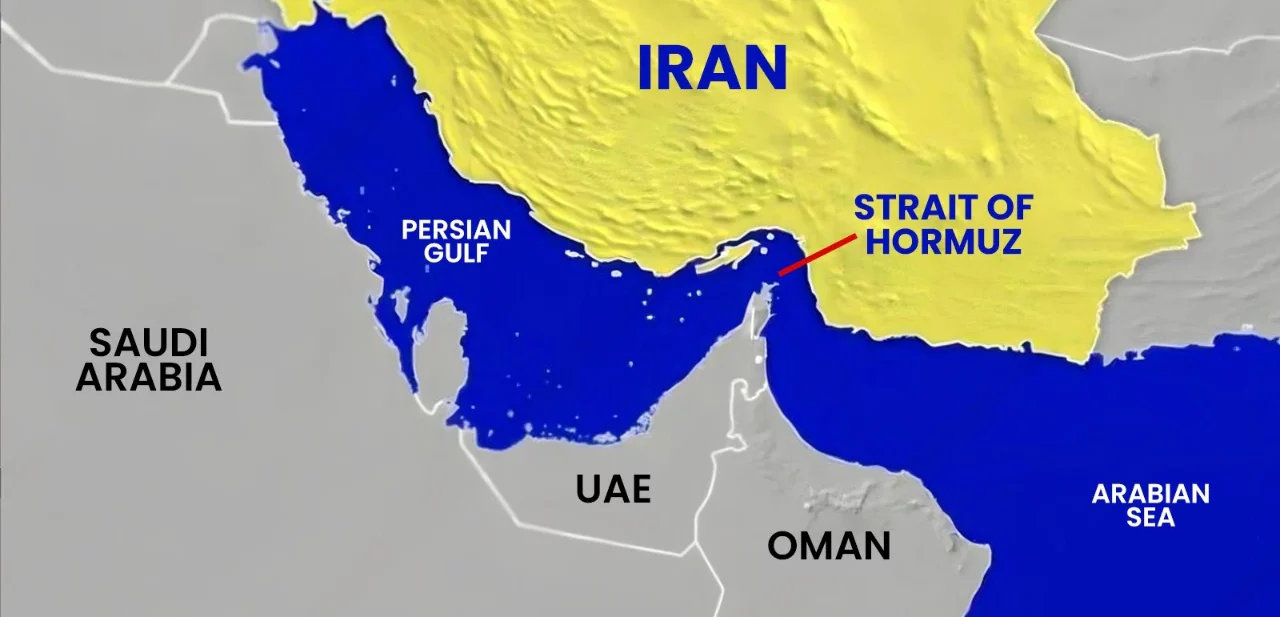
NEW YORK: The war in Iran could end in a scenario in which control of traffic through the Strait of Hormuz remains in limbo, which could continue to depress traffic through the chokepoint longer term, experts said.

“There may be a gray zone where it’s neither fully closed nor fully open,” Daniel Yergin, Vice Chairman, S&P Global, said during a webinar hosted by the Council on Foreign Relations.

The US Treasury Department has sanctioned the Persian Gulf Authority and warned that paying tolls to transit the strait poses significant sanctions risk.

The sanctions could create a sort of stalemate in the Strait, Edward Fishman, a senior fellow at CFR, said.

“We could actually get into this odd situation where Iran says you can’t go through the strait unless you pay a toll, but then a lot of shipping companies don’t want to pay the toll because they don’t want to be sanctioned,” Fishman said.

This scenario could permanently depress flows through the Strait even after a potential deal, Fishman said.

Helima Croft, Managing Director and global head of commodity strategy at RBC Capital Markets, said that a variety of scenarios are possible. Certain countries will be willing to pay a toll, but it is unclear if Western shipping companies will be prepared to do so, she said.

“I struggle right now to see a path, barring a much deeper military involvement, that Iran is not exercising those operational rights,” Croft said.

Flows through the Red Sea have not recovered even though the US made a deal with the Houthis, so flows through Hormuz may similarly fail to recover, Croft said.

“I do think that we are probably looking at a situation where February 27, 2026 was a peak for Hormuz,” Croft said. “I think that is the high point we will ever see for flows going through the Strait of Hormuz.”

Source: Platts

Panama Canal congestion hits yearly high, prompting Jones Act waivers

PANAMA CITY: Panama Canal congestion has climbed to the highest levels this year, prompting US authorities to grant multiple Jones Act waivers for domestic shipments even as the canal authority pledged to maintain full transit capacity through December despite looming maintenance and El Niño risks.

The Panama Canal Authority will conduct a dry chamber overhaul from June 9-17, reducing daily transit slots to 16 from the current operational capacity of 36-40 transits, according to shipping analysts at BIMCO.

The maintenance comes as wait times have already climbed to 3.2 days for southbound vessels and 2.3 days for northbound traffic, with average waiting periods rising 50% year over year to 47 hours, the analysts said.

“So far this year, ship transits via the Panama Canal have increased 8% year over year to a daily average of 38, driven by the tanker sector,” Filipe Gouveia, shipping analysis manager at BIMCO, said, driven by surging US energy exports to Asia and the Americas’ West Coast following the Strait of Hormuz closure.

The growing backlog has driven the US Maritime Administration to issue Jones Act waivers allowing foreign-flagged ships to transport goods between US ports, particularly to the West Coast.

In 2026 so far, 21 waivers have been granted to vessels en route from the US Gulf Coast, 11 from the West Coast and nine from the Atlantic Coast, all bound for West Coast destinations, according to MARAD.

The Merchant Marine Act of 1920, known as the Jones Act, requires that ships transporting merchandise between US points must be US-built, US-owned and US-flagged.

The Jones Act waivers provide an alternative for domestic US shipments, allowing foreign vessels to move cargoes between US Gulf Coast and West Coast ports without transiting the canal.

Platts last assessed the Jones Act Medium Range term-charter rates steady at $91,000/day May 27 for the 10-15 year-old tonnage band, up from $88,500/d early January.

Container ships, LPG carriers, oil tankers and bulk vessels account for 77% of canal transits, with container operators typically booking slots ahead of other sectors that bid closer to transit dates.

The recent demand spike has particularly affected tankers and bulk carriers competing for available slots.

“The recent spike in demand has inflated auction prices,” Gouveia said.

Weather concerns
The congestion is set to worsen during a scheduled dry chamber overhaul on the Gatun Locks’ east lane June 9-17, when daily transit slots will fall to 16.

Forecasts show that a 61% probability of El Niño conditions developing between May and July could further constrain capacity if reduced rainfall lowers water levels in Lake Gatun, the canal’s main freshwater source, Gouveia said.

However, the Panama Canal Authority said May 18 that current data does not forecast the need for transit restrictions through Dec. 31, even as it conducts the June maintenance.

The authority said it has maintained Gatun Lake at historically high water levels since late 2025, when it began implementing water-saving measures at the locks in anticipation of potential El Niño conditions.

he canal took advantage of Panama’s 2026 dry season, which ranked among the wettest since 1950, to strengthen water reserves in Gatun and Alhajuela lakes while maintaining 38 daily transits.

During the last El Niño event in 2023-24, daily transits fell to 22 ships between December 2023 and January 2024 at maximum draughts of 13.4 meters, 12% below normal levels, forcing widespread supply chain adjustments, according to BIMCO.

The congestion could prompt operators to consider alternative routes via the Cape of Good Hope or Cape Horn, which involve longer voyages and higher bunker costs but eliminate canal transit fees and provide scheduling flexibility.

Demand for Panama Canal transits is expected to remain elevated as long as Strait of Hormuz disruptions persist and US energy exports stay strong, with congestion potentially intensifying in the medium term beyond the June maintenance period.

Source: Platts

Sailors stressed and exhausted after months trapped by Strait of Hormuz blockade

TEHRAN : The sea is sometimes so tranquil that Captain Hassan Khan forgets his ship has been stuck in the middle of a war zone for three months. “It is really strange that everything looks normal outside, but people inside are not calm,” says the Pakistani sailor, who doesn’t want to use his real name.

Things may look normal in this part of the Gulf, but they are certainly not. Khan and 20,000 other sailors have been trapped in or near the Strait of Hormuz by the US-Israeli war with Iran since late February. What was once one of the world’s busiest waterways, used to transport a fifth of the globe’s oil and gas, has ground to a halt as missiles fly overhead and mines are laid beneath the waves.

Despite this, the crew on Capt Khan’s ship has been trying to follow the usual work routine – although no one wants to leave the ship for rarely-allowed shore breaks, while cheerful banter has given way to anxious silence punctuated by the buzzing of phones. People jump at the smallest sound, even in their sleep.

“The stress stays in our mind all the time,” Khan says. “Everyone is just exhausted – both physically and mentally. “Even without the danger posed by the missiles and mines, the 1,600 ships that the International Maritime Organisation (IMO) estimates to be stuck on the wrong side of the Strait of Hormuz are unable to leave. Days after the war began, Iran shut the narrow waterway – the only way out of the Gulf – and refused to let anyone through without its express permission.

“It is as if we are trapped in a pond. There’s only one way out, and that’s Hormuz,” explains the captain of another vessel, Shafiqul Islam.

Islam, whose Bangladesh-owned ship the Banglar Joyjatra is carrying about 37,000 tonnes of fertiliser bound for South Africa, has twice tried to leave in the months since. Both attempts have ended in failure.

After the announcement of a ceasefire on 8 April, Islam caught wind that another ship had been given permission by the Islamic Revolutionary Guard Corps (IRGC) to cross. He then steered his ship towards the critical waterway along with four other vessels. Shortly after, they were warned not to proceed.

Nine days later, Islam tried again as Iran said the strait would be “completely open” for all commercial vessels in line with the ceasefire. But Iran quickly reversed the decision after the US kept the blockade of its ports in place.

By then, Islam’s ship had already come within 30 nautical miles of the strait. He had no choice but to turn it away as warnings of attacks continued to crackle over the radio. Ships have moved to different ports or anchored offshore within the Gulf for safety. But now, getting supplies of food and water has become increasingly pressing.

Doing so is still possible without necessarily entering ports, as the Gulf region – especially around Dubai, Abu Dhabi and Kuwait – has well-established supply services. But deliveries are now unpredictable.

Among all essential items, the price of water has increased the most, says Banglar Joyyatra’s chief engineer Rashedul Hasan. “We purchased about 180 tonnes of water for the ship two days ago. Earlier, it would cost between $1,500 and $2,000. Now, it costs us $11,000.”

“It also feels like some food and water suppliers are trying to take advantage of the situation and make excessive profits,” says a Korean sailor who doesn’t want to be named. He is on a different ship.

The stranded ships will need even more water as summer is coming. The air temperature has already exceeded 30C in May – and it can go as high as 45C.

On Khan’s ship, they “still have food and water, but things are simpler now”. While he can still get beef and chicken, vegetables and lentils are hard to come by.

Death and diplomacy

But then, Islam still considers himself lucky. On the second day of the conflict, his ship was only 200m (656ft) – barely the length of a medium-sized tanker – from Dubai’s Jebel Ali port, which was targeted by an Iranian strike.Since then, Islam and his 30 crew members have lost count of the attacks they have witnessed. “Sometimes missiles fly over one ship, and sometimes debris falls on the next,” the captain says.

“Whenever attacks continued throughout the night, none of us could sleep,” says Hasan, the engineer. “We have witnessed horror and devastation with our eyes.”

They are scared for good reason. At least 11 sailors have been killed and another is unaccounted for in 39 verified incidents, the IMO says.

Tension eased somewhat after the ceasefire, but the ongoing military activities in the strait are reminders of its fragility.

Some sailors continue to see drones and fighter jets, while others spot naval ships and submarines regularly.

“These ships use bright lights. We also hear announcements over the loudspeakers. The captain says the Iranians are doing this to stop anyone from passing through,” says Sajid Masood, a Pakistani who works as a cook on an oil tanker. His name has been changed to protect his identity.

So is there any way out for the trapped sailors?

Shipping companies, which are facing huge losses, are hoping they may be able to cut staffing costs.

Many sailors’ contracts are expiring and large-scale crew rotations are overdue. Given the circumstances, it will be difficult to find enough hands to man these ships – even after the war is over.

“This crisis has shown how dangerous the job can become,” says Pakistani sailor Kamil, who spoke to the BBC using an alias. “Many sailors may think differently about this profession.”

He is worried that access to international waterways will become weaponised in future conflicts.

Masood, the cook, is also having second thoughts about his seafaring career – he has only one month left on his contract.

But before making the big decision, he is just looking forward to returning to Pakistan and bringing gifts from Dubai for his family: Barbie dolls for his daughters and a toy airplane for his son.

“I thought I would be home soon, but we are still stuck,” he says.

“Every day my family asks when I will come back, but I have no answers for them.”

There are some ships – an estimated 750 since 28 February, according to maritime data firm Kpler – which have managed to get through the Strait of Hormuz.

Their owners appear to have relied on international direct diplomacy with Iran, with most coming from China, India and Pakistan, says Dr Jonathan Schroden of CNA, a Washington DC-based non-profit research organisation.

It appears they have also “paid a fee of some millions of dollars per ship”, he adds.

Diplomacy is now the Banglar Joyjatra’s best hope – and the Bangladeshi government has been working with its owner Bangladesh Shipping Corporation (BSC) to secure its exit.

But that has proved difficult as well.

BSC managing director Commodore Mahmudul Malek said initially Bangladesh agreed to pay the toll Iran demanded. But the plan was dropped after the US threatened sanctions against any country for doing so.

“We are in a double crisis now,” he says.

Source : BBC

“K” LINE Signs Shipbuilding Contracts for Four LNG-fueled Car Carriers for European Short-sea Business

TOKYO:  Kawasaki Kisen Kaisha, Ltd. (“K” LINE) is pleased to announce that it has signed shipbuilding contracts with China Merchants Jinling Shipyard (Nanjing) Co., Ltd. for four 1,380-vehicle capacity LNG dual-fuel car carriers. The vessels were ordered for “K” Line European Sea Highway Services GmbH (KESS)*1, the “K” LINE’s European subsidiary.

The vessels are designed for the frequent transport of small lots in European short sea shipping. They are also designed to comply with size restrictions, which some European ports for imported cars have. “K” LINE is confident that these vessel specifications will give KESS a competitive advantage in its European short sea shipping operations.

The vessels are equipped with straight stern ramps*2 with a load capacity of 60 tons. This enhances KESS’s capacity to handle heavy and oversized cargo and increases its flexibility to carry a wide variety of cargo types in addition to passenger cars.

The use of LNG fuel is expected to reduce emissions of carbon dioxide (CO2), a greenhouse gas (GHG), by 25% to 30% and emissions of sulfur oxides (SOx), which cause air pollution, by almost 100% compared to conventional vessels using heavy fuel oil. Additionally, to further reduce GHG emissions throughout the “K” LINE Group, we will consider using bio-diesel and bio-LNG fuel, or liquefied bio methane, in addition to LNG fuel.

The vessels each use a high-pressure type ME-GI engine with a shaft generator, reducing emissions of methane slip (unburst gas), which is a greenhouse gas(GHG). While boil-off gas (BOG) generated from LNG tanks is generally used as fuel for generator engines on a vessel with a high-pressure main engine, these vessels are equipped with vacuum-insulated LNG tanks to reduce the generation of BOG. This enables a machinery configuration with lower methane slip emissions.

Under the Group’s long-term environmental policy, “K” LINE Environmental Vision 2050: Blue Seas for the Future,*3 the “K” LINE Group set the target of achieving net-zero GHG emissions in 2050. In line with this, “K” LINE has been working to introduce and operate LNG-fueled ships. The continuous use of bio-LNG is one of its key initiatives for achieving this target. “K” LINE will continue to work hard on the decarbonization of the marine transport industry, including through the use of carbon-neutral and zero-emissions fuels.

Outline of the Vessel
Overall length: approx. 129.95 meters 
Width: approx. 20.5 meters
Maximum vehicle capacity: approx. 1,380
Ice Class: 1A

*1 KESS is a wholly owned subsidiary of “K” LINE that operates short sea and coastal transport services for completely built-up cars in Europe.

*2 A stowable, ramp-like passage installed at the stern of a vessel enabling vehicles to drive on and off the ship.

*3 “K” LINE Environmental Vision 2050: Blue Seas for the Future is a set of long-term guidelines regarding the environment that was established in 2015 and revised in 2020. As part of our action plan to reduce GHG emissions, we are engaged in a number of initiatives, such as the introduction of zero-emission fuels, such as ammonia and hydrogen, and carbon-neutral fuels such as bio-LNG and synthetic fuels. 

https://www.kline.co.jp/en/sustainability/environment/management.html

NY/NJ Foreign Freight Forwarders & Brokers Association announces Jeanette Gioia as Recipient of the 2026 Captain of Industry Award

MIDDLETOWN (NEW JERSEY): The NY/NJ Foreign Freight Forwarders & Brokers Association, Inc. (NYNJFFF&BA) is proud to announce that Jeanette Gioia, President of Serra International, Inc., has been selected as the recipient of the Association’s prestigious 2026 Captain of Industry Award, recognizing her outstanding leadership and contributions to the freight forwarding, customs brokerage, and international transportation industry.

Ms. Gioia will be honored on Wednesday, June 24, 2026, during the Association’s annual Dinner Cruise co-hosted with the Traffic Club of New York

As President of Serra International, Inc., a family-owned freight forwarding, customs brokerage, and third-party logistics company founded in 1919, Ms. Gioia has dedicated more than four decades to advancing international trade and transportation. Throughout her career, she has earned a reputation as a respected industry advocate, combining operational expertise with a deep understanding of the economic and policy issues affecting global supply chains.

Her commitment to the industry is reflected in her extensive service to NYNJFFF&BA, where she served as President from 2021 through 2025 and previously as Vice President of Exports/Transportation from 2007 through 2021. During a period marked by unprecedented supply chain disruptions and significant regulatory and operational change, she helped guide the Association and its members while promoting constructive engagement between industry stakeholders and government agencies.

“Jeanette Gioia represents the very best of our industry,” said Al Raffa, association president. “Her leadership, knowledge, and unwavering commitment to the freight forwarding and customs brokerage community have made a lasting impact on our Association, our port, and the broader international trade community. She has consistently worked to ensure that the voices of transportation professionals are heard, and we are honored to recognize her as the recipient of the 2026 Captain of Industry Award.”

Beyond her leadership within the Association, Ms. Gioia represents NYNJFFF&BA on the Council on Port Performance under the leadership of the Port Authority of New York and New Jersey and The Shipping Association of New York and New Jersey. She has also been an active participant in the National Customs Brokers and Forwarders Association of America (NCBFAA), serving on its Transportation Committee and NVOCC Sub-Committee. Her advocacy and expertise have helped shape discussions on transportation policy, port performance, and supply chain efficiency at both the regional and national levels.

Guests attending the Captain of Industry Award Dinner Cruise aboard the Cornucopia Destiny will enjoy a memorable evening celebrating industry excellence while taking in the views of New York Harbor. The cruise departs from Liberty Harbor Marina, 11 Marin Boulevard, Jersey City, New Jersey, with boarding beginning promptly at 6:00 p.m. and return scheduled between 9:30 and 10:00 p.m. The evening includes an open bar, hors d’oeuvres, dinner, dessert, music, dancing, and ample opportunities for networking with colleagues and industry leaders. Business casual attire is requested.

Tickets are $225 per person and sponsorships are available. Visit the association’s website for  Online reservations or call for additional information (732) 741-1936.

About New York/New Jersey Foreign Freight Forwarders & Brokers Association, Inc.

The New York/New Jersey Foreign Freight Forwarders & Brokers Association, Inc. is one of the oldest transportation related organizations in the United States today. Founded in 1917, the association provides information on issues and developments important to its members; serves as a voice for the freight forwarding, customs brokerage and OTI communities in policy and regulation decision-making; and protects and advocates the best interests of the group as a whole.