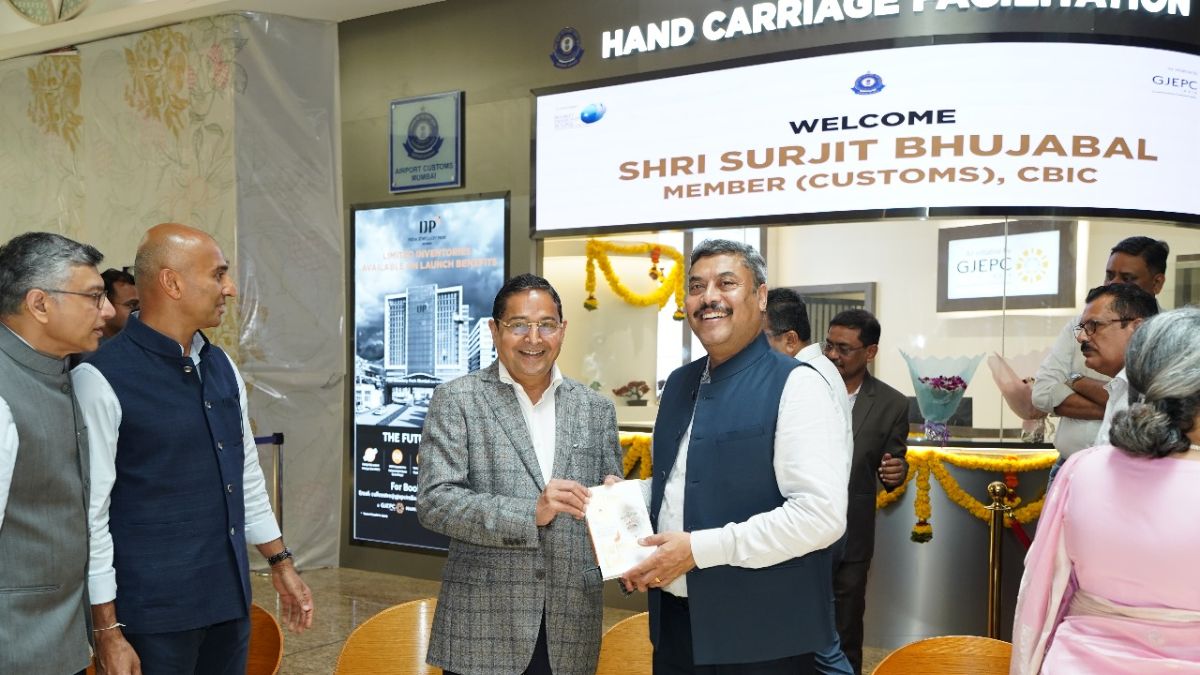
MUMBAI : The centre was formally inaugurated by Shri Surjit Bhujbal, Member Customs, CBIC, in the presence of senior officials including Smt. Prachi Saroop, Principal Chief Commissioner, Shri Alok Jha, Principal Commissioner, Shri Dnyaneshwar Patil, Development Commissioner, SEEPZ, and key representatives from GJEPC including Chairman Shri Kirit Bhansali, Vice Chairman Shri Shaunak Parikh, and other senior office-bearers.
The facility will enable exporters to hand-carry gem and jewellery shipments with greater ease, speed, and transparency. With Mumbai accounting for nearly 65–70% of India’s total gem and jewellery exports—valued at US$ 19.65 billion from the Western Region in FY 2024-25—this move is seen as a critical boost to India’s export infrastructure.
A Milestone in Export Facilitation The launch marks the culmination of GJEPC’s sustained advocacy and planning. Even before receiving final clearance, the Council had secured and equipped a dedicated space at the airport, which has now been officially designated as a Customs-notified area. Bharat Diamond Bourse (BDB) has been appointed as the custodian, and the facility will operate 24/7 with the support of Mumbai Customs, CISF, police, and airport authorities.
“This is a significant milestone in our efforts to enhance the ease of doing business for our exporters,” said Shri Kirit Bhansali, Chairman, GJEPC. “The hand carriage mode complements other export channels like e-commerce and is particularly advantageous for MSMEs and urgent high-value consignments to countries such as the UAE, Australia, and the UK under various FTAs.”
Enhancing Speed and Agility for MSMEs Shri Shaunak Parikh, Vice Chairman, GJEPC, added, “This long-awaited facility unlocks new efficiencies and flexibility in how Indian exporters serve global markets. It is especially valuable for small exporters needing quicker turnaround and reduced logistics overhead.”
Shri Dnyaneshwar Patil, IAS, Development Commissioner, SEEPZ-SEZ, noted that the centre’s proximity to SEEPZ—responsible for about 13% of India’s gem and jewellery exports—will significantly improve logistics for exporters in the zone. “It will reduce delays, ease operations, and enhance competitiveness,” he said.
A Strategic Step Toward National Rollout The Mumbai facility is part of a larger strategy to strengthen infrastructure at key airports across the country. As per India’s Foreign Trade Policy, personal carriage for exports is permitted at nine airports (including Mumbai, Delhi, Kolkata, Chennai, and others), and for imports at seven. With the Mumbai facility now fully operational, the hand carriage option is currently active at four locations: Mumbai, Delhi, Kolkata, and Jaipur.
GJEPC emphasized that this initiative aligns with the Indian Government’s broader “ease of doing business” agenda, helping exporters meet international demand quickly and efficiently.
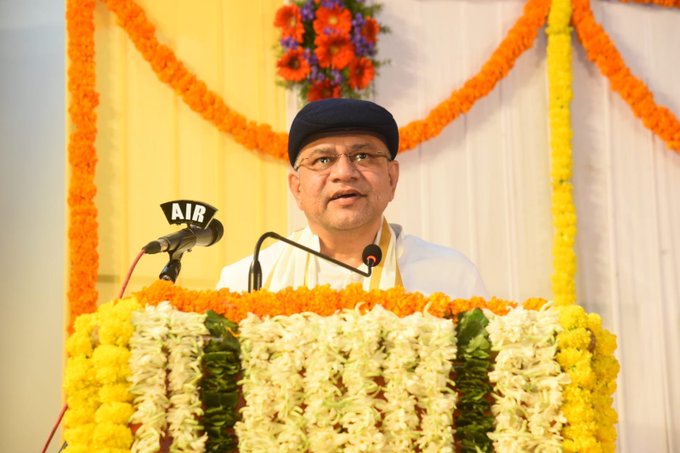
HYDERABAD : India’s electronics exports have shot past $40 billion, marking an eight-fold growth during the last 11 years, Union Minister Shri Ashwini Vaishnaw said on Saturday. He also remarked that the domestic electronics production has increased by six times.
Ashwini Vaishnaw surpassed $40 billion Addressing the 14th Convocation of IIT Hyderabad, Minister Vaishnaw also pointed to the rapid progress of India’s first bullet train project, which is expected to become operational by August or September 2027.
He further mentioned that the first Made in India semiconductor chip, on a commercial scale, will be manufactured this year.
“In just 11 years, we have increased our electronics production six times. That’s a CAGR double digit which any corporate would be envious of. We have increased our exports eight times, crossed $40 billion exports in electronics manufacturing, which is a phenomenal pace of growth, something which very few countries of our size have ever seen,” the Union Minister for Railways, Information & Broadcasting, Electronics & Information Technology said.
Appreciating the vision of Prime Minister Narendra Modi, Vaishnaw said that in just about three and a half years, India could design a complete 4G telecom stack.
Notably, it is installed on almost 90,000 telecom towers, which is more than the network of many countries in the world.
As part of the telecom initiative, the government has set up 100 5G labs where the students can gain practical experience on the 5G equipment, by working on real-world use cases and developing practical solutions, the IT Minister said.
The Minister cited five examples of India’s growth story and bases for the next generations – electronics production, AI, semiconductors, telecom sector and railways.
To nurture young talent in the semiconductor field, the Centre has given the latest EDA tools from Cadence, Synopsys, and Siemens to about 270 colleges and institutions, and if the startups are added, the number becomes 340, he stated.
“Nowhere in the world has such a large talent development program ever taken up in the field of semiconductors,” Vaishnaw said.
The Indian Railways presently has version three of Vande Bharat getting manufactured at the Integral Coach Factory in Chennai, he added.
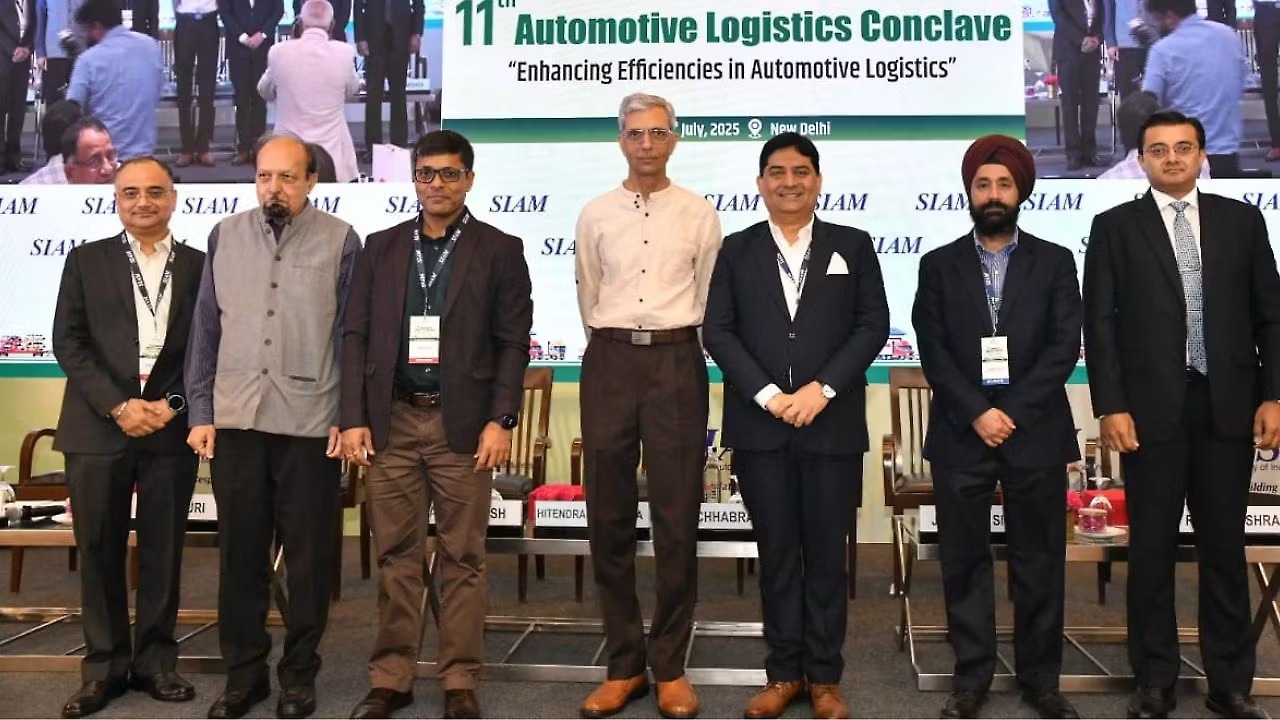
NEW DELHI : The Society of Indian Automobile Manufacturers (SIAM) organised the 11th edition of its Automotive Logistics Conclave here, bringing together industry leaders, policymakers, and logistics professionals to explore ways to enhance efficiencies in the sector. Held under the theme “Enhancing Efficiencies in Automotive Logistics,” the event focused on agility, resilience, and sustainability across the automotive logistics value chain.
Addressing the conclave, Hitendra Malhotra, Member (Operations & Business Development), Railway Board, Ministry of Railways, shared that the government is introducing more specialised rail wagons with higher vehicle-carrying capacities, including double-deck rakes for SUVs, to meet increasing logistics demands from the automobile sector.
Tapan Ghosh, Chairman of SIAM Logistics Group and Vice President – Sales at Hyundai Motor India Ltd., noted that the automotive industry grew by 7.3% in FY 2024–25 and emphasised the growing role of logistics in supporting this momentum. He added that the sector must continue moving towards smarter and more environmentally responsible logistics solutions.
S D Chhabra, Co-Chairman, SIAM Logistics Group and Executive Officer (Parts, Accessories & Logistics) at Maruti Suzuki India Ltd., said that increased use of railways and the integration of digital tools are helping improve consignment tracking and operational sustainability.
The conclave featured multiple panel discussions on multimodal transport, policy coordination, and digital innovation. Speakers from organisations including Honda Motorcycle & Scooter India, Ashok Leyland, Chetak Logistics, DPIIT, and Gujarat Pipavav Port shared insights on building a more resilient and future-ready logistics framework.
The event also hosted a dedicated session on sustainability, with participants discussing eco-friendly logistics practices and aligning with India’s green mobility targets. Select logistics service providers were recognised for innovation and operational excellence.
The conclave highlighted the automotive industry’s ongoing efforts to leverage technology, policy support, and infrastructure improvements to strengthen logistics as a key enabler of mobility in India.
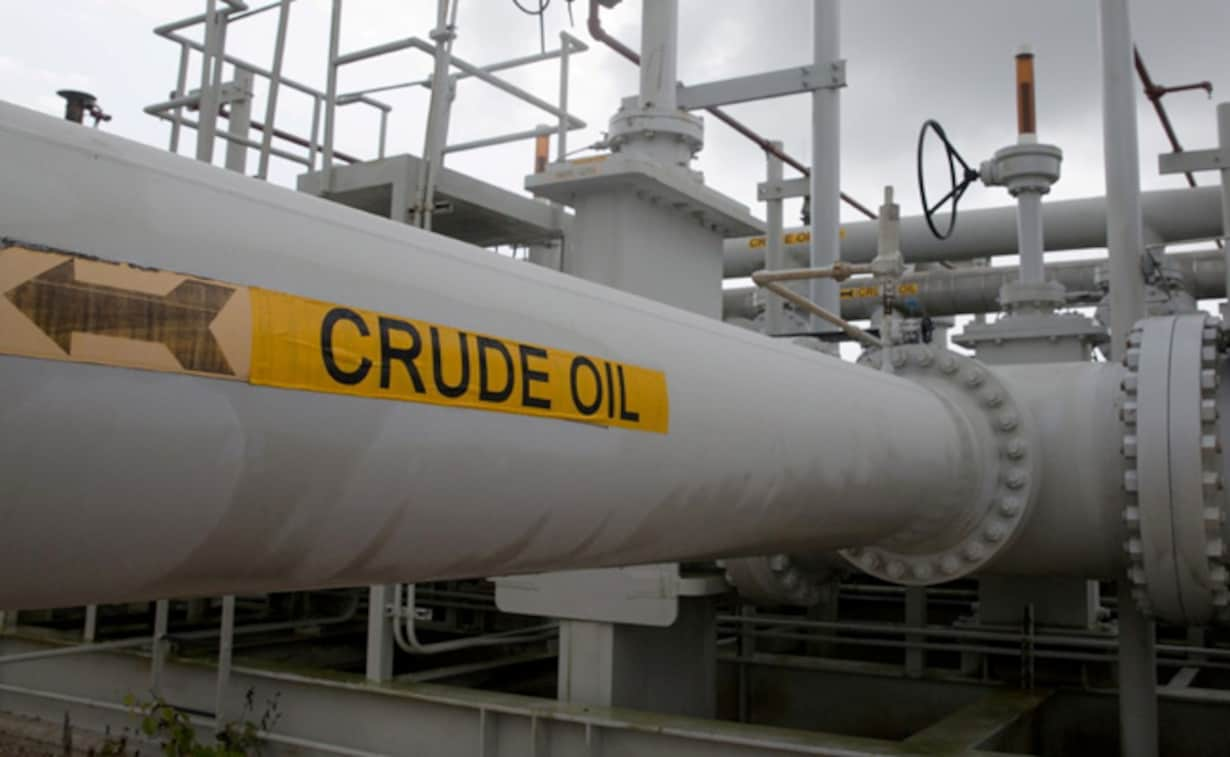
NEW DELHI : India‘s petroleum product exports worth USD 15 billion to the European Union (EU) may be at risk as Brussels moves to restrict imports of Russian crude oil refined in third countries, economic think tank GTRI said.
The 18th package of sanctions by the 27-nation EU included a set of measures largely aimed at curbing the revenues of Russia’s oil and energy sector, such as an import ban on refined petroleum products made from Russian crude oil and coming from any third country.
The Global Trade Research Initiative (GTRI) said that a central component of the package is a ban on the import of refined petroleum products made from Russian crude and exported via third countries, excluding only a select few allies like the US, UK, Canada, and Switzerland.
This measure will hurt nations such as India, Turkey, and the UAE, which have been refining Russian crude and selling diesel, petrol, and jet fuel to Europe, it said.
“India’s $5 billion exports of petroleum products to the EU are at risk. The EU’s new sanctions ban imports of refined petroleum made from Russian crude via third countries like India,” GTRI Founder Ajay Srivastava said.
India exported $19.2 billion worth of petroleum products to the EU in FY24, but this dropped by 27.1 percent to $15 billion in 2024-25, according to the think tank.
It added that India imported $50.3 billion of crude oil from Russia in FY2025, over a third of its total $143.1 billion crude bills.
“Although India continues to engage in legitimate trade with Russia, the political optics of such transactions are shifting in Western capitals. As energy ties deepen, India will have to walk a fine line between economic pragmatism and geopolitical pressure,” Srivastava said.
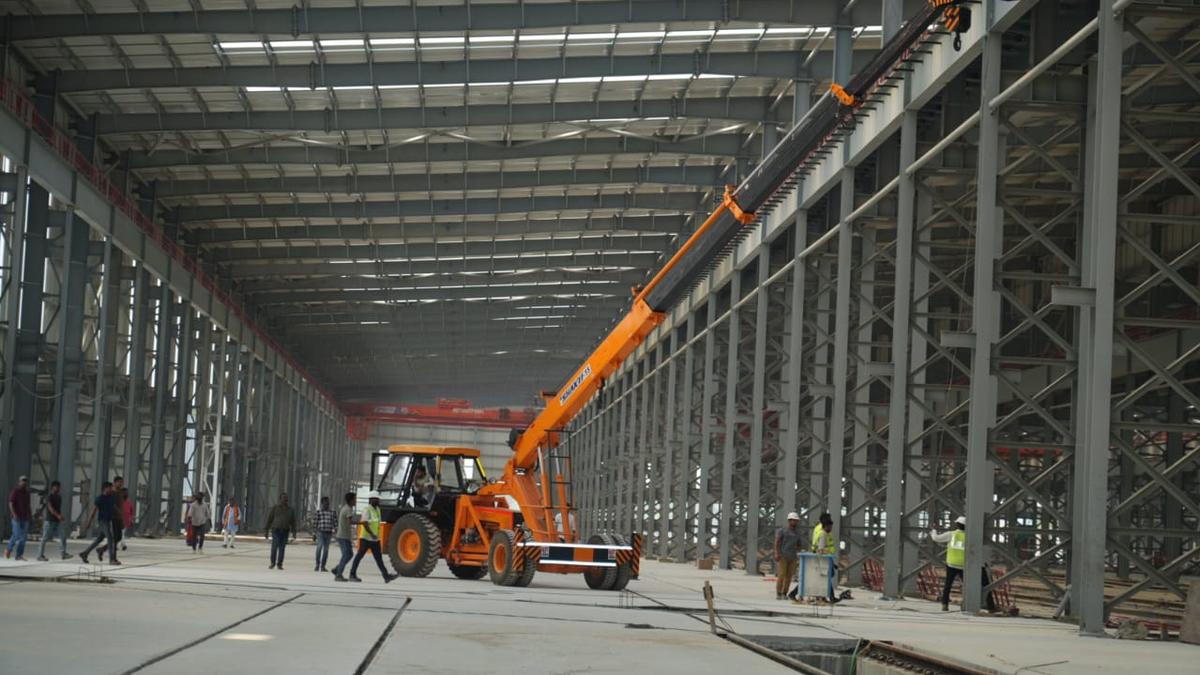
NEW DELHI : The Rs 521.26 crore Kazipet Railway Manufacturing Unit is taking shape rapidly and is expected to become a key hub in India’s push towards railway exports, said Union Railways Minister Shri Ashwini Vaishnaw during a visit to the site on Saturday (19 July).
According to The Hindu report, once operational in 2026, the facility will play a critical role in meeting export demands, including the rollout of 150 indigenously manufactured Vande Bharat trains, the first of which has already been flagged off by Prime Minister Shri Narendra Modi.
Vaishnaw confirmed that construction was progressing steadily, with civil works expected to conclude by December. The factory, built with a flexible design, will manufacture a wide range of railway stock, including engines, wagons, coaches, and metro cars. The facility is designed to support future export orders and has the flexibility to adapt to evolving transport requirements.
Union Minister for Coal and Mines Shri G Kishan Reddy, also present at the event, stated the project would generate direct employment for around 3,000 individuals, while ancillary industries were expected to create many more indirect jobs, benefiting the region economically.
Local residents are expected to be prioritised for recruitment, based on State government recommendations. Relief measures for farmers impacted by land acquisition will be overseen by the district administration, he added.
Spanning 160 acres, the facility includes a 13 km internal rail network and pre-engineered structures. It will also manufacture 200 MEMU train rakes, each with 16 cars featuring 130 kmph operational speeds, three-phase propulsion systems, automatic doors, rooftop ventilation, LED information systems, and the indigenous Kavach train protection technology.
KEELUNG CITY : As part of its ongoing fleet optimization plan, Yang Ming Marine Transport Corporation (“Yang Ming”) held its 404th Board Meeting and approved the order of seven 15,000 TEU LNG dual-fuel containerships from Hanwha Ocean Co., Ltd. Following the completion of contract procedures, these vessels are scheduled for delivery between 2028 and 2029. The newbuildings will replace aging vessels and advance Yang Ming’s strategic development.
To strengthening its core container shipping business, meeting global trade demand and economic growth, and providing customers with comprehensive and efficient transportation services, Yang Ming is actively enhancing fleet competitiveness and aligning with global GHG reduction trends. The adoption of dual-fuel solutions for the 15,000 TEU vessels, alongside the five LNG dual-fuel containerships scheduled for delivery beginning in 2026, will ensure stable service on East-West routes while achieving a 20% reduction in GHG emissions compared to traditional fuel. These efforts reflect the Company’s commitment to year-on-year carbon intensity reduction. Moreover, the alternative fuel initiatives align with stricter international environmental regulations.
Yang Ming continues to strengthen its transportation services. The optimization plan is set to rejuvenate Yang Ming’s fleet, ensure compliance with environmental regulations, and diversify energy sources. By enhancing competitiveness and operational resilience, Yang Ming is well-positioned to navigate supply chain restructuring and market uncertainties, steadily progressing toward its vision of becoming customers’ top choice for transportation services and playing a crucial role in the industry.
LONDON : Lloyd’s Register (LR) has become the first Certifying Authority to receive authorisation from the UK Maritime and Coastguard Agency (MCA) to certify remotely operated and unmanned vessels (ROUVs) under the Workboat Code Edition 3 (WBC3) Annex 2.
Under the WBC3 framework, remotely operated and unmanned vessels below 24 metres in length must comply with comprehensive safety and operational requirements and obtain certification through an approved Certifying Authority to operate in UK waters.
Alongside LR’s own Unmanned Marine Systems Code, this new authorisation enables LR to provide end-to-end certification services for ROUVs, addressing the growing demand for unmanned and autonomous vessel solutions.
Jordan McRuvie, Unmanned Marine Systems (UMS), Marine & Offshore Specialist, Lloyd’s Register, said: “LR’s achievement as the first organisation to meet the MCA’s competency standards for ROUV certification, demonstrates our technical expertise and commitment to advancing innovation in maritime autonomy.
“This was made possible through collaboration with a number of industry partners on key projects. We are committed to supporting clients through the certification process and look forward to granting the first WBC3 certification to an ROUV shortly.”
LONDON : IMO’s GreenVoyage2050 Programme and the German development agency GIZ, through its International Power-to-X (PtX) Hub, are running (14-18 July) their first joint Training-of-Trainers course on renewable PtX fuels for shipping. The course is equipping a new generation of trainers with the knowledge and tools needed to support the global transition to low and zero-carbon fuels in the maritime sector.
How does that relate to alternative fuels? Participants are engaging in interactive sessions covering topics such as the impact of shipping on the climate, emerging fuel technologies, the role of ports in the energy transition, and strategies to decarbonize national fleets. As part of the hands-on methodology, participants are also practicing how to deliver selected training modules themselves and receive feedback to strengthen their facilitation skills and adapt content to national contexts.
More than 20 participants from around the world are attending the course, held at IMO Headquarters in London. The course is part of a growing collaboration between IMO and International PtX Hub, aimed at supporting developing countries prepare for a cleaner and more sustainable future in shipping.
Power-to-X converts renewable electricity from wind, solar, hydro, and geothermal sources into sustainable fuels such as green hydrogen, ammonia, methanol, and renewable marine diesel — all with potential to support the decarbonization of shipping.
Astrid Dispert, GreenVoyage2050 Programme Manager at IMO, said: “This programme is a critical enabler for cascading renewable PtX knowledge to national actors in the maritime sector. The shared learning and interactive methodology will empower our trainers to deliver impactful workshops that support the green shipping transition worldwide. We are building a community of trainers who can help share this knowledge across the world.”
Philipp Wittrock, Lead Shipping & Country Outreach, International PtX Hub added: “The training modules, co-created with the IMO, now offer a solid tool for scaling capacity development at the nexus of energy and shipping – a key area for climate action. By training experts from different countries, we are helping to turn global ambition into local action. These new trainers will now support their own countries to prepare for the future of shipping.”
All trainers participating in the course had previously completed a foundational course on renewable fuels. They will now be equipped to deliver tailored national workshops, contributing to broader efforts under the IMO’s GreenVoyage2050 Programme and the International PtX Hub’s efforts to promote clean energy solutions globally.
GreenVoyage2050 Programme
GreenVoyage2050 is a major technical cooperation programme initiated by the IMO to assist developing countries in reducing GHG emissions from shipping, aligning with the 2023 IMO GHG Strategy. Phase I of GreenVoyage2050 (2020-2023) supported partnering countries in developing policy frameworks and pilot projects to reduce GHG emissions from ships. Phase II (2024-2030) continues and expands this support, leveraging funding from the Governments of Denmark, Finland, France, Germany, the Netherlands, and Norway.
The International Power-to-X Hub
The International Power-to-X Hub is a centre of expertise and collaboration for innovative and sustainable green hydrogen and Power-to-X value chains. Together with partners, the PtX Hub identifies Power-to-X solutions that are adapted to the specifics of each country and lead to sustainable economic transformation. The PtX Hub builds and fosters strong networks with industry, academia, administrations, and civil society with hubs in Africa, Asia, Europe, and Latin America.
The International PtX Hub is implemented by the Deutsche Gesellschaft für Internationale Zusammenarbeit (GIZ) GmbH on behalf of the German Federal Ministry for Economic Affairs and Energy (BMWE). Financed by the International Climate Initiative, the International PtX Hub is a contribution to the German National Hydrogen Strategy.
LONDON : Container freight rates from China to the US have dropped over past weeks, returning to pre-tariff levels.
FBX01 (China/East Asia – USA West Coast) ended the week on last Friday at $2,328/FEU, down $18/FEU from the Friday before last but down $3,541 from this time last month. FBX03 (China/East Asia – USA East Coast) was at $4,224/FEU on last Friday down $656 compared with the Friday before last and down $2,961 from this time last month.
Analysts cite excess capacity, blank sailings, and weak demand as key factors which are likely to continue for the rest of the year. While Asia–Europe rates remain firm FBX11 (China/East Asia – North Europe) ended the week at $3,653/FEU up $195 from Friday last week, rates here are under pressure too and FBX13 (China/East Asia – Mediterranean) ended the week at $3,459/FEU down $309 from last week.
The backhaul to FBX11, FBX12 (North Europe – China/East Asia) finished the week at $454/FEU, up $66 from last week. Meanwhile, Vietnam and India are gaining from diverted US-bound volumes, as China’s exports dip amid ongoing tariff unpredictability and geopolitical volatility.
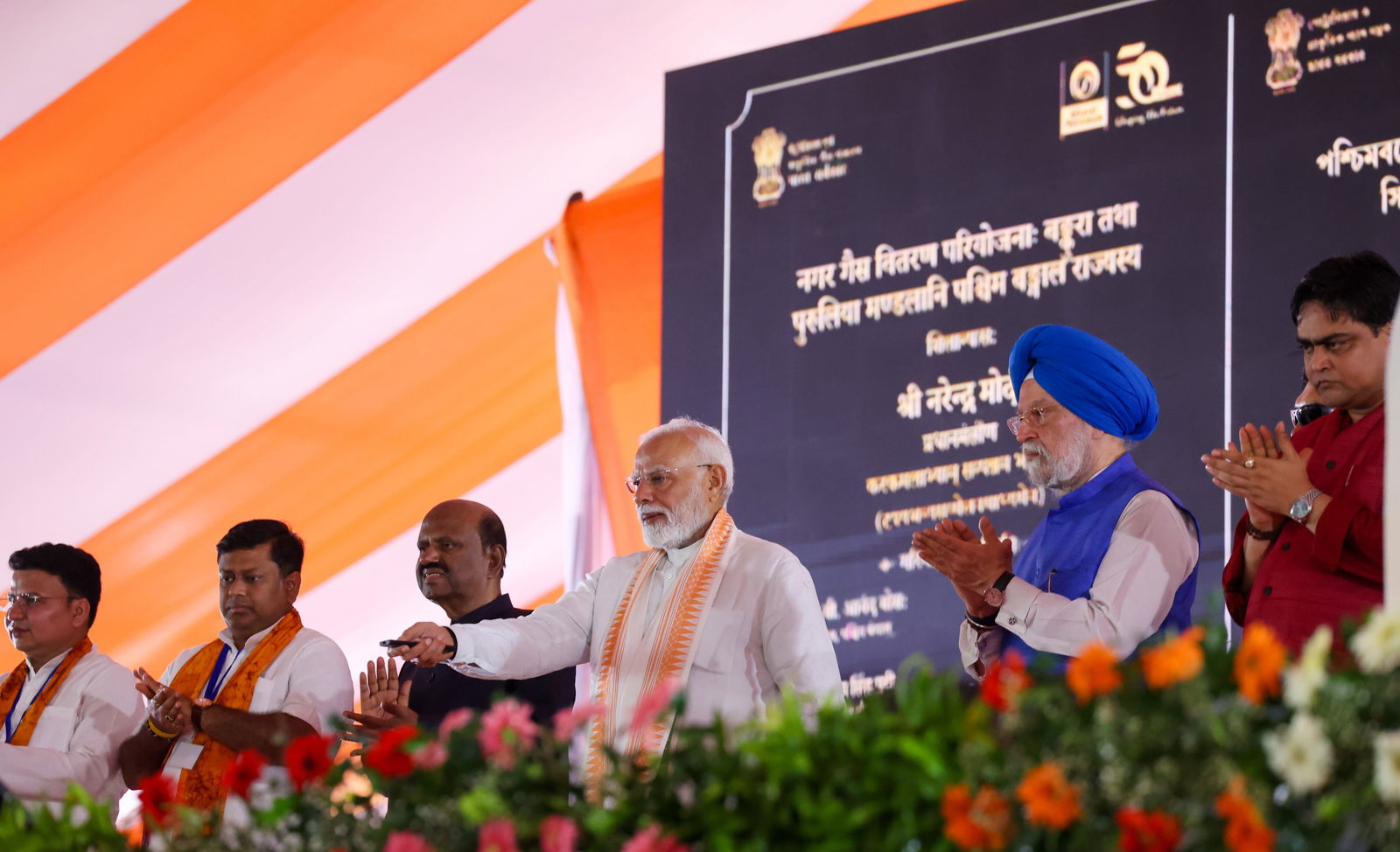
DURGAPUR : Prime Minister Shri Narendra Modi laid the foundation stone, inaugurated and dedicated to the nation development projects worth over Rs 5,400 crore here in West Bengal on Friday. Addressing the gathering, the Prime Minister remarked that Durgapur, known as a Steel City, is also a major hub of India’s labour force. He acknowledged the significant contribution to India’s development and stated that today presents an opportunity to further strengthen that role. Shri Modi emphasized that the projects launched today will enhance connectivity in the region and boost gas-based transport and the gas-based economy and reinforce Durgapur’s identity as a Steel City. The Prime Minister added that these projects align with the vision of “Make in India, Make for the World,” and will help propel West Bengal forward. He affirmed that numerous new employment opportunities will be created for the youth of the region. He extended heartfelt congratulations to all for these development projects.
The Prime Minister stated that the global discourse today revolves around India’s resolve to become a developed nation. He attributed this to the transformative changes underway in India, which are laying the foundation for a developed Bharat. Emphasising that a major aspect of these changes is infrastructure including social, physical, and digital, Shri Modi highlighted key achievements: over 4 crore pucca houses for the poor, crores of toilets, more than 12 crore tap water connections, thousands of kilometers of new roads and highways, new railway lines, airports in small towns, and widespread internet access reaching every village and household. He affirmed that this modern infrastructure is benefiting every state, including West Bengal. The Prime Minister also noted unprecedented progress in train connectivity in West Bengal, stating that Bengal is among the leading states operating a large number of Vande Bharat trains. He highlighted the rapid expansion of the Kolkata Metro and ongoing work on new rail lines, track doubling, and electrification. Shri Modi further mentioned that numerous railway stations are being modernized and a large number of rail overbridges are being constructed. He announced that two more railway overbridges have been inaugurated in West Bengal, adding that all these efforts will significantly ease the lives of the people of Bengal.
Highlighting that the region’s airport has been integrated with the UDAN scheme, Shri Modi pointed out that over 5 lakh passengers have traveled through this facility in the past year alone. He emphasized that such infrastructure not only enhances convenience but also generates employment for thousands of youth. He noted that even the production of raw materials used in these projects is creating substantial job opportunities.
Underlining that in the past 10–11 years, India has made unprecedented progress in gas connectivity, the Prime Minister stated that LPG has reached households across the country during this decade, earning global recognition. He emphasized the government’s work on the “One Nation, One Gas Grid” vision and the launch of the Pradhan Mantri Urja Ganga Yojana. Under this initiative, gas pipelines are being laid across six eastern states, including West Bengal. Noting that the goal is to deliver affordable piped gas to industries and kitchens in these states, the Prime Minister remarked that gas availability will enable vehicles to run on CNG and industries to adopt gas-based technologies. He expressed satisfaction that Durgapur’s industrial region has now become part of the National Gas Grid. Shri Modi stated that this project will benefit industries in the area and deliver affordable piped gas to nearly 30 lakh households in West Bengal. He affirmed that this will ease the lives of millions of families, especially mothers and sisters, and generate employment for thousands.
The Prime Minister announced that major steel and power plants in Durgapur and Raghunathpur have been upgraded with new technology, stating that an investment of approximately ₹1,500 crore has been made in these facilities. He emphasized that these plants are now more efficient and capable of competing globally. He extended special congratulations to the people of Bengal on the successful completion of these projects.
The Prime Minister stated that whether in India’s factories or its fields, every effort is being driven by a single resolve—to make India a developed nation by 2047. He outlined the government’s path forward: empowerment through development, self-reliance through employment, and good governance through responsiveness. Shri Modi concluded by affirming that by upholding these values, West Bengal will be made a strong engine of India’s development journey.
The Governor of West Bengal, Dr. C.V. Ananda Bose, Union Ministers Shri Hardip Singh Puri, Shri Shantanu Thakur, Dr. Sukanta Majumdar were present among other dignitaries at the event.
Background
Prime Minister laid the foundation stone, inaugurated and dedicated to the nation multiple development projects catering to Oil and Gas, Power, Road and Rail sectors.
In a major boost to Oil and Gas infrastructure in the region, Prime Minister laid the foundation stone for Bharat Petroleum Corp. Ltd (BPCL) City Gas Distribution (CGD) project in Bankura and Purulia district of West Bengal worth around Rs 1,950 crore. It will provide PNG connections to households, commercial establishments and industrial customers, and provide CNG at the retail outlets and also create employment opportunities in the region.
Prime Minister also dedicated to the nation Durgapur to Kolkata section (132 Km) of Durgapur-Haldia Natural Gas Pipeline, which has been laid as a part of ambitious Jagdishpur-Haldia and Bokaro-Dhamra Pipeline also known as Pradhan Mantri Urja Ganga (PMUG) Project. The Durgapur to Kolkata section worth over Rs 1,190 crore is passing through the districts of Purba Bardhman, Hooghly and Nadia in West Bengal. The pipeline provided direct and indirect employment during its implementation phase and will now facilitate supply of natural gas to lakhs of households in the region.
In line with his commitment to clean air and health security for all, Prime Minister also dedicated to the nation Retrofitting Pollution Control System-Flue Gas Desulphurization (FGD) of Durgapur Steel Thermal Power Station and Raghunathpur Thermal Power Station of Damodar Valley Corporation, worth over Rs 1,457 crore. It will benefit the region by supporting cleaner energy production and creating employment opportunities in the region.
Boosting rail infrastructure in the region, Prime Minister also dedicated to the nation the doubling of Purulia – Kotshila Rail Line (36 KM) in Purulia worth over Rs 390 crore. It will improve rail connectivity between industries from Jamshedpur, Bokaro and Dhanbad with Ranchi and Kolkata and efficient movement of goods trains, reducing travel time and improving logistics for industries and businesses.
Prime Minister inaugurated two road over bridges (ROBs) constructed under Setu Bharatam Programme, worth over Rs 380 crore, at Topsi and Pandabeshwar in Paschim Bardhaman. It will improve connectivity and also help in preventing accidents on Railway level crossing.