MUMBAI : The Bullet Train Project has achieved a major milestone of opening the first section of the 21 km undersea tunnel between BKC and Thane. The bullet train project recently achieved a major milestone by completing 310 km of viaduct construction. Track laying, construction of overhead electrical wires, stations, and bridges is going on at a rapid pace. The construction work in Maharashtra has also picked up pace. In parallel, the progress on procurement of systems for operations and control is also going on well.
Rolling Stock : Japanese Shinkansen is currently running E5 trains. Next generation trains are E10. In the spirit of strategic partnership between Japan and India, the Japanese government has agreed to introduce E10 Shinkansen trains in the Mumbai-Ahmedabad Bullet train project. It is noteworthy that E10 will be introduced simultaneously in India and Japan.
Japanese Technology : The entire 508 km corridor is being developed with Japanese Shinkansen technology. It will set new benchmarks for speed, safety, and reliability. This reflects the deep strategic and technological cooperation between India and Japan.
Construction at Rapid Pace : Civil works are progressing at a rapid pace across the alignment. 310 km viaduct is constructed. 15 river bridges are completed and 4 are in the advanced stages of construction. Out of 12 stations, 5 are completed and 3 more are now reaching completion stage. The station at BKC is an engineering marvel. The station will be located 32.5 m below ground and the foundation is designed to support the construction of a 95 m high building above ground.
Future Corridors in Pipeline: The success of the Mumbai-Ahmedabad High-Speed Rail (MAHSR) project is laying the foundation for future bullet train corridors in India. Future corridors are also under active consideration.
This remarkable pace of development showcases India’s capability to execute world-class infrastructure using cutting-edge global technology, with Japan playing a pivotal role as a trusted partner in this transformative journey.
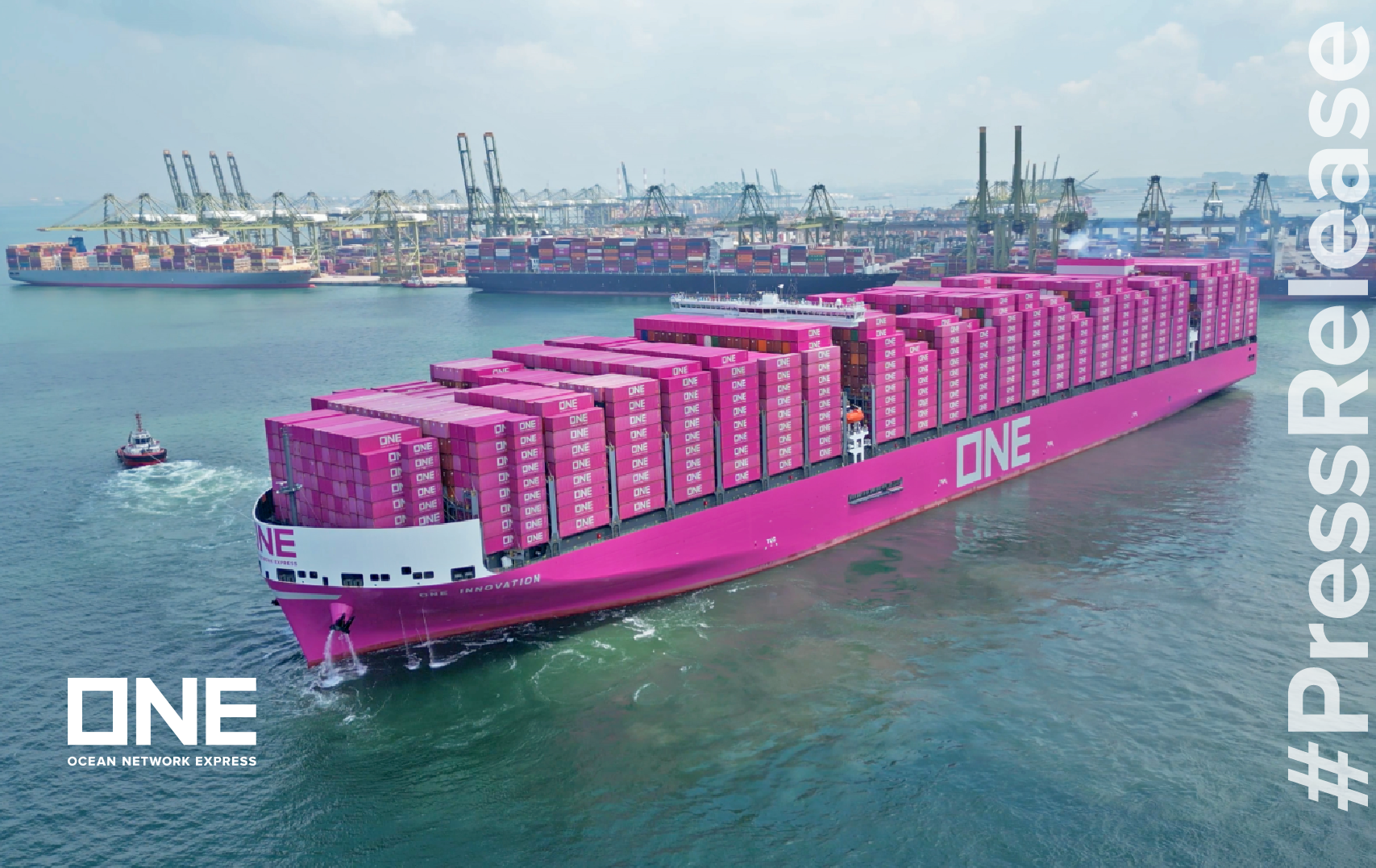
SINGAPORE : Ocean Network Express (ONE) has announced that it will implement changes to its Transpacific East Coast services starting in August 2025. The EC2 loop will omit Jacksonville until further notice, with the first affected vessel being the YM TOTALITY 0025E/W, scheduled to depart Xiamen on 5 August 2025.
This change removes Jacksonville from the rotation. Meanwhile, the EC3 loop will structurally adjust its port sequence by calling Jacksonville prior to Savannah.
This change takes effect with the ONE AQUILA 0029E/W, departing Laem Chabang on 2 August 2025.
The new EC3 rotation will be:
Laem Chabang – Cai Mep – Singapore – Colombo – Halifax – New York – Jacksonville – Savannah – Charleston – Norfolk – New York – Halifax – Singapore – Laem Chabang.
ONE has not indicated when the Jacksonville call on EC2 will be reinstated.
These adjustments are part of ongoing efforts to enhance service reliability and operational efficiency across the network.
The government has extended the anti-dumping duty on imports of clear float glass from Malaysia by another 18 months, keeping the protection in place for domestic manufacturers amid concerns of continued dumping.
The levy, which was set to expire in November this year, will now remain in force till 10 February 2026, unless withdrawn or amended earlier, according to a notification issued by the department of revenue.
Clear float glass, classified under Chapter 70 of the customs tariff, is widely used in construction, automotive, furniture, and solar industries. Indian manufacturers had argued that the removal of the duty would lead to a surge in imports at unfairly low prices, undermining local capacity and pricing discipline.
The anti-dumping duty on clear float glass was first imposed in November 2020 following an earlier investigation that confirmed dumping of the product from Malaysia was causing material injury to Indian producers. The current extension is aimed at preventing the recurrence of such injury.
According to trade experts, the extension of the duty is consistent with India’s trade remedy framework, which allows for the continuation of duties beyond the initial five-year period if dumping continues and is likely to hurt the domestic industry.
The decision follows a sunset review initiated by the directorate general of trade remedies (DGTR) on 27 March this year, after the domestic industry sought continued protection against low-priced imports from Malaysia.
“In exercise of the powers conferred… the anti-dumping duty imposed under this notification shall remain in force up to and inclusive of the 10th February, 2026,” the finance ministry stated in the latest notification.
While the notification does not revise the duty rates or structure, it sends a clear signal to importers and overseas suppliers that India will maintain a close watch on trade practices in sensitive sectors.
The review process typically examines the need for continued duties based on current data and may lead to a fresh determination on the quantum and duration of the levy.
India imports most of its clear float glass from Malaysia, Bangladesh, and Turkey. Globally, it is also the largest importer of the product, ahead of the US and Mexico. India leads the world with 25,599 clear float glass shipments, followed by the US with 9,696 shipments, and Mexico with 6,765 shipments.
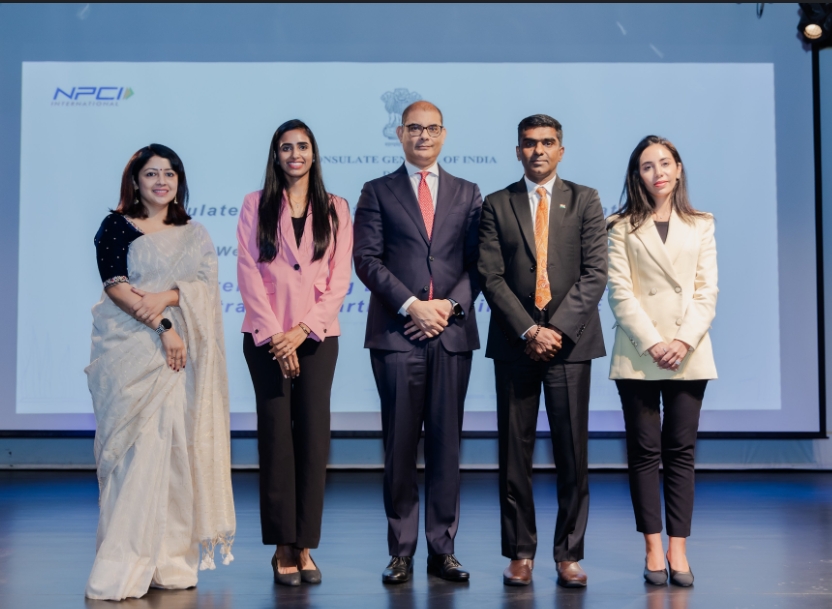
NPCI International Payments Limited has announced significant progress in expanding India’s Unified Payments Interface acceptance across the United Arab Emirates, unveiling strategic initiatives to deepen the digital payment platform’s integration as both countries strengthen their financial connectivity.
The expansion supports the UAE’s ambitious vision of achieving a cashless economy while enhancing cross-border payment experiences for millions of Indians who travel between the two nations annually. UPI, India’s real-time account-to-account payment system, enables instant and secure transactions through mobile applications, currently handling over 18 billion transactions monthly to become one of the world’s leading digital payment infrastructures.
The UAE represents one of India’s most active travel and remittance corridors, with India’s Ministry of Tourism reporting over seven million Indians visiting the UAE annually, making them the country’s largest group of international visitors. This substantial flow of travelers creates significant opportunities for digital payment integration, allowing visitors to use familiar mobile payment applications from India while providing UAE merchants access to a digitally sophisticated customer base.
Satish Kumar Sivan, Consul General of India in Dubai, emphasized the transformative impact of the integration, stating that the experience of Indian diaspora and travelers to the UAE will be revolutionized after complete integration of UPI with the UAE’s digital payments architecture. He praised NPCI International’s aggressive efforts with merchant establishments, payment solution providers, and banks in the UAE to ensure seamless experiences for Indian customers.
NPCI International has established a solid foundation for UPI in the UAE through strategic collaborations with leading financial institutions and payment solution providers. Key partnerships with NeoPay from Mashreq Bank, Network International, and Magnati have enabled QR-based UPI acceptance across a rapidly expanding merchant network. High-profile outlets including Dubai Duty Free and Lulu Hypermarket are already accepting UPI payments, allowing Indian customers to settle purchases directly from their Indian bank accounts.
Ritesh Shukla, Managing Director and CEO of NPCI International, highlighted the milestone as bringing unparalleled convenience to millions of Indian travelers and residents while strengthening the digital bridge between the two economies. He emphasized that the expansion demonstrates growing global confidence in India’s digital payment innovations and supports the UAE’s cashless economy vision through seamless, secure, and real-time payment capabilities.
To accelerate adoption, NPCI International is working closely with UAE regulators and acquirers to enable UPI in high-frequency sectors including retail, hospitality, entertainment, transportation, and essential services. The platform supports real-time payments in Indian rupees, displays transparent exchange rates, and complies with safeguards such as transaction limits, two-factor authentication, and international usage controls issued by the Reserve Bank of India.
The initiative aligns with the Government of Dubai’s announced goal of achieving 90 percent digital transactions by 2026. NPCI International is enhancing its presence in the country by expanding UPI acceptance through sustained collaboration with UAE-based partners, committed to delivering seamless and secure digital payment experiences that generate lasting value for consumers, merchants, and the wider economy.
The expansion represents a significant step in cross-border financial connectivity, leveraging UPI’s open and interoperable architecture along with its rigorous security framework that allows smooth adaptation to regulatory environments beyond India. The initiative demonstrates the practical application of digital payment innovation in supporting bilateral economic relationships and facilitating international commerce.
NPCI International, incorporated as a wholly owned subsidiary of the National Payments Corporation of India in April 2020, serves as NPCI’s international arm devoted to deploying India’s indigenous real-time payment system and card scheme outside of India. The company focuses on transforming payments globally through technology and innovation, enabling payments for Indians while supporting other countries in enhancing their payment capabilities through technological assistance, consulting, and infrastructure development.
SINGAPORE : The IMO is making significant progress towards modernising global maritime safety regulations, with new regulations that seek to enhance standards in order to accommodate new technologies and fuels, while making the maritime industry more adaptable and receptive to innovation.
The complexity of maritime safety is evident from the wide variety of topics currently on the agenda of the International Maritime Organization (IMO) – some of which are highlighted below.
Propulsion and steering – from prescriptive requirements to a goal-based format
Current regulations around propulsion and steering are part of the Safety of Life at Sea (SOLAS) treaty, which was drafted when most vessels were powered by conventional engines and manoeuvred by rudders. With so many other systems now available and in widespread use, work is underway to translate these existing requirements into a goal-based format that is suitable for all types of propulsion and steering – and which, we can presume, will also account for the wide variety of alternative fuels being introduced.
In its current form, SOLAS Chapter II-1 addresses traditional steering gear arrangements with a propulsion system and a rudder. Modern combined steering and propulsion systems (e.g. azimuth thrusters, waterjets) are, however, not addressed in the current regulatory framework, which is therefore seen as an obstacle to innovation.
The IMO is now working on a revision of SOLAS Chapter II-1 that addresses both traditional and non-traditional propulsion and steering systems. The new requirements will be goal-based and therefore naturally apply to all steering and propulsion system types. Crucially, they will be broader and more flexible than prescriptive regulations, outlining what needs to be achieved as opposed to how this should be achieved, allowing the IMO to define key safety criteria and leave the technical implementation to other stakeholders.
“A key benefit of goal-based requirements is that they provide the industry with the flexibility to accept new technologies and novel designs by meeting broad safety requirements instead of specific design criteria,” says Kathrine Ilje Nerland, Senior Principal Engineer and safety regulation expert at DNV. “In practice, this enables the maritime industry to adopt new fuels or operating systems with total clarity on safety expectations, while avoiding strict constraints on their ability to innovate.”
Fire safety for containerships
An increased number of serious fires in the cargo area on containerships has exposed technical challenges related to locating, containing, and fighting fires on these vessels.
The IMO is considering measures for the detection and control of fires in container cargo areas. These measures include:
Requirements for portable infrared thermal imagers, suitable for screening containers and detecting hot areas
Requirements and performance standards for water mist lances, including means for extended reach into containers
Requirements and performance standards for mobile water monitors and fixed water monitors
Water protection systems below the hatch coaming and pontoon hatches
One important consideration is that any regulations on tackling fires should aim to minimise any risk of danger to crew. “It’s important that regulatory updates improve technical safety without introducing new challenges, balancing the need to tackle fires with prioritising crew safety and welfare,” explains Nerland.
Charging up electric vehicle transport
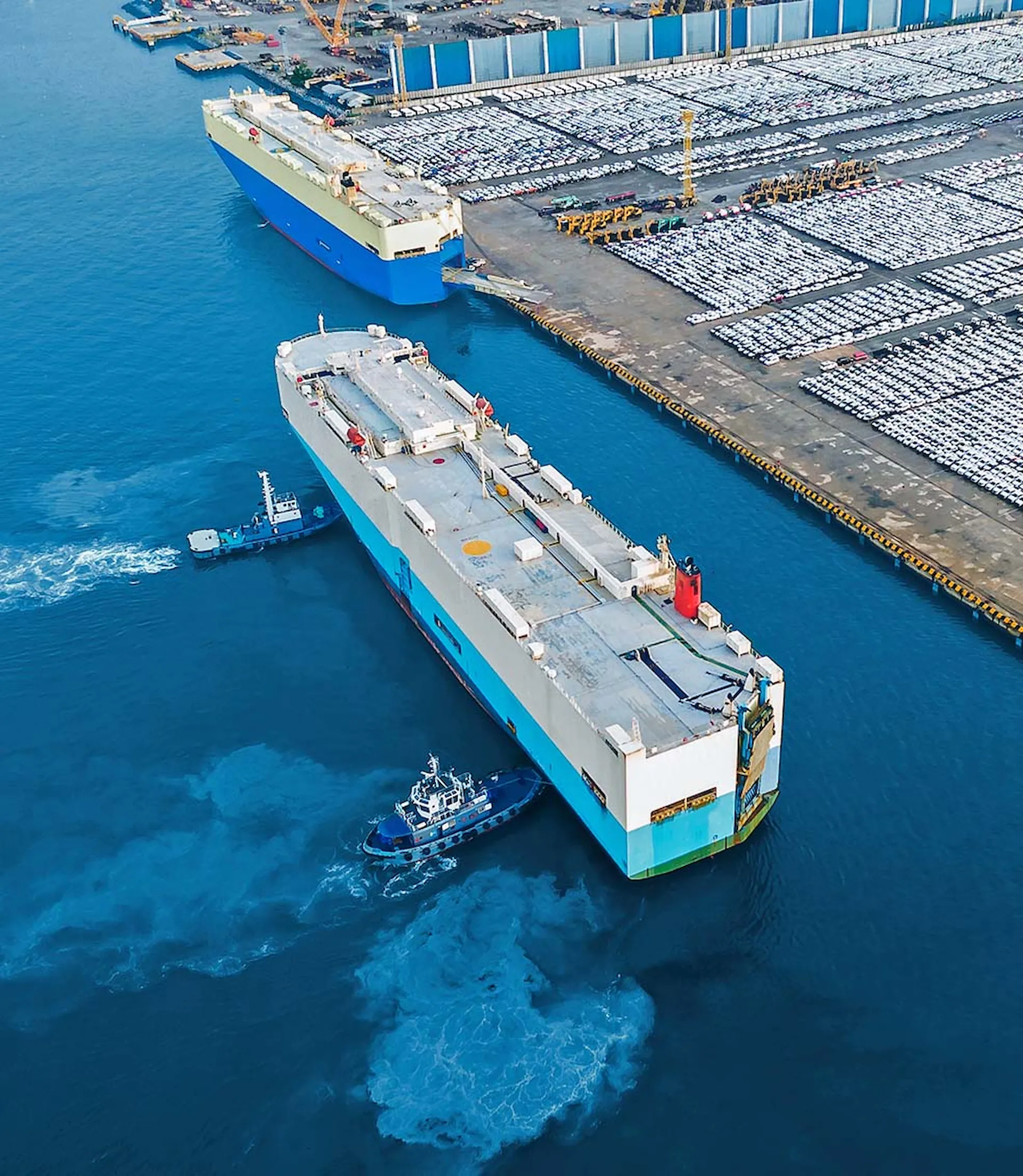
An increasing number of electric and new-energy vehicles are being carried onboard ships. The IMO has agreed to consider if there are additional fire risks involved, for example related to the carriage of lithium-ion battery-powered vehicles.
Therefore, the IMO has developed an action plan to evaluate the adequacy of fire protection, detection, and extinguishing arrangements in vehicles, special category, and ro-ro spaces in order to reduce the fire risk of ships carrying new-energy vehicles. The action plan includes the analysis of reports, studies, and technologies; the identification of hazards; and the development of related goal-based measures.
Safe Return to Port (SRtP) progress
The Safe Return to Port (SRtP) concept was introduced in SOLAS in 2010 with the intention of increasing the robustness and fault tolerance of passenger ships. Even in the event of a flooding or fire incident, a ship should be able to return to port with its own machinery and provide a safe area for everyone on board. The SRtP regulations apply to passenger ships with a length of 120 metres or more, or with three or more main vertical zones.
The IMO is working on a revision of the “Interim Explanatory Notes for the Assessment of Passenger Ship Systems’ Capabilities After a Fire or Flooding Casualty” (MSC.1/Circ.1369) to facilitate uniform implementation of the concept, taking into account experience gained so far.
One of the key discussions revolves around the concept of remaining operational, particularly in terms of assessing passenger ship systems’ capabilities after a fire or flooding incident and defining the criteria for what it means to stay operational.
Ensuring plain sailing for autonomous ships
The prospect of autonomous ships operating internationally with little or no human intervention has highlighted the need for a regulatory framework for such ships, including their interaction and co-existence with conventional manned ships.
The current regulatory framework generally assumes manning and human intervention. The IMO has agreed to first develop a non-mandatory, goal-based code, potentially entering into force as a mandatory code upon experience with its application. The purpose of the code is to provide a framework to address both the remote control and the autonomous operation of key functions of ships.
The chapters of the Maritime Autonomous Surface Ships (MASS) Code on risk assessment, remote operations, and connectivity are now nearing completion. The chapters on remote operation and connectivity will apply depending on the mode of operation and the functionality being applied.
The non-mandatory MASS Code is to be finalised by 2026, followed by an experience-building phase after its adoption. A mandatory code is expected to enter into force in 2032, at the earliest.
Prepare for change
DNV class customers are encouraged to visit the Compliance Planner to monitor how upcoming statutory requirements will impact their ships and subscribe to our Statutory newsletter sharing the main outcomes of safety relevant IMO meetings among others.
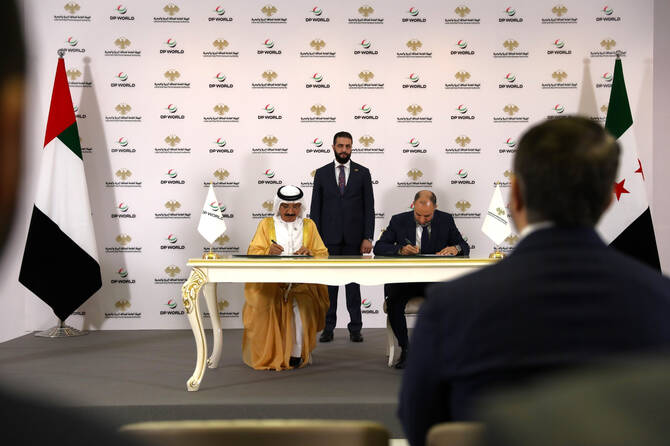
Syria’s General Authority for Land and Sea Ports on Sunday signed a $800 million agreement with UAE’s DP World to bolster Syrian ports infrastructure and logistical services, Syrian state news agency SANA reported. The agreement follows on from a memorandum of understanding signed between the two sides in May.
The deal with DP World, a subsidiary of United Arab Emirates investment company Dubai World, focuses on developing a multi-purpose terminal at Tartous on Syria’s Mediterranean coast and cooperation in setting up industrial and free trade zones.
The signing ceremony was attended by Syrian President Ahmed al-Sharaa. Last month, U.S. President Donald Trump signed an executive order terminating a U.S. sanctions programme on Syria, paving the way for an end to the country’s isolation from the international financial system and for the rebuilding of its economy shattered by the civil war.
The removal of U.S. sanctions will also clear the way for greater engagement by humanitarian organisations working in Syria, easing foreign investment and trade as the country rebuilds.
LONDON : The insurance cost of shipping goods through the Red Sea has more than doubled in recent days after Yemen’s Houthis attacked and sank two ships, killing at least four seafarers after months of calm, industry sources said.
The Red Sea is a critical waterway for oil and commodities but traffic has dropped sharply since Houthi attacks off Yemen’s coast began in November 2023 in what the Iran-aligned group said was in solidarity with Palestinians in the Gaza war.
War risk premiums have risen to around 0.7% of the value of a ship, from around 0.3% last week before the latest attacks took place, sources familiar with the matter said, with some underwriters pausing cover for some voyages.
Rates for a typical seven-day voyage period, which are set by individual underwriters, have been quoted this week at up to 1%, matching the peak level in 2024 when there were daily attacks. This adds hundreds of thousands of dollars in further costs for every shipment.
“The recent attacks in the Red Sea have highlighted the need for caution when considering a transit,” said Neil Roberts, head of marine and aviation with the Lloyd’s Market Association, which represents the interests of all underwriting businesses in Lloyd’s of London.
A Houthi attack on the Greek ship Eternity C on last Wednesday killed four of the 25 people aboard, maritime officials said. On Thursday, rescuers pulled four more survivors from the Red Sea. Houthi militants said they were holding some of the crew still missing.
The attack followed the sinking of another Greek-operated vessel on Monday, which the Houthis claimed responsibility for.
Some of their sister vessels had made calls to Israeli ports in the past year, an analysis of shipping data showed.
The Houthis attacked more than 100 ships from November 2023 to December 2024. In May, the U.S. announced a deal to stop bombing the Houthis in return for an end to shipping attacks, though the Houthis said the deal did not include sparing Israel.
Insurance industry sources said underwriters would try to avoid covering any vessel with links with Israel, even if it was indirect.
“What we have seen in the last week appears to be … a return to mid-2024 targeting criteria, which essentially involves any vessel with even a remote Israeli connection,” said Munro Anderson, head of operations at marine war risk insurance specialist Vessel Protect. “With ambiguity comes risk.”
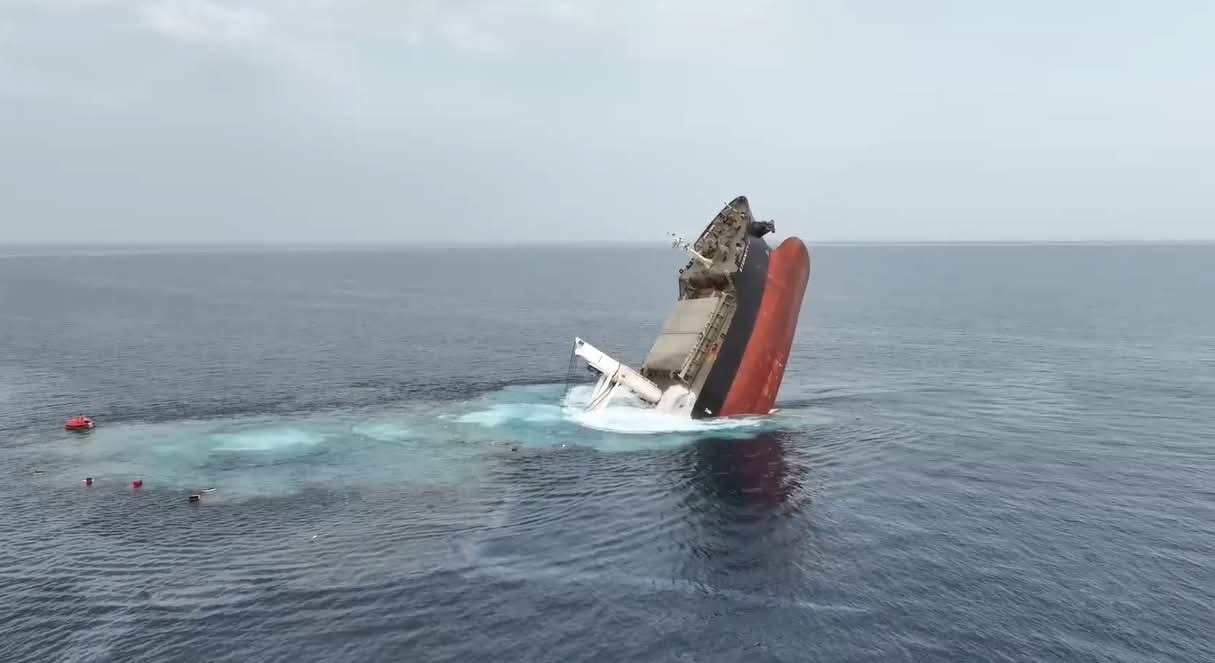
YEMEN : The search for those missing after Yemen’s Houthi rebels sank a ship in the Red Sea has ended as at least four people are presumed dead and 11 others remain unaccounted for, the private security firms involved said Monday (July 14, 2025).
The search for those missing after Yemen’s Houthi rebels sank a ship in the Red Sea has ended as at least four people are presumed dead and 11 others remain unaccounted for, the private security firms involved said Monday (July 14, 2025).
The announcement came as satellite photos show long, trailing oil slicks from where the bulk carrier Eternity C sank, as well as another where the sinking of the bulk carrier Magic Seas by the Iranian-backed Houthis took place.Both ships were attacked over a week ago by the rebels as part of their campaign targeting vessels over the Israel-Hamas war in the Gaza Strip that’s upended shipping in the Red Sea, through which $1 trillion of goods usually passes a year.
Private security firms Ambrey and Diaplous Group ran the search for those missing from the Eternity C, which had a three-man security team aboard but requested no escort from either the U.S. Navy or a European Union force in the region. The ship came under attack July 7 and faced hours of Houthi assaults by small arms and bomb-carrying drones before ultimately sinking in the Red Sea.
The initial attack on the Eternity C came a day after the attack on the Magic Seas. Both ships were Liberian-flagged, Greek-owned vessels.
Ten people were recovered alive from the attack, including eight Filipino crew members and a Greek and Indian from the vessel’s security team, the EU’s Operation Aspides said. At least four are presumed to have been killed in the attack, leaving 11 others missing, the EU mission has said.
The Houthis claimed to have taken some mariners after the attack but have offered no evidence of that. The U.S. Embassy in Yemen said it believed the rebels had “kidnapped” some of the crew.
“The decision to end the search has been taken by the vessel’s Owner reluctantly but it believes that, in all the circumstances, the priority must now be to get the 10 souls safely recovered alive ashore and to provide them with the urgent medical support they need at this difficult time,” a statement by the security firms said. “The thoughts of all those involved in the rescue operation are with the families of those who remain missing.”
The attacks on the vessels also raised concerns about damage to the environment in the Red Sea, home to corals and wildlife that draws divers, tourists and scientists. Satellite photos from Planet Labs PBC analysed Monday (July 14, 2025) by The Associated Press show large, spreading oil slicks in the southern Red Sea where the vessels sank.
Wim Zwijnenburg, an analyst with the Dutch peace organization PAX, estimated the length of the slick from the Eternity C at some 80 km and from the Magic Seas at some 65 km. He warned it could threatened wildlife reserves in nearby Eritrea in Africa and elsewhere.
The oil comes from the ship’s tanks and had been used for their own propulsion. Other shipping disasters have seen much of the slicks evaporate on their own, though they cause damage to the environment, too.
From November 2023 to December 2024, the Houthis targeted more than 100 ships with missiles and drones. In their campaign so far, the Houthis have sank four vessels and killed at least eight mariners.
The Houthis stopped their attacks during a brief ceasefire in the war. They later became the target of an intense weekslong campaign of airstrikes ordered by U.S. President Donald Trump before he declared a ceasefire had been reached with the rebels.
The Houthis’ new attacks come as a new possible ceasefire in the Israel-Hamas war remains in the balance. Meanwhile, the future of talks between the U.S. and Iran over Tehran’s battered nuclear program is in question after Israel launched a 12-day war against the Islamic Republic that saw the Americans bomb three Iranian atomic sites.
SINGAPORE : DHL Global Forwarding, the freight specialist arm of DHL Group, has announced three strategic leadership appointments in Asia Pacific with the upcoming retirement of Bruno Selmoni, Vice President and Head of Road Freight and Multimodal, DHL Global Forwarding. All three appointments will be effective 1 August 2025.
“Bruno’s retirement after almost 50 years of exceptional service marks both the end of an era and the beginning of an exciting new chapter for our region. There are new openings with his retirement, and I’m proud that we have filled them with outstanding internal leaders, which clearly indicates our colleagues’ drive and desire to grow within our network. Christopher, Praveen, and Bjoern each bring a powerful combination of expertise, experience, market insight, and fresh energy to their roles. These new appointments are a strategic step aligned with Strategy 2030 to accelerate sustainable growth, innovate our services, and empower our teams. I’m confident this team will drive our ambitions forward, delivering value for our customers and inspiring our colleagues to reach new heights,” said Niki Frank, CEO, DHL Global Forwarding Asia Pacific.
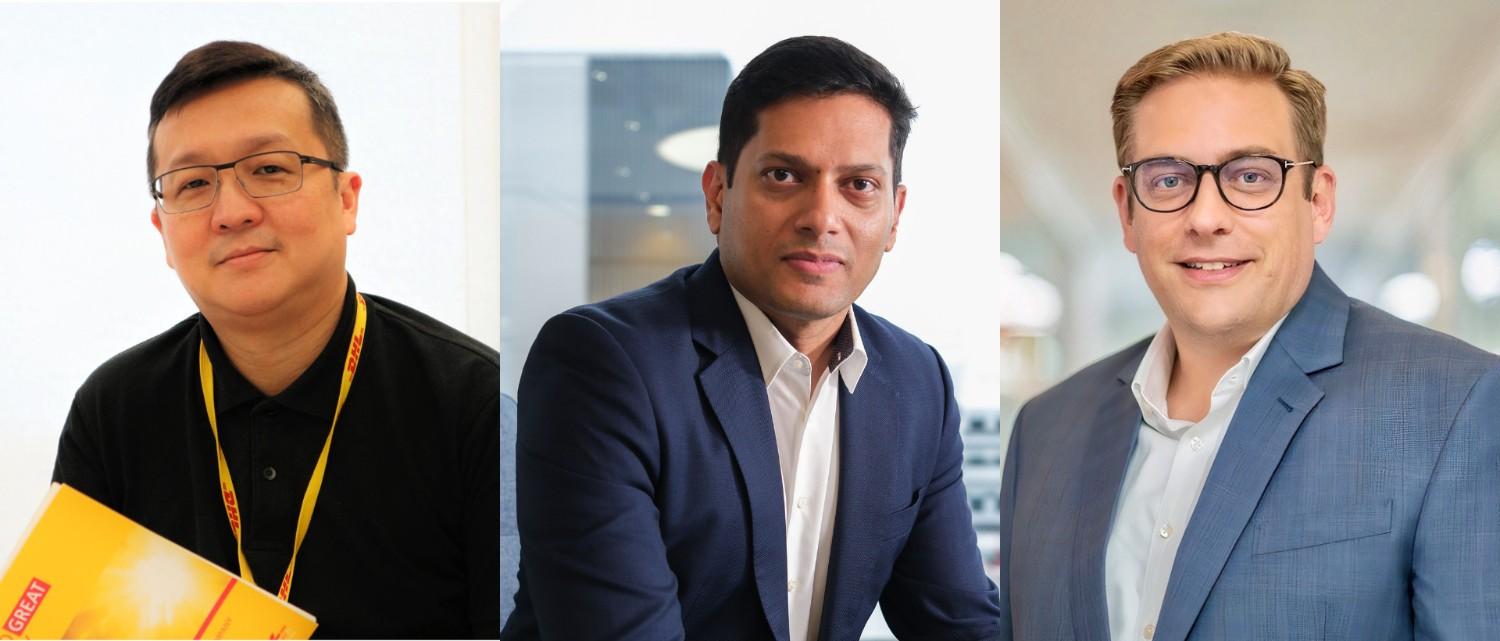
Christopher Lim appointed as Vice President and Head of Road Freight and Multimodal, DHL Global Forwarding Asia Pacific.
Christopher Lim, currently Managing Director, DHL Global Forwarding Singapore, Malaysia, and Brunei, will succeed Bruno Selmoni as Vice President and Head of Road Freight and Multimodal, DHL Global Forwarding Asia Pacific. He will continue to be based in Singapore and report to Niki Frank, CEO, DHL Global Forwarding Asia Pacific.
Christopher joined the DHL Group in 2004 as a Regional Account Development Manager, and has since assumed several management roles across DHL Global Forwarding. Serving clients in the telecommunications and network sector, he gained experience across various teams until he was announced as Head of Sales and Marketing of DHL Global Forwarding Hong Kong and South China in early 2013. He was promoted to Managing Director, DHL Global Forwarding Malaysia in the same year before his portfolio expanded to his current role in 2020.
Praveen Gregory takes over from Christopher Lim as Managing Director of DHL Global Forwarding Singapore, Malaysia, and Brunei.
With Christopher’s move, Praveen Gregory, currently Senior Vice President, Ocean Freight, DHL Global Forwarding Asia Pacific, will succeed Christopher as Managing Director of DHL Global Forwarding Singapore, Malaysia, and Brunei. Praveen will continue to report directly to Niki Frank and will be based in Singapore.
Praveen has extensive experience in the logistics sector. Before joining the DHL Group in Dubai Ocean Freight Operations in 2008, Praveen worked for Maersk. In 2010, he relocated to Germany and held several roles in Market Intelligence & Strategy and Product Development. He moved to Hong Kong in 2018 to take on regional management roles in Ocean Commercial Center and Account Management for Industrial Supply Chain (ISC). In 2022, he assumed the position of Vice President, Order Management Solutions Asia Pacific, before he took on his current role in 2023.
Bjoern Schoon takes over from Praveen Gregory as Senior Vice President, Ocean Freight, DHL Global Forwarding Asia Pacific.
Bjoern Schoon, currently Vice President, Global Business Development, Order Management Solutions (OMS) and Ocean Contract Management (OCM), DHL Global Forwarding, will succeed Praveen as Senior Vice President, Ocean Freight, DHL Global Forwarding Asia Pacific. Bjoern will relocate to Singapore and report directly to Niki Frank, with a dotted reporting line to Casper Ellerbaek, Executive Vice President and Global Head of Ocean Freight, DHL Global Forwarding.
Bjoern is a seasoned logistics expert with nearly 30 years of experience in ocean freight and supply chain across key global markets. Before joining DHL, Bjoern has accumulated invaluable leadership experience in his previous roles at Kuehne+Nagel, having assumed key positions including Managing Director for Belgium and Luxembourg in 2023. for Thailand, Cambodia & Myanmar between 2016 and 2022. Before these, he held senior roles in Singapore, Malaysia, Hong Kong, and South China, with experience in sea logistics, account management and customer service.
LONDON : The Baltic Exchange’s main sea freight index, which tracks rates for vessels transporting dry bulk commodities, rose to a four-week high on Monday, supported by gains across all vessel segments.
The main index, which tracks rates for capesize, panamax and supramax shipping vessels, gained 120 points, or 7.2%, to 1,783 points, its highest level since June 18.
The capesize index rose 263 points, or 12.5%, to 2,367.
Average daily earnings for capesize vessels, which typically transport 150,000-ton cargoes such as iron ore and coal, increased $2,180 to $19,633.
Iron ore futures edged higher, buoyed by strong China trade data, although gains were limited by production curbs in major steelmaking regions in the world’s second-largest economy.
The panamax index rose 89 points, or 4.8%, to 1,949, marking its highest level since June 18 last year.
Average daily earnings for panamax vessels, which usually carry 60,000-70,000 tons of coal or grain, gained $801 to $17,544.
Among smaller vessels, the supramax index added 25 points, or 2.1%, to 1,244. Source: Reuters