ClassNK launches Pilot Testing of 3D Model-based approval system with ten Japanese companies
TOKYO : ClassNK has launched a joint pilot test with ten Japanese companies for its drawing approval system ‘NK-PASS1’ and the ‘ClassNK 3DViewer2, both compatible with 3DMBA (3D Model-Based Approval), scheduled for official release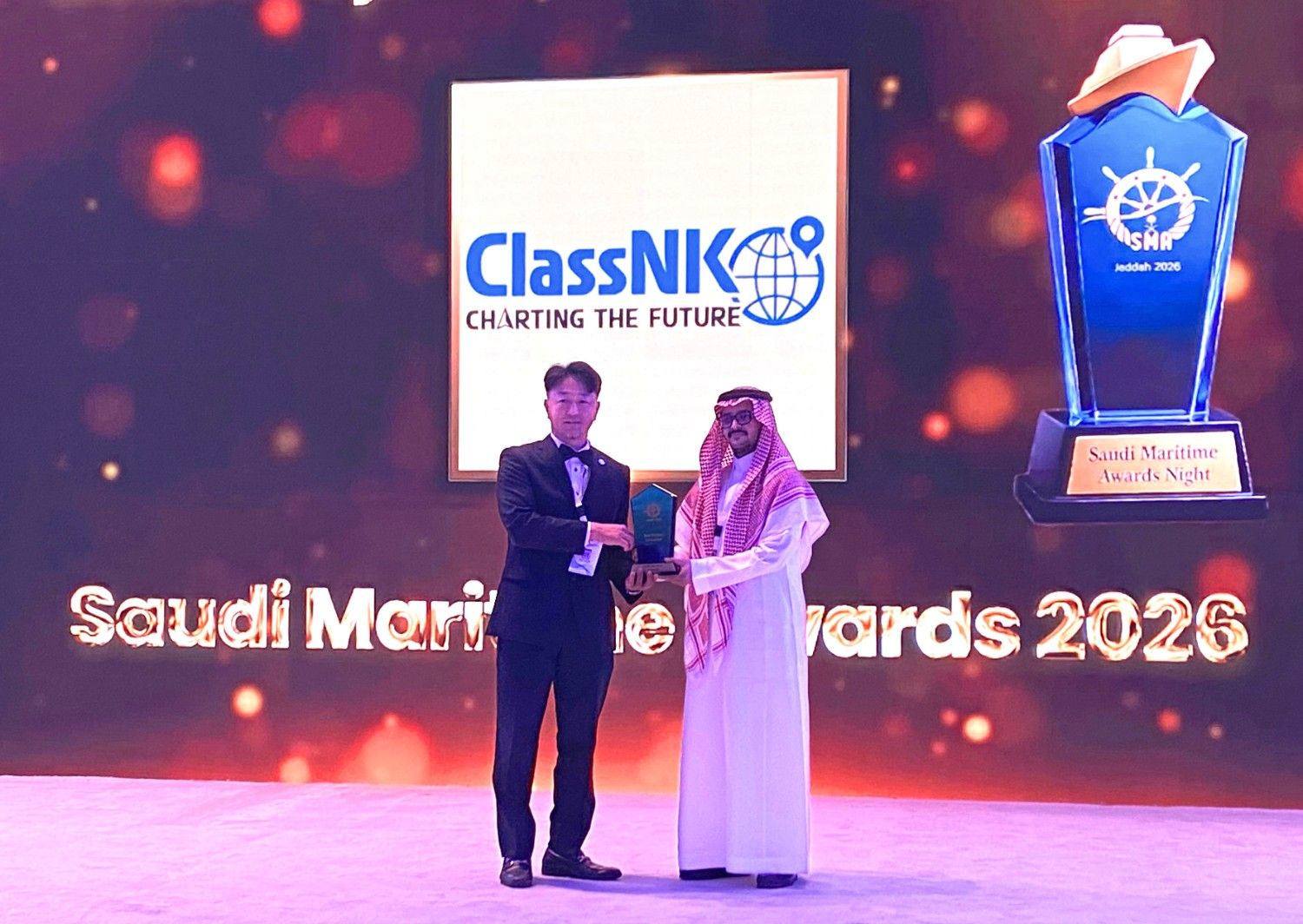
ClassNK Fleet Cost Simulation’ receives ‘Best Project Innovation Award’ at Saudi Maritime Awards
TOKYO: The service ‘ClassNK Fleet Cost Simulation’*1 provided by ClassNK has been honored with the Best Project Innovation Award at the Saudi Maritime Awards, hosted by Robban Assafina, the maritime media platform in the
ClassNK releases ‘ClassNK Technical Journal’
TOKYO: ClassNK has released ‘ClassNK Technical Journal’. This journal is issued with the aim of contributing technologically to the maritime industry and other related sectors by presenting ClassNK’s technical activities and research outcomes. The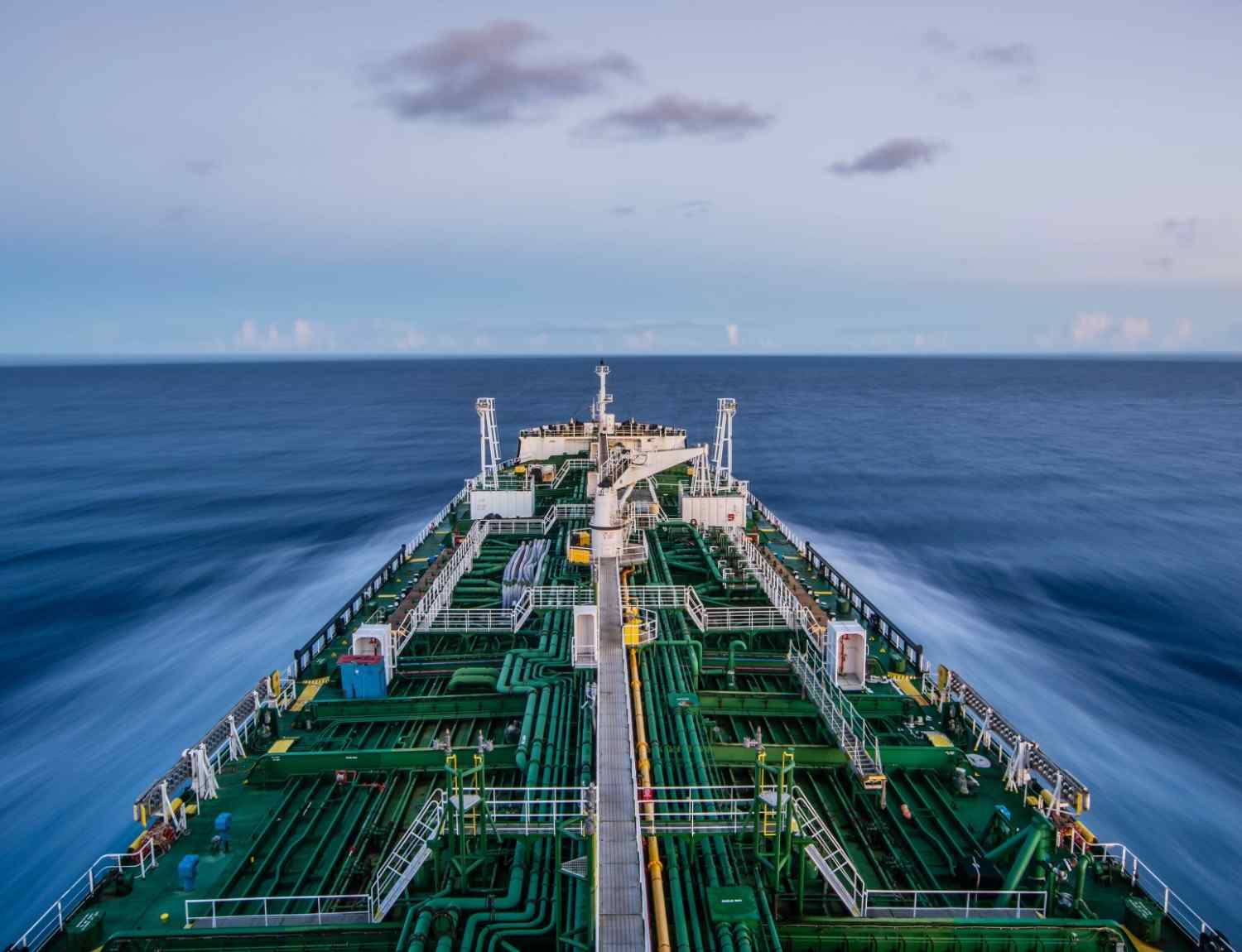
Coach Solutions and ClassNK partner to provide seamless verification of vessel emissions data
COPENHAGEN: Coach Solutions, a Kongsberg Company, and leading classification society ClassNK have partnered to deliver an automated emissions data verification process for their mutual clients. This creates a seamless experience for shipowners and Document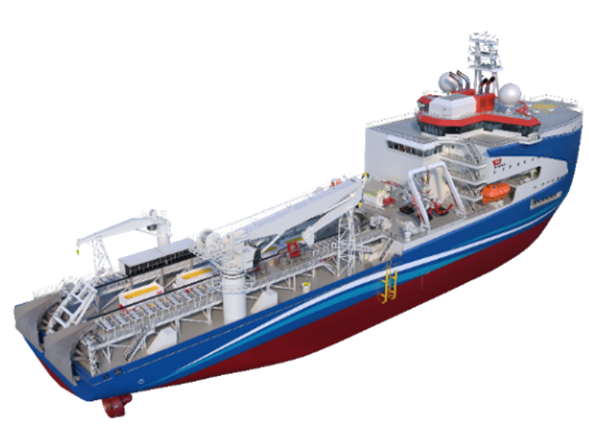
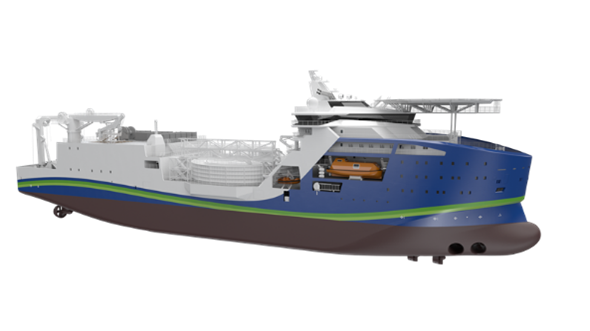
ClassNK grants Approval in Principle (AiP) for the designs of cable jointing vessel and cable burial vessel developed by Mitsui O.S.K. Lines
TOKYO: ClassNK has issued an Approval in Principle (AiP) for the designs of a cable jointing vessel and a cable burial vessel developed by Mitsui O.S.K. Lines, Ltd. The certification demonstrates its feasibility from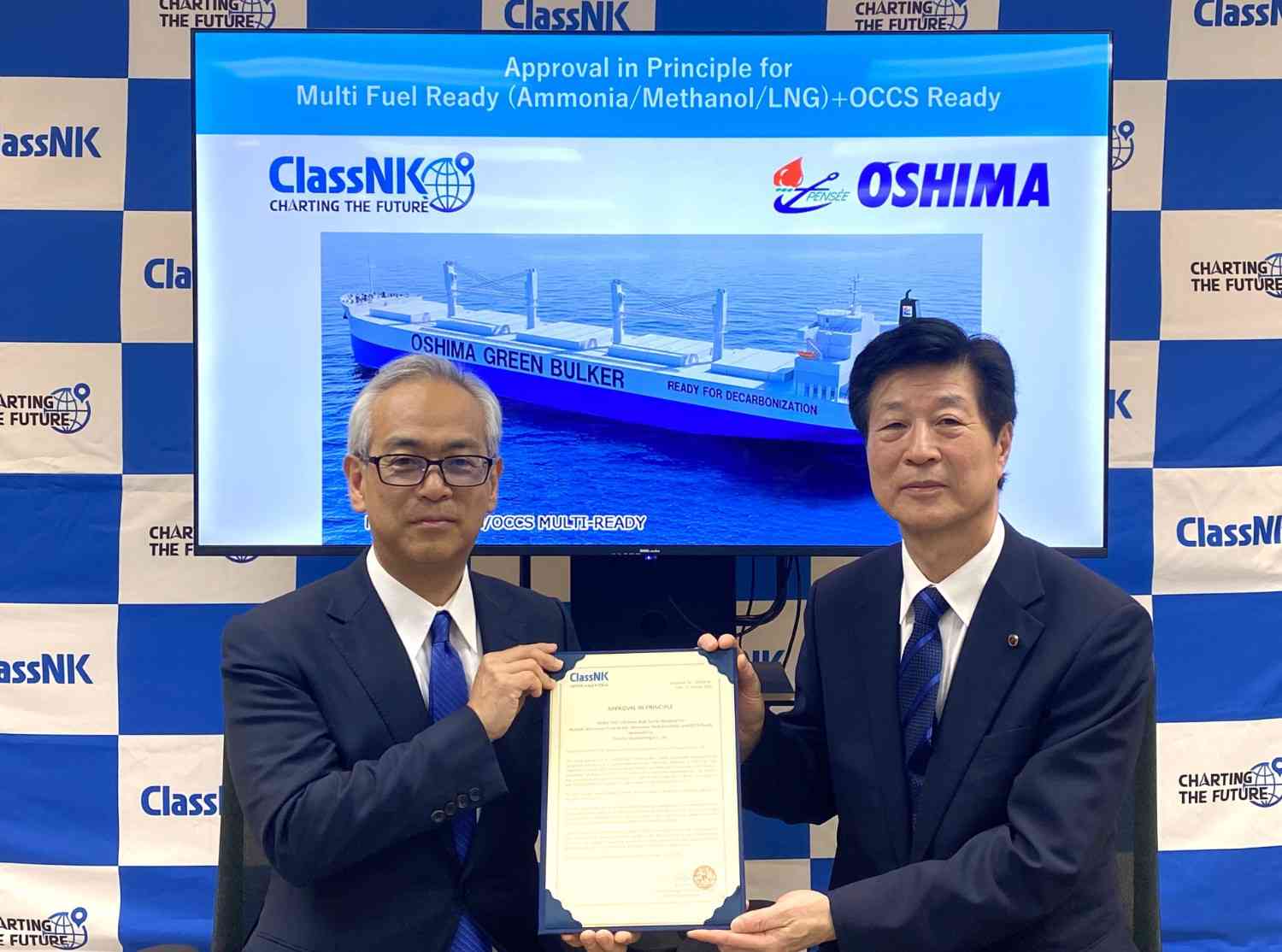
ClassNK issues Approval in Principle (AiP) for Multiple Alternative Fuels Ready (Ammonia/Methanol/LNG) and OCCS Ready Bulk Carrier by Oshima Shipbuilding
TOKYO: ClassNK has issued approval in principle (AiP) for a concept design of the Multiple Alternative Fuels Ready (Ammonia/Methanol/LNG) and OCCS Ready Bulk Carrier developed by Oshima Shipbuilding Co., Ltd. The certification confirms the
ClassNK issues General Design Approval (GDA) for Low-pressure LCO2 Cargo Tank developed by Mitsubishi Shipbuilding
TOKYO: ClassNK has issued a General Design Approval (GDA) for Low-pressure LCO2 Cargo Tank developed by Mitsubishi Shipbuilding Co., Ltd. This approval verifies the tank’s compliance with relevant rules at the detailed design level*1.
ClassNK issues Certificate of Technology Qualification for Ship Shore Coupler developed by Kawasaki Heavy Industries and TB Global Technologies
TOKYO: ClassNK has conducted Technology Qualification (TQ) for Ship to Shore Couplers (hereinafter ‘this product’) for liquefied hydrogen (LH2) transport jointly developed by Kawasaki Heavy Industries, Ltd. and TB Global Technologies, Ltd. and the