


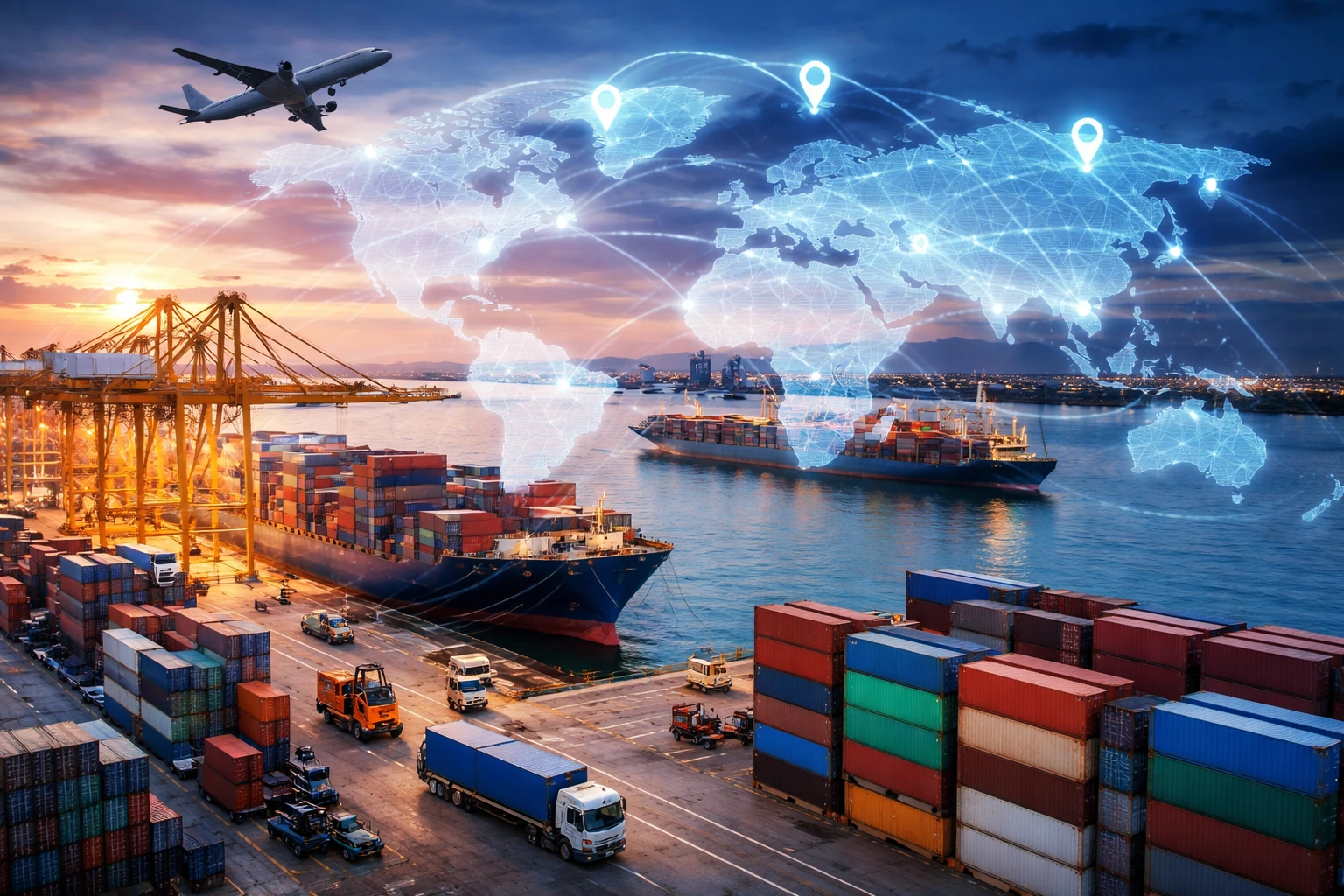
LONDON : Global Shipping companies are facing mounting costs and capacity constraints as trade disruptions force cargo operators to rely on alternative routes, raising concerns about higher prices for businesses and consumers worldwide.
Senior executives from some of the world’s largest shipping and logistics firms raised the concerns during a meeting on Wednesday with Director-General of the World Trade Organization, Ngozi Okonjo-Iweala. Industry leaders said that while global supply chains have remained resilient, ongoing disruptions in key maritime corridors, particularly in the Gulf region and other strategic chokepoints, are increasing operational costs and straining transport networks.
According to participants, efforts to reroute cargo through alternative maritime, land-based and port facilities have encountered significant limitations. Executives reported that many substitute routes are already operating near capacity, making it increasingly difficult and costly to divert shipments away from disrupted trade lanes.
One industry representative highlighted the scale of the challenge, noting that approximately 70 freight trains are required to transport the same volume of cargo carried by a single container ship.
Shipping executives also identified customs delays and logistical bottlenecks as growing concerns. The increased use of multimodal transportation networks and alternative trade corridors has created additional administrative and operational hurdles, slowing cargo movement and increasing uncertainty for businesses dependent on global trade.
Industry representatives emphasized the need for greater investment in port infrastructure, logistics systems and trade facilitation measures to maintain efficient and predictable supply chains. They also underscored the importance of adherence to international trade agreements and the principle of freedom of navigation.
Okonjo-Iweala highlighted the central role of maritime transport in the global economy, noting that more than 80 percent of world trade by volume moves by sea. She called for stronger cooperation between governments and the private sector to address emerging challenges and improve supply-chain resilience.
The WTO chief also pointed to the importance of fully implementing trade-facilitation measures, including customs modernization, greater digitalization of border procedures and improved information sharing among trading partners. She cautioned against the excessive use of trade restrictions, arguing that such measures can further disrupt supply chains and undermine global trade stability.
The meeting brought together executives from major shipping companies including MSC, CMA CGM, COSCO Shipping, Hapag-Lloyd, Ocean Network Express, Evergreen Marine Corporation, Yang Ming Marine Transport Corporation and China Merchants Energy Shipping, alongside leaders from major international shipping and freight organizations.
Source : Reporter