



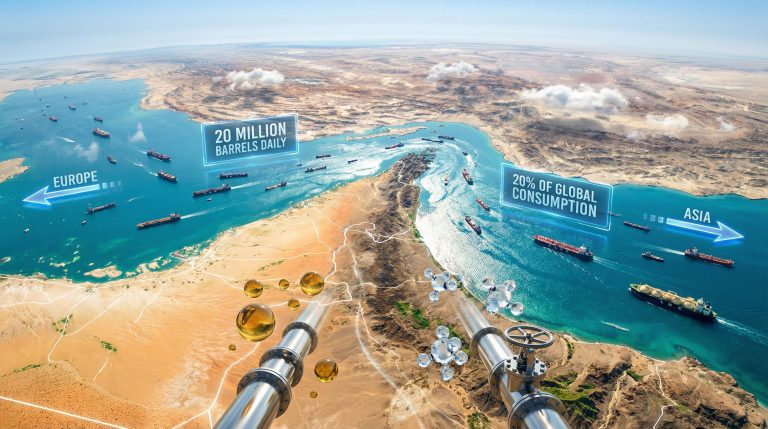
DUBAI : Gulf states are fast-tracking pipelines, export terminals and logistics corridors to reduce reliance on the Strait of Hormuz after the latest disruption exposed the region’s vulnerability to geopolitical conflict.
Existing alternatives such as the UAE’s Fujairah pipeline and Saudi Arabia’s East-West Pipeline are gaining strategic importance, while new projects could eventually divert more than 10m barrels per day from Hormuz.
The shift could redraw Middle East energy trade, boosting ports including Fujairah, Yanbu and Sohar, while creating longer-term challenges for tanker markets as more crude moves through overland infrastructure.
The latest Iran-Hormuz crisis has accelerated gulf states’ efforts to build pipelines, ports and rail links that bypass the world’s most important oil chokepoint, reshaping regional trade flows and potentially altering tanker demand for decades