Home Blog Page 177

APEDA facilitates first-ever sea shipment of value-added flavoured Makhana from Bihar to Canada

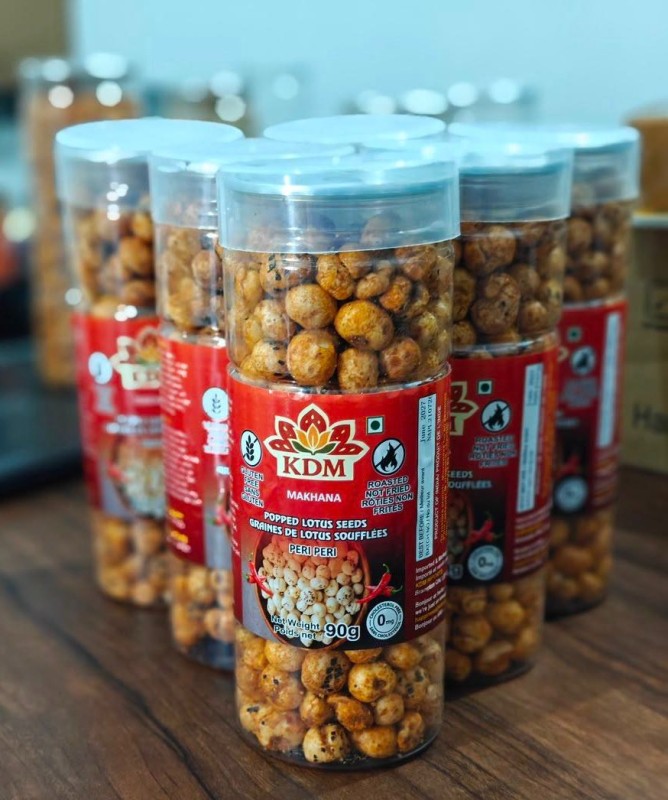
DARBHANGA : The Agricultural and Processed Food Products Export Development Authority (APEDA), under the Ministry of Commerce & Industry, Government of India, facilitated the flag-off of the first-ever sea shipment of value-added flavoured Makhana (fox nuts) from Darbhanga, Bihar, to Canada on 29 July 2026. The milestone export marks a significant step in promoting Bihar’s premium agricultural produce in global markets while expanding the state’s basket of value-added agricultural exports.

The consignment, comprising 7 metric tonnes packed in two containers, was dispatched through Mundra Port to ZKV Foods, Canada. The flavoured Makhana was processed and packaged by Nutrivin Agro Private Limited in accordance with international quality and food safety standards, reflecting Bihar’s growing capabilities in food processing, value addition and export-oriented manufacturing.

The flag-off ceremony was graced by APEDA Chairman, Shri Abhishek Dev, who appreciated the collective efforts of the exporter, processors, farmers, industry stakeholders and APEDA officials in facilitating the shipment. He said such collaborative initiatives are strengthening Bihar’s agri-export ecosystem, promoting value-added agricultural products and expanding global market access for the state’s unique produce.

The event was attended by Dr. Manoj Kumar, Scientist, ICAR Research Complex for Eastern Region, Research Centre for Makhana, Darbhanga; Shri Loknath Thakur, District Agriculture Marketing Officer; senior officers of APEDA; and exporters and stakeholders associated with the Makhana value chain.

Makhana, popularly known as fox nuts, is one of Bihar’s flagship agricultural products, with the state accounting for the largest share of India’s production. Renowned for its nutritional value and premium quality, Bihar’s Makhana has witnessed growing demand in international markets owing to increasing consumer preference for healthy and value-added food products. The export of flavoured Makhana is expected to further diversify export opportunities while enhancing the global recognition of this unique product.

The export of value-added flavoured Makhana has enabled associated Makhana farmers to realise over 50 per cent higher returns through value addition and improved access to international markets. It also demonstrates the potential of processing, branding and export-oriented value addition in enhancing the competitiveness of India’s agricultural products while strengthening farmers’ integration with global value chains.

APEDA has been consistently working to develop Bihar as a leading agri-export hub through capacity building, export infrastructure development, quality compliance, market linkages and value addition. It continues to work closely with State Governments, exporters, Farmer Producer Organizations (FPOs), processors and other stakeholders to strengthen India’s agri-export ecosystem through quality assurance, export facilitation and market development. The successful sea shipment of flavoured Makhana to Canada marks another important milestone in these efforts, creating sustainable income opportunities for farmers, processors and exporters while further enhancing the global presence of Bihar’s premium agricultural products.

Reliance strengthens Diesel export volumes to Europe and Brazil

LONDON: Reliance Industries ramped up diesel exports to Europe and Brazil in July, according to shiptracking ‌data and trade sources, which could help ease tight supply globally caused by the U.S.-Iran war and a Russian export ban.

The exports come after European diesel profit margins hit a record of $74 a barrel on Wednesday as the region’s stockpiles have fallen to their lowest since 2014 and ​escalation in the Middle East conflict hit Gulf exports to Europe.

About 4 million to 5 million barrels of the ​industrial and transport fuel were loaded at the refiner’s Jamnagar site this month for Europe, according ⁠to data from Kpler, Vortexa and two trade sources, returning to levels seen before the U.S.-Iran war started and the highest in ​10 months.

Reliance did not respond to a Reuters query seeking comment. Another factor behind the higher exports is Russia’s ban on diesel exports ​for most of July after Ukrainian drone attacks damaged some refineries. Moscow is expected to extend the ban to August. The world’s second largest crude importer, India has been stepping up fuel exports in the past year, capitalising on its position as a swing barrel supplier to markets both east and west ​of Suez.

Its diesel exports were at three-year highs in 2025, Kpler data showed.

Consultancy Energy Aspects expects Europe to face a ​shortfall of 833,000 barrels per day of middle distillates – diesel and jet fuel – in the third quarter.

The east-west spread, or the difference between ICE ‌gasoil ⁠front month prices and Asia swaps, widened to discounts of nearly $140 a ton in the past two trading sessions, versus $80 a metric ton in the first four weeks of July, LSEG data showed.

EXPORT FLOWS TO EUROPE UNCERTAIN FOR AUGUST

However, for this tradeflow to extend into August, Europe has to “out-bid an East that is still paying up for the same cargoes”, said Sparta Commodities head ​of commodities James Noel-Beswick. Despite the wider ​east-west spread, the economics ⁠for shipping diesel from India’s west coast using Long-Range 2 ships that can carry 90,000 metric tons (750,000 barrels) of the fuel to Asia is better than Europe in the first half of ​August compared with July, he added.

Freight costs are slightly more than $5 million to charter an ​LR2 tanker to ⁠ship refined fuels from west coast India to Europe, or $55 a ton, according to shipping data.

Diesel margins have also strengthened in Asia to four-month highs of $77 a barrel,with trading sentiment bolstered by tightness in markets west of Suez. India’s exports to Brazil are on track to ⁠hit an ​11-month high of 2.8 million barrels, Kpler shiptracking data showed, with cargoes ​to be loaded from Reliance’s Jamanagar refinery and Vadinar.

At the same time, Russian exports to Brazil for July have fallen to their lowest in nearly four ​years, according to the data.

Source: Reuters

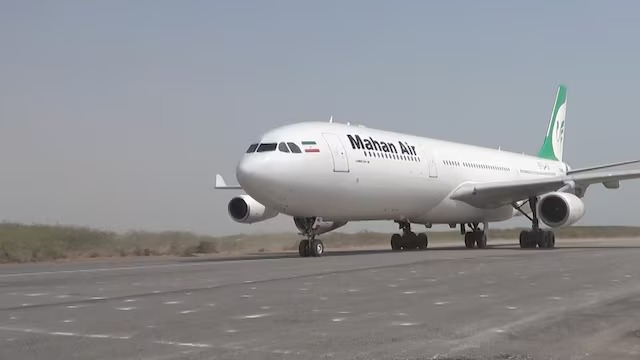
US sanctions India, China and Russia entities accused of aiding Iran’s Mahan Air and IRGC

WASHINGTON D.C. : The United States has imposed fresh sanctions on a multinational network spanning India, China, Russia and Iran, accusing the individuals and companies of helping Iran’s Mahan Air and the Islamic Revolutionary Guard Corps (IRGC) evade existing restrictions.

The sanctions, announced by the US Department of the Treasury’s Office of Foreign Assets Control (OFAC), target six entities and individuals alleged to have provided logistical, commercial and financial support to the sanctioned Iranian airline.

US officials have long accused Mahan Air of acting as a transport network for the IRGC-Qods Force, alleging that it has been used to move weapons, personnel and unmanned aerial vehicles (UAVs). Iran has previously rejected similar allegations.

“Those who provide financial services, logistics, or commercial support to the IRGC or Mahan Air are helping sustain a terrorist enterprise,” Treasury Secretary Scott Bessent said in a statement. “Treasury will continue to identify them, expose them, and cut them off from the US financial system.”

Firms in India, China and Russia sanctioned
The latest sanctions focus on companies that allegedly acted as General Sales Agents (GSAs) or commercial intermediaries for Mahan Air, enabling the airline to continue operating despite longstanding US sanctions.

Those sanctioned include:

Shanghai Wings International Logistics Co and Shanghai Elite International Travel Co in China, along with managing director Tang Xin. According to the Treasury, Shanghai Wings coordinated shipments of electronics from China to Iran while also supporting Mahan Air’s commercial operations.

Skiez Travels and Logistics Private Limited in India, which US authorities identified as Mahan Air’s principal commercial and customer support partner in the country.

Air Cargo Pro Limited in Russia, accused of providing freight-forwarding and logistics services for the Iranian airline.

The Treasury said disrupting these commercial partners is intended to weaken Mahan Air’s ability to transport cargo and passengers internationally.

Iranian company accused of supporting IRGC
The Treasury also designated DadeNegar, an Iranian company that US authorities allege functioned as a front organisation for the IRGC.

According to the US government, the company was involved in supporting IRGC intelligence activities, including gathering information on American and Israeli facilities during a period of heightened regional tensions.

The announcement comes amid continuing instability in the Middle East and follows recent attacks on commercial shipping and regional infrastructure that Washington has blamed on Iran-backed groups.

What the sanctions mean
Under the new measures, any assets belonging to the sanctioned individuals and entities that fall under US jurisdiction will be frozen. American citizens and businesses are also prohibited from conducting transactions with them.

The sanctions could also have wider international consequences through so-called secondary sanctions. Foreign banks or financial institutions that knowingly facilitate transactions for the designated entities risk losing access to the US financial system, increasing pressure on global companies to sever business ties with the sanctioned network.

The latest action is part of Washington’s broader campaign to tighten economic pressure on Tehran and disrupt the international networks that US authorities say help sustain Iran’s military and regional operations.

Source : Firstpost

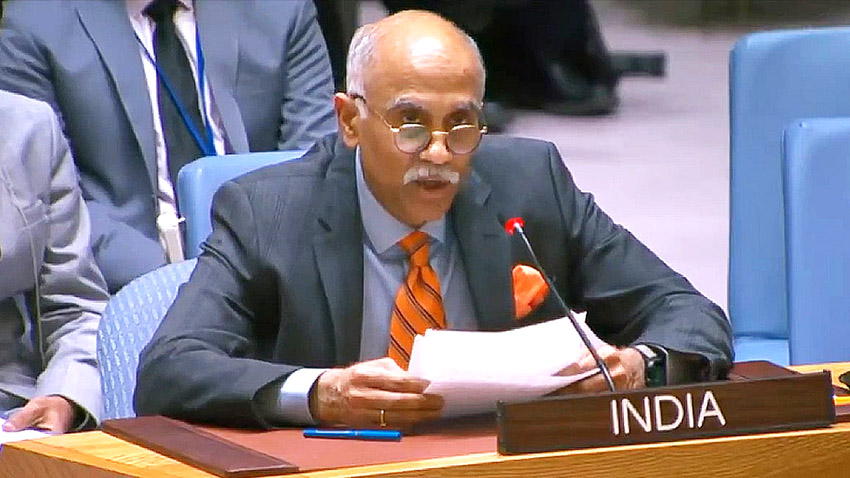
India condemns attacks on ships in Hormuz at UN Security Council

NEW DELHI : Describing the escalation of hostilities in West Asia as “deeply concerning”, India has strongly condemned recent attacks on several maritime vessels in the Strait of Hormuz, calling for the restoration of unimpeded navigation and trade through international waterways in the region.

Terming West Asia as a region of “immense importance” to India, Permanent Representative of India to the UN Ambassador Parvathaneni Harish said, “After a brief pause in the ongoing conflict in the region, there has been a worrying resumption of attacks and escalation of hostilities. This is deeply concerning and India calls for an immediate de-escalation of tensions.”

Addressing a UN Security Council open debate on the situation in the Middle East on Tuesday, Harish voiced India’s strong condemnation of attacks on several vessels – GFS Galaxy, MT Al Bahiyah and MT Mombasa among them – during their transit through the Strait of Hormuz this month.

“Several Indian citizens were injured, including some seriously, one Indian tragically lost his life, and one is missing, in these attacks. India has consistently condemned acts of violence targeting seafarers and disrupting free and safe navigation through international waterways like the Strait of Hormuz,” he said.

India strongly advocates a return to dialogue and diplomacy in the interests of peace, security and stability in the region.

“The targeting of commercial shipping and civilian infrastructure in the region must end, and free and unimpeded navigation and commerce through the international waterways in the region, in keeping with international law, must be restored,” Harish said.

Amid the US-Israel war against Iran, the UN has noted that following attacks on commercial vessels from July 6, Iran declared the Strait of Hormuz closed again on July 11.

Daily transits, which exceeded 100 before the conflict and had recovered to 49 by July 7, fell to as low as 8-15 by mid-July, the UN Economic and Social Commission for Asia and the Pacific has said.

Harish underscored that India’s stakes in the security and stability of the region are high and noted that India’s trade and energy supply chains are strongly linked to the West Asia region.

With bilateral annual trade of around USD 180 billion, cumulative Foreign Direct Investment of over USD 31 billion, and remittance of more than USD 52 billion from Gulf Cooperation Council alone, these linkages have direct implications for India’s economy and energy security.

Around 10 million Indians live and work in the Gulf region. “Their safety and well being are a key priority for us,” he said.

Harish, who delivered the statement in English, switched to Arabic as he spoke about the situation in the Gaza Strip, India’s development assistance to the Palestinian people and India’s long standing support for the two-state solution.

Speaking in Arabic, Harish told the Security Council that the world’s focus on the Strait of Hormuz must not divert “our attention away from the dire humanitarian crisis in the Gaza Strip”.

The loss of civilian lives and destruction of civilian infrastructure are pressing concerns that the international community must act on immediately, with a deep sense of urgency, he said.

Continuing in Arabic, Harish said that India is firmly committed to efforts that make a tangible impact on the daily lives of the Palestinians and Delhi’s development assistance amounts to around USD 175 million, ranging from development projects, humanitarian assistance and contributions to the United Nations Relief and Works Agency for Palestine Refugees in the Near East (UNRWA), among others.

“India has been a top emerging donor of UNRWA and we have given operational flexibility to the UN Agency for utilising our contributions,” he said.

Earlier this month, at the Palestine donor group meeting in Brussels, India announced its commitment to establishing a speciality hospital, an artificial limb fitment centre and a vocational training institute for Palestine. India’s ongoing projects include the construction of the Palestinian Institute of Diplomacy, he said.

He added that the international community should simultaneously press ahead for a sustainable and durable political solution, even as it works on alleviating the humanitarian distress of the Palestinian people.

“India believes that a sovereign, independent and viable State of Palestine living side by side in peace with Israel, within secure and recognised borders, is essential to a comprehensive and lasting solution,” he said in Arabic.

On Yemen, India reaffirmed its unwavering commitment to the unity, sovereignty, and territorial integrity of the West Asian country and rejected any interference in its internal affairs.

“We further condemn attacks by Houthis on maritime navigation. The protection of the Bab al-Mandab Strait and the Southern Red Sea is a shared international responsibility and is a global interest,” Harish said.

On Lebanon, India said UN Interim Force in Lebanon (UNIFIL) peacekeepers serve in challenging circumstances, pursuing UN Security Council mandates and therefore, must never become targets. India has strongly condemned all attacks on UNIFIL peacekeepers, stressing that their safety and security are a priority.

“Further, it is important to be ready for a post-UNIFIL scenario, and in this context, the Lebanese Armed Forces must receive requisite support and assistance,” Harish said.

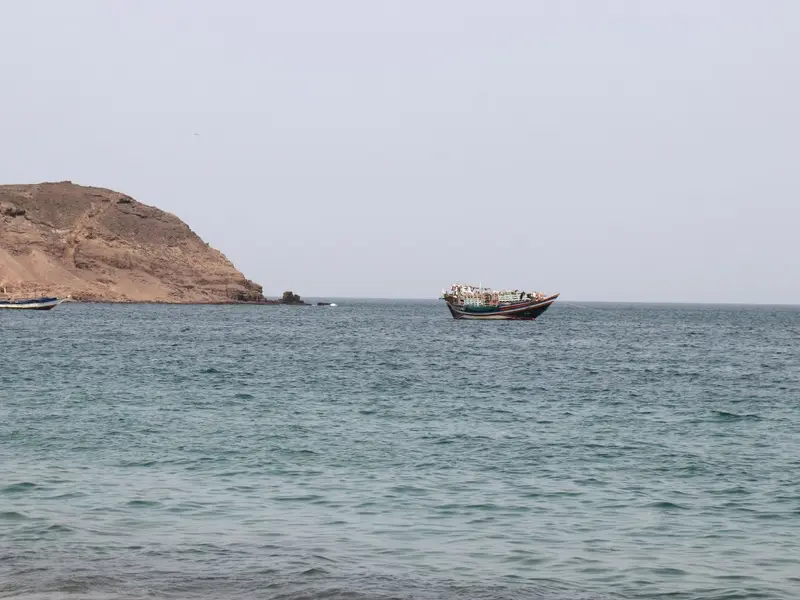
Yemen government says Houthis planning to impose fees for Red Sea transit

YEMEN : A Minister in Yemen’s internationally recognised government on Wednesday (July 29, 2026) accused Houthi rebels of working under Iranian guidance to establish a system to impose fees for ships transiting the Red Sea and the Bab al-Mandab Strait.

The narrow maritime artery has been a critical waterway for delivering vast quantities of Saudi crude to the international market, after energy exports were largely choked off by fighting in the Strait of Hormuz.

Information Minister Moammar al-Eryani described “the move as a dangerous escalation aimed at transforming one of the world’s most strategic maritime corridors into a permanent source of funding for the militia’s military and terrorist activities”.

Mr. Eryani said the assessment was provided by recently obtained “confirmed intelligence” indicating that Iran’s Revolutionary Guards were helping manage the effort.

“The intelligence indicates that IRGC experts and advisers are directly involved in designing the technical and administrative framework of the project,” the minister added in comments exclusive to AFP.

He added that this would include “the establishment of a dedicated entity responsible for collecting payments from shipping companies and commercial vessels”.

Anxieties are growing across the Gulf that the Houthis are hoping to copy Iran’s playbook in the Strait of Hormuz by monetising access to the Bab al-Mandab Strait — a move likely to send world energy markets into further disarray.

Last week, the Houthis announced a maritime blockade of Saudi Arabia and have since claimed attacks targeting Saudi tankers and oil infrastructure.

The blockade has threatened Saudi Arabia’s ability to export millions of barrels of crude a day, cutting off the kingdom’s only other maritime route following Iran’s parallel blockade of the Strait of Hormuz.

Saudi Arabia seeks international coalition to protect Red Sea Shipping from Houthis

RIYADH : Saudi Arabia is seeking to ​build an international coalition to protect shipping ‌in the Red Sea from Houthi attacks, two people familiar with the deliberations said on Wednesday.

The composition of ​the coalition has not yet been finalised ​and is being discussed with dozens of ⁠countries, the sources said.

The Saudi Center for International ​Communication did not immediately respond to a request ​for comment.

The Iran-aligned Houthis said on July 20 they would impose a naval blockade on Saudi Arabia in the ​Red Sea in response to what they described ​as a Saudi siege on Yemen, an allegation Riyadh has ‌denied.

Since ⁠then, the Houthis said they have launched attacks on Saudi vessels in the Red Sea. Saudi Arabia has responded with air strikes on ​what it said ​were Houthi ⁠military facilities at Yemen’s Hodeidah port used to threaten commercial shipping.

The ​blockade has opened a new front against ​the ⁠United States and its allies in the wider Iran war, expanding attacks on tankers carrying energy and ⁠other ​supplies to waters beyond the ​Gulf and pushing oil prices higher.

Source : Reuters

Kalmar and APM Terminals announce strategic partnership to advance development of terminal technology

HAGUE : Kalmar, global provider of cargo-handling equipment, automation solutions and services for ports, terminals and logistics operations, and APM Terminals have announced a strategic partnership to advance the development of next generation terminal technology and thereby further ensure resilient, safe terminal operations.

This strategic partnership encompasses two core initiatives designed to drive efficiency and optimise automated terminal operations:

Joint software development and deployment: APM Terminals will gain access to the Kalmar One source code working alongside Kalmar counterparts to develop the solution. The deployment of the software to existing and perspective terminals will also be executed in close collaboration.

Product roadmap alignment: Kalmar and APM Terminals will work closely together to deeply integrate APM Terminals’ operational know-how into the Kalmar One automation system. This alignment will help develop the offering further to meet the evolving needs of automated terminals.

A key component of this partnership is the shared value it creates for both organisations through the development of an Automation as a Service-approach.

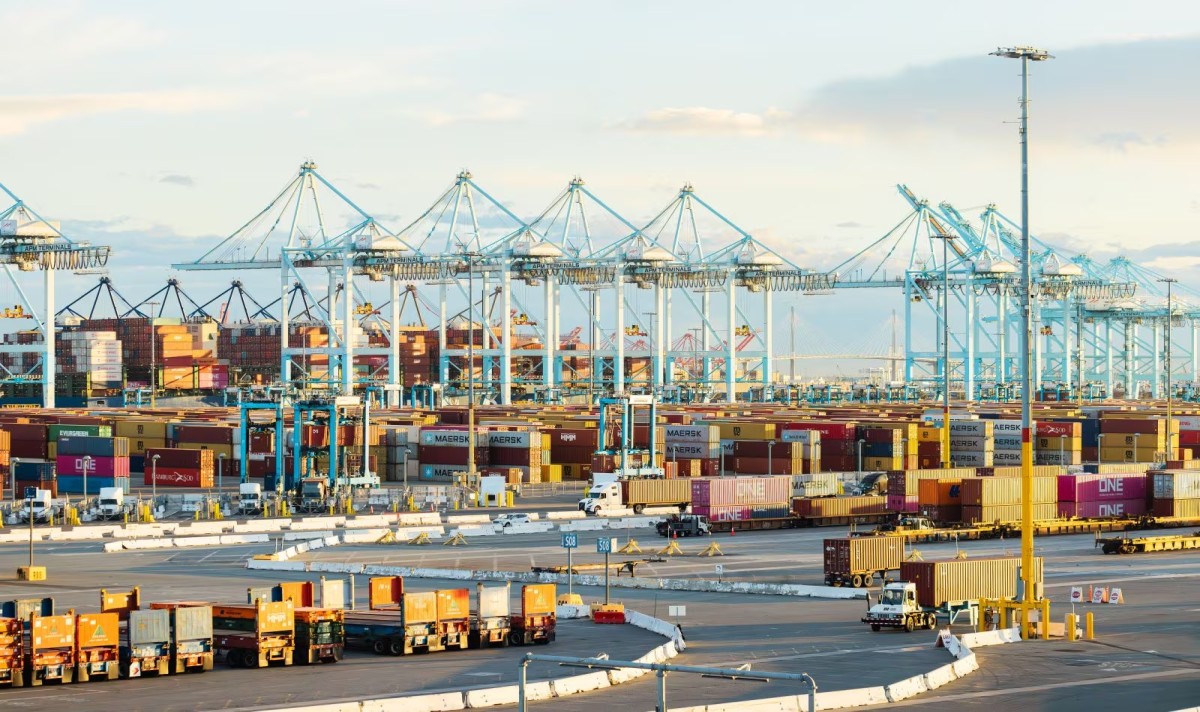
APM Terminals currently deploys Kalmar One at its Pier 400 terminal in Los Angeles, California, which is the largest container port terminal in the Western Hemisphere.

Hans Jacobs, Head of Operational Technology & Analytics, APM Terminals, says: “This partnership with Kalmar reflects our commitment to shaping the next generation of terminal technology through closer collaboration. By combining Kalmar’s equipment and software capabilities with APM Terminals’ operational and technology expertise, we are able to co-develop integrated automation solutions that are safer, more transparent, adaptable and aligned with real operational needs. This collaboration allows us to bundle technology and know-how in a way that strengthens performance and enables growth, while setting a new standard for partnership in the industry.”

Juuso Kanner, Vice President, Automation, Kalmar says: “We are delighted to announce this strategic partnership with APM Terminals. This collaboration represents an industry first and a major milestone in the development of terminal automation. Through the partnership, APM Terminals can further reduce complexity and enhance efficiency via a common platform across its automated terminals. Furthermore, all customers who have or will have deployed Kalmar One will benefit from the enhancements developed through this collaboration and APM Terminals’ considerable expertise in terminal operations.”

INTERCARGO Member Fleets continue to Outperform on Safety and Compliance

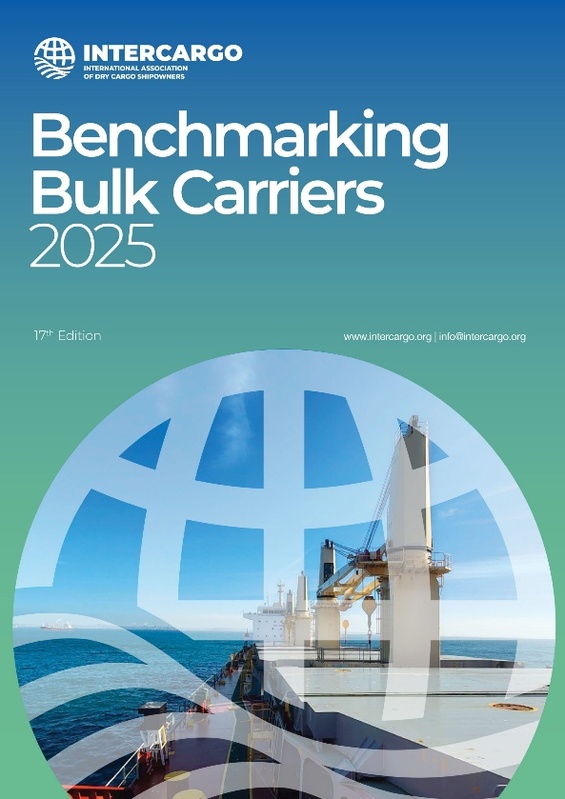
LONDON: Dry bulk carriers entered with INTERCARGO continue to demonstrate stronger performance than the global fleet average on safety and compliance, according to the Association’s 17th edition Benchmarking Report. The report highlights meaningful differences across the sector, with significant variations in inspection outcomes, operational risk and regulatory performance.

INTERCARGO Benchmarking Bulk Carrier 2025 1 INTERCARGO Member Fleets continue to Outperform on Safety and Compliance

INTERCARGO-member ships recorded a Detention Rate of 1.5% in 2025, against 2.5% for the global bulk carrier fleet, and a Deficiencies per Inspection ratio of 1.62, against 2.07 globally. Both measures rose only marginally for INTERCARGO-entered ships this year, at a notably slower rate than the wider fleet, while the global fleet recorded a more pronounced deterioration, further widening the performance gap.

Alan Nugent, Nautical Affairs Manager at INTERCARGO said: “Benchmarking is a fundamental component of effective safety management enabling organisations to assess their performance against industry peers and identify opportunities for continuous improvement.

“The 17th Edition of Benchmarking Bulk Carriers serves as a valuable tool for the dry bulk sector, providing insight into performance across key metrics, including Port State Control performance, and crew injury and lost-time incidents.

“INTERCARGO continues to champion quality, safety and sustainability across the global fleet, while providing strong support and leadership for its membership.”

The Benchmarking Report draws on a range of public and commercial data sources to evaluate performance across key indicators, including Port State Control, casualty reporting and crew injury rates. Together with INTERCARGO’s wider safety initiatives, such as its annual Casualty Report and the recently launched Ship-To-Ship (STS) Transfer Guidelines, the Association seeks to strengthen safety, compliance and performance across the global dry bulk sector.

GEODIS First Semester 2026 – GEODIS demonstrates the resilience of its model in a challenging global environment

PARIS: GEODIS, a global leader in transport and logistics solutions, published its main financial indicators for the first semester of 2026 on Thursday. In a global transport and logistics market that is both buoyant and under significant pressure, the Group has maintained its profitability at 10.0% (vs. 9.9% in the first half of 2025).

These results reflect the strength of the GEODIS model, a French leader among the world’s top ten logistics players, present throughout the entire supply chain of its customers. The Distribution & Express activity posted growth, driven by increased volumes in France and by mechanisms mitigating the effects of rising fuel costs. Conversely, road transport operations in France, the United States, and Europe are operating in a context of weak demand, with the exception of less-than-truckload (LTL) transport in Poland, which benefits from the region’s industrial dynamism. At constant scope and exchange rates, contract logistics is stable, supported by a portfolio renewal thanks to strong commercial development at the beginning of the year.

“These half-year results illustrate the robustness of GEODIS in an environment that remains complex. Our market is shaped by fundamental trends: growth in global trade, regional reshoring, digitalisation, energy transition, and climate challenges. Nevertheless, it remains highly exposed to volatility. In this context, our integrated model, global presence, and culture of operational excellence are major assets for our customers. We continue to execute our strategy with confidence to support them in transforming their supply chains and building logistics that are more efficient, more digital, and more sustainable,” says Marie-Christine Lombard, CEO of GEODIS Group.

Stable half-year results in a volatile and uncertain macroeconomic environment

In the first half of 2026, GEODIS recorded revenue of €5.3 billion. At constant scope and exchange rates, the decline was limited to -€76 million (-1.4%). This result reflects the solid performance of the Group’s activities, the strength of its diversified model, and the continued rigorous management in a market environment that remains mixed. It also demonstrates GEODIS’s ability to support its customers in adapting and optimising their supply chains —a key factor in cost control—while pursuing its priorities in operational performance, business development, and deep adaptation to the climate emergency.

A first half dedicated to the 2026-2030 strategy

During the first half, GEODIS continued to execute its strategic priorities:

1. Strengthening operational performance and network

GEODIS reinforced its capabilities in France with the completion of the acquisition of Transports Malherbe (March 2026). This operation consolidates the Group’s position in the full and partial truckload market, strengthens its territorial coverage, and increases its capacity to support customers in key sectors such as agri-food and mass distribution.

The Group also took an important step in structuring its port offering, with the unification of Sealogis, Sealogis Freight Forwarding, and XP LOG under the GEODIS brand (April 2026), as well as the inauguration of its first multi-service port hub in Le Havre (June 2026). This integrated platform illustrates GEODIS’s ability to offer a complete end-to-end solution, from the arrival of goods to their final delivery.

2. Accelerating decarbonization and adaptation to the climate emergency

The Group achieved the highest level of CDP recognition with an “A” Climate Change 2025 rating, acknowledging the quality of its climate governance, the transparency of its commitments, and the implementation of concrete actions.

This momentum resulted in several advances: surpassing 200 electric charging stations deployed at GEODIS sites in France, continuing the electrification of fleets, and delivering to the city centers of the 100 largest French urban areas with low-emission vehicles. GEODIS now aims to reach the 200 largest cities in France by 2027.

3. Developing value-added solutions

GEODIS has continued to develop solutions tailored to the specific needs of its customers. In the healthcare sector, the Group inaugurated two temperature-controlled cross-docking platforms in Chicago (US) and Manchester (UK), strengthening its capabilities for sensitive pharmaceutical flows and maintaining the cold chain.

GEODIS also enhanced its digital offering with the launch of an express air transport solution on MyGEODIS.com, enabling companies to ship parcels and pallets to major European economic centers. This service is particularly aimed at meeting the needs of small and medium-sized businesses (SMEs) for speed, simplicity, and flexibility.

4. Contributing to the resilience of supply chains in the Defense sector

GEODIS took part in the “Excalibur 26” exercise, organised as part of the “ORION 26” military exercise at the invitation of the French Armed Forces Headquarters. This strategic exercise, aimed at strengthening civil-military cooperation in the face of major crises, illustrates GEODIS’s ability to anticipate future challenges, enhance collective resilience, and ensure the responsiveness and robustness of the logistics ecosystem in crisis situations.

Outlook for the second half of 2026

In the second half of 2026, GEODIS will continue to execute its 2026-2030 strategic plan with a priority on profitable growth, continuous improvement of operational performance, process digitalization, and the development of low-carbon solutions.

GEODIS will also continue to support its customers in adapting their supply chains, as companies seek partners capable of providing visibility, flexibility, resilience, and environmental performance.

New report calls for standardised approach to Safe Havens on ammonia-fuelled ships

The report identifies an opportunity to build a shared, evidence-based approach to Safe Havens as the industry applies new regulatory requirements to ammonia-fuelled vessels.

LONDON: Lloyd’s Register Maritime Decarbonisation Hub (The Decarb Hub) has called for a standardised approach to the design and assessment of Safe Havens on ammonia-fuelled vessels, highlighting that inconsistent interpretations of emerging regulatory requirements could result in differing safety outcomes across the future ammonia fleet.

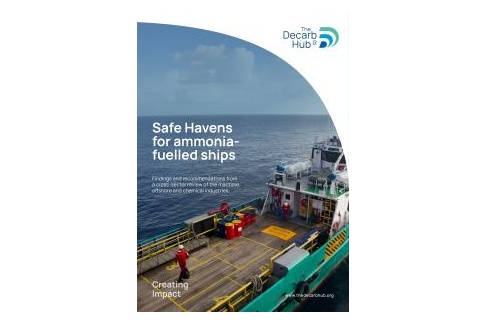
This is set out in a new report, ‘Safe Havens for ammonia-fuelled ships’, which examines how the maritime sector can apply lessons from offshore oil and gas, chemical processing and other safety-critical industries to address a new requirement introduced under the International Maritime Organization’s (IMO) Interim Guidelines for the Safety of Ships using Ammonia as Fuel. The new guidelines now require vessels to incorporate Safe Havens to protect crew in the event of an ammonia release.

However, the report highlights that, as is often the case with interim, goal-based guidance for a new safety concept, the guidelines set high-level requirements that leave room for differing interpretations of what makes an effective Safe Haven. It proposes a shared framework to help vessel designers, operators, classification societies and flag administrations apply these requirements consistently as ammonia-fuelled vessels enter service.

The Decarb’s Hub research found that Safe Havens should not be viewed as standalone spaces designed solely to prevent ammonia exposure. Instead, they should be treated as human-centred systems that form part of a vessel’s wider emergency response strategy.

The report identifies three core functions that every maritime Safe Haven should provide: protection, command and control, and accessibility. Together they are intended to ensure that all crew remain protected from ammonia and other hazards, while enabling the execution of the vessel’s emergency response plan.

Drawing on established practices from industries that routinely manage toxic gas hazards, the report recommends that Safe Haven performance is assessed against realistic worst-case scenarios. It also highlights the importance of calculating Safe Haven endurance periods, assessing accessibility, regular testing and maintenance and human factors considerations to ensure systems continue to perform as intended throughout a vessel’s operational life.

The report concludes that the industry should focus on developing standardised methods for demonstrating Safe Haven performance. Establishing a consistent basis for assessment will help ensure Safe Havens deliver the intended level of protection across the future ammonia-fuelled fleet while supporting regulatory certainty and long-term operational confidence.

Jonathan Bolton, Decarbonisation Risk Analyst at the Lloyd’s Register Maritime Decarbonisation Hub, said: “Ammonia has the potential to play an important role in shipping’s decarbonisation journey, but its adoption must be supported by safety solutions that are robust, practical and consistently applied. Safe Havens are a new requirement for ammonia-fuelled ships and as with any new safety concept, the industry needs practical guidance to build a shared understanding of how Safe Havens should be designed and assessed.

Our report brings together decades of experience from industries that have long managed toxic gas risks and translates those lessons into a maritime context. By identifying the critical functions that Safe Havens must perform and proposing a common framework for their assessment, we hope to support designers, operators, classification societies and regulators as they work towards the safe deployment of ammonia-fuelled vessels.”

The findings are intended to support shipowners, designers, regulators and classification societies as they develop the first generation of ammonia-fuelled vessels and contribute to the long-term evolution of international regulations governing ammonia safety. 

A copy of the report can be downloaded at Safe Havens for ammonia-fuelled ships | The Decarb Hub