Home Blog Page 223

FIATA seeks urgent clarification from airlines ahead of expedited implementation of IATA Direct Air Waybill changes

GENEVA: With the implementation of amendments to the IATA Direct Air Waybill (DAWB) framework currently scheduled by the IATA Cargo Agency Conference to take effect on an expedited basis from 1 July 2026, FIATA notes that the formal review process before the scheduled date of effectiveness has not been respected. Whilst FIATA continues to pursue the preservation of the review process, FIATA has written to airlines worldwide seeking urgent clarification as to whether they intend to implement the changes in practice as of 1 July 2026 and how the changes will be implemented.

Following the adoption of the amendments under an expedited procedure, FIATA exercised its formal right under the Cargo Agency Conference (CAC) Resolution 801c to request a review of the decision. The review process exists to ensure that significant amendments affecting the rights and obligations of freight forwarders and airlines can be properly examined, including their legal, operational and insurance implications, before taking effect.

However, despite repeated requests by FIATA, the review process has not been capable of being completed before the scheduled date of effectiveness. Despite FIATA’s repeated requests that the IATA-FIATA Consultative Council (IFCC) be convened as a matter of urgency, the IFCC has not been convened in sufficient time to formulate its recommendation to the Cargo Agency Conference before the amendments are due to take effect. FIATA therefore requested that the effective date be postponed until 1 October 2026 to preserve the effectiveness of the review mechanism and allow the review process to be completed as contemplated by the Cargo Agency Conference Resolutions. To date, no postponement has been confirmed. As a result, the review mechanism established under the Cargo Agency Conference Resolutions has been deprived of its intended effect.

In guidance published by IATA, freight forwarders wishing to use DAWBs are advised to engage directly with airlines to clarify the contractual arrangements, allocation of responsibilities and liability framework that will apply before cargo is accepted for carriage. FIATA has also noted IATA’s guidance indicating that shippers may continue to appoint freight forwarders as their agents and seek agreement with individual airlines to continue existing DAWB practices.

In these circumstances, and in light of IATA’s guidance requiring bilateral engagement between freight forwarders and airlines, FIATA has written to airlines requesting confirmation as to whether they intend to continue accepting DAWB shipments under the existing framework or, alternatively, an explanation on how the revised framework will be implemented in practice, including the processes that freight forwarders will be expected to follow before tendering cargo for carriage.

FIATA has already received information indicating that implementation may differ between airlines, with some airlines reportedly not intending to implement the revised framework from 1 July. This highlights the importance of obtaining clarity directly from individual carriers.

“The review mechanism exists for an important reason: to ensure that significant changes affecting the rights, responsibilities and liabilities of all affected market players – including freight forwarders, shippers and airlines – are properly considered before they take effect”, said FIATA Director General Dr Stéphane Graber.

“That critical procedural safeguard has not been respected before the scheduled implementation date. In the absence of a meaningful review, airlines should provide complete transparency regarding the contractual framework they intend to apply from 1 July. Freight forwarders cannot reasonably be expected to assume significant new contractual obligations or liabilities outside of their function without legal certainty or a proper opportunity to assess the resulting operational and insurance implications.”

FIATA continues to take all necessary measures to ensure a meaningful review process can take place at the earliest opportunity and continues to support constructive dialogue with airlines and all stakeholders. FIATA will continue to work to preserve the integrity of the review process under the IATA CAC Resolutions while assessing the practical implications of any implementation and determining any further action that may be necessary.

Protecting the lifeline of global trade : IMO

Geopolitical tensions highlight the vital role of shipping and seafarers

Shipping has always shown remarkable resilience in the face of global crises. Throughout every major challenge, ships and the people who operate them kept the world moving.

During the COVID‑19 pandemic, when much of the world came to a standstill, seafarers continued working tirelessly to ensure that essential goods reached every corner of the planet. During tensions in the Red Sea and the Black Sea, the industry adapted under immense pressure to keep supply chains functioning.

Today, in the Strait of Hormuz, that resilience is being tested in unprecedented ways.

Around 20,000 seafarers on hundreds of vessels remain stranded in the Persian Gulf, exposed to significant risks and enduring immense psychological strain. Beyond the human toll, the disruption to international shipping carries far‑reaching consequences for global trade, energy markets and food security.

Protecting the principles of freedom of navigation and seafarers
The world is fast realising an overlooked truth – shipping is indispensable. Our daily lives depend on the principles of freedom of navigation and on safe, secure seas.

For more than seven decades, the International Maritime Organization (IMO) has brought 176 Member States together to uphold a robust regulatory framework that protects these principles and those who work at sea.

Throughout every major challenge, ships and the people who operate them kept the world moving

Maintaining safety standards and adapting to new threats
Since the 1980s, IMO has consistently worked to strengthen maritime safety standards and adapt them to emerging threats. The current geopolitical landscape demonstrates just how crucial these multilateral efforts are to maintaining maritime security and global stability. Seafarers must never be used as collateral victims of conflict.

At an extraordinary session of the IMO Council in March 2026, Member States reaffirmed four core principles: respect for freedom of navigation; the paramount importance of seafarer safety; the recognition that seafarers must never be used as pawns in geopolitical tensions; and the essential role of dialogue and diplomacy in restoring stability. As we confront this crisis, I urge the global community to recognise the indispensable role of shipping and the human beings who make it possible. We must not take them for granted.

Author :

Mr Arsenio Dominguez
Secretary General of the IMO

Drewry: Intra-Asia Container Index down 4% last week

LONDON: Drewry’s Intra-Asia Container Index (IACI) decreased 4% to $1,035 per 40ft container.

Freight rates declined, particularly on the Shanghai–Busan, Ho Chi Minh City, and Jawaharlal Nehru Port routes. This marks the second consecutive fall in the index, suggesting that the early peak-season volume surge is easing while rates on Middle East routes are stabilising. See detailed commentary below.

ACI eases, but still remains 88% above pre-conflict levels

  • The Drewry Intra-Asia Container Index (IACI), the benchmark widely referenced by procurement teams, decreased 4% to $1,035 per 40ft container. Freight rates declined, particularly on the Shanghai–Busan, Ho Chi Minh City, and Jawaharlal Nehru Port routes. This marks the second consecutive fall in the index, suggesting that the early peak-season volume surge is easing while rates on Middle East routes are stabilising.
  • Spot rates on trade lanes connecting China with Southeast Asia and South Asia fell again this week, indicating that the early peak-season surge is approaching its end and upward pressure on freight rates is easing. Rates from Shanghai to Jawaharlal Nehru Port slid 6% to $2,155 per 40ft container. Meanwhile, rates from Shanghai to Manila declined 3% to $555 per 40ft container, following a sharp 26% drop last week, as congestion at Manila port eased with average vessel waiting times falling by four hours WoW in Week 26. Moreover, rates from Shanghai to Laem Chabang also declined to $974 per 40ft container. Southeast Asia continues to strengthen its position as a key manufacturing and export hub amid ongoing US–China trade tensions, with Chinese companies expanding investments in the region to preserve access to global markets and mitigate tariff risks. Capacity additions also continue, with Taiwanese forwarder and ship manager TVL Marine re-entering the intra-Asia container shipping market, while MSC has expanded its South China–Central Vietnam Lang Co Express service by reinstating calls at Nansha, Ho Chi Minh City, and Singapore. Drewry expects freight rates to remain broadly stable in the coming weeks.
  • On trade routes from Southeast Asia, spot rates remained stable during the week. Rates from Ho Chi Minh City to Shanghai and from Jakarta to Shanghai held steady at $65 and $80 per 40ft container, respectively. CNC, CMA CGM’s intra-Asia shipping arm, has revised its South Korea–China–Straits KCM2 service by removing calls at Shantou and the second Busan call, while introducing a weekly northbound call at Xiamen. The service continues to operate with seven vessels of 4,200–4,400 teu, maintaining network coverage across key ports in China, South Korea, Malaysia, and Singapore. Drewry expects freight rates to remain stable in July.
  • The intra-Asia container freight market has remained resilient this year, with the index up 47% YoY, supported by an early peak season demand and higher shipping costs stemming from geopolitical disruptions. Although the interim US–Iran agreement has led to the reopening of the Strait of Hormuz, uncertainty over its implementation persists, particularly following a recent attack on a vessel transiting the strait. As a result, ongoing geopolitical tensions in the Middle East continue to underpin market uncertainty.

Source: Drewry

Asia-US container rates continue to soar; liquid tanker rates steady to softer

HOUSTON: Rates for shipping containers from east Asia and China to the US continued to surge as importers pull volumes forward to beat impending tariffs, while liquid tanker rates were steady to softer.

CONTAINER RATES
Spot rates from online freight shipping marketplace and platform provider Freightos rose by 8% to the West Coast this week and have risen by almost three-and-a-half times, to $6,236/FEU (40-foot equivalent unit) this week from $1,806/FEU on 27 February.

Judah Levine, Head of research at Freightos, said an early start to this year’s peak season on the transpacific has sent rates spiking since May. He said carriers are shifting capacity from secondary lanes to service the increased demand.

“Transpacific East Coast rates are now $1,000/FEU higher than last year’s frontloading-driven summer high, with West Coast prices just above their 2025 peak,” Levine said.

Levine said the early peak season rush is attributed to frontloading ahead of carriers fuel surcharges, manufacturer price increases, and the approaching tariff deadline.

“If enough shippers are indeed pulling peak season volumes forward, we could expect the early start to mean an early peak season unwind as well, possibly sometime in July,” Levine said. “But delays at congested ports could mean that this volume strength will stretch on a little longer than many shippers may have preferred.”

Levine said carriers are set to introduce more rate increases to start July, so the degree of success carriers have with these price hikes should reflect where the market is in terms of this year’s peak season peak.

Rates to the West Coast from supply chain advisors Drewry rose by 10% this week and are up by almost three times from where they were on 27 February, as shown in the following chart.

Rates for shipping containers from east Asia and China to the US continued to surge as importers pull volumes forward to beat impending tariffs, while liquid tanker rates were steady to softer.

Drewry said eight blank sailings have been announced on the transpacific trade route for the next week, reflecting tight capacity.

Carriers continue to announce GRIs (general rate increases) and PSS (peak season surcharges) for July in anticipation of strong cargo volumes, with HMM introducing a PSS of $3,000/FEU effective 15 July. Drewry expects rates to rise further in the coming weeks.

Rates from Freight Right Logistics are more than four times higher than they were on 28 February.

Robert Khachatryan, founder and CEO of Freight Right Logistics, said that overall, the week reflected a global trade environment defined by tariff volatility, industrial protection, supply chain security, and selective bilateral dealmaking rather than broad liberalization.

“Carriers are testing the market’s upper limits by introducing an additional $1,500/FEU GRI for the first half of July,” Khachatryan said. “This triggered a massive, last-minute rush at the end of June as shippers scrambled to push containers out of China to avoid the premium.”

On the volumes being pulled forward, Khachatryan said importers have fundamentally compressed the typical multimonth peak season.

“Fearing prolonged volatility, businesses pulled forward orders they did not immediately need, clogging current vessel capacity with goods destined for sales cycles months down the line,” Khachatryan said.

Looking ahead, Khachatryan said the market is rapidly approaching a critical breaking point.

“Because current rate structures are no longer a true reflection of baseline market conditions, a noticeable drop in volume is projected for July,” Khachatryan said. “Many general importers possess roughly three to four weeks of safety stock and are expected to pause bookings for the first half of the month to see if rates soften. The primary exception will be manufacturing supply chains, which are forced to absorb these stiff premiums to avoid halting production lines.”

Khachatryan said that while a two-week shipping strike or buyer strike from importers could force an adjustment, a significant price correction (such as a drop back down to the $5,500 range) is highly unlikely in the near term.

“Because core geopolitical disruptions remain active and carriers are intent on squeezing every penny out of the current capacity crunch, spot rates are expected to grind out at these elevated levels through the end of July,” Khachatryan said.

Container ships and costs for shipping containers are relevant to the chemical industry because while most chemicals are liquids and are shipped in tankers, container ships transport polymers – such as polyethylene (PE) and polypropylene (PP), which are shipped in pellets. Titanium dioxide (TiO2) is also shipped in containers.

They also transport liquid chemicals in isotanks.

LIQUID TANKER RATES
Rates for liquid chemical tankers ex-US Gulf were largely stable this week, except for declines along the US Gulf (USG) to Asia trade lane. This route remains largely dependent on strong contract volumes as most of the regular carriers were able to fill any excess capacity. The market overall has been relatively weak, leaving owners to remain flexible on rates to complete voyages. Several market players have made inquiries about July liftings, but no new fixtures seem to have been reported.

From the USG to ARA, spot rates remain soft, particularly for smaller parcels but remain steady for larger parcels as the lingering uncertainty around the Middle East conflict continues to weigh on the market. This market continues to remain focused on methanol and ethanol inquiries and several larger parcels of both were seen fixed. COA (contract of affreightment) volumes continue to dominate the trade lane across all grades of chemicals.

On the USG to Brazil trade lane, the market has been steady leading rates to remain relatively unchanged week on week. There was a stable level of spot activity with only a handful of new requirements, however, there was a slight uptick in spot inquiries but not enough to influence a significant change in rates. Most frequently discussed in the market were ethanol and caustic soda cargoes. Overall, the market was relatively quiet with steady COA nominations.

Bunker fuel prices continue to remain bearish on the back of plunging energy prices due to the pause in the conflict in the Middle East crisis.

Source: ICIS

Global maritime trade under threat from Fortibleed incident warns Cydome

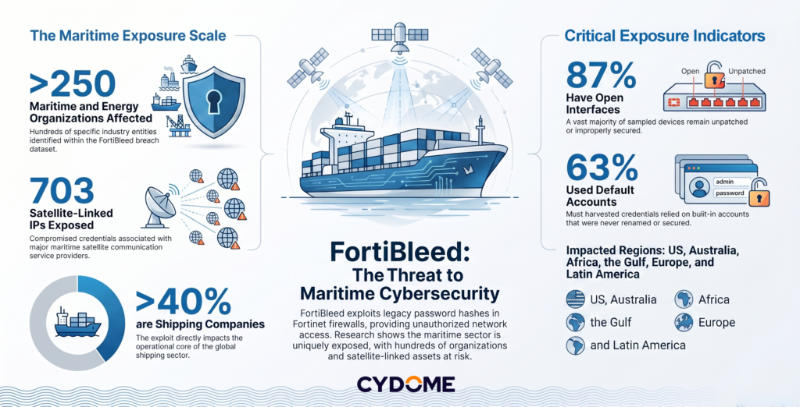
LONDON: Major maritime, ports and energy companies have been identified by Cydome’s threat-intelligence unit as having Fortinet Firewall passwords and logins leaked in the recent  “FortiBleed” incident.

FortiBleed maritime company types Global maritime trade under threat from Fortibleed incident warns Cydome

More than 86,000 Administrator credentials of Fortinet Firewalls and other devices protecting the networks of thousands of organisations across 194 countries were breached, with hackers gaining unauthorised access to the Fortinet devices and enabling them to further compromise the target networks and data.

Cydome research shows that the leak, which is estimated to represent 50% of all internet-reachable FortiGate devices, also included 703 satellite-linked IP addresses associated with maritime satcom service providers.

Nir Ayalon CEO Cydome Global maritime trade under threat from Fortibleed incident warns Cydome

Of the 250+ maritime firms found to be impacted by the incident, most were shipowner/management companies, and  “consistent with FortiBleed hitting the operational core of maritime trade, not just back-office IT,” said Cydome founder and CEO Nir Ayalon.

“Although we are still monitoring the extent of FortiBleed on the industry, of all maritime-related logins leaked, 41.5% were shipping and freight companies, 31.2% were offshore contractors and service companies, 10.7% newbuild and repair yards, and 6.7% were Port Authorities and logistics firms.

“The team found that 87% of Fortinet devices exposed to the internet still had internet-facing management interfaces available, while 63% of harvested credentials related to default or built-in administrator accounts that had never been renamed.

“This suggests that many organisations have not yet taken the steps needed to fully secure affected systems… probably because they don’t know they have been hacked, yet!” said Ayalon.

FortiBleed differs from many cyber incidents because it is not based on a newly discovered software vulnerability. Instead, it exploits older administrator credentials that remained vulnerable after software upgrades.

In many cases, organisations updated their systems but did not take all the necessary steps to fully replace and discard legacy passwords, allowing attackers to recover valid credentials and test them against live devices – even after the Fortinet software patch.

Commenting on the seriousness of the incident, Cydome co-founder and VP R&D Alon Ayalon said it has already prompted action from the U.S. Cybersecurity and Infrastructure Security Agency (CISA)

“We urge organisations to follow the CISA guidance and terminate active administrator and VPN sessions, reset passwords, enable multi-factor authentication and investigate systems for signs of unauthorised access.”

Appearing in the FortiBleed dataset does not necessarily mean an organisation is compromised. “But it does indicate that credentials associated with its network security infrastructure have been exposed and should be treated as a potential vulnerability,” said the VP R&D.

“Shipping is one of the world’s most connected industries, and that connectivity is essential for efficient operations,” he said.

“If attackers obtain trusted administrator access, they can move through networks unnoticed, gain control over operational systems or sell the information to ransomware groups and other cybercriminals. Protecting digital identities is just as important as protecting the IT and OT systems themselves.”

Maritime companies can check if their domain or IP address is included by using the free tool at fortibleedcheck.cydome.io.”

https://cydome.io/cyber-alert-fortibleed-incident-exposes-admin-access-of-shipping-companies-ports-and-other-maritime-operations/

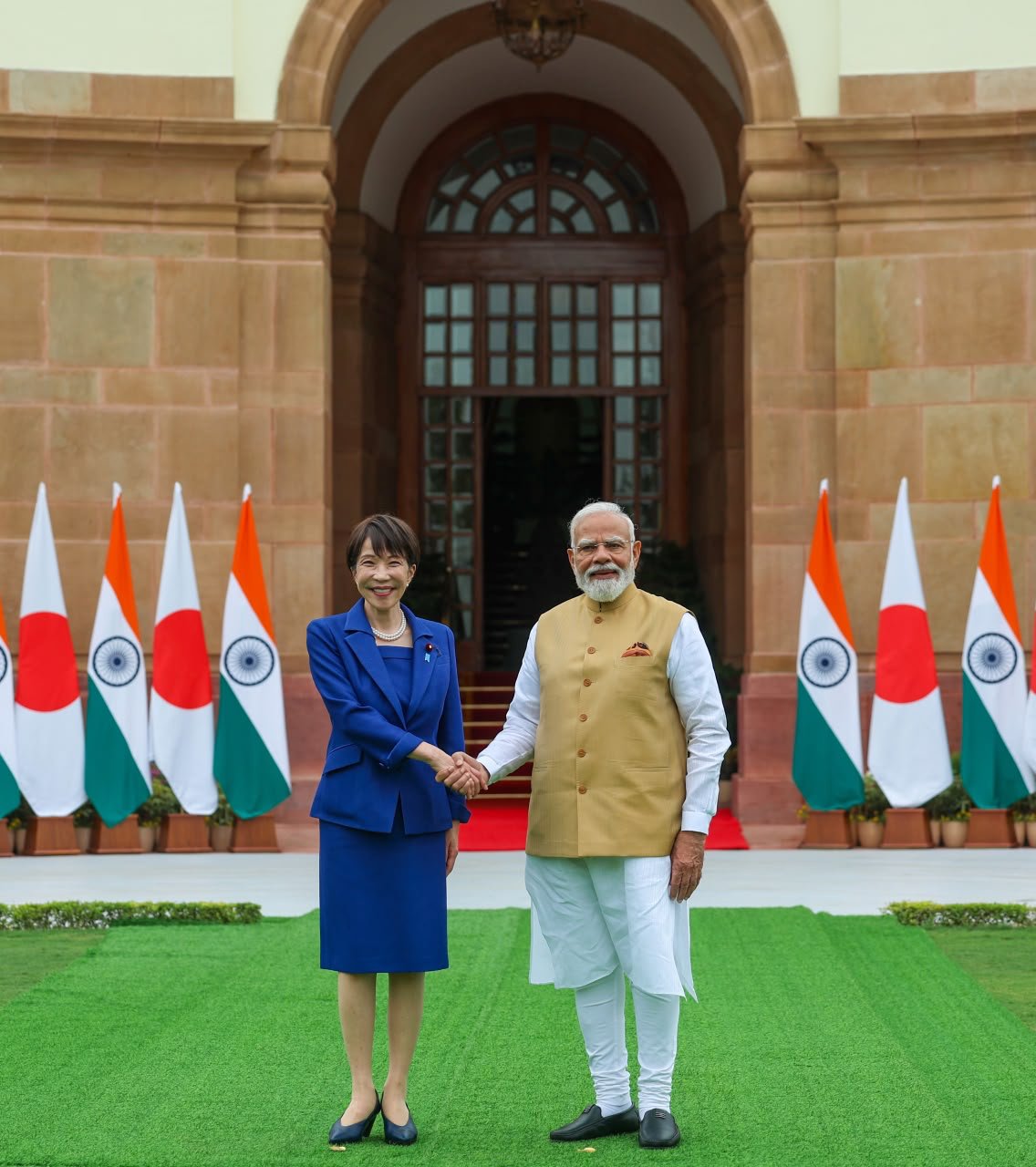
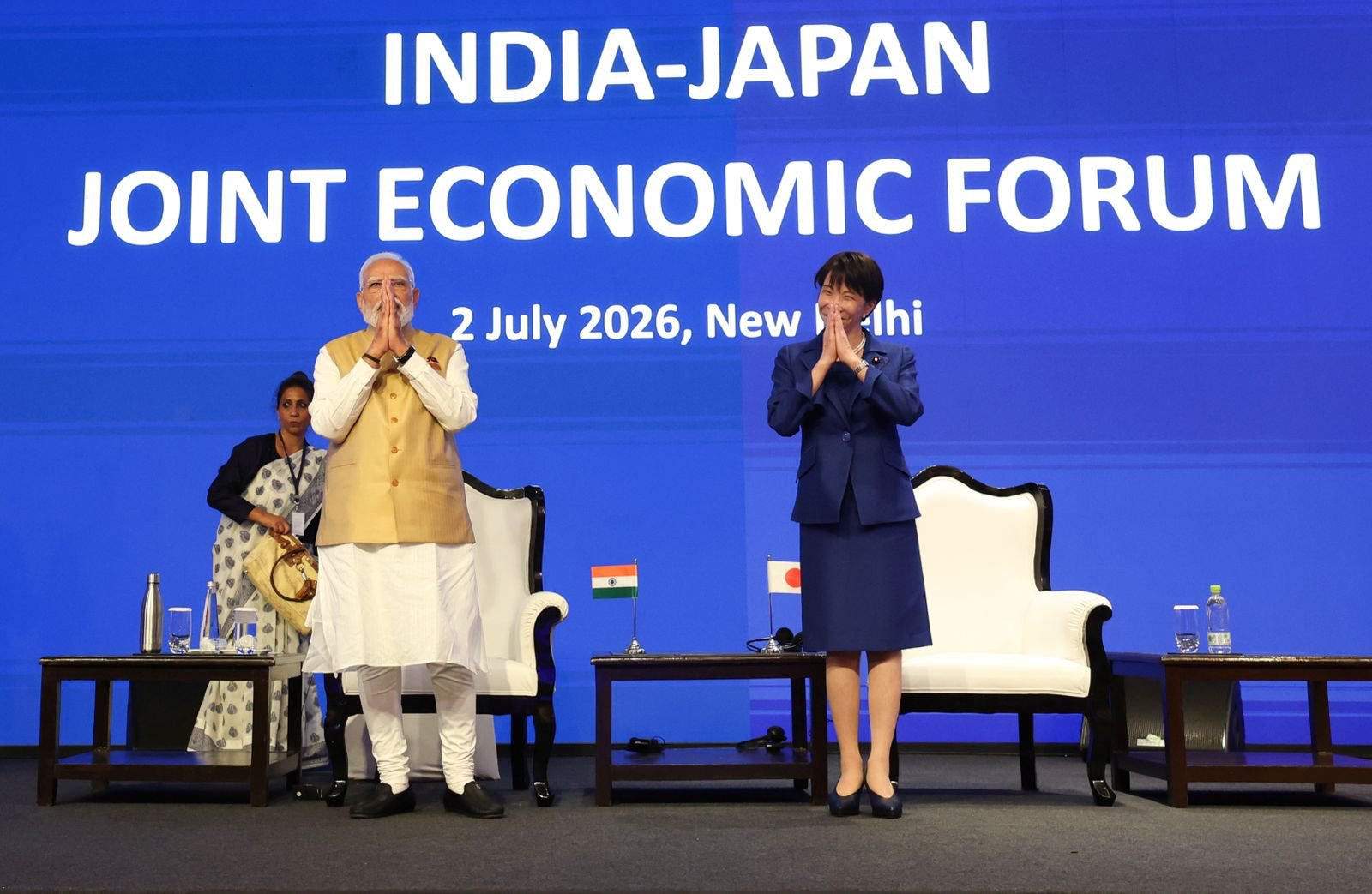
PM Modi meets Japanese PM Sanae Takaichi ; India and Japan deepen Technology and Strategic Partnership

NEW DELHI : India and Japan have reaffirmed their commitment to further strengthening their Special Strategic and Global Partnership, with a strong focus on technology, innovation, economic cooperation and people-to-people ties.

During bilateral talks held in New Delhi, Prime Minister Shri Narendra Modi and Prime Minister Sanae Takaichi of Japan reviewed the full spectrum of India-Japan relations and outlined an ambitious roadmap for future cooperation across key strategic sectors, including artificial intelligence (AI), defence and security, pharmaceuticals, energy, education and innovation.

Emphasising the growing importance of technology in the bilateral relationship, Prime Minister Modi said that India and Japan believe technology partnership will emerge as the strongest pillar of cooperation between the two countries.

To realise this shared vision, the two Prime Ministers welcomed the issuance of a Joint Statement on Artificial Intelligence, aimed at advancing collaboration in AI research, innovation, capacity building and the responsible development and deployment of emerging technologies. As part of the initiative, several leading institutions from India’s AI ecosystem also exchanged agreements with their Japanese counterparts to promote collaborative research, innovation and industry partnerships.

The two leaders also held discussions on expanding cooperation in the energy sector, strengthening educational exchanges and enhancing people-to-people linkages, recognising these as important pillars of the enduring friendship between India and Japan.

Highlighting the economic dimension of the partnership, Prime Minister Modi reiterated the shared objective of attracting 10 trillion Japanese Yen in investments into India over the next ten years while doubling the number of Japanese companies operating in India. The leaders reaffirmed their commitment to creating an enabling environment for trade, investment and industrial collaboration, further reinforcing Japan’s position as one of India’s most trusted economic partners.

Prime Minister Modi noted that Japan remains an important partner in India’s growth and development journey and expressed confidence that bilateral ties would continue to reach new heights in the years ahead.

The meeting reaffirmed the shared commitment of both countries to deepen cooperation across strategic, economic and technological domains, contributing to regional stability, sustainable development and shared prosperity in the Indo-Pacific and beyond.

India-Japan Joint Statement on cooperation in the field of Artificial Intelligence (AI)

NEW DELHI : The Prime Minister of the Republic of India and the Prime Minister of Japan acknowledged that Artificial Intelligence (AI) is an era-defining general-purpose technology that is transforming economies, societies, science and technology, industry and business, governance, and security. They recognized that the choices made today in the design, development, deployment and governance of AI will have long-term implications for innovation, social welfare, economic security, and the international order. Based on this understanding, they concurred in advancing cooperation to mutually enhance the resilience and competitiveness of both countries in the field of AI and to bring about innovation and growth in both countries, in order to build a safe, secure, trustworthy, inclusive, human-centric, sustainable, accountable, and innovation-oriented AI ecosystem.

The two leaders recognized the need to adapt to structural changes in the international order. They concurred in cooperating to build resilient and growth-oriented economic ecosystems in alignment with India’s MAHASAGAR and Japan’s updated “Free and Open Indo-Pacific (FOIP)”. To this end, they committed to strengthen AI cooperation between India and Japan, with like-minded countries and partners, to support resilient and inclusive AI development in the Indo-Pacific and the Global South.

The two leaders affirmed that, for the sustainable development of AI, it is crucial to promote innovation through the use and application of AI technologies, appropriately mitigate associated risks, and ensure resilient, diversified, and trustworthy AI supply chains. In this regard, they welcomed the deliberations and outcomes of the New Delhi AI Impact Summit.

The two leaders acknowledged the progress under the “Japan-India AI Cooperation Initiative (JAI)” and especially welcomed the discussions at the first India and Japan AI Strategic Dialogue held in April 2026. They concurred in continuing regular India and Japan AI Strategic Dialogues, involving relevant stakeholders as appropriate, to deepen common understanding of AI opportunities and challenges and translate their shared vision into practical outcomes in the following priority areas:

I. International AI Governance, Safety, and Cybersecurity

The two leaders reaffirmed the importance of promoting an international governance framework that is centered on safe, secure, trustworthy, robust, and inclusive AI that supports responsible innovation, while respecting national laws, priorities, and contexts. They emphasized that AI governance should be risk-balanced, participatory, informed, proportionate, interoperable, and adaptive. In this regard, they reaffirmed the significance of the Hiroshima AI Process (HAIP), including its international guiding principles and codes of conduct for advanced AI systems.

They also highlighted the principles in the Guidance Note on AI Governance prepared during the India AI Impact Summit by the Safe & Trusted AI Working Group, which was co-chaired by Japan. They decided to strengthen coordination between the two countries in international fora, including the G20, the Organization for Economic Cooperation and Development (OECD), Global Partnership on AI(GPAI), and the United Nations, and welcomed the first UN Global Dialogue on AI governance in this regard. They reaffirmed their commitment to deepen cooperation within the Hiroshima AI Process Friends Group and Partners Community, including through greater participation of the Global South and the private sector, and promote the implementation of the Hiroshima AI Process Friends Group Action Plan 2026.

The two leaders emphasized the need to strengthen cooperation on the safe design, development, deployment, and use of AI throughout its full lifecycle, including on AI model evaluation, capability assessment, guidelines, tools, and benchmarks. They encouraged relevant institutions to explore cooperation through Trusted AI Commons, announced during the India AI Impact Summit as a collaborative platform consolidating technical resources, tools, benchmarks and best practices.

The two leaders recognized that highly capable frontier AI models possess advanced cyber capabilities, which can strengthen defenders while also creating risks of misuse. Reaffirming that cyberspace is a Global Public Good, they underlined that arrangements for the evaluation, controlled release and trusted access of such systems should be risk-based and attentive to the legitimate cyber-defense needs of responsible partners. They decided to strengthen cooperation on AI-enabled cybersecurity and the security of AI systems, with particular attention to critical infrastructure.

The two leaders emphasized the importance of protecting the safety of children as AI is developed and deployed, and concurred that responsible design, governance, and risk-based safeguards are essential to ensuring that AI serves as a means of learning and growth for children rather than a source of harm.

II. Infrastructure Development, Model Development, and Human Resources Exchange and Co-creation of Solutions

The two leaders reaffirmed the importance of building safe, secure and trustworthy AI ecosystem, including in the Indo-Pacific, supported by resilient, diversified, and trustworthy supply chains of AI technology stack. In this regard, they decided to elevate India and Japan as strategic research and development partners in the field of AI. They decided to strengthen cooperation on secure digital infrastructure for AI, including data centers, GPU and other compute resources, and semiconductors, and to jointly assess potential opportunities and vulnerabilities across the AI technology stack from an economic-security perspective. In this regard, they also emphasized advancing the FOIP Digital Corridor Initiative to strengthen digital connectivity and resilient AI supply chains.

The two leaders decided to cooperate on resilient, innovative and efficient AI, taking note of the Voluntary Guiding Principles on Resilient, Innovative, and Efficient AI as discussed at the India AI Impact Summit, the Playbook on Advancing Resilient AI Infrastructure, including through work on efficient models, optimized inference, energy-efficient compute and green, secure data infrastructure.

The two leaders concurred in enhancing cooperation between government, industry, and academia on multilingual, open-source, domain specific, and vertical AI models, including models for native languages and public interest applications. In this context, the two leaders welcomed the signing of several significant memorandums aimed at fostering deeper collaboration in the field of Artificial Intelligence. These include a Memorandum of Understanding (MOU) between the Indian Institute of Technology Bombay, the BharatGen Technology Foundation, and the National Institute of Informatics (NII/ROIS) for the joint research and development of large language models (LLMs); a MOU between Sarvam and Preferred Networks to cooperate across the full AI technology stack; and a Memorandum of Cooperation (MOC) between India AI and METI (Ministry of Economy, Trade and Industry) to support AI development companies from both countries.

The two leaders recognized the importance of AI-enabled scientific discovery and advanced research, and encouraged relevant institutions to cooperate in this regard, including under the Network of AI for Science (AI4S) Institutions established during the India AI Impact Summit.

The two leaders reaffirmed the strategic importance of deepening research cooperation, including promoting joint research projects and fostering the exchange of researchers. In this context, the two leaders committed to further strengthen the industrial competitiveness of both countries by engaging in human resource exchanges through industry-academia collaboration, from semiconductors to applications across the entire AI stack.

Recognizing India’s strong AI human capital as a foundation for closer cooperation, they welcomed the growing engagement of Japanese companies with India’s leading higher education institutions and technology talent. Both sides concurred to undertake measures to encourage Japanese companies to expand AI-related R&D, innovation and industry partnerships in India, while supporting the professional development and mobility of Indian talent to Japan through joint research, internships, employment opportunities, and other pathways, to foster stronger linkages between Japanese companies and India’s AI talent ecosystem. In this context, they reaffirmed the goal, set out at the India – Japan Foreign Ministers’ Strategic Dialogue in January 2026, of inviting 500 highly skilled AI professionals from India to Japan by 2030 and promoting joint research.

The two leaders also recognized that human capital is central to the responsible development, deployment and governance of AI. In this regard, they highlighted the utility of the Voluntary Guiding Principles for Skilling and Reskilling in the Age of AI formulated during the India AI Impact Summit.

The two leaders reaffirmed the importance of co-creating AI solutions to address the strategic, economic, and societal priorities of both countries, and concurred in accelerating ongoing projects through public-private partnership. They called upon corporations, startups, research institutions, investors and public agencies of both countries to identify concrete problem statements and co-develop scalable AI solutions. In this regard, they encouraged relevant stakeholders to draw upon the Global AI Impact Commons to support the adoption, replication and scale-up of successful AI use cases.

III. AI for All

The two leaders welcomed the vision of ‘AI for All’ advocated by the ‘New Delhi Declaration’ adopted at the India AI Impact Summit and reaffirmed their shared commitment to aim for AI to benefit all humanity, for inclusive and sustainable development, and to improve public services delivery.

The two leaders decided to work together, with like-minded countries and other partners, to support AI capacity building, technical assistance, knowledge sharing and use-case replication respecting national laws, priorities, and contexts. The two leaders concurred that strengthening cooperation with partners from third countries and multi-stakeholder communities is key to co-creating a safe, secure, inclusive, sustainable, resilient, and trustworthy AI ecosystem.

Prime Minister Shri Narendra Modi welcomed and supported Takaichi Sanae, Prime Minister of Japan, in her announcement that Japan will host the AI Summit at the earliest opportunity.

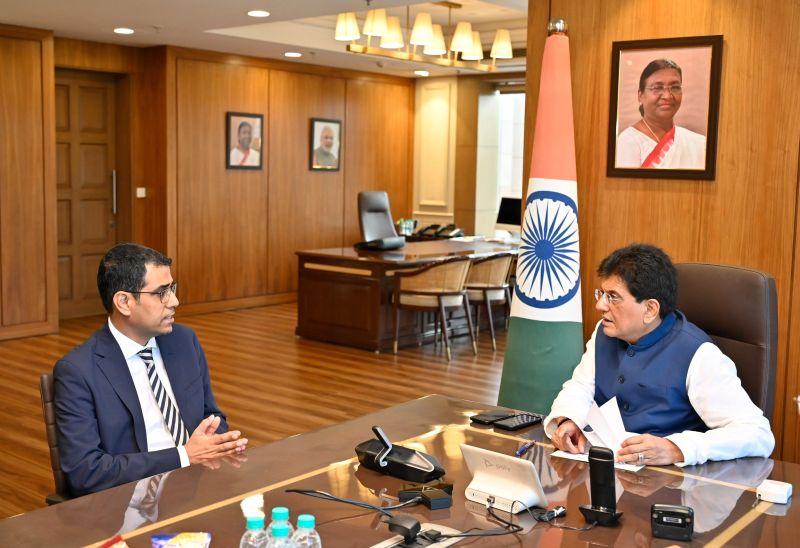
Government of India and A.P. Moller – Maersk explore opportunities to deepen collaboration for strengthening India’s Maritime Sector

NEW DELHI : As part of the Government of India’s continued engagement with global maritime industry leaders to accelerate the growth of the country’s maritime ecosystem, discussions were held between Union Minister of Commerce and Industry Shri Piyush Goyal and with Mr. Ahmed Hassan, Head of Asset Strategy, A.P. Moller – Maersk Group, on avenues for enhancing collaboration across key segments of the maritime sector.

The meeting focused on exploring investment opportunities in strategic areas including shipbuilding, container manufacturing, ship repair, and ship recycling, which have been identified as key pillars for strengthening India’s maritime capabilities and supporting the country’s long-term economic growth.

The discussions also covered measures to enhance India’s competitiveness as a global maritime and logistics hub through closer industry collaboration, adoption of advanced technologies, development of modern maritime infrastructure, and creation of resilient and efficient supply chains. Both sides acknowledged the significant opportunities arising from India’s expanding port infrastructure, growing manufacturing base, and logistics reforms under the PM Gati Shakti National Master Plan and the Maritime India Vision 2030.

The Government highlighted its commitment to creating a conducive policy environment to attract global investments in the maritime sector through ease of doing business, infrastructure modernization, and promotion of sustainable and innovation-driven maritime development. Emphasis was also laid on strengthening India’s shipbuilding and ship repair ecosystem, expanding domestic container manufacturing capacity, and promoting circular economy practices through environmentally responsible ship recycling.

The interaction reaffirmed the shared commitment of the Government of India and A.P. Moller – Maersk Group to explore mutually beneficial partnerships that would contribute to the development of a modern, globally competitive, and future-ready maritime sector. Such collaborations are expected to support capacity creation, technology transfer, employment generation, and enhanced integration of India into global maritime value chains.

The Ministry of Ports, Shipping and Waterways remains committed to working closely with global maritime stakeholders to realise the vision of transforming India into a leading maritime nation and a preferred destination for global shipping, logistics, and maritime investments, in line with the Prime Minister’s vision of Viksit Bharat @2047.

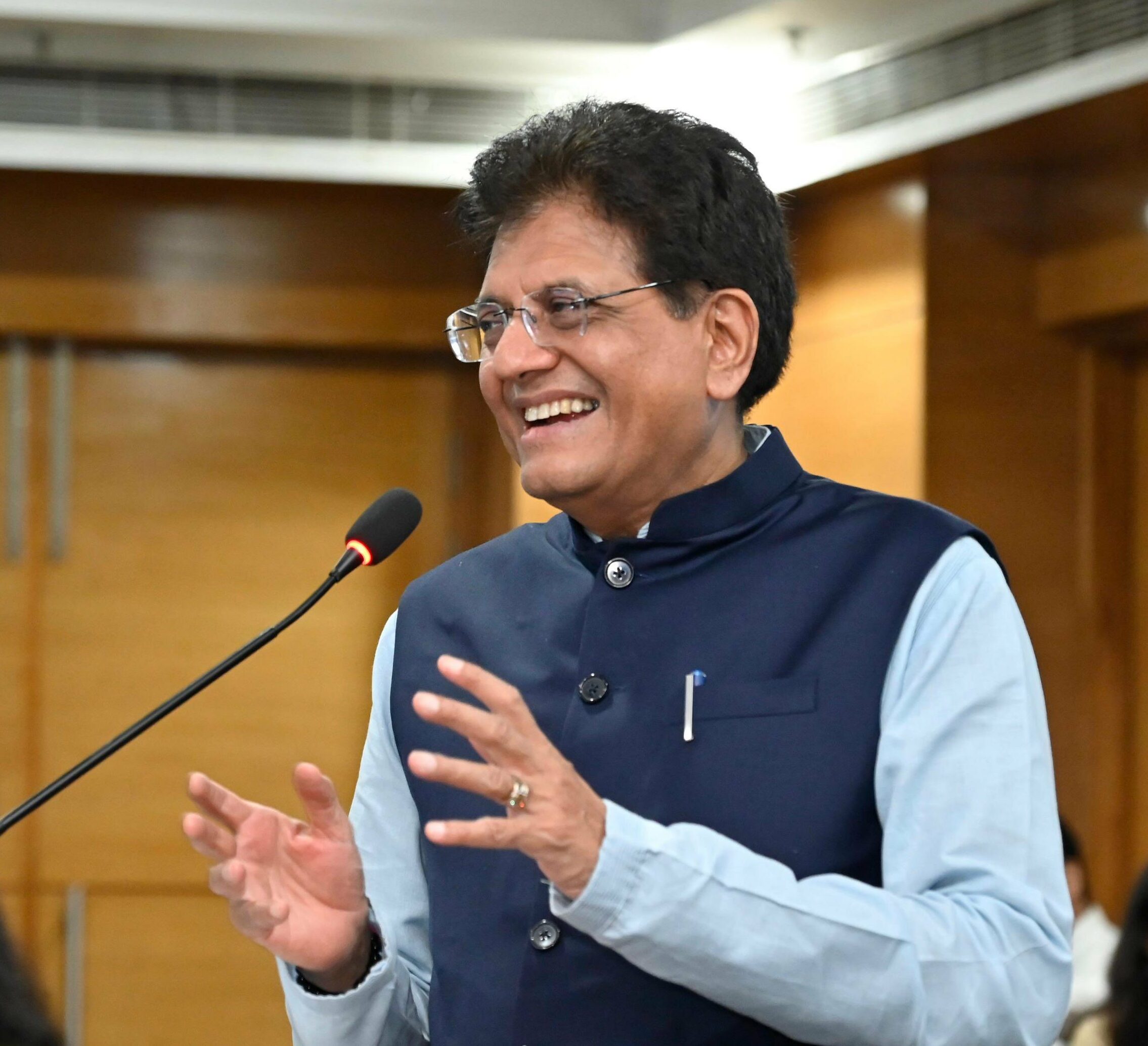
Piyush Goyal to chair Board of Trade Meeting today to discuss export growth and capitalise on recent trade deals

NEW DELHI : India’s export strategy will come under the spotlight next week as the Board of Trade (BoT), chaired by Commerce and Industry Minister Shri Piyush Goyal, is set to meet on 3 July to discuss ways to accelerate outbound shipments and maximise the benefits of recently concluded free trade agreements (FTAs).

The meeting will bring together representatives from state governments, Union Territories, export promotion councils, industry bodies and senior public and private sector officials to deliberate on measures aimed at strengthening India’s trade competitiveness.

It will be the Board’s first meeting since November 25, 2025. The recently signed trade agreement with the United Kingdom is scheduled to come into force on July 15, while negotiations with the European Union are progressing, with the pact expected to be signed later this year.

The government is also targeting merchandise exports of USD 1 trillion in 2026-27, up from USD 863 billion recorded in the previous financial year.

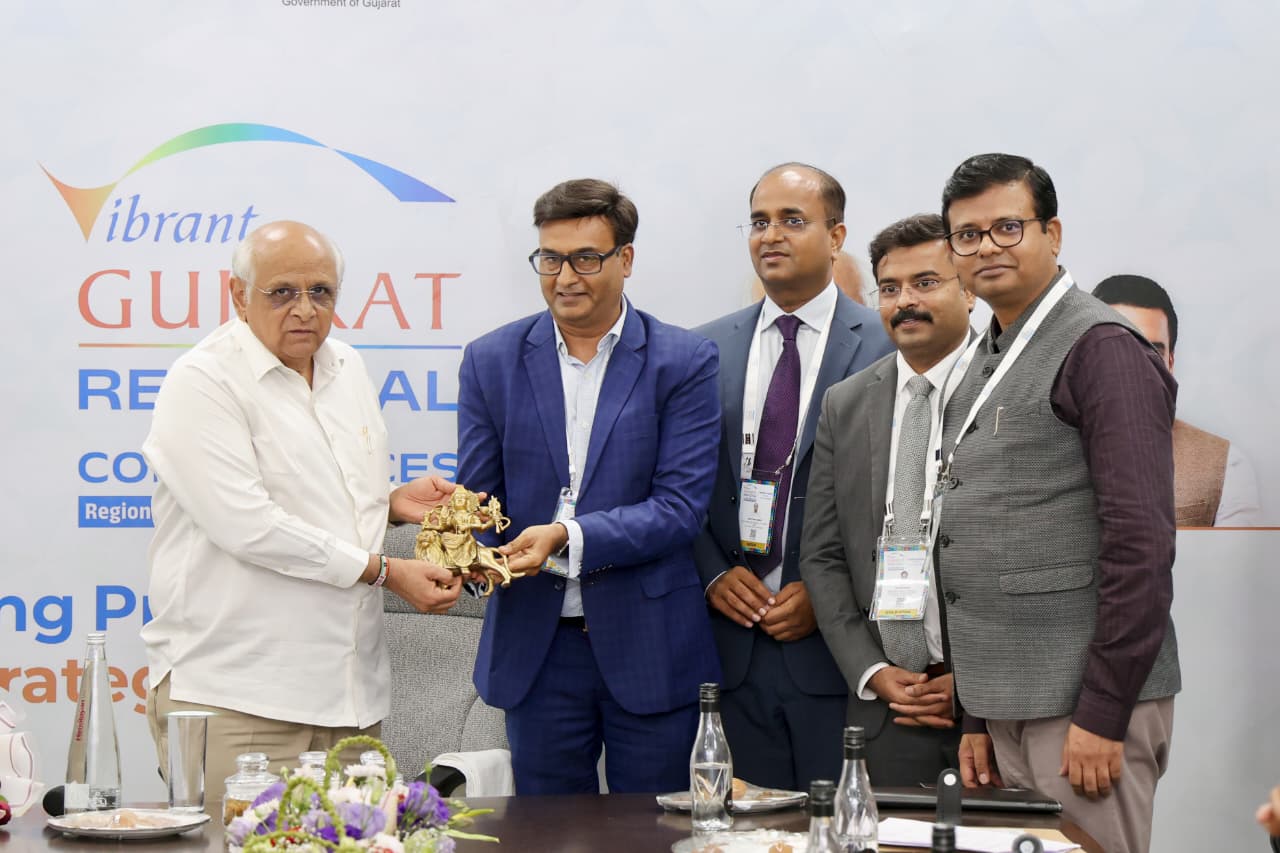
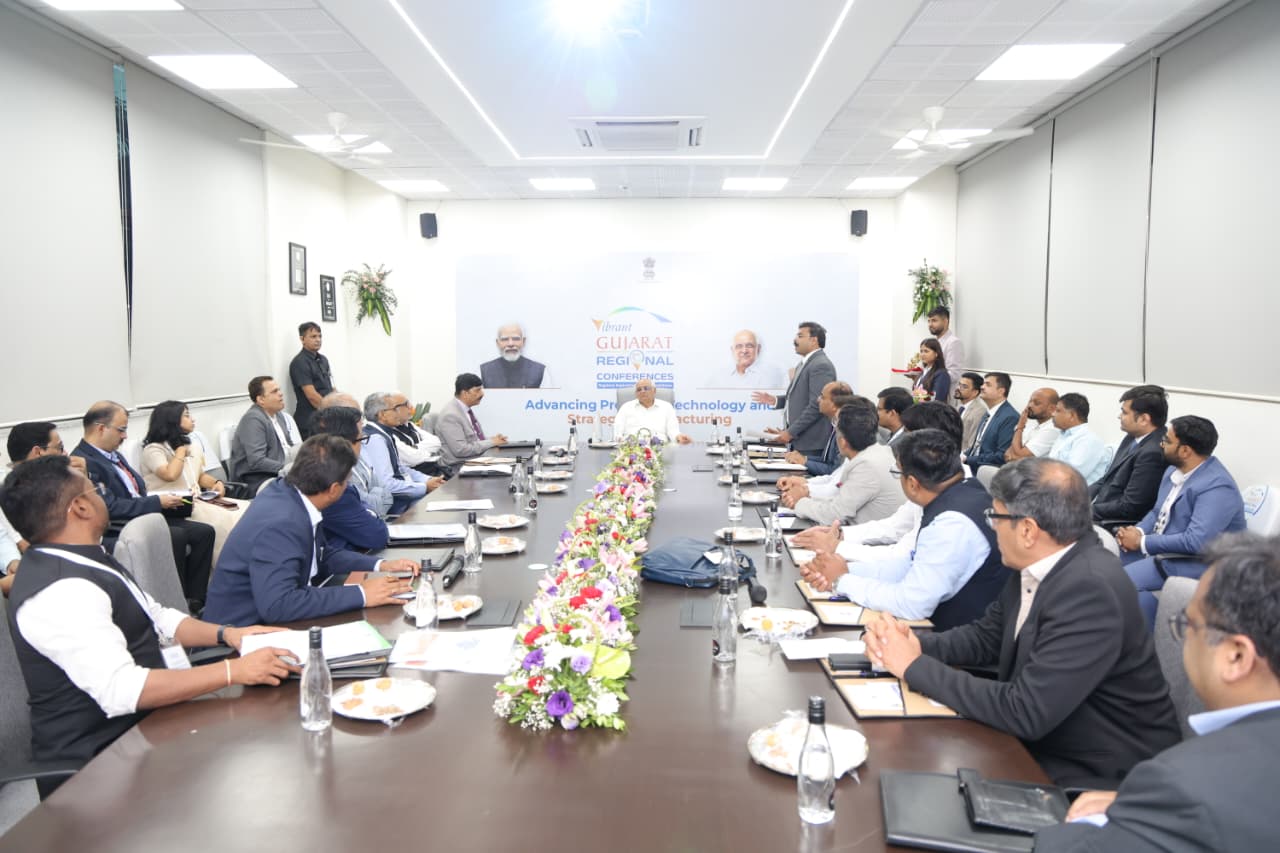
Gujarat strengthens Export Ecosystem as CM Bhupendra Patel engages with FIEO Delegation at VGRC Central Gujarat

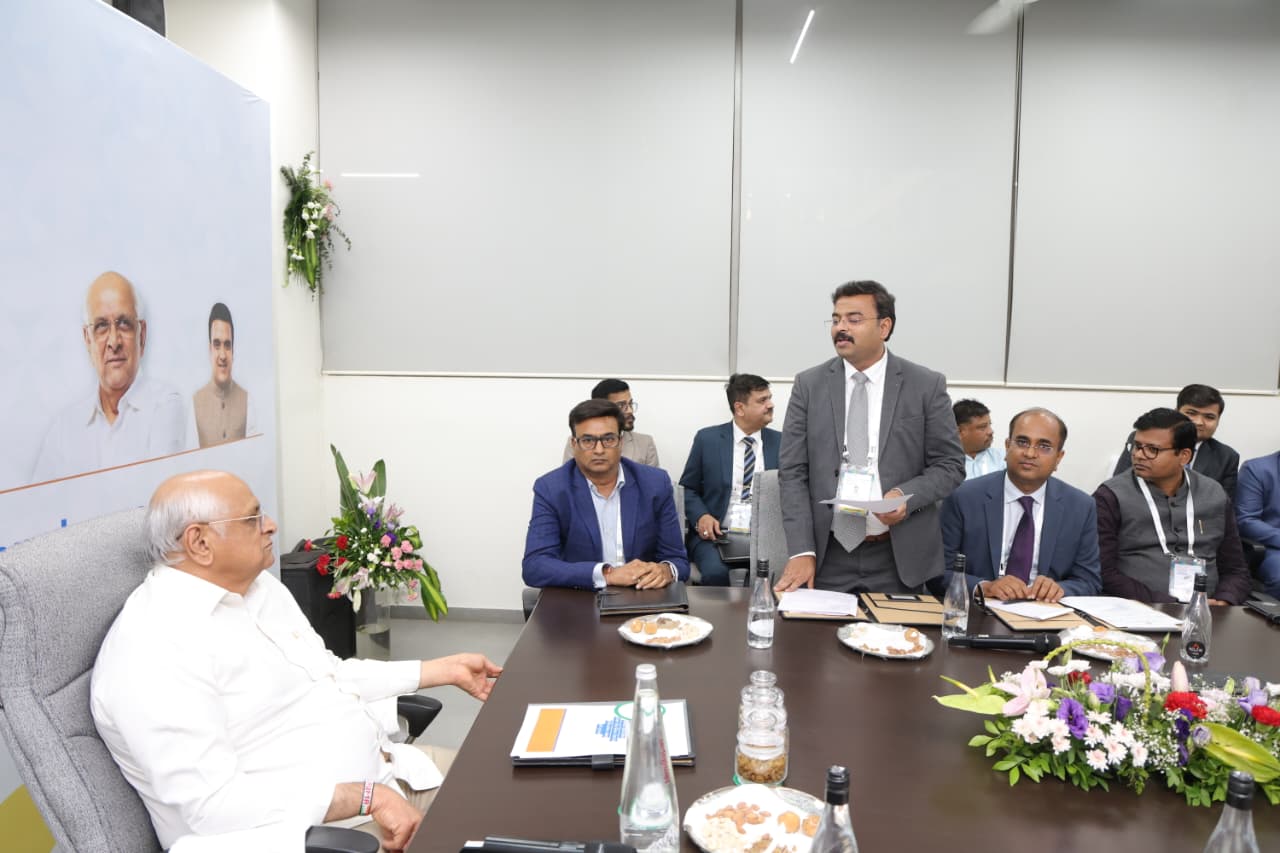
VADODARA: Reaffirming Gujarat’s commitment to becoming a global export powerhouse, Gujarat Chief Minister Bhupendra Patel held a high-level interaction with a delegation from the Federation of Indian Export Organisations (FIEO), led by Shri Khushwant Jain, at the Vibrant Gujarat Regional Centre (VGRC) Central Gujarat.

During the meeting, the Chief Minister and the FIEO delegation discussed strategic initiatives to further enhance Gujarat’s export potential while strengthening the state’s Micro, Small and Medium Enterprises (MSME) sector. The discussions focused on improving logistics efficiency, expanding awareness and implementation of Central Government support schemes for MSMEs, and promoting stronger international trade partnerships to accelerate sustainable economic growth.

Sharing details of the interaction, Chief Minister Bhupendra Patel noted that Gujarat continues to witness remarkable progress in export promotion through the Vibrant Gujarat Regional Centres. He highlighted that recent Reverse Buyer-Seller Meet (RBSM) initiatives have successfully facilitated thousands of buyer-seller meetings, generating significant business opportunities and reinforcing VGRC’s position as a premier platform for global trade engagement.

Expressing gratitude for the Chief Minister’s continued support, FIEO described the interaction as both encouraging and inspiring. The organisation acknowledged the Gujarat Government’s proactive efforts in creating a business-friendly ecosystem that promotes exports, enhances logistics infrastructure, and empowers MSMEs to compete effectively in international markets.

FIEO stated that the Government of Gujarat’s vision has been instrumental in transforming the Vibrant Gujarat Regional Centres into an important platform for international business engagement, enabling exporters to connect with global buyers while strengthening India’s export competitiveness. The organisation also reaffirmed its commitment to working closely with the Government of Gujarat to realise a shared vision of sustainable economic growth and export excellence.

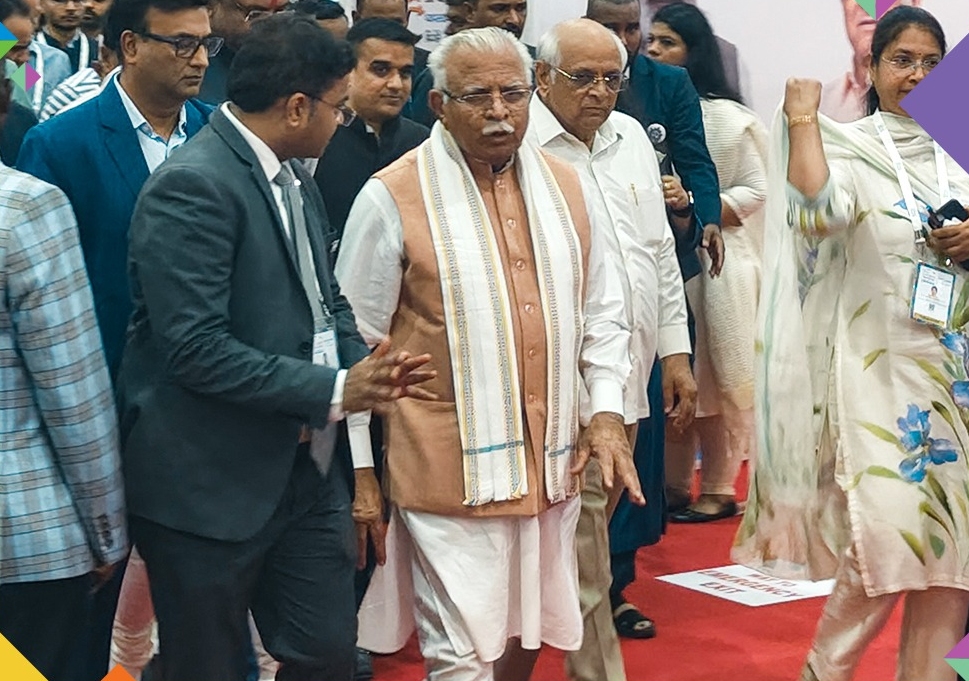
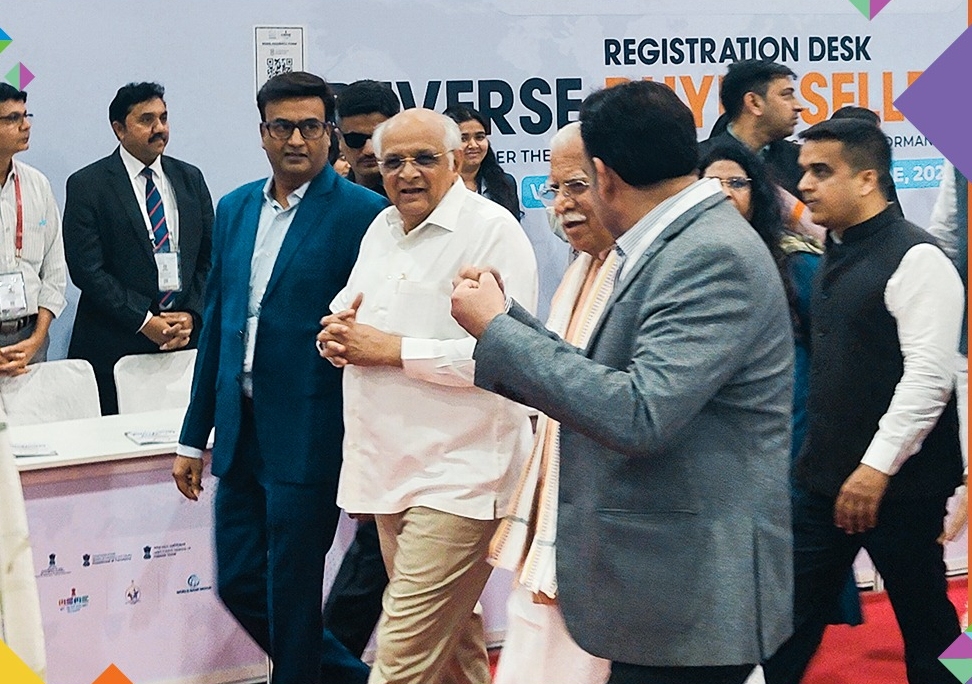
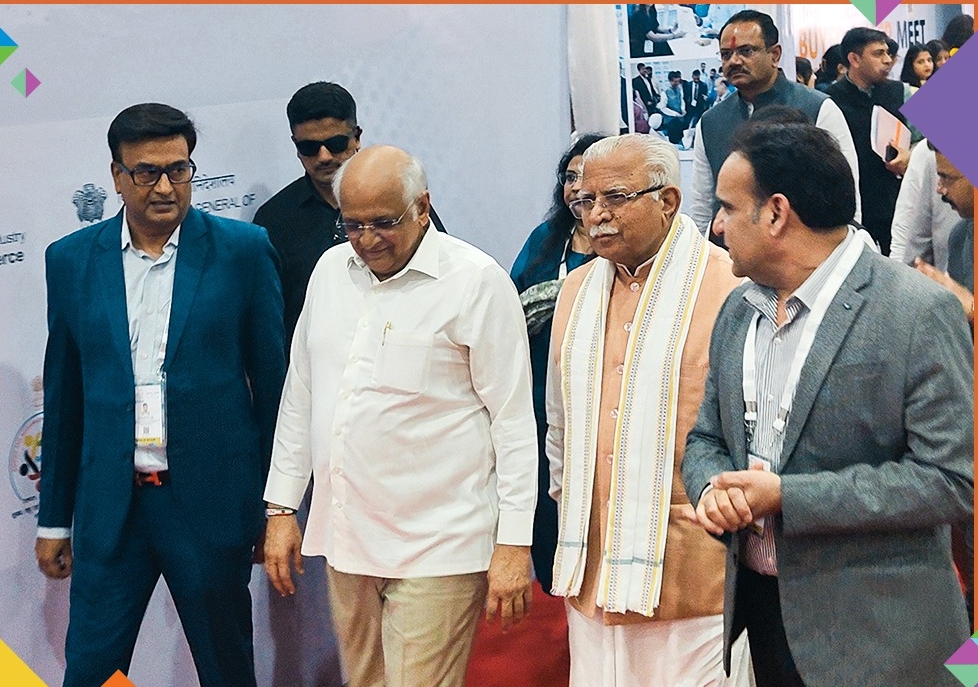
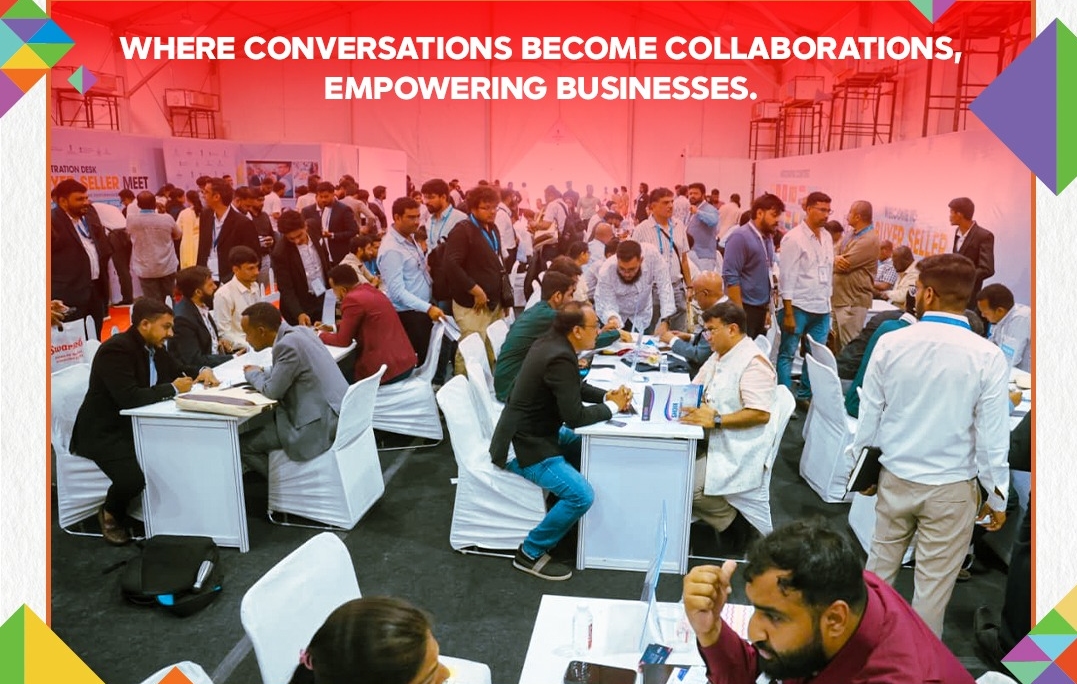
The significance of the International Buyers-Sellers Meet at VGRC Vadodara 2026 was further underscored by the presence of several distinguished dignitaries, including Shri Manohar Lal Khattar, Chief Minister Shri Bhupendra Patel, and Dy. Chief Minister Shri Harsh Sanghavi. Their participation highlighted the growing importance of platforms that facilitate direct engagement between Indian businesses and international buyers, paving the way for new global trade opportunities.

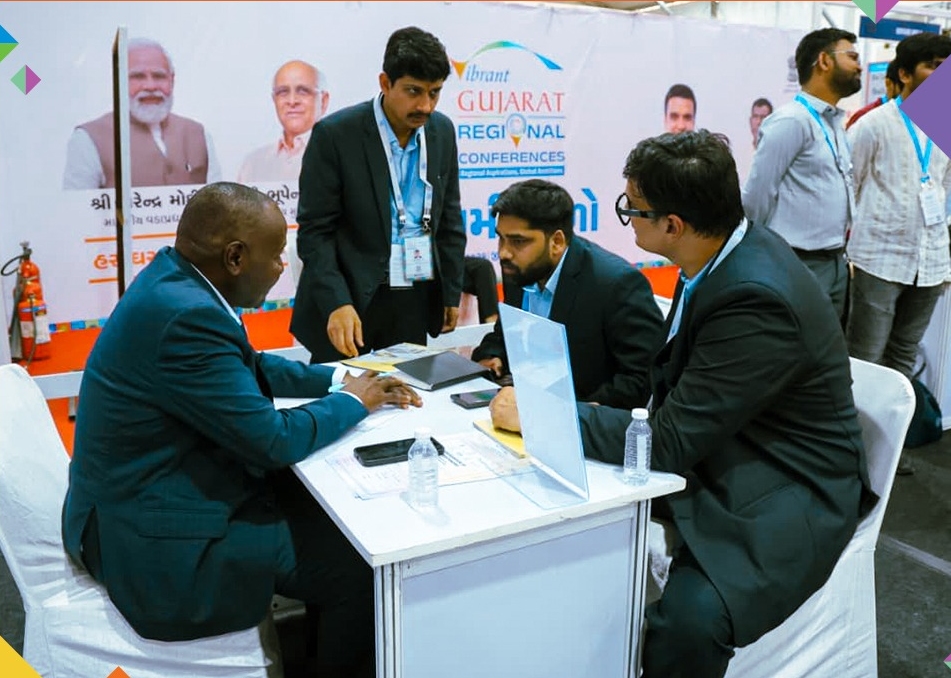
One of the major highlights of the event was the Business-to-Business (B2B) Meetings, where international buyers and Indian sellers came together to explore new business prospects, exchange ideas, and build long-term commercial partnerships. The interactions reflected the increasing confidence of global buyers in India’s manufacturing and export capabilities while creating fresh opportunities for exporters across multiple sectors.

The successful conduct of the International Buyers-Sellers Meet once again demonstrated the growing role of collaborative initiatives between the Government of Gujarat and FIEO in driving export-led growth. By bringing together policymakers, industry leaders, exporters, and overseas buyers under one platform, the event reinforced Gujarat’s position as one of India’s leading export destinations and a key gateway for global trade and investment.