
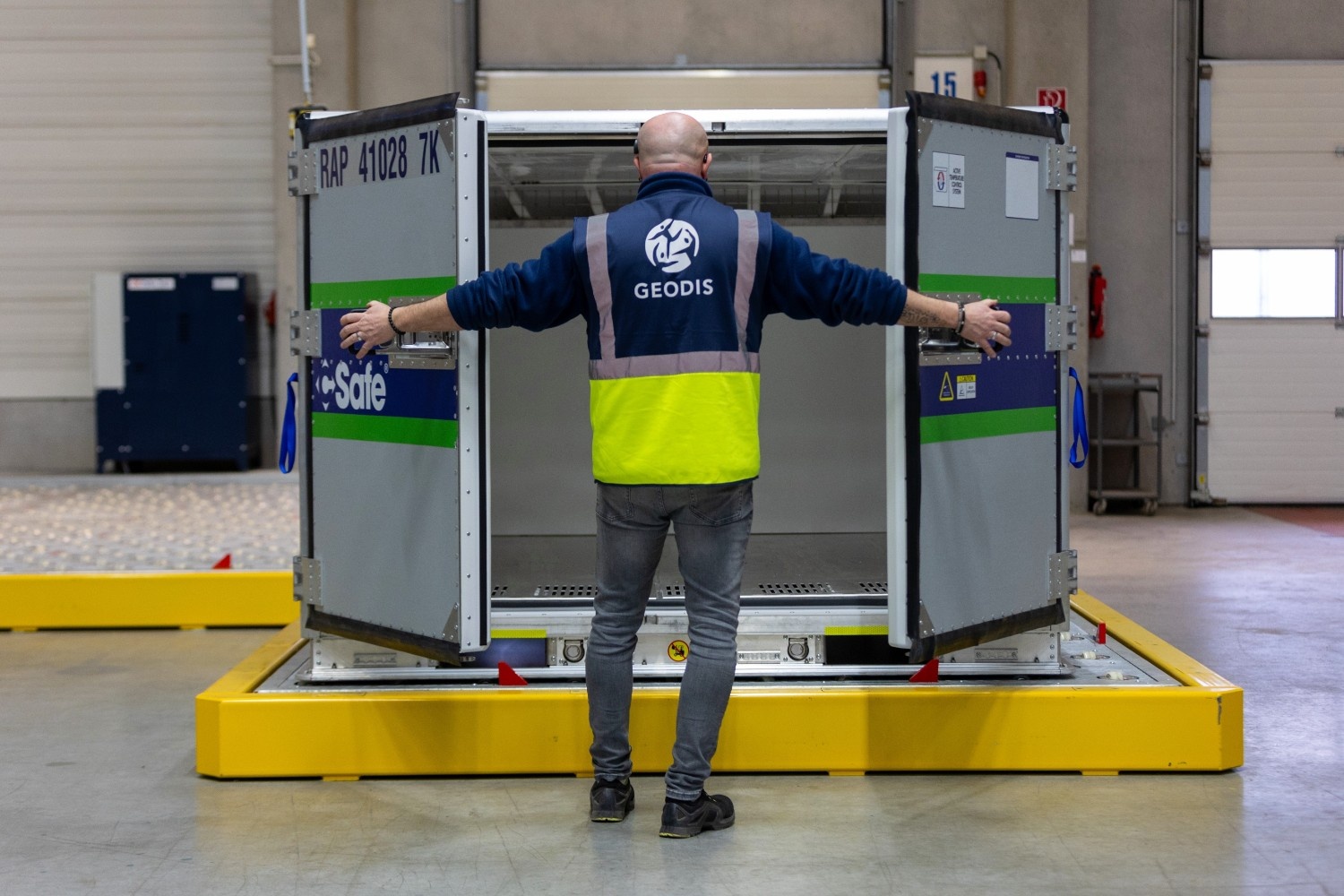
HYDERABAD: GEODIS achieves IATA CEIV Pharma certification for its Hyderabad site in India, validating its ability to handle pharmaceutical and healthcare shipments to the highest international standards. The milestone strengthens the company’s healthcare logistics capabilities in one of India’s leading life sciences hubs and expands its global network of CEIV-certified facilities
GEODIS, a global leader in transport and logistics, has achieved the IATA Center of Excellence for Independent Validators (CEIV) Pharma certification for its Hyderabad site, reinforcing its commitment to delivering world-class healthcare and life sciences logistics solutions.
The certification validates that GEODIS’ Hyderabad operations, processes, infrastructure, and personnel meet rigorous international standards for handling pharmaceutical and healthcare shipments. The certification process includes comprehensive assessments of quality management systems, operational procedures, risk management practices, staff training, temperature-control capabilities, and regulatory compliance.
Hyderabad widely recognized as one of India’s leading pharmaceutical and life sciences hubs, plays a critical role in supporting global healthcare supply chains. With this achievement, GEODIS further strengthens its ability to serve pharmaceutical manufacturers, biotechnology companies, and healthcare customers requiring specialized logistics solutions.
“Hyderabad is one of the world’s most important pharmaceutical manufacturing and export hubs, making it a strategic location for our healthcare logistics network,” said Chris Cahill, Managing Director, Middle East and India Sub-continent, GEODIS. “This certification enhances our ability to support customers moving increasingly complex and temperature-sensitive healthcare products across global markets. It also reflects our continued investment in specialist infrastructure and expertise in India, where we now have more than 1,000 employees across 15 locations serving over 7,000 customers. As part of our wider network of 29 CEIV Pharma-certified sites globally – including nine in the Asia Pacific and Middle East Region – Hyderabad further strengthens the resilience and consistency of our healthcare offering for customers across Asia Pacific and beyond.”
The achievement complements GEODIS’ broader healthcare logistics strategy, which combines specialized infrastructure, trained healthcare logistics professionals, advanced shipment visibility and stringent quality controls to support the safe movement of critical healthcare products worldwide.
GEODIS Achieves IATA CEIV Pharma Certification in Hyderabad (India), Strengthening Commitment to Healthcare Logistics
‘Windea Clarke’ completes Bernhard Schulte Offshore’s quartet of new CSOVs
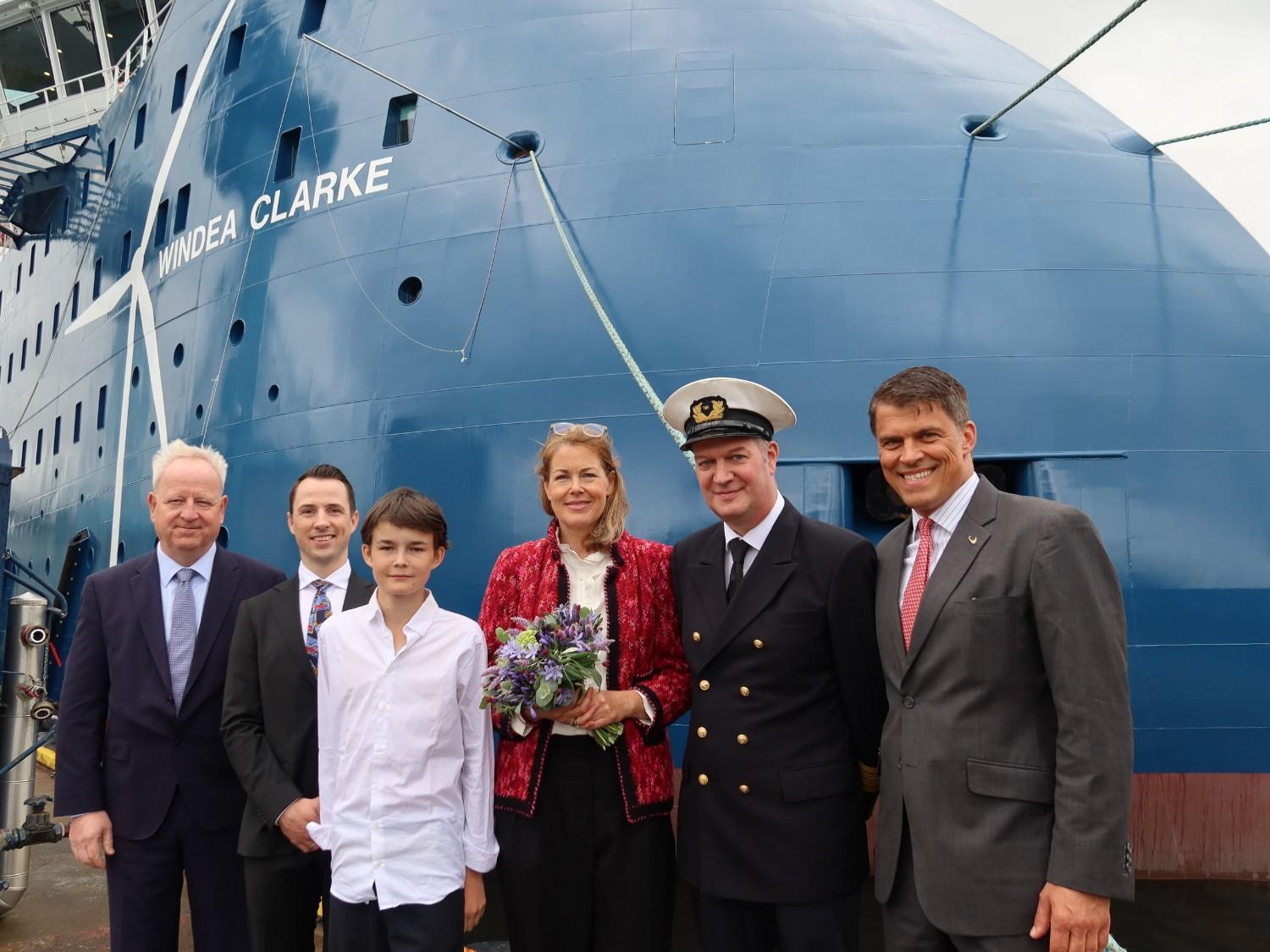
HAMBURG: Bernhard Schulte Offshore (BSO) has reached a key milestone in the expansion of its offshore fleet with the delivery of‘Windea Clarke’, the fourth and final vessel in its latest newbuilding series of Commissioning Service Operation Vessels (CSOVs). The vessel, which was christened on 30 June at Ulstein Verft in Norway, will directly enter its first seasonal charter on an offshore wind project in the UK North Sea.


With the addition of ‘Windea Clarke’, BSO completes a homogeneous series of four new state-of-the-art CSOVs, which have been integrated into the existing offshore fleet, now comprising seven units, since mid-2025.
Matthias Müller, Managing Director Bernhard Schulte Offshore, said: “With ‘Windea Clarke’, we are completing a strategically important series of vessels that strengthens our ability to support offshore projects with reliable tonnage while significantly reducing the environmental footprint. It enables us to deliver efficient and scalable services across construction, commissioning and maintenance phases to the global offshore energy industry.”
“The delivery of ‘Windea Clarke’ marks another milestone in our strong and valued partnership with Bernhard Schulte Offshore. Their continued trust in Ulstein reflects a shared ambition to challenge the oceans and push the boundaries of offshore vessel design,” says Gunvor Ulstein, CEO of Ulstein Group.
Like her sister vessels, ‘Windea Clarke’ has been purpose-built to meet the evolving demands of the offshore energy industry. Based on Ulstein’s advanced vessel design, the ship combines high operational performance, energy efficiency and excellent seakeeping characteristics. The vessel features Ulstein’s TWIN X-STERN solution, which provides exceptional manoeuvrability, reduced motion and improved fuel efficiency, all key qualities for safe and sustainable offshore operations. Combined with hybrid battery propulsion and a design prepared for future methanol use, the series of vessels is optimised for low-emission operations.
A distinctive feature of ‘Windea Clarke’ is its DNV SILENT-E class notation, confirming that the vessel meets defined limits for underwater radiated noise emissions to protect the marine life. By incorporating noise-reducing measures such as optimised propeller design, vibration control and a holistic noise-aware vessel layout, ‘Windea Clarke’ is designed to minimise its acoustic footprint.
The ‘Windea Clarke’ offers comfortable accommodation in single cabins for offshore personnel and is fitted with a centrally positioned, height-adjustable walk-to-work gangway and elevator tower to enable safe personnel and cargo transfers. A 3D motion-compensated crane supports offshore handling operations, while extensive storage areas and stepless workflows enhance operational efficiency. ‘Windea Clarke’ features a height-adjustable boat-landing system which enables easy transfer between the CSOV and smaller crew transfer vessels – a key safety feature when operating in offshore wind farms. It is also equipped with a helideck, enabling flexible dispatch of technicians and crew change.
The new vessel continues the naming tradition of the newbuilding series, which honours pioneering scientists. ‘Windea Clarke’ is named after Edith Clarke, a trailblazing electrical engineer whose work made a lasting contribution to modern power systems engineering.
With the completion of this four-vessel series, BSO further consolidates its role as a trusted partner to the offshore energy industry, offering modern, versatile vessels designed to meet the increasing scale and complexity of offshore projects.
New UCL framework provides shipping’s value chain with a simple forward-looking way to measure climate transition risk
LONDON: When a bank or investor assesses a ship’s climate risk today, the tools available largely look backward: historic emissions, current compliance status, or a snapshot of where a vessel stands right now. None offer a public, forward-looking view of how that same ship might fare across the range of regulatory and market scenarios shipping could plausibly take over the next decade.
Researchers at UCL’s Shipping and Oceans Research Group have developed a framework to close that gap, summarised in the accompanying infographic. Rather than evaluating a vessel against a single forecast or a handful of illustrative scenarios, the approach evaluates each ship against 384 internally consistent combinations of regulatory, fuel price, and technology cost assumptions, drawing in the initial work on a sample of more than 2,000 commercial vessels from the Clarksons World Fleet Register. The result is a risk score that reflects a ship’s range of expected costs and competitiveness in those different scenarios, and therefore how it is exposed to a range of foreseeable plausible scenarios.
“Existing assessments typically rely on a limited set of scenarios and don’t capture the value of flexibility under uncertainty,” said Dr. Marie Fricaudet, Senior Research Fellow at UCL Shipping and Oceans Research Group and lead author.“Until now, the industry hasn’t had a consistent way to compare transition risk across individual vessels or portfolios. We wanted to build something owners, charterers and financiers could actually use, as a way to identify which assets are exposed, and which characteristics make a ship more resilient.”
An evolution of stranded-asset thinking, built for decision-making under uncertainty
The framework builds on existing stranded-asset analysis but applies real option theory, treating a vessel’s ability to adapt, through fuel switching, retrofitting, or deferring investment, as a source of economic value in its own right, not just a hedge.
Sophie-Kim Chapman, VP, Decarbonisation and Energy Security at DFDS said: “As a ferry operator, we need to be confident that the vessels we order today will remain commercially viable across a wide range of regulatory and market conditions. The UCL framework offers something we haven’t seen before: a consistent, transparent basis for comparing how different design and fuel choices perform across the full range of plausible futures. This kind of forward-looking analysis is exactly what we need to inform decisions we’re making now.”
Retrofitting is assumed to be viable with conservative estimates of how much this would cost for each fuel option. If retrofit turns out to be significantly more expensive than estimated, then the flexibility and option value of a conventional ship will be more constrained. A conventional vessel that cannot be converted ranks among the riskiest assets the framework evaluates, underscoring why retrofit readiness, is the protective factor.
The risk index shows that under current IMO policy outcome uncertainty, older tonnage that is efficient (in particular equipped with wind propulsion) and either conventional or LNG dual-fuel, currently represent a lower climate-risk investment. Existing ship orders already show some signs consistent with that finding. The recent shift toward conventional and LNG dual-fuel vessels, even as zero-carbon fuels attract attention, is consistent with owners responding rationally to the absence of clear policy signals, preserving flexibility while regulatory uncertainty, including the future shape of the IMO’s proposed Net Zero Framework, remains unresolved.
Why this matters for financiers?
Existing frameworks used by major shipping lenders are built on historical and current snapshot emissions data. They are not designed to answer a forward-looking question: how exposed is this asset or portfolio to outcomes resulting from governments and industry taking climate action?
Michael Parker, former Chairman of the Poseidon Principles Association said “Banks will want to be able to look across their shipping portfolios and identify where transition risk is concentrating — and until now, the tools to do that in a forward-looking way have been limited. The UCL Climate Resilience Framework gives a new tool for evaluating individual vessels against a range of plausible futures, which can be helpful in making informed decisions about where additional capital for retrofits might be needed to keep assets competitive over the long term.”
Looking ahead
Applying the framework at fleet scale already surfaces findings that researchers plan to test further with industry and finance stakeholders over the coming months, including the relative importance of vessel age, energy efficiency, and retrofit flexibility, as well as the consistently strong performance of technologies such as wind-assisted propulsion, in determining resilience and how those rankings shift under different assumptions about future IMO policy.
The concept of the framework and its methods were discussed and received positively at a roundtable, with shipowners, charterers and financiers, held during the London Climate Action Week. The work has also received positive feedback from initial consultation with the industry and is undergoing further review. Interested stakeholders are requested to get in touch to get a preview of the tool and provide feedback during this next phase of the development before eventual release of the tool in the next few months.
“This isn’t about predicting winners” said Professor Tristan Smith, Professor of Energy and Transport at UCL Shipping and Oceans Research Group. “It’s about giving the industry access to simple, transparent and repeatable ways to compare risk across asset and design choices and demystifying the crucial evidence-based conversations that are needed across shipping’s value chain.”
The full paper which describes the framework is available as a preprint at Research Square (DOI: 10.21203/rs.3.rs-9247082/v1) and the accompanying infographics are available here: https://www.shippingandoceans.com/post/new-climate-resilience-framework-for-shipping. The work was supported with funding received from Donor Advised Funds, National Philanthropic Trust and Kuehne Climate Centre.
Sensitivity of ship-level transition risk scores to age, efficiency, fuel choice and non-fuel technologies – Higher score denotes higher risk
Link to full report: https://www.shippingandoceans.com/post/new-climate-resilience-framework-for-shipping
About UCL Energy Institute
The UCL Energy Institute hosts a world leading research group which aims to accelerate the transition to an equitable and sustainable energy and trade system within the context of the ocean. The research group’s multi-disciplinary work on the shipping and ocean system leverages advanced data analytics, cutting-edge modelling, and rigorous research methods, providing crucial insights for decision-makers in both policy and industry. The group focuses on three core areas: analysing big data to understand drivers of historical emissions and wider environmental impacts, developing models and frameworks to explore energy and trade transition to a zero emissions future, and conducting social science research to examine the policy and commercial structures that enable the decarbonisation of the shipping sector.
Cabinet approves ₹30,000 cr additional investment in NIIF to boost infra projects
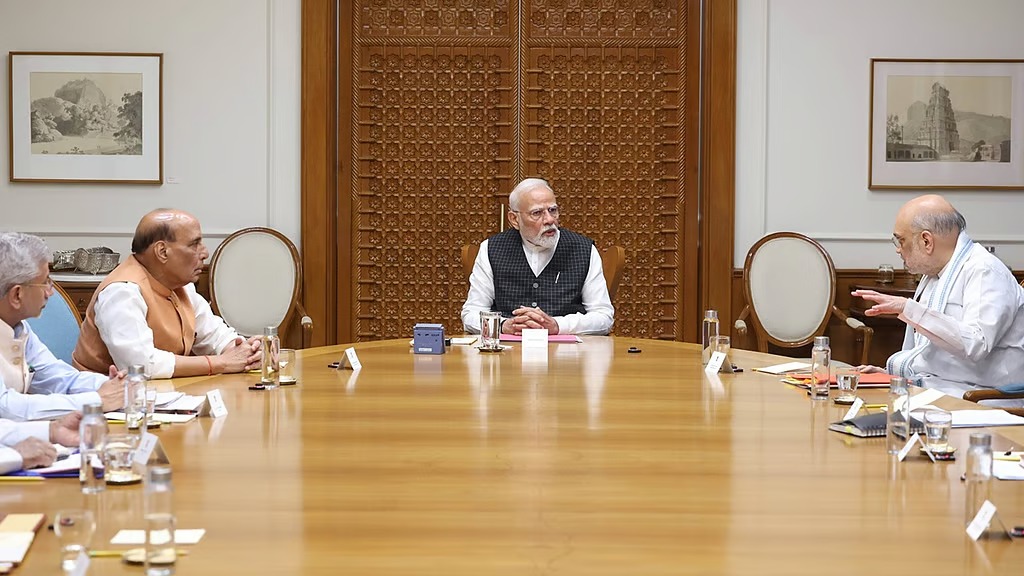
NEW DELHI : In a significant step to deepen India’s investment commitment for infrastructure and other nationally important sectors, the Union Cabinet last week approved an additional investment commitment of ₹30,000 crore by the Centre towards new and upcoming funds of the National Investment and Infrastructure Fund (NIIF).
With the decision of the Cabinet headed by Prime Minister Shri Narendra Modi, the government’s total commitment to NIIF stands at ₹60,000 crore, an official statement said on Monday.
NIIF is India’s sovereign-anchored fund, professionally run and managed by National Investment and Infrastructure Fund Ltd (NIIFL).
The Government of India is a 49 per cent shareholder in NIIF, and it currently manages capital commitments of approximately ₹40,000 crore across its funds and investment strategies.
NIIF has demonstrated a strong track record of capital deployment and realisations, having returned close to ₹12,000 crore to investors through large portfolio exits, it said.
NIIF has raised capital from marquee institutional investors, including Sovereign Wealth Funds, Pension Funds, Multilateral Development, and leading Domestic Financial Institutions, it said.
These include Abu Dhabi Investment Authority, AustralianSuper, CPP Investments, Ontario Teachers’ Pension Plan, PSP Investments, Temasek, Asian Infrastructure Investment Bank, New Development Bank, Asian Development Bank, Japan Bank for International Cooperation, US International Development Finance Corporation, Axis Bank, HDFC Group, ICICI Bank, Kotak Mahindra Life Insurance and State Bank of India.
These investors span diverse geographies, including Australia, Canada, Japan, Singapore, the United Arab Emirates, and the United States, reflecting strong international confidence in India’s growth trajectory and NIIF’s governance and commercial track record, it said.
NIIF’s four operational investment strategies – infrastructure, private markets, growth equity and climate investments in the India-Japan business corridor- have achieved notable investment momentum.
NIIF’s first infrastructure fund, with a corpus of ₹16,000 crore, is India’s largest domestic infrastructure fund and has created platforms across transportation (roads, ports & logistics, and airports), energy (renewables, smart meters and power transmission) and digital infrastructure. Its Private Markets Fund has invested in multiple AIFs managed by home-grown managers, which in turn have invested in areas such as climate, affordable housing, affordable healthcare and venture capital (VC) technologies.
NIIF’s Strategic Opportunities Fund has focused on growth sectors such as financial services, healthcare and manufacturing. NIIF’s India-Japan Fund is its first bilateral fund and focuses on climate and circular economy, and energy transition, as well as investments that further the India-Japan business corridor, it said.
Collectively, funds managed by NIIF have deployed capital across key sectors including transportation, energy transition, healthcare, digital infrastructure, electric mobility, affordable housing, manufacturing, and technology across multiple states and Union Territories.
These investments are closely aligned with national priorities such as Gati Shakti, Digital India, Make in India, COP commitments and flagship schemes including FAME and PM E-DRIVE. NIIF also plays a strategic advisory role, assisting central government departments and state entities on new PPP initiatives and investment ideas that can catalyse private sector investments.
This has included advisory and policy support on initiatives such as structuring of the Maritime Development Fund and the Research Development and Innovation Fund, collaboration with government authorities on monetisation and PPP structures and advice on other sector-specific investment frameworks aligned with national priorities, it said.
Recognising the role that NIIF has played over the years in bringing additional private capital to India and contributing to India’s growth journey, this additional commitment of the GOI is expected to spur investments across sectors including transportation, energy, digital infrastructure, urban infrastructure, e-mobility and other nationally important projects, it said.
This additional investment commitment of the Government of India of ₹30,000 crore in NIIF will be used for setting up NIIF’s second infrastructure-focused fund, which shall be the successor to its first flagship fund with this mandate.
NIIF Infrastructure Fund II is proposed to have a target corpus of close to ₹30,000 crore and is expected to undertake investments across transportation, energy, digital infrastructure, and emerging areas such as urban infrastructure and e-mobility, it said, adding that the allocation shall also support NIIF’s new fund strategies and successor bilateral and other strategic funds.
The present government allocation is expected to have a catalytic impact on the economy through investments in underlying assets and portfolio companies, thereby contributing to high-quality infrastructure, creation of jobs (both direct and indirect) and enabling the growth of key sectors of national importance, thereby supporting Atmanirbharta and the country’s journey towards becoming a Viksit Bharat by 2047, it added.
Source : PTI
CM Bhupendra Patel unveils Viksit Gujarat 2047 implementation roadmap
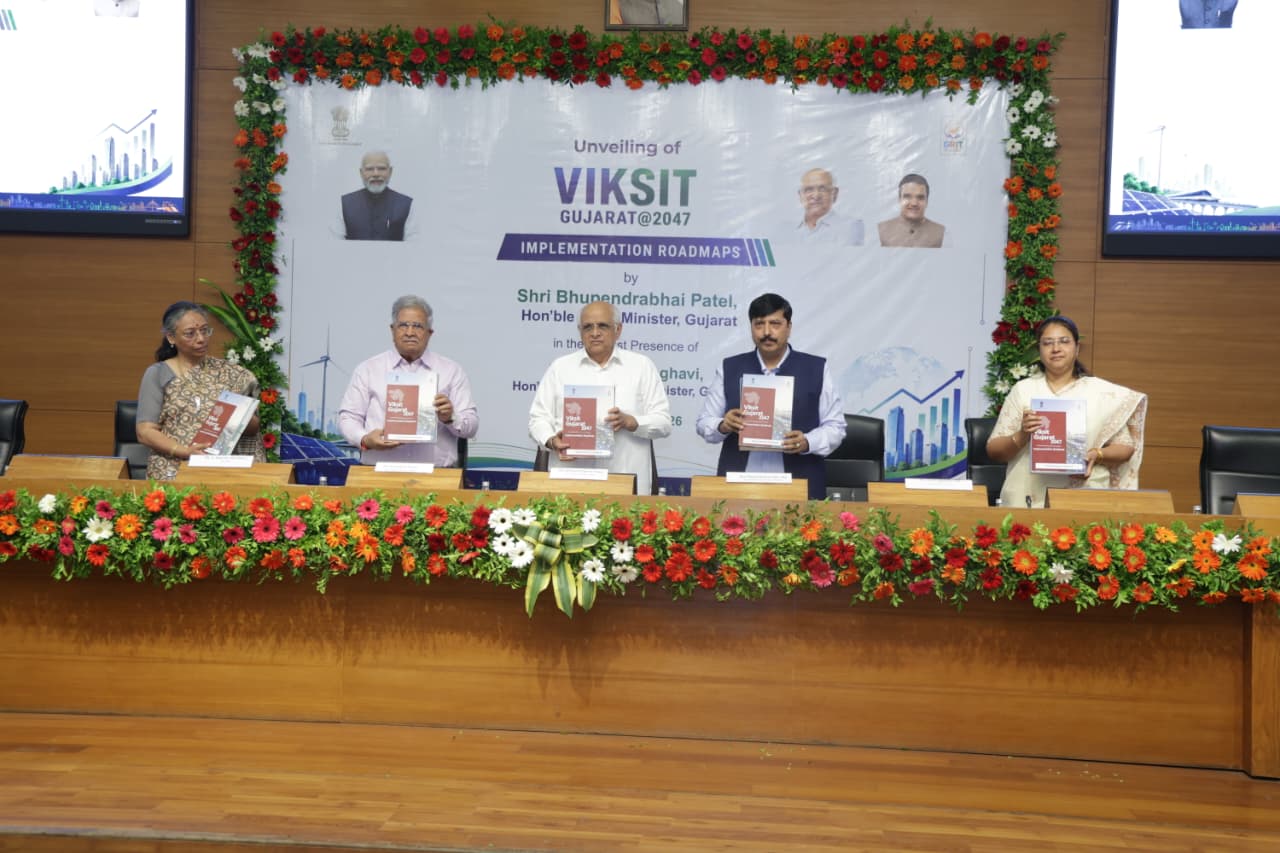
GANDHINAGAR: Marking what the State Government described as a decisive step from long-term vision to on-ground execution, Gujarat Chief Minister Shri Bhupendra Patel on Tuesday (June 30, 2026) unveiled the Viksit Gujarat @2047 Implementation Roadmap, a comprehensive strategy aimed at translating the State’s development vision into measurable action over the next two decades.
The roadmap, prepared jointly by the Gujarat State Institute of Transformation (GRIT) and the Planning Division of the General Administration Department, was unveiled in Gandhinagar in the presence of Finance Minister Kanubhai Desai, members of the Council of Ministers, Chief Secretary M. K. Das, Principal Advisor to the Chief Minister Dr. Hasmukh Adhia and senior government officials.
Addressing the gathering, Mr. Patel described the roadmap as a significant milestone aligned with Prime Minister Narendra Modi’s vision of Viksit Bharat 2047, stating that it would provide a clear framework defining responsibilities, timelines and measurable outcomes for every department.
He said the roadmap would strengthen accountable governance by focusing on implementation rather than intent, with the ultimate objective of improving citizens’ quality of life through better livelihoods, stronger infrastructure, inclusive growth and sustainable development.
The Chief Minister said the roadmap envisages transforming Gujarat into a globally competitive, inclusive, sustainable and technology-driven State while advancing the government’s vision of “Earning Well, Living Well.” He expressed confidence that detailed micro-planning and coordinated efforts across departments would ensure the successful realization of the Viksit Gujarat vision.
Calling upon officials to maintain Gujarat’s leadership in India’s development journey, Mr. Patel urged them to set ambitious goals, move beyond the “Chalse” mindset and ensure uncompromising quality in governance and public service delivery.
Chief Secretary M. K. Das said the State possessed adequate financial resources to achieve its development goals, emphasizing that the key requirements now were commitment, effective monitoring and timely reviews. He said all departments, District Collectors and District Development Officers would have to play a proactive role in implementing the roadmap and assured that the government would provide policy support and financial assistance wherever required.
Mr. Das said balanced development across sectors such as health, infrastructure, employment, ports and transport would remain a priority, guided by clearly defined Key Performance Indicators (KPIs).
Presenting the roadmap, GRIT Chief Executive Officer S. Aparna said the Vision Document, released in January 2024, targets raising Gujarat’s Gross State Domestic Product (GSDP) to $3.5 trillion by 2047.
She said the implementation framework has been prepared through the participation of all 26 State departments and is built around 11 major themes, 120 macro goals and 55 key thrust areas. Nearly 900 implementation steps have been identified across departments to achieve the vision.
A digital Viksit Gujarat @2047 dashboard was also showcased during the event, with illustrative implementation plans for the Education, Agriculture, Tourism and Water Supply departments to enable continuous monitoring of progress.
India, EU advance cooperation on sustainable ship recycling; Three Indian yards ready for EU recognition
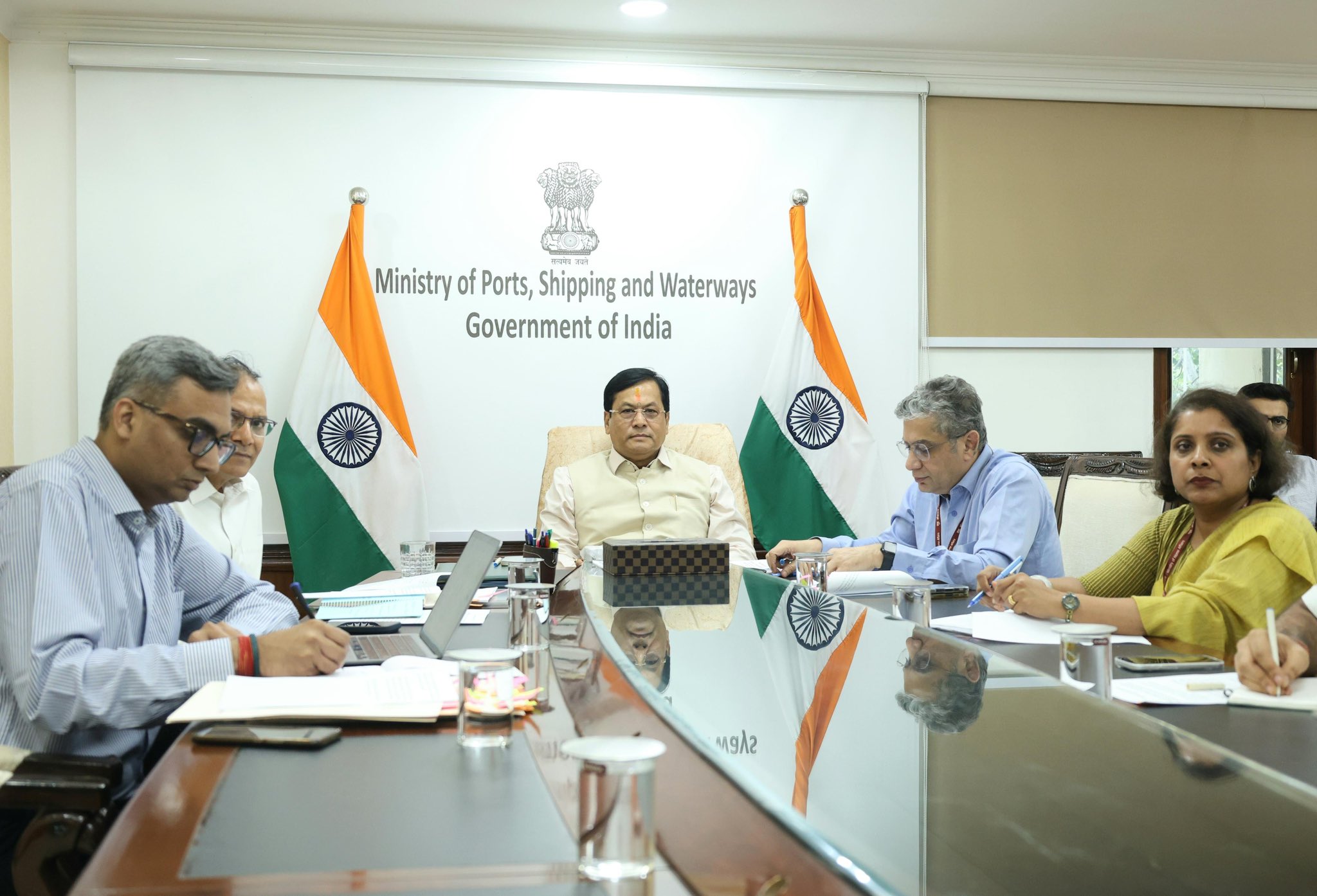
NEW DELHI : India and the European Union have reaffirmed their commitment to strengthening cooperation in sustainable ship recycling, with both sides expressing confidence over the progress made in facilitating the inclusion of Indian ship recycling facilities under the European Union Ship Recycling Regulation (EUSRR).
During discussions between Union Minister for Ports, Shipping and Waterways Shri Sarbananda Sonowal and European Commissioner for Environment, Water Resilience and a Competitive Circular Economy Jessika Roswall, the two sides reviewed the ongoing audit and compliance process for Indian ship recycling yards seeking recognition under the EU regulatory framework.
The Union Minister said more than 30 Indian ship recycling yards have applied for EU recognition, with six yards currently undergoing the compliance and approval process. Three ship recycling facilities have successfully completed all required compliance procedures and are now eligible to apply for inclusion under the EU Ship Recycling Regulation framework.
“Under the dynamic leadership of Prime Minister Shri Narendra Modi, India has emerged as the world’s leading ship recycling nation and is steadily strengthening its position as a global hub for safe, environmentally sustainable and responsible ship recycling,” Sarbananda Sonowal said.
According to the latest UN Conference on Trade & Development (UNCTAD) estimates, India’s share in worldwide ship recycling increased from 30.1% in 2024 to 35.4% in 2025. The country recycled 2.99 million gross tons (GT) of ships during 2025, registering nearly 60% growth over 1.86 million GT recycled in 2024.
The Union Minister said the Government of India is facilitating the listing of Indian ship recycling yards through a transparent process of audits, inspections and regulatory compliance. He noted that Indian facilities have made significant investments in upgrading infrastructure and operational practices to meet international standards, reflecting the country’s commitment to sustainable maritime development and responsible recycling.
Sonowal said Indian ship recycling facilities are supported by robust environmental infrastructure and worker welfare measures, including effluent treatment plants, scientific waste management systems, multi-speciality healthcare facilities supported by the Red Cross Society and dedicated housing for workers. Sonowal also reiterated that the government conducts periodic as well as unannounced inspections to ensure the highest standards of environmental compliance, worker safety and operational transparency are consistently maintained.
Highlighting India’s long-term vision, Sonowal said the country aims to recycle nearly 16,000 ships over the next decade and has announced a financial commitment of USD 8 billion to support the growth of the shipbuilding and ship recycling sectors. Sonowal said expanding the number of internationally recognised Indian recycling facilities would contribute significantly to the global circular economy by promoting environmentally sound recycling practices while creating employment and strengthening maritime sustainability.
Commissioner Roswall welcomed the progress achieved so far and proposed establishing a Joint Working Group (JWG) comprising representatives from the Ministry of Environment and other relevant ministries and organisations to facilitate effective coordination and support the next phase of the process.
The commissioner emphasised the importance of unannounced inspections in maintaining high standards of compliance, transparency and accountability, while noting that the matter would be discussed with EU member states during the autumn session before any final decision is taken.
Roswall also expressed willingness to visit Indian ship recycling facilities after the consultation and assessment process is completed. She reaffirmed that the European Union’s approach remains consistent with the outcomes of the India-EU Free Trade Agreement discussions and the provisions of the Hong Kong International Convention for the Safe and Environmentally Sound Recycling of Ships.
The discussions underscore the growing strategic partnership between India and the European Union in advancing sustainable maritime practices. Recognition of compliant Indian ship recycling facilities under the EU framework is expected to strengthen global recycling capacity, promote higher environmental and safety standards, and support responsible end-of-life management of ships while reinforcing resilient and sustainable global maritime supply chains.
Foreign Secretary Vikram Misri gets one-year extension in service
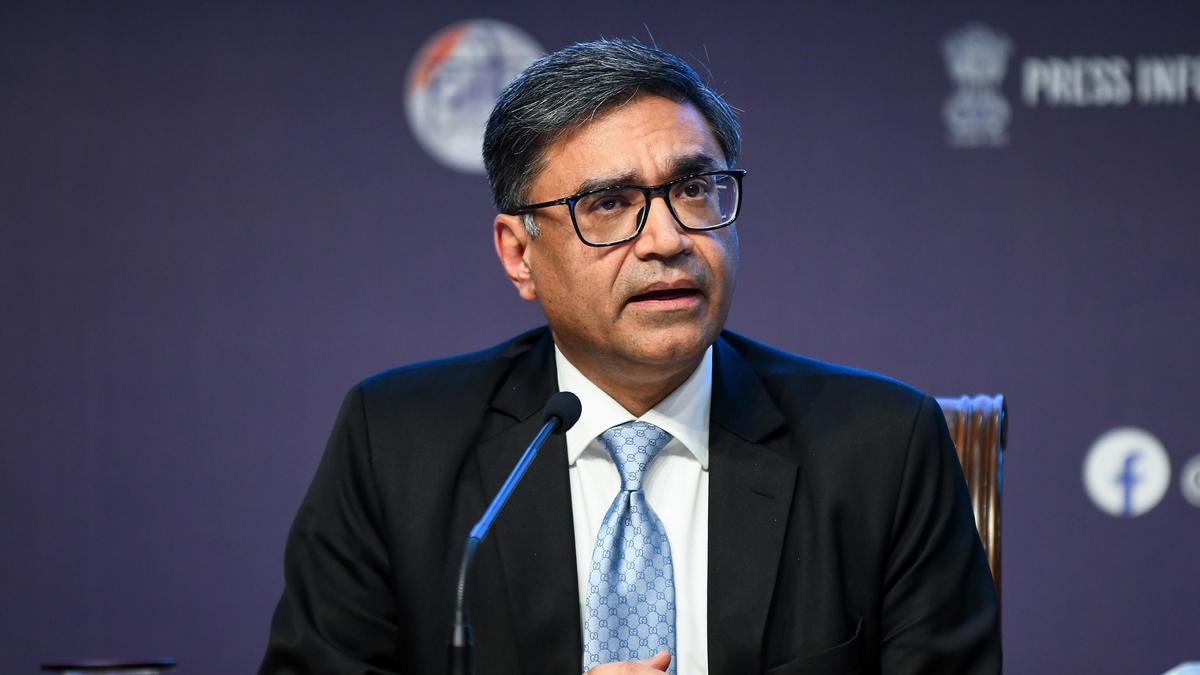
NEW DELHI : Foreign Secretary Vikram Misri who oversaw India’s diplomacy with partner countries during Operation Sindoor of May 2025 against terror elements in Pakistan, has received an extension for a year that will allow him to serve till July 2027.
Mr. Misri is the second Foreign Secretary to have received an extension. Earlier S. Jaishankar got an extension for a year in 2017.
Mr. Misri has handled multiple important diplomatic engagements of India, especially with the second Donald Trump administration in the United States, and the trade negotiation with the European Union.
A notification of the Appointments Committee of the Cabinet and Establishment said Mr. Misri will serve till July 14, 2027.
He has also handled India’s response to the U.S.-Israel attacks against Iran. In the coming year, India is expected to handle difficult trade negotiations with the United States and is expected to host Mr. Trump. That apart the Gulf situation would also require sustained attention as a fragile peace accord between the U.S. and Iran is being tested as Israel continues its military campaigns in Lebanon and Gaza.
India may also hold important outreach events for the Global South during the coming year. The India-Africa Forum Summit was postponed in May because of outbreak of Ebola virus in several African countries and there may be a renewed push to host the summit in the coming months once the Ebola crisis ends in Africa. That apart he will have important regional engagements with Governments of Sri Lanka, Bangladesh, Bhutan and Nepal to handle during this period.
CONCOR operates First Double-Stack Container Train from MMLP Dadri to JNPT, boosting India’s EXIM Logistics
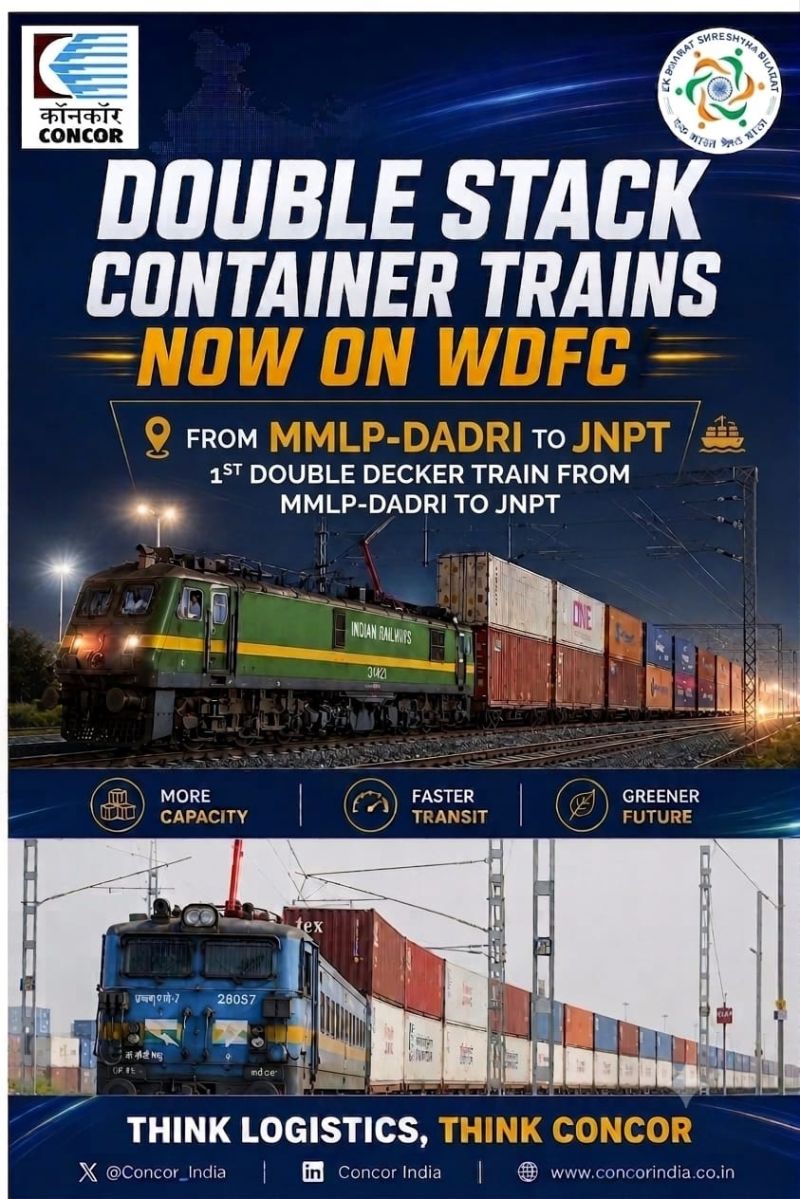
DADRI : Container Corporation of India Ltd. (CONCOR) has achieved a significant milestone in India’s rail-based freight transportation by successfully operating its first Double-Stack (Double-Decker) container train carrying export cargo from its Multi-Modal Logistics Park (MMLP), Dadri, to Jawaharlal Nehru Port Authority (JNPA) via the Western Dedicated Freight Corridor (WDFC). The landmark service was successfully flagged off on June 29, 2026, marking a new chapter in efficient and sustainable EXIM logistics.
The maiden double-stack movement establishes a high-capacity, seamless rail connectivity between the Delhi-NCR hinterland and India’s largest container gateway, significantly enhancing the speed, reliability, and efficiency of export cargo movement. The initiative leverages the world-class infrastructure of the Western Dedicated Freight Corridor, enabling faster transit while reducing congestion on conventional rail routes.
The new service offers a transformational advantage to exporters and trade partners by carrying up to 180 TEUs in a single train, nearly double the capacity of conventional single-stack container trains. This enhanced carrying capacity is expected to optimize asset utilization, reduce logistics costs, improve schedule reliability, and strengthen India’s supply chain competitiveness in global markets.
In addition to operational efficiency, the service reinforces CONCOR’s commitment to sustainable logistics. By facilitating the movement of larger cargo volumes through electrified rail infrastructure, the double-stack service will significantly reduce dependence on road transportation, lower fuel consumption, and contribute to a substantial reduction in carbon emissions, supporting India’s green logistics and decarbonization goals.
The successful operation reflects the close collaboration between CONCOR, Indian Railways, the Dedicated Freight Corridor Corporation of India Limited (DFCCIL), Jawaharlal Nehru Port Authority (JNPA), and the trade community. It also highlights the growing role of integrated multimodal logistics infrastructure in supporting the Government of India’s vision of reducing logistics costs, improving ease of doing business, and enhancing the country’s export competitiveness.
This milestone further strengthens CONCOR’s position as a leading multimodal logistics service provider and underscores its continued commitment to delivering innovative, efficient, and future-ready logistics solutions through Container Corporation of India Ltd. (CONCOR) has achieved a significant milestone in India’s rail-based freight transportation by successfully operating its first Double-Stack (Double-Decker) container train carrying export cargo from its Multi-Modal Logistics Park (MMLP), Dadri, to Jawaharlal Nehru Port Authority (JNPA) via the Western Dedicated Freight Corridor (WDFC). The landmark service was successfully flagged off on June 29, 2026, marking a new chapter in efficient and sustainable EXIM logistics.
The maiden double-stack movement establishes a high-capacity, seamless rail connectivity between the Delhi-NCR hinterland and India’s largest container gateway, significantly enhancing the speed, reliability, and efficiency of export cargo movement. The initiative leverages the world-class infrastructure of the Western Dedicated Freight Corridor, enabling faster transit while reducing congestion on conventional rail routes.
J M Baxi Ports and Logistics signs O&M Agreement with Mumbai Port Authority for Mumbai Clean Cargo Terminal
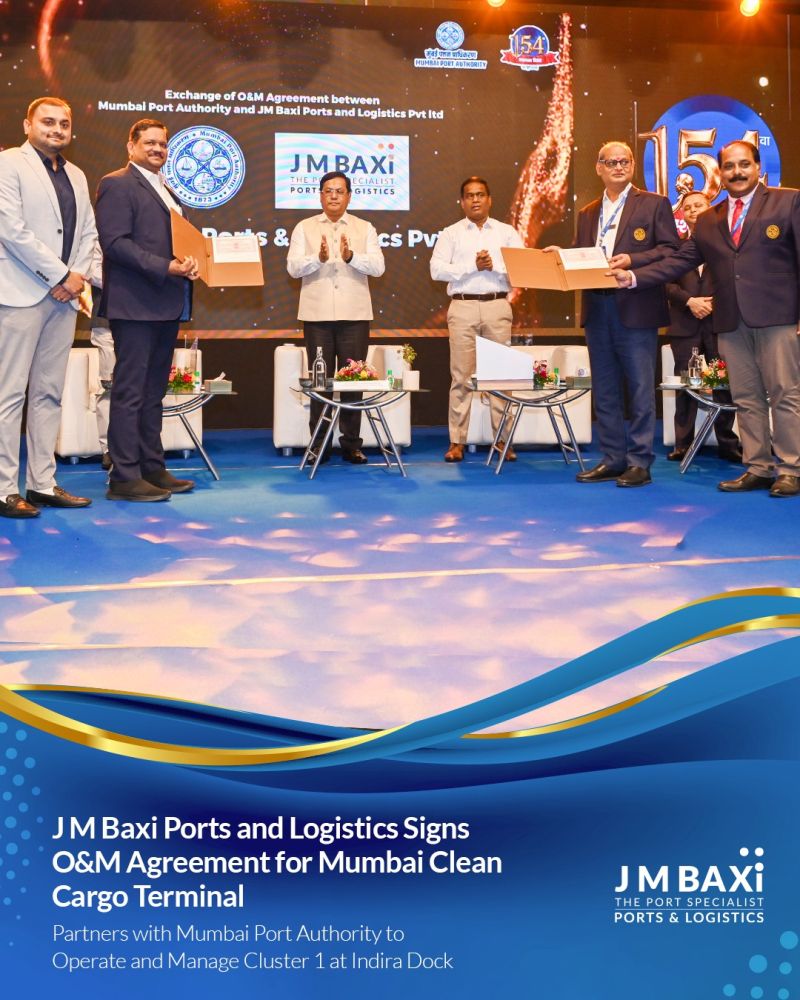
MUMBAI : J M Baxi Ports and Logistics Private Limited has entered into a landmark Operation & Maintenance (O&M) Agreement with the Mumbai Port Authority (MbPA) for Integrated Cargo Handling Operations at Indira Dock Berths (Cluster 1), reinforcing its commitment to strengthening India’s maritime logistics ecosystem and enhancing operational efficiency at one of the country’s most strategic ports.
The agreement, awarded for an initial period of 10 years, with a provision for extension by an additional five years, entrusts J M Baxi Ports and Logistics with the operation and management of the Mumbai Clean Cargo Terminal. The partnership is aimed at delivering world-class cargo handling services through safe, efficient, technology-driven, and customer-centric terminal operations.
Under the agreement, J M Baxi Ports and Logistics will leverage its extensive expertise in port operations, logistics, and terminal management to enhance productivity, improve vessel turnaround time, optimize cargo evacuation, and ensure seamless handling of diverse cargo streams. The initiative is expected to further strengthen the operational capabilities of the Mumbai Clean Cargo Terminal while supporting the growing trade requirements of the country’s western maritime gateway.
The collaboration underscores the shared vision of J M Baxi Ports and Logistics and the Mumbai Port Authority to develop modern, future-ready port infrastructure aligned with the Government of India’s Maritime Amrit Kaal Vision, fostering greater efficiency, sustainability, and ease of doing business in the maritime sector.
Speaking on the occasion, company officials said the agreement represents a significant milestone in J M Baxi Ports and Logistics’ continued expansion in port operations and reflects the confidence placed in the company’s proven capabilities in delivering operational excellence across India’s port ecosystem.
With this strategic partnership, J M Baxi Ports and Logistics looks forward to working closely with the Mumbai Port Authority, customers, shipping lines, trade partners, and other stakeholders to create greater value, facilitate smoother cargo movement, and contribute to the continued growth of India’s maritime trade and logistics sector.
DGS reviews one year of Hong Kong Convention Implementation at Alang, reinforces India’s leadership in sustainable ship recycling
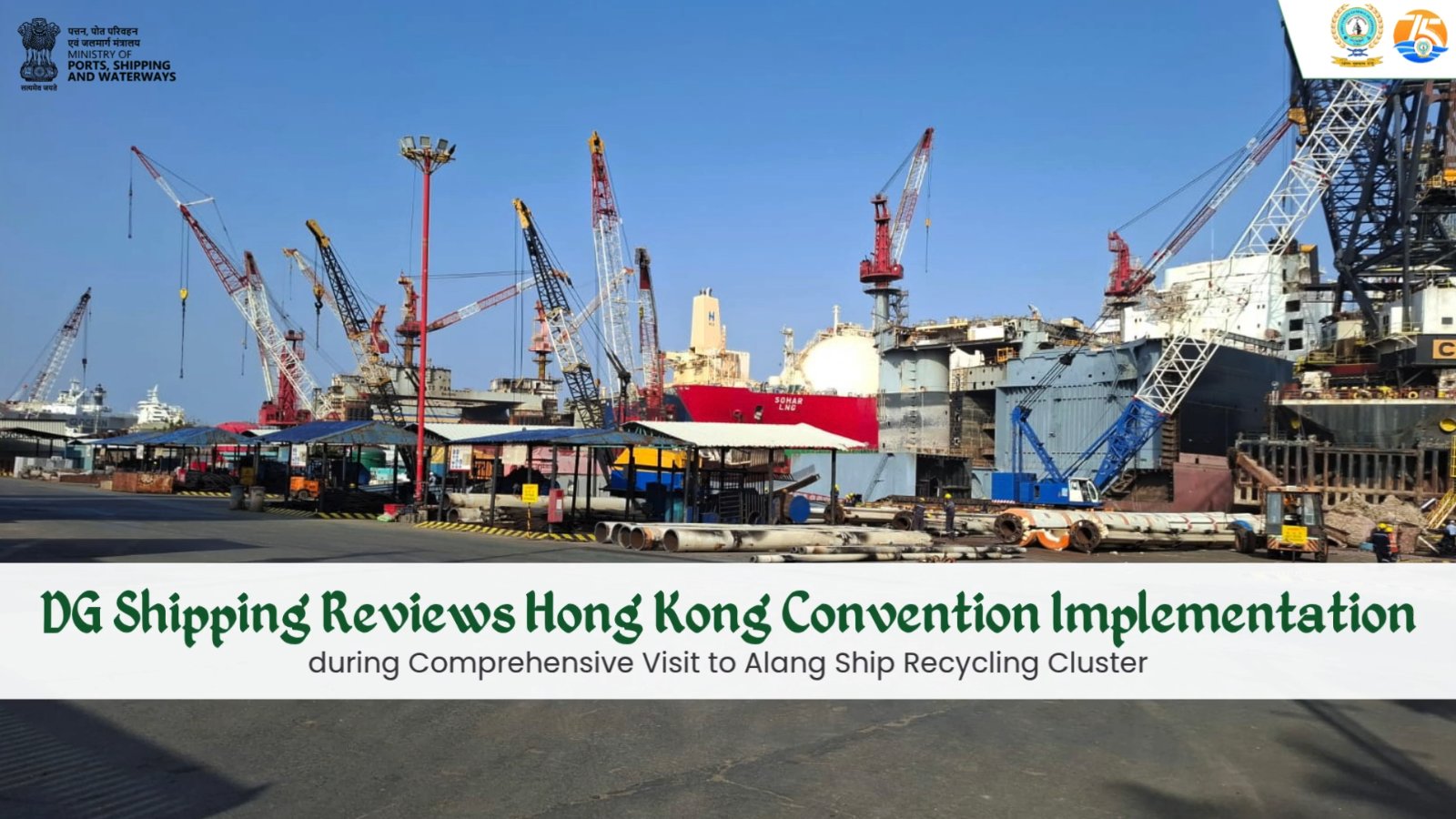
ALANG : Marking one year since the entry into force of the Hong Kong International Convention for the Safe and Environmentally Sound Recycling of Ships (HKC) on 26 June 2026, the Directorate General of Shipping (DGS) undertook a comprehensive review of the implementation of the Convention at Alang, the world’s largest ship recycling cluster.
The high-level delegation was led by Shri Killi Mohana Rao, Chief Surveyor (I/c), Directorate General of Shipping, accompanied by Shri Satish Kamath, Principal Officer (I/c), Mercantile Marine Department (MMD), Kandla, along with senior officers of the Directorate. The visit underscored the Government of India’s commitment to ensuring safe, environmentally sound and globally compliant ship recycling practices in line with international standards.

As part of the visit, the delegation held detailed discussions with the Ship Recycling Industries Association (SRIA) to review the progress made since the Convention came into force and to deliberate on measures for further strengthening compliance, capacity building and sustainable growth of the sector.
The delegation also visited Star Recycling Yard Pvt. Ltd. and Priya Blue Ship Recycling Yard Pvt. Ltd., where they observed HKC-compliant ship recycling operations firsthand. Interactions with industry representatives focused on the adoption of best practices in occupational safety, hazardous material management, environmental protection and worker welfare, highlighting the industry’s continued efforts to align with globally accepted standards.
In collaboration with officers of the Gujarat Maritime Board (GMB), the delegation inspected several critical support facilities that contribute to the holistic development of the ship recycling ecosystem. These included the Alang Workers’ Training Centre, which imparts essential skill development and safety training to workers; the workers’ residential colony established by GMB; the Indian Red Cross Society Hospital, which provides free healthcare services to ship recycling workers and surrounding communities; and the Treatment, Storage and Disposal Facility (TSDF), which plays a vital role in the safe handling, treatment and disposal of hazardous waste generated during ship recycling activities.
The visit provided an opportunity to assess the integrated framework that supports safe ship recycling, encompassing environmental safeguards, occupational health and safety, infrastructure development and social welfare measures.
India today has more than 100 Hong Kong Convention-compliant ship recycling facilities, the highest in the world, reinforcing its position as a global leader in responsible and sustainable ship recycling. The country’s proactive approach towards implementing the Convention reflects its commitment to promoting a circular economy, protecting the marine environment, ensuring worker safety and advancing sustainable maritime development.
The Directorate General of Shipping reaffirmed its commitment to the effective implementation of the Hong Kong Convention through close collaboration with industry stakeholders, regulatory authorities and state agencies. The Directorate will continue to strengthen monitoring mechanisms, promote capacity building and encourage continuous improvement in environmental performance, occupational safety and social responsibility across India’s ship recycling sector.
The visit also highlighted India’s growing role in setting global benchmarks for environmentally sound ship recycling and reaffirmed the nation’s dedication to building a safe, sustainable and internationally competitive maritime ecosystem.