Home Blog Page 244

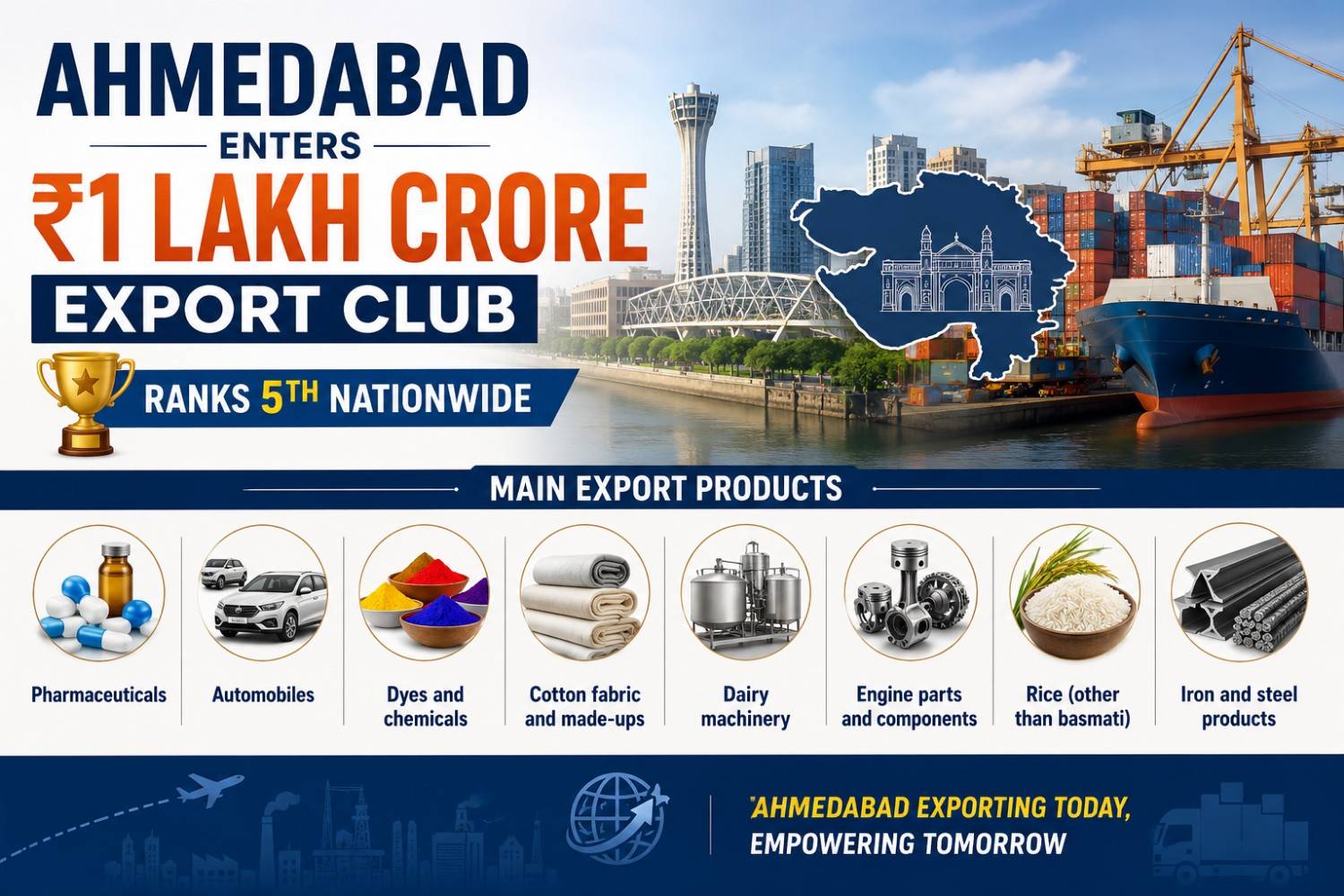
Ahmedabad enters ₹1 Lakh Crore Export Club, Ranks 5th Nationwide

AHMEDABAD: Despite global tariff-related challenges, Ahmedabad district has achieved a historic milestone by crossing the ₹1 lakh crore export mark for the first time. According to Directorate General of Foreign Trade (DGFT) data, the district recorded exports worth ₹1.05 lakh crore in FY 2025-26, making it one of India’s leading export hubs.

The district’s exports increased significantly from ₹97,752 crore in FY 2024-25 to ₹1.05 lakh crore in FY26, adding nearly ₹8,000 crore in export value over the previous fiscal year. Experts attribute this growth to Ahmedabad’s diversified manufacturing base and the impact of currency depreciation.

DGFT data shows that Ahmedabad ranked as the fifth-largest exporting district in India in FY26, reflecting the city’s growing importance in the country’s export landscape. The impressive growth was primarily driven by strong performances across key sectors, including pharmaceuticals, automobiles, dyes and chemicals, engineering products, and textiles. Ahmedabad’s diversified industrial and manufacturing base played a crucial role in sustaining export growth despite ongoing uncertainties in global trade and tariff-related challenges, highlighting the district’s resilience and economic strength.

The achievement comes as Gujarat retained its position as India’s largest exporting state, accounting for 25.57% of the country’s total exports in FY26. Ahmedabad contributed 10.75% of Gujarat’s total exports, emerging as the second-largest exporting district in the state.

At the national level, Jamnagar retained the top position among exporting districts with exports worth ₹3.22 lakh crore. Surat and Kutch also featured among India’s top 10 exporting districts, highlighting Gujarat’s dominance in sectors such as petroleum products, gems and jewellery, engineering goods, and chemicals.

Dr. Rahul Singh, ITS, Joint Director at DGFT, said Ahmedabad’s export performance reflects the district’s strong industrial ecosystem. He noted that Ahmedabad has a significant export presence in:

  • Pharmaceuticals
  • Automobiles
  • Dyes and chemicals
  • Cotton fabric and made-ups
  • Dairy machinery
  • Engine parts and components
  • Rice (other than basmati)
  • Iron and steel products

According to Singh, Gujarat has four districts among the top 10 exporting districts in India, while Bharuch ranks 11th nationally.

He also emphasized that Gujarat’s extensive coastline and well-developed infrastructure play a major role in supporting manufacturing and export growth across the state.

While exports rose sharply in rupee terms, export figures in dollar terms remained largely stable.

Ahmedabad’s exports stood at $11,888 million in FY26, compared with $11,956 million in FY25. However, the figure remained higher than $11,161 million recorded in FY24.

The data indicates that part of the increase in export value in rupee terms was influenced by the depreciation of the Indian rupee against the US dollar.

Crossing the ₹1 lakh crore export milestone marks a significant achievement for Ahmedabad and reinforces its position as one of India’s key manufacturing and export centres. With strong contributions from pharmaceuticals, automobiles, chemicals, textiles, engineering products, and other industrial sectors, the district continues to play a vital role in Gujarat’s export success story while strengthening its standing on the national stage.
Govt of India may extend import duty exemption on 40 petrochemical products beyond June 30

NEW DELHI : The Government is likely to decide soon on whether to extend the import duty exemption on around 40 critical petrochemical products beyond June 30, with the final call expected after assessing the evolving situation in West Asia and its impact on trade routes and revenue collections.

The Centre had announced a temporary customs duty exemption on key petrochemical imports from April 2 to shield domestic industries from supply chain disruptions triggered by geopolitical tensions in West Asia.

Under the measure, customs duty was reduced to nil on 40 products, including Anhydrous Ammonia, Toluene, Styrene, Vinyl Chloride Monomer and several other petrochemical inputs.

The exemption, valid until June 30, was aimed at supporting industries that rely heavily on petrochemical feedstock and intermediates, including plastics, packaging, textiles, pharmaceuticals, chemicals, automotive components and other manufacturing sectors.

Officials said the revenue impact of continuing the exemption would also be a key factor in the government’s decision-making process.

“A decision would be taken after analysing the evolving situation around West Asia and cargo movement via Strait of Hormuz,” the official told PTI.

Among the products covered under the duty waiver are Methanol, Anhydrous Ammonia, Toluene, Styrene, Dichloromethane (Methylene Chloride), Vinyl Chloride Monomer, Poly Butadiene, Styrene Butadiene and Unsaturated Polyester Resins.

The government has set a customs revenue target of Rs 2.71 trillion for the current fiscal year, higher than the Rs 2.64 trillion collected in FY26.

The conflict in West Asia and the effective blockade of the Strait of Hormuz have pushed up prices of crude oil, food and fertiliser imports. The disruption has also affected supplies of key raw materials, with cargo movement through the strategic maritime route witnessing a significant decline.

Source : PTI

APEDA facilitates First-Ever Export of Dried Whole Egg Powder from Odisha to Austria

BALANGIR (ODISHA): The Agricultural and Processed Food Products Export Development Authority (APEDA), under the Ministry of Commerce & Industry, Government of India, facilitated the first-ever commercial export shipment of dried whole egg powder from Balangir, Odisha, to Austria, marking a significant milestone in promoting value-added agricultural and processed food exports from India.

The consignment was exported by OVO Farm Pvt. Ltd., Balangir, an APEDA-registered exporter. The shipment reflects the growing global acceptance of Indian value-added poultry products and opens new avenues for the export of processed egg products to premium international markets.

To strengthen the regional egg value chain and promote export-led growth, the exporter established a state-of-the-art egg processing facility in Balangir in 2025. The facility manufactures dried egg products that comply with national and international food safety and quality standards, including EIC standards, European Union hygiene requirements and other globally recognised regulations. The unit is certified under FSSC 22000 Version 6 and also holds HALAL and KOSHER certifications.

Dried whole egg powder is widely used in the food processing industry, bakeries, confectionery manufacturing and pharmaceutical applications owing to its long shelf life, ease of transportation and versatility. Produced through the spray-drying of liquid eggs, the product undergoes stringent quality control measures to ensure compliance with international standards.

The export consignment, comprising 22.6 metric tonnes of dried whole egg powder, was virtually flagged off by Chairman, APEDA, Shri Abhishek Dev, IAS. The event was attended by Commissioner-cum-Secretary, Fisheries and Animal Resources Development (F&ARD) Department, Government of Odisha, Shri Prem Chand, IAS, and Collector and District Magistrate, Balangir, Shri Gaurav Shivaji Isalwar, IAS. Representatives of the exporting company, senior APEDA officials and other stakeholders also participated in the programme.

APEDA has extended support to the exporter through its financial assistance schemes aimed at strengthening processing infrastructure, promoting the adoption of food safety and quality management systems, and enhancing laboratory testing capabilities. These interventions help improve export competitiveness and enable Indian exporters to meet the stringent requirements of global markets.

Austria and several other European countries import egg powder for a range of food and industrial applications. The successful export of this consignment highlights the increasing demand for Indian processed food products in the European Union and reinforces India’s position as a reliable supplier of high-quality agricultural and food products.

The export is expected to encourage further investment in poultry processing, strengthen Odisha’s agro-processing ecosystem and create new opportunities for expanding exports of value-added products from the state.

US-Iran talks stalled but not yet over as diplomatic channels remain open: Report

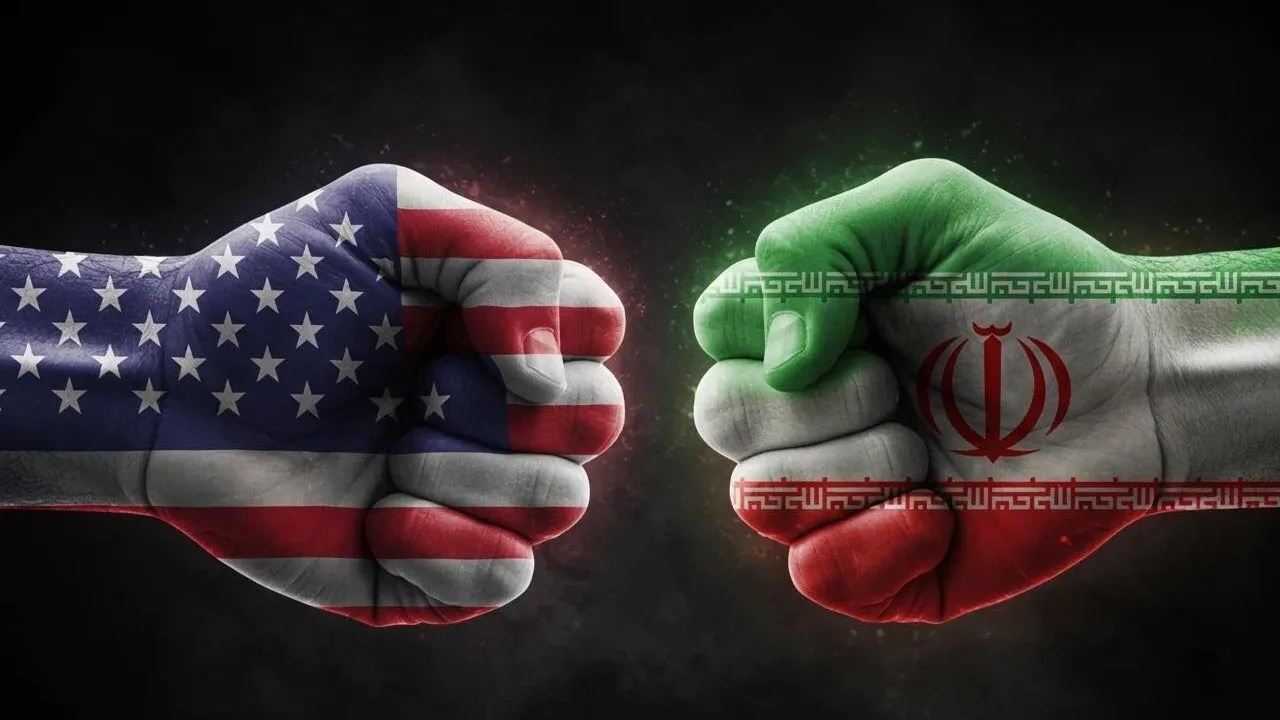
BURGENSTOCK (SWITZERLAND): Negotiations between the United States and Iran as part of the technical talks between the two sides have hit a temporary roadblock but have not completely collapsed, CNN reported, citing an Iranian source familiar with the ongoing discussions in Switzerland’s Burgenstock.

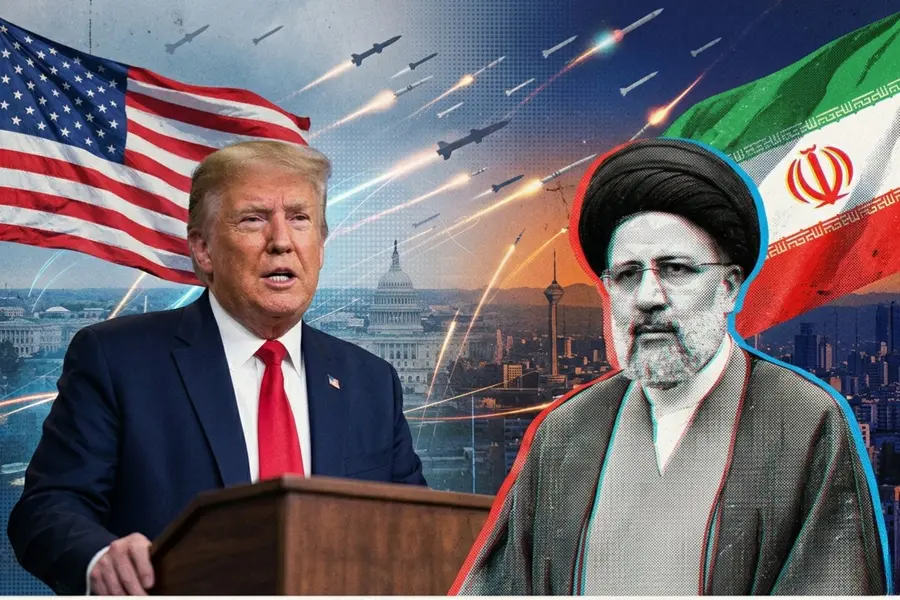
According to CNN, citing the source, diplomatic efforts are continuing behind the scenes despite recent tensions, including threats made by US President Donald Trump on Sunday, as negotiations went on that further complicated the atmosphere surrounding the talks.

The source, who is in communication with members of the Iranian delegation, told CNN that while formal negotiations have stalled for the moment, back-channel discussions are actively underway to encourage both sides to return to the negotiating table.

Earlier, the first round of high-level US-Iran technical talks, as part of the 14-point memorandum of understanding (MoU) reached between the two sides, concluded, with the session suspended after 80 minutes to allow the delegations to conduct “internal consultations”, according to Iran’s Fars news agency.

US Vice President JD Vance convened in Switzerland with senior Iranian officials on Sunday to mark the commencement of high-level diplomatic efforts aimed at finding a complete solution to the crisis in West Asia.

During the talks, mediated by Pakistan and Qatar, Vance articulated Washington’s readiness to “fundamentally transform” its relations with Tehran, relaying a directive from Trump, who has encouraged both parties to turn “a new leaf” in their diplomatic engagement.

The discussions, which include key stakeholders, are primarily tasked with addressing Tehran’s nuclear programme and overcoming critical obstacles within the framework of a fragile interim agreement, including the operational status of the Strait of Hormuz.

As talks continued, US President Donald Trump warned Tehran of hitting the Islamic Republic “very hard” if they “immediately stop their highly paid proxies in Lebanon”, which Iranian Parliament Speaker MB Ghalibaf described as a sign of American ‘desperation’, while sharply criticising the US President, dismissing the remarks as ineffective.

Following Trump’s remarks, Ghalibaf, who is also the chief negotiator from the Iranian side, in a post on X said that Iran would not be intimidated by such threats from Washington and asserted that the country’s armed forces were prepared to respond if necessary.

“Don’t they think to themselves that if their threats had any effect, they wouldn’t have reached the point of despair today? We don’t count on the threats of the Americans. They better be careful with their statements, our armed forces are ready to respond in another way. Whatever they say, we are the ones who will act,” the post read.

His remarks came in response to a statement by Trump, who warned Iran against supporting its ‘proxy groups’ in the region, particularly in Lebanon, in a veiled reference to Hezbollah.

In a post on Truth Social, Trump said, “Iran must immediately stop their highly paid PROXIES in Lebanon from causing trouble. If they don’t, we’ll hit Iran very hard again, just like we did last week, only harder!!!”

Iran claims closure, US says traffic continues; conflicting claims over Hormuz cloud Tehran talks

TEHRAN : Iran‘s renewed threat over the key oil route clashes with US assurances of normal shipping, adding fresh strain to fragile ceasefire-linked talks in Switzerland.Fresh uncertainty gripped global energy markets and regional diplomacy on Saturday after Iran announced that it had once again closed the Strait of Hormuz, accusing the United States of failing to uphold commitments under a recently signed agreement, even as the US military insisted that commercial shipping continued to move through the strategic waterway.

According to Iranian state media and statements carried by state television, Iran’s Khatam-al Anbiya Central Headquarters announced the closure of the Strait of Hormuz, describing the move as a response to Israeli attacks on southern Lebanon, which Tehran said constituted a violation of commitments linked to a broader understanding reached with the United States.

“It is hereby announced that the Strait of Hormuz will be closed to vessel traffic,” the military command said, adding that the step was being taken in response to what it called an “enemy breach of promise” and warning that further measures could follow if the situation escalates.

The announcement came as senior Iranian officials arrived in Switzerland for peace talks with US negotiators aimed at advancing an interim agreement brokered by Pakistan and signed earlier this week by US President Donald Trump and Iranian President Masoud Pezeshkian.

US DISPUTES IRANIAN ASSERTIONS

The US Central Command (CENTCOM) quickly pushed back against Iran’s claims, maintaining that maritime traffic through the narrow passage remained uninterrupted.

In a statement, CENTCOM said US forces remained “present and vigilant” and were monitoring the situation to ensure freedom of navigation.

According to the command, 55 commercial vessels transited the Strait of Hormuz on Saturday, carrying more than 17 million barrels of oil to international markets.

CENTCOM also stressed that Iran does not control the strategic waterway and said safe passage through the international shipping lane remained intact.

A CENTCOM spokesperson told Al Jazeera Arabic that US forces were closely monitoring developments to ensure the continued flow of maritime traffic and that protecting commercial shipping remained a primary objective, according to ANI.

US Vice President JD Vance also expressed confidence that the waterway remained open.

Speaking before departing for Switzerland, Vance said he had seen no evidence that the Strait of Hormuz had been closed and voiced optimism that ongoing diplomacy could preserve the ceasefire and advance discussions on Iran’s nuclear programme and the situation in Lebanon, Reuters reported.

LEBANON TENSIONS AT THE CENTRE OF DISPUTE

Iran linked its latest move to Israeli military operations in Lebanon, arguing that the strikes violated commitments made under a ceasefire framework.

The Islamic Revolutionary Guard Corps (IRGC) warned vessels against approaching the strait, saying their security could be at risk.

Iranian officials also accused Washington of failing to implement provisions of the interim agreement, including commitments related to halting hostilities in Lebanon.

Mohammad Mokhber, an adviser to Iran’s supreme leader, accused the United States of failing to implement the first clause of the 14-point interim arrangement and warned that as long as the agreement remained only on paper, Middle Eastern energy flows would remain disrupted, Reuters reported.

TALKS TO CONTINUE IN SWITZERLAND

Despite the renewed dispute, diplomatic efforts appeared set to continue.

The Iranian delegation, led by chief negotiator Mohammad Baqer Qalibaf and Foreign Minister Abbas Araqchi, arrived in Switzerland for discussions with US officials.

The American delegation is expected to include Vance, special envoy Steve Witkoff and senior officials involved in the negotiations.

Pakistan, which helped broker the interim deal between Washington and Tehran, said Prime Minister Shehbaz Sharif and Army Chief Field Marshal Syed Asim Munir would also participate in the weekend talks.

The conflicting claims over the Strait of Hormuz highlight the fragile nature of the ceasefire and the agreement, with both sides accusing the other of failing to honour commitments even as negotiations continue.

Iran closes Strait of Hormuz again over Israel’s attacks on Lebanon

TEHRAN : Iran said it was once again closing the vital Strait of Hormuz on Saturday over Israeli attacks in Lebanon, as Iranian and US negotiators prepared to converge on Switzerland for talks on implementing a deal to end the Middle East war.

Follow-up negotiations had been planned in Switzerland on Friday, but were postponed at the last minute as Israel carried out a wave of deadly strikes in Lebanon after four of its soldiers were killed in combat.

The US announced a renewed ceasefire there on Friday afternoon — a stipulation under the deal it signed with Iran — but Israeli troops clashed with Hezbollah fighters and conducted strikes again on Saturday, with both sides accusing the other of violating the new truce.

Citing a US “breach of contract” and “the Zionist regime’s continuous and relentless violation of the ceasefire in southern Lebanon”, Iran’s central military command announced Saturday “that the Strait of Hormuz will be closed to vessel traffic”.

The Revolutionary Guards’ naval force warned vessels not to approach the waterway, “otherwise, their security will be jeopardised”.

The strait, an important conduit for oil and gas shipments, was blockaded by Iran for much of the war, sending shockwaves through global energy markets.

Tehran had agreed to reopen it under the preliminary accord signed this week by President Donald Trump and his Iranian counterpart Masoud Pezeshkian, and shipping traffic had started to pick back up in recent days.

The US military’s Central Command said after the announcement that its “forces remain present and vigilant to ensure all aspects of the agreement with Iran are adhered to”.

Trump later warned that Washington could impose its own tolls on Hormuz if negotiators failed to complete the deal. There would be no tolls “unless they are imposed by and for the United States of America”, Trump wrote on Truth Social.

Switzerland Talks
An Iranian delegation left for Switzerland on Saturday afternoon, state media reported, with foreign ministry spokesman Esmaeil Baqaei saying they would “demand implementation of the other party’s commitments” under the deal as soon as possible.

“Otherwise, the entire understanding will be in trouble,” he said, according to official news agency IRNA.

After postponing a planned trip the day before, US Vice President JD Vance told Fox News on Saturday that he too expected to travel to Switzerland for talks in “the next couple of days, but you know it’s always a delicate coordination dance”. US negotiators Jared Kushner and Steve Witkoff were already in Switzerland handling “some of the technical elements” and had reported that “things are going well”, Vance added, just moments before the Iranian announcement about the Hormuz strait.

Mediator Pakistan — whose interior minister was reportedly in Iran on Saturday for meetings with officials — said “technical-level talks” were scheduled for Sunday.

The Swiss talks are meant to kick off a two-month period of negotiations to discuss outstanding issues not covered by the initial deal, notably Iran’s nuclear programme.

Switzerland’s foreign ministry confirmed unnamed foreign envoys there were “continuing their efforts to maintain the dialogue”, but declined to offer further details.

Lebanon Fighting
Following Israel’s heavy strikes in Lebanon on Friday — which killed 83 people, according to health authorities — a US official announced a new ceasefire brokered by US and Qatari mediators.

But on Saturday an Israeli military official said it was conducting fresh attacks against Iran-backed Hezbollah, accusing it of having “launched more than 50 projectiles at Israeli forces in southern Lebanon” overnight.

Hezbollah in turn accused Israel of having carried out “under the cover of the ceasefire… an infiltration attempt towards the Ali Taher hills”, a strategic feature overlooking the city of Nabatieh, adding its fighters “confronted them with appropriate weapons”.

Lebanese state media reported Israeli air raids on around 20 locations Saturday, with the country’s civil defence agency saying 16 people were killed in the Nabatieh area.

Lebanon’s health ministry said seven more people were killed and 13 wounded in a strike on a village near Sidon, and reported that the overall death count from the fighting had surpassed 4,000.

Hezbollah lawmaker Hassan Fadlallah said Saturday that his group retained “the full right to confront this enemy when it attacks us”.

An Israeli military official cited by public broadcaster Kan meanwhile described his country’s approach to the truce as being based on “fire being answered with fire”.

Israel’s US ambassador Yechiel Leiter maintained it was Hezbollah that broke the truce, adding Israel was “defending itself against terrorist attacks, as any self-respecting country would”.

But Hezbollah said Israel bore “full responsibility”.

Fadi Zayat, who had fled the southern Lebanon town of Tayr Debba, told AFP that “fear dominates” the atmosphere in the south.

“We returned to the village a few days ago, but our bags are ready to flee again,” the 53-year-old said.

Hezbollah pulled Lebanon into the wider Middle East conflict in early March when it fired rockets at Israel in retaliation for the killing of Iran’s supreme leader in US-Israeli strikes.

A previous ceasefire meant to take effect in Lebanon in April was never honoured, with each side justifying its attacks by the other’s alleged violations.

Shipping groups want mines cleared, TSS restored for normal Hormuz traffic

BANDAR ABBAS : Maritime traffic via the Strait of Hormuz will only return to normal levels when mines are removed and traditional routes restored, some of the world’s largest shipping organizations said June 18 while calling for more clarity on transit rules and coordination among authorities to allow safe passage.

Iran has warned of mine risks for transiting via the Traffic Separation Scheme Routes while agreeing to demine the strait within 30 days in its preliminary peace agreement with the US, signed by both countries’ leaders June 17.

In a statement, INTERTANKO said clearing the TSS routes of all mine threats “must be a priority,” and all governments involved need to clearly communicate with the shipping industry upon completion.

“Some ships will, of course, start to move. That will be natural. But shipowners have adopted a very cautious approach,” said Tim Wilkins, managing director of INTERTANKO, which represents 191 companies that own and operate 4,152 tankers with a total carrying capacity of 380 million deadweight tons.

“The safety and security of seafarers have been uppermost in their minds,” according to Wilkins. S&P Global Commodities at Sea data showed 25 ships crossed the Strait of Hormuz on June 17, including three VLCCs, three product tankers and one small tanker.

The total number of transits was the highest in a month but still much lower than levels seen before the US-Iran war broke out Feb. 28. On average, 135 ships a day, including 46-47 oil tankers, used the Hormuz waterway — which handled 20% of global oil and LNG trades — in February.

“Once safe and secure passage through the strait has been confirmed, ships already in the Persian Gulf can begin re-establishing trade,” said Niels Rasmussen, chief shipping analyst at BIMCO, the world’s largest shipowners’ organization by direct membership across various sectors. “This includes more than 100 laden tankers as well as nearly 100 in ballast which could start loading new cargo.

“Within a couple of months, shipping services could return to pre-war levels. However, a recovery in cargo volumes may take longer due to damages sustained during the war, potentially delaying the rebound.”

Secretary-general of the Iran Shipping and Related Services Association, Masoud Polmeh, told state-run students news agency ISNA that Hormuz remains under the supervision of Iranian armed forces and ships should transit after coordinating with relevant authorities.

Routings
Currently, Iran has allowed some ships to sail through Hormuz via the Iranian coast, while the US navy has been advising vessels to sail close to the Omani shore in dark transits.

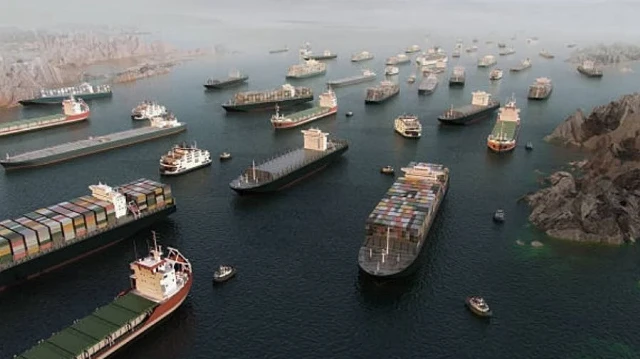
“The central part of the strait is mined and un-navigable, and only the inshore traffic zones close to Oman and Iran are reportedly free of mines,” BIMCO’s chief safety officer Jakob Larsen said while warning of congestion and navigational risks in the Iranian and Omani routes.

Based on INTERTANKO’s estimates, the current routes might need to be used before the TSS are cleared of mines, but their capacity is inefficient.

“If 550 ships are aiming to leave and a likely 60 ships per day would look to transit the Strait of Hormuz, then the existing routes are inadequate to handle this,” INTERTANKO said.

Both organizations said a coordination system should be established to ensure safe transits before normal traffic can resume.

“BIMCO expects an international coordination body to be established shortly to facilitate transits,” said Larsen, adding that issues related to safe routes, measures to separate traffic, naval protection, among others, remain unresolved.

“To avoid serious risks associated with an uncoordinated mass transit through the narrow inshore traffic zones, we encourage shipowners to consider waiting for further clarification,” he added.

In a statement, International Maritime Organization Secretary-General Arsenio Dominguez said the UN agency is working with coastal states and industry groups to evacuate the seafarers aboard ships stranded in the Persian Gulf.

“The process must be safe, orderly, and coordinated to avoid congestion, accidents and collisions,” Dominguez added. “We are also gathering necessary security guarantees — to ensure that all transits will be free from any hazards, including potential mines.”

China-Europe freight train trips up 10.8-fold in a decade

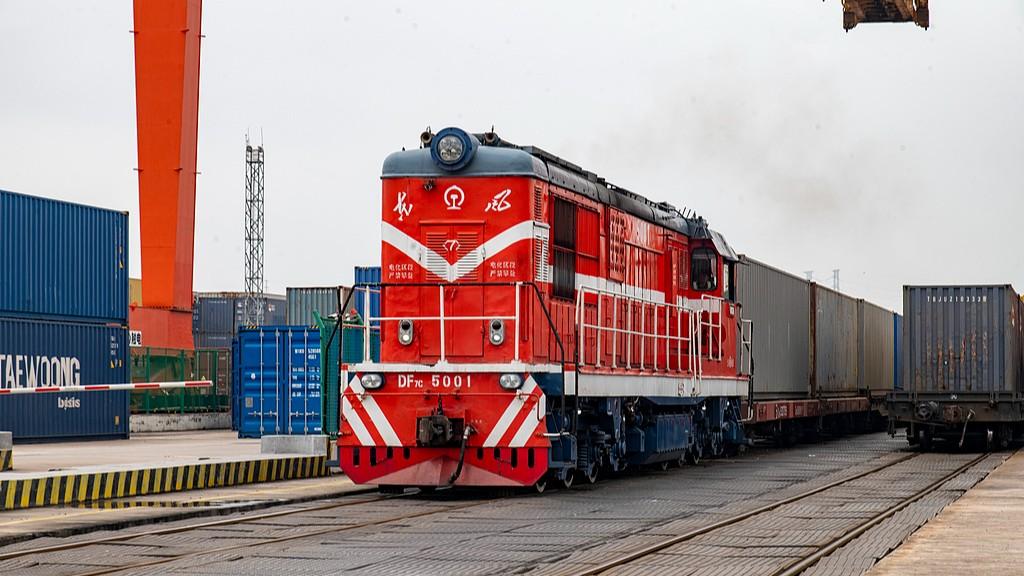
YIWU : China-Europe Freight Train services have expanded rapidly over the past decade, with the annual number of trips increasing 10.8-fold since the launch of the unified China-Europe Railway Express brand in 2016, according to data released by China State Railway Group on Thursday.

The number of China-Europe freight train trips rose from 1,702 in 2016 to 20,022 in 2025, representing an average annual growth rate of 31.5%. Since 2020, annual operations have consistently exceeded 10,000 trips.

The rail network has also significantly expanded its reach. As of 2025, 129 Chinese cities had launched China-Europe freight train services, connecting with 236 cities in 26 European countries. Compared with 2016, this represents an increase of 113 Chinese cities and 216 European destinations.

According to the railway operator, the network now covers most parts of Eurasia, strengthening trade and logistics links between Asia and Europe.

To improve efficiency and reliability, 22 scheduled freight train services now operate weekly between nine Chinese cities and six European cities. These fixed-timetable services are designed to meet the transportation needs of high-end manufacturing industries and have helped foster new business models, including rail-linked cross-border e-commerce and industrial parks.

The China-Europe Railway Express has continued its strong momentum this year. By June 10, the service had surpassed 10,000 trips and transported more than 1 million twenty-foot equivalent units (TEUs), setting new records for the same period in a year.

India is emerging as trusted partner to world : PM Modi

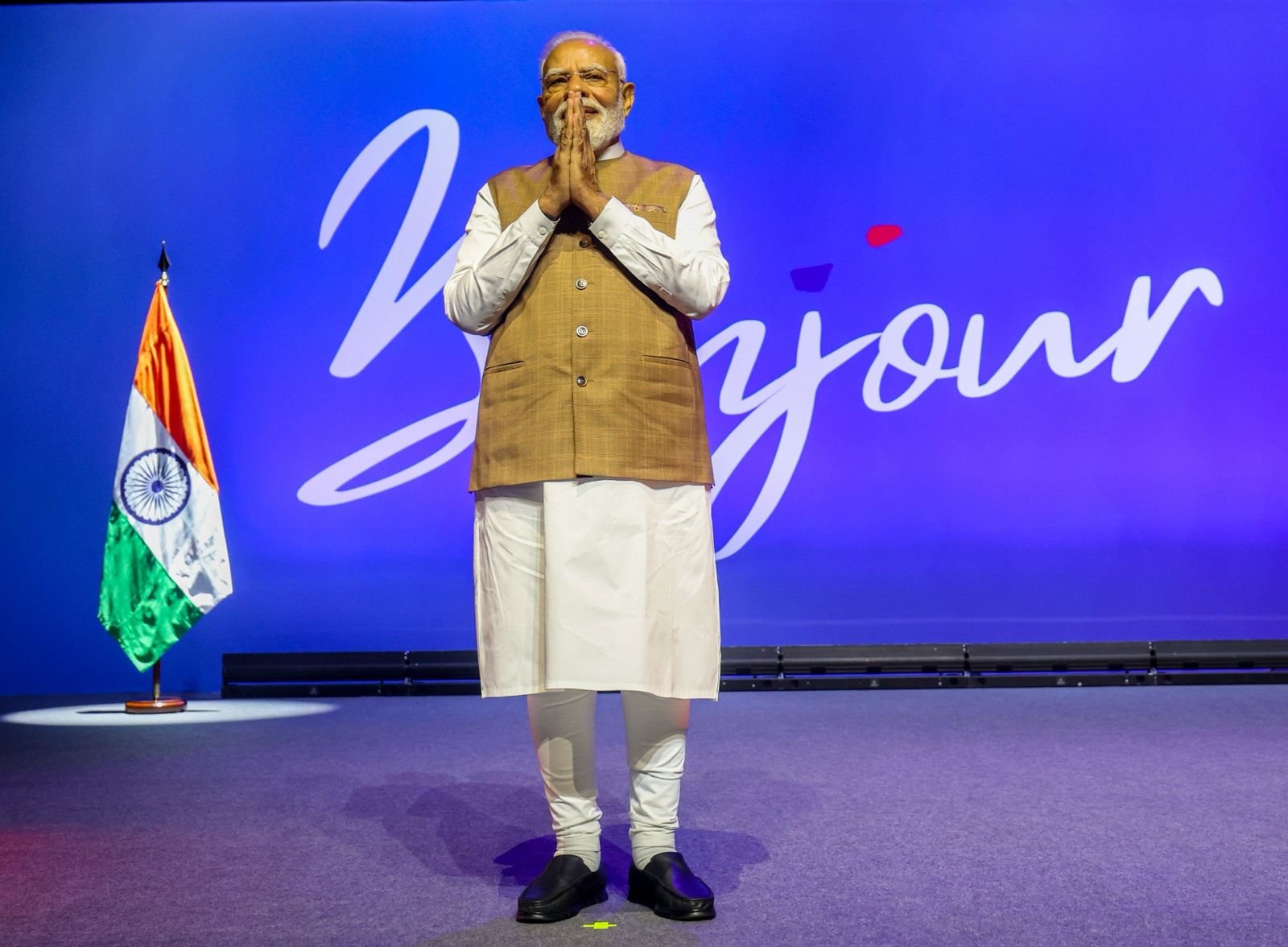
PARIS: Prime Minister Shri Narendra Modi has said that India is emerging as a trusted partner to the world. Addressing Indian diaspora in Paris Thursday night, Mr Modi said there was a time when relations between countries were determined solely by trade, but today, trust has become just as important alongside trade. Prime Minister said, every country wants a reliable supply chain and a stable partnership. Every country is in search of such partners on whom trust can be placed for the long term, he said.

Mr Modi said, the country is investing across sectors that will drive growth, innovation and opportunity for generations to come. He said that this is a defining period in India’s journey, where aspirations are reaching new heights. Mr Modi said that at the G7 meeting in Evian, he emphasised the importance of partnerships based on trust. Prime Minister said, India’s message to the G7 Summit was clear that global governance will only be effective when it is inclusive. He said, global growth will be sustainable when it is shared and technology will truly benefit humanity when it is trusted.

Mr Modi said that the world is experiencing a period of uncertainty and disruption. Prime Minister said, in these challenging times, the partnership between France and India has become a strong pillar of trust, stability, and cooperation.’ He said that the two sides have elevated their relationship to the status of a Special Global Strategic Partnership. Mr Modi said the two countries are launching the TRISHNA satellite next year. This satellite will contribute to ensuring water and food security in the world, he added. Mr Modi said he arrived in France when his government had completed 12 years.

He said that India has witnessed transformative growth across sectors in the last 12 years. Prime Minister said that beyond economic growth, India’s journey is about empowering people and transforming lives. Earlier, Modi was welcomed with the message “Bonjour Modi”, or hello Modi, and chants of “Bharat Mata Ki Jai”. The Indian community in France gathered in large numbers, chanting slogans of “Modi, Modi” and “Bharat Mata Ki Jai”.

Indian Navy to commission three indigenous Naval platforms in Kolkata on June 21

KOLKATA: The Indian Navy is scheduled to commission three indigenously built frontline platforms, ‘Dunagiri, Sanshodhak, and Agray’ in Kolkata on June 21 (Sunday).

According to the Ministry of Defence, the landmark ceremony will be presided over by Prime Minister Shri Narendra Modi.

PM Modi is scheduled to visit West Bengal on June 20-21. During the visit, he will commission three indigenously designed and built naval ships at the Syama Prasad Mookerjee Port in Kolkata at approximately 9:15 AM before addressing the gathering on the occasion.

Designed by the Indian Navy’s Warship Design Bureau and constructed by Garden Reach Shipbuilders & Engineers (GRSE), Kolkata, the vessels represent key operational capabilities across maritime combat, hydrographic surveying, and anti-submarine warfare.

According to the Ministry of Defence, these frontline platforms reflect the Navy’s balanced approach to capability development, strengthening blue-water operations, enhancing maritime domain awareness, and securing coastal waters against evolving threats.

Dunagiri, the fifth Project 17A stealth frigate, is equipped with advanced weapons and sensors, including BrahMos surface-to-surface missiles and the Medium Range Surface-to-Air Missile system, significantly enhancing the Navy’s combat capability.

2 Indian Navy to commission three indigenous Naval platforms in Kolkata on June 21

Sanshodhak, the fourth Survey Vessel (Large), is designed for coastal and deep-water hydrographic surveys and collection of oceanographic and geophysical data for defence and civil applications, and is equipped with advanced survey systems including Autonomous Underwater Vehicles and Remotely Operated Vehicles, the Ministry stated.

3 Indian Navy to commission three indigenous Naval platforms in Kolkata on June 21

Agray, the fourth of the Arnala-class Anti-Submarine Warfare Shallow Water Craft, is equipped with lightweight torpedoes, indigenous rocket launchers, and shallow-water sonar systems to detect and engage underwater threats in littoral waters.

The three platforms demonstrate the growing maturity of India’s indigenous shipbuilding ecosystem, with indigenous content exceeding 75 per cent. Their construction involved extensive participation by Indian industry, including more than 200 MSMEs, and generated substantial direct and indirect employment.

According to the Ministry of Defence, the commissioning of these vessels highlights the collaborative efforts of the Government of India, the Indian Navy, public sector shipyards, private industry and MSMEs in advancing the objectives of Aatmanirbhar Bharat and strengthening India’s maritime capabilities.