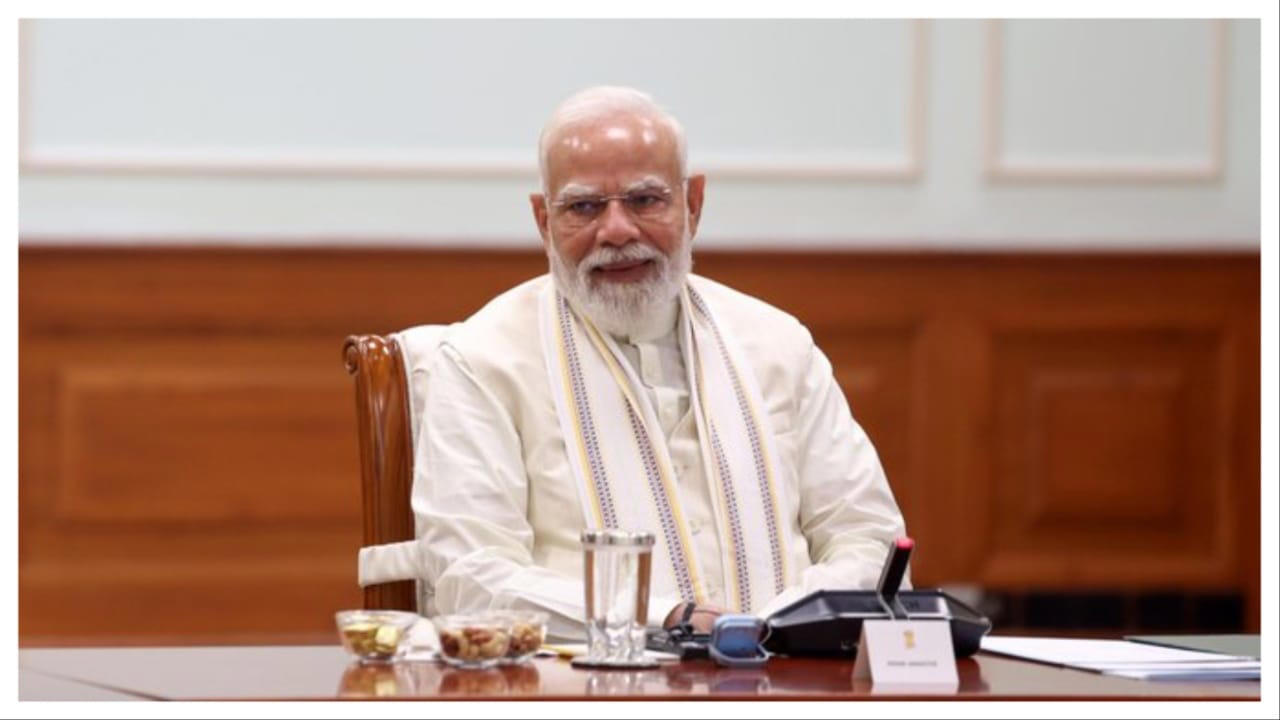
NEW DELHI: Prime Minister Shri Narendra Modi on Saturday extended greetings to the people of West Bengal on the occasion of Paschimbanga Divas (West Bengal Day), highlighting the state’s rich cultural, intellectual and historical legacy.
In a post on X, the Prime Minister said West Bengal has played a defining role in shaping India’s civilisational and national journey through its contributions across multiple fields.
“Warm greetings to my sisters and brothers of West Bengal on the occasion of Paschimbanga Divas,” he said.
He noted that the day holds deep historical significance for the state and is a reminder of a crucial moment in West Bengal’s integration with the Indian Union.
“This day celebrates a state that has profoundly shaped India’s history through its contributions to diverse areas, be it literature, music, art, spirituality, science, trade and commerce, social reform and more. Time and again, West Bengal has enriched India’s national consciousness in countless ways,” the Prime Minister said.
Referring to the historical importance of June 20, the Prime Minister said the date remains significant in West Bengal’s political history. “Today, 20th June, is of immense significance in West Bengal’s history. This was the day which ensured that West Bengal remains an integral part of India,” he said.
He also acknowledged the contribution of freedom fighter and statesman Dr Syama Prasad Mookerjee, noting his pivotal role in the historical developments associated with the state.
“The role of Dr. Syama Prasad Mookerjee was invaluable in the same. This year, 2026, we are also marking the 125th Jayanti of Dr. Mookerjee. The Central Government will work with the West Bengal Government to fulfil the dreams and aspirations of the people. I pray for the progress of West Bengal and the prosperity of its people,” PM Modi said.
Meanwhile, according to the Prime Minister’s Office (PMO), Prime Minister Modi will visit West Bengal on June 20-21 to participate in Paschimbanga Divas (West Bengal Day) and 12th International Yoga Day celebrations.
Paschimbanga Divas (also known as West Bengal Day) is the official foundation day of West Bengal, India, celebrated annually on June 20. This day honours the state’s unique cultural identity, history, and the legislative framework that led to its formation.
The significance of June 20 dates back to 1947. On this day, the Bengal Legislative Assembly convened to vote on the partition of Bengal under the Mountbatten Plan. Members from the Hindu-majority areas, which later became West Bengal, overwhelmingly supported the partition to align with India. In contrast, members from the Muslim-majority areas voted to either remain unified or join what would become East Pakistan (now Bangladesh).
Single-Window Logistics Clearance Mechanism Coming Soon in West Bengal
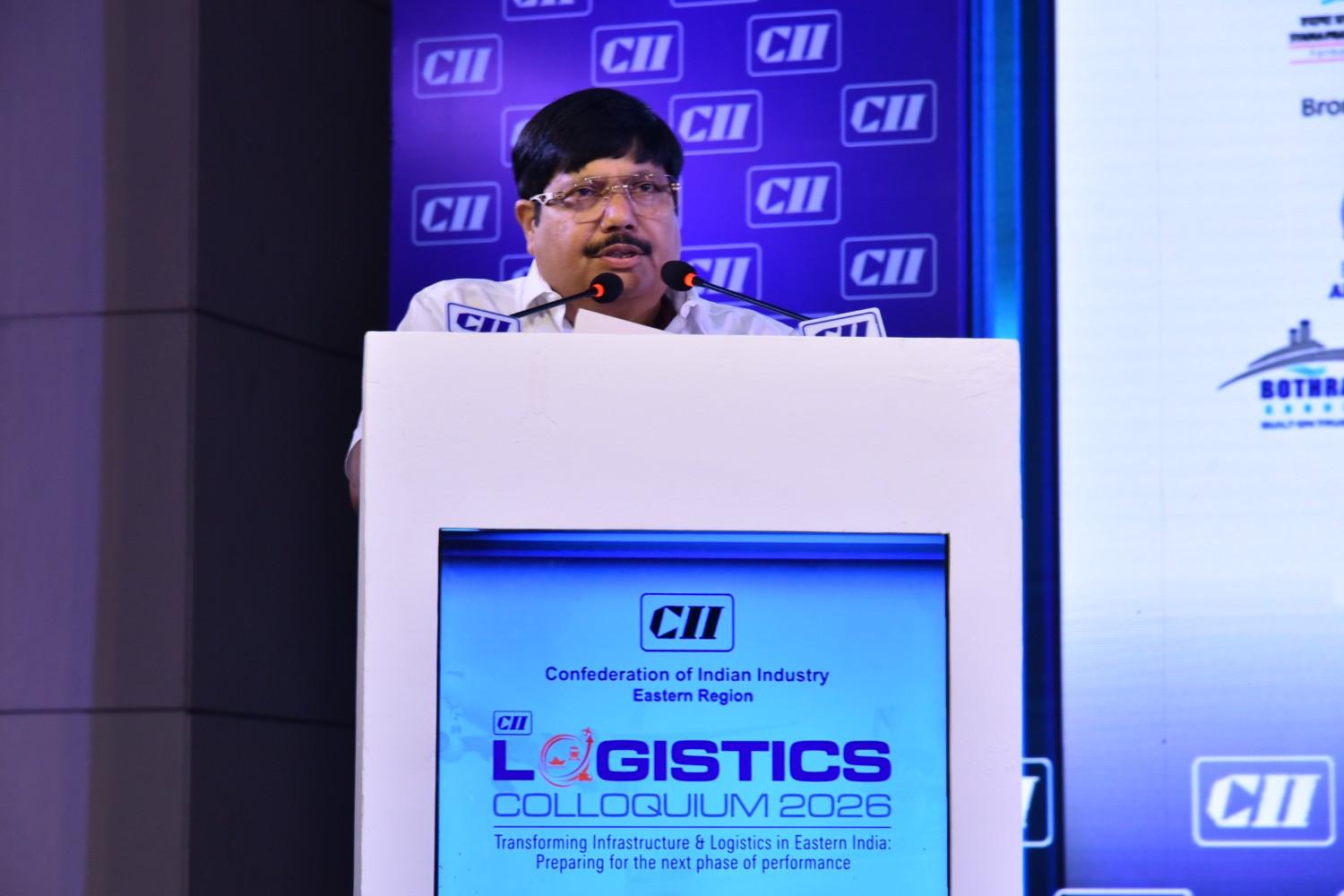
KOLKATA : The newly-elected Government of West Bengal will provide all opportunities to attract investment for industries with a strong emphasis on heavy industries after decades, said Shri Arjun Singh, Hon’ble Minister-in-Charge, Departments of Labour and Transport, Government of West Bengal, at the Logistics Colloquium 2026 organised by CII Eastern Region in Kolkata on Friday, 19th June at Hyatt Regency Hotel.
“One of the key challenges we have witnessed over the years is the large-scale migration of the labour force from West Bengal, mainly due to the absence of significant heavy industrial development in the State,” said the State Labour and Transport Minister.
He further stated, “We have to improve the ease of doing business and support the logistics ecosystem. We will soon introduce a Single-Window Logistics Clearance Mechanism, along with a comprehensive and visionary roadmap for West Bengal’s transport sector. This will be unveiled within the next three months.”
Speaking on the growth trajectory of Syama Prasad Mookerjee Port, Mr Rathendra Raman, IRTS,Chairman, Syama Prasad Mookerjee Port, stated that the port currently has a cargo handling capacity of 93 million metric tonnes (MMT), which is targeted to increase to 120 MMT over the next three to four years. He highlighted that the port is undertaking 15 infrastructure projects worth approximately Rs 6,000 crore, of which two projects have already been completed.
Mr Raman further informed that the Netaji Subhas Dock at Kolkata Dock System has attracted an investment of Rs 1,500 crore from JSW Infrastructure, highlighting growing investor confidence in the port’s development and modernisation initiatives.
Speaking at the gathering, Mr Jayant Singh, IRTS, Chairman, Land Ports Authority of India (LPAI), Ministry of Home Affairs, highlighted the importance of mutually beneficial trade with India’s neighbouring countries. Emphasising the growing role of border trade in regional economic development, he spoke about the need for establishing Frontier Economic Zones to unlock new opportunities for commerce and cross-border collaboration.
Mr Singh also opined that technology would serve as a key enabler in these zones, facilitating the seamless movement of goods, enhancing trade efficiency, and strengthening connectivity across international borders.
Mr Indrajit Mookerjee, Vice Chairman & Executive Director, Texmaco Rail & Engineering Ltd., highlighted challenges in land acquisition due to regulatory delays and high population density. He also noted the need to further strengthen skill development initiatives in West Bengal to better align with evolving industry requirements.
“AI in logistics will reduce cost and ensure safety” said Mr Subrat Tripathy, President – Business Development, Adani Ports & Special Economic Zone Ltd. He advocated for port-led development as a key driver of economic growth, while highlighting critical challenges in the logistics sector, including over-dependence on road transport, underutilisation of inland waterways, and a significant skill gap in the workforce.
“Efficient logistics cost will considerably reduce the manufacturing cost and faster cargo movement will attract more investment,” said Mr Prithish Chowdhary, Vice Chairman, CII West Bengal State Council & Deputy Managing Director, Titagarh Rail Systems Ltd.
Taking the discussion further, Mr Dinesh Shastri, Managing Director, TM International Logistics, said, “Technology is with us, and demand is also strong, however, challenges remain in first and last-mile connectivity.” He further emphasised the importance of inland waterways in complementing road and rail transport to build a more efficient and integrated logistics ecosystem.
Mr Rupak Barua, Chairman, CII West Bengal State Council and Managing Director, Woodlands Hospital, pointed out that Kolkata has the highest vehicle density among all metropolitan cities.
Speaking at the event, Mr Debashis Dutta, Chairman, CII Eastern Region Infrastructure & Logistics Sub-Committee and Director, BGS Group, stated that logistics is the backbone of all industries and emphasised the growing importance of data-driven supply chains. He highlighted key national initiatives such as PM Gati Shakti, Bharatmala, and Sagarmala, and advocated for the development of an integrated supply chain ecosystem to drive the future growth of the logistics sector.
Notably, a status paper titled “Manufacturing Readiness in West Bengal,” prepared by CII West Bengal, was also unveiled during the inaugural plenary.
The colloquium also featured a recognition of the excellence ceremony – CII LogiXcellence 2026. The initiative witnessed participation from over 200 key stakeholders representing the industry, government, and allied sectors.
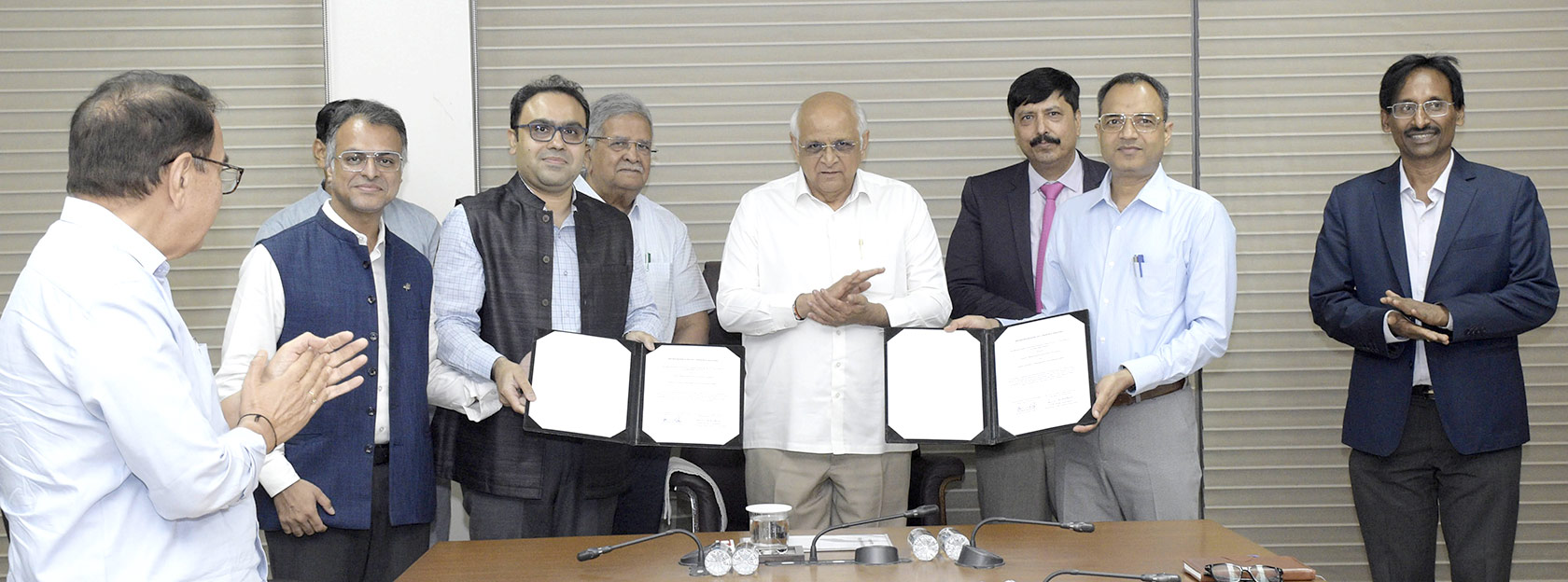
GANDHINAGAR : A MoU signed between the State Government and HUDCO in the presence of Chief Minister Shri Bhupendra Patel
MoU signed between IIM Ahmedabad and the State Government for pre-feasibility studies and detailed project reports to ensure effective implementation of various projects
Inclusion of infrastructure development projects such as expressways, sports infrastructure, modern infrastructure in Dholera, and Ahmedabad Metro Phases 2 and 3
Under the guidance of Chief Minister Shri Bhupendra Patel, Gujarat has taken a significant step towards realising the vision of Viksit Gujarat 2047, in alignment with Prime Minister Shri Narendra Modi’s vision of Viksit Bharat 2047.
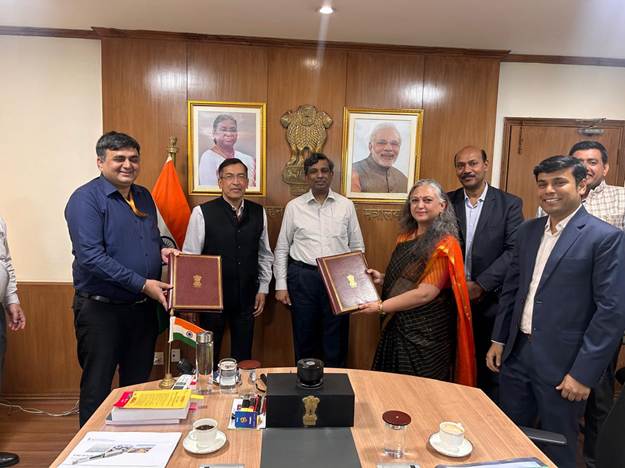
In the presence of Chief Minister Shri Bhupendra Patel, an MoU was signed in Gandhinagar between the Government of Gujarat and the Housing and Urban Development Corporation Limited (HUDCO) for providing long-term financing of Rs. 1 lakh crore for various infrastructure development projects across the State through a strategic partnership. Finance Minister Shri Kanubhai Desai and Minister of State Shri Kamleshbhai Patel were present on the occasion.
As a follow-up to the recent high-level meeting between Chief Secretary Shri M.K. Das and senior officials of HUDCO regarding the provision of adequate financial resources for infrastructure projects being implemented by various State Government departments, HUDCO will extend long-term financing of Rs. 1 lakh crore to support these development initiatives across Gujarat.
The long-term funding will be utilised for the implementation of key development projects across the State, including Gujarat Metro Rail Phases 2 and 3, expressways, sports infrastructure, and the creation of world-class modern infrastructure in Dholera.
Additionally, the State Government signed another MoU with the Indian Institute of Management (IIM), Ahmedabad.
Under this MoU, IIM Ahmedabad will undertake pre-feasibility studies, feasibility assessments, preparation of Detailed Project Reports (DPRs), and impact evaluations for various projects envisioned under the Viksit Gujarat 2047 initiative to facilitate their effective implementation.
CM expressed confidence that this landmark partnership would provide fresh impetus to infrastructure development, urban transformation, and inclusive economic growth across the state.
The MoU between the State Government and HUDCO was signed and exchanged by HUDCO Chairman and Managing Director Shri Sanjay Kulshrestha on behalf of HUDCO and Shri Sandeep Kumar, Secretary (Economic Affairs), Finance Department, on behalf of the Government of Gujarat.
The MoU with IIM Ahmedabad was signed by Prof. Sandip Chakrabarti, Chairperson, Public Systems Group, IIM Ahmedabad, representing the institute.
The MoU signing ceremony was attended by Chief Secretary Shri M.K. Das, Advisor to the Chief Minister Shri S.S. Rathore, Additional Chief Secretary, Finance Department, Shri T. Natarajan, Principal Secretary to the Chief Minister Shri Sanjeev Kumar, Additional Principal Secretary to the Chief Minister Dr Vikrant Pandey, Secretary Dr Ajay Kumar, and other senior officials.
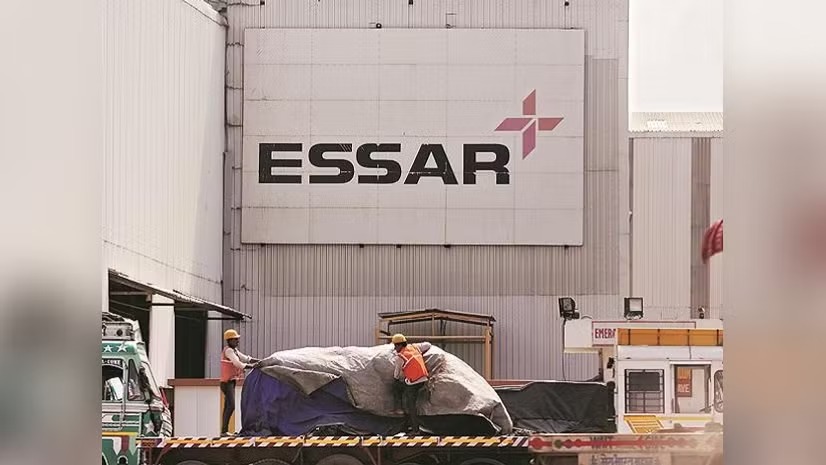
GANDHINAGAR : : Gujarat is set to add two new special economic zones (SEZs) that together could generate over ₹27,600 crore in exports and nearly 10,000 jobs over the next five years, as Essar Power Ltd and Arham SEZ (I) Pvt Ltd secure in-principle approvals for projects in Devbhumi Dwarka and Kutch districts.
“Both Essar Power and Arham recently received an in-principle approval for their projects in Gujarat,” Dnyaneshwar B Patil, Zonal Development Commissioner for Special Economic Zones told the businessline on Wednesday.
Essar Power has received in-principle approval for setting up a multi-sector SEZ at Kajurda village in Devbhumi Dwarka district over 56.65 hectares. The company has proposed an initial investment of ₹50 crore and expects exports of about ₹17,629 crore, while generating around 894 direct and indirect jobs over five years.
“Essar plans to build a bio-fuel complex for manufacturing Aviation Turbine Fuel (ATF) and other alternate fuels,” he added.
Meanwhile, Arham SEZ (I) Pvt Ltd has secured in-principle approval for a multi-sector SEZ at Vadala near Mundra port in Kutch district. Spread across 94.19 hectares, the project entails investments of about ₹230 crore and is expected to generate exports of nearly ₹10,000 crore while creating around 9,000 direct and indirect jobs over the next five years.
“They are planning to set up a Free-Trade Warehousing Zone,” Patil said adding that the approvals are valid for one-year and final notification will take place later.
The proposed projects come as Gujarat strengthens its position as India’s leading export manufacturing hub, with the state’s operational SEZs accounting for 21 per cent of the country’s total SEZ exports.
The new proposals build on the strong performance of Gujarat’s existing SEZ ecosystem. Exports from the state’s 24 operational SEZs rose from ₹1.79 lakh crore in FY15 to ₹3 lakh crore in FY26, a growth of nearly 67 per cent over the period.
Investments in these zones increased from ₹1.22 lakh crore to ₹2.28 lakh crore during the same period, while employment more than tripled from around 63,000 to 2.22 lakh.
“Our focus is to increase employment generation through SEZs by 10-20 per cent every year. We are trying to give more thrust to the manufacturing sector as it is required for employment generation,” Patil said.
The IAS official said Gujarat is also emerging as a semiconductor manufacturing destination, with facilities promoted by Micron, CG Semi, Kaynes Semicon and Tata Electronics being notified as “captive SEZs” earlier this year.
The state continues to have sizeable land available for industrial expansion, including 3,514 hectares in Adani Ports and Special Economic Zone (APSEZ), along with parcels in Aqualine SEZ, GIDC Gandhinagar Electronics Park and Aspen SEZ.
“While an additional 86 acres of land is being acquired for expansion of Kandla SEZ, there is ready-to-allot land available across operational SEZs,” Patil said.
However, the growth story has not been uniform across all sectors. Parts of Gujarat’s textile-focused SEZ ecosystem are facing headwinds, prompting authorities to initiate de-notification of certain land parcels.
Patil said the process of de-notification of plots at Surat Apparel Park SEZ in Sachin is currently underway, while a proposal for partial de-notification of Ahmedabad Apparel Park SEZ is also being processed.
“The textile players are passing through a rough patch and are finding it difficult to continue,” Patil said. The move underscores the challenges facing export-oriented textile units amid weak global demand and margin pressures, even as sectors such as semiconductors, engineering and petrochemicals continue to attract fresh investments into Gujarat’s SEZ ecosystem.
NEW DELHI : Shri Rajesh Agrawal, Secretary, Department of Commerce, Ministry of Commerce and Industry,Government of India, co-chaired the 14th Session of the India-Uzbekistan Intergovernmental Commission on Trade, Economic, Scientific and Technological Cooperation with Mr. Shokhrukh Gulamov, Deputy Minister of Investment, Industry and Trade of the Republic of Uzbekistan. The meeting was held in Tashkent, with the Indian co-chair participating through video conference.
The Commission reviewed the full range of bilateral economic engagement and reaffirmed the strategic character of India-Uzbekistan relations, rooted in historical and civilizational ties and strengthened by the leadership of Prime Minister Shri Narendra Modi and President Shavkat Mirziyoyev.
The Commerce Secretary stated that India approaches the partnership with confidence in its economic journey. India’s total exports of goods and services in FY 2025-26 are estimated at US$ 860.09 billion, while cumulative exports during April-May 2026-27 reached US$ 162.69 billion, registering growth of 14.66 per cent over the same period of the previous year. Merchandise exports grew by 16.09 per cent, with engineering goods, electronic goods, chemicals, petroleum products, gems and jewellery among the major drivers.
Both sides welcomed the sustained growth in bilateral trade. Uzbekistan reported that trade turnover with India reached US$ 1.3 billion in 2025 (growth of 33.3% over the previous year) and Uzbekistan’s exports to India stood at US$ 164.6 million (growth of 25.4%), while its imports from India reached US$ 1.15 billion, growing by 34.6%. Indian exports to Uzbekistan have grown at a CAGR of 12.9% over the last decade, while India’s services exports to Uzbekistan stood at US$ 372.2 million in 2024.
The Commission discussed several product categories where Indian supplies to Uzbekistan can be expanded. These include pharmaceuticals, medical devices, agricultural products, processed foods, agricultural machinery, engineering goods, electrical machinery, electronics, smartphones, automobiles and auto components, tractor accessories, textiles and textile machinery, chemicals, healthcare services, education services, tourism, logistics and other business services. This wider trade basket is aligned with the Government of India’s commitment to create new market opportunities for farmers, MSMEs, women entrepreneurs, young innovators and Indian businesses. It also reflects India’s growing capacity to supply quality goods and services across traditional and emerging sectors, while contributing to higher incomes, job creation and stronger people-to-people economic linkages.
Pharmaceuticals were identified as a priority area. India highlighted its role as the Pharmacy of the World and its capacity to supply affordable and quality-assured medicines, vaccines and active pharmaceutical ingredients.
Agriculture and allied sectors received focused attention. Both sides recognized India’s capabilities in agriculture and allied exports, processed foods, agricultural machinery, seed development, agricultural research and climate-resilient farming technologies.
The two sides also discussed ICT and digital cooperation. India highlighted its capabilities in IT, digital public infrastructure, telecom, fintech, cybersecurity, health services, digital education, engineering consultancy and digital logistics. The Indian side suggested cooperating on customs data exchange and exploring interlinking of payment infrastructure for secure and efficient payments, with a view to supporting tourism, trade and commerce.
Energy was discussed as an area of strategic cooperation. India noted that its fast-growing digital economy, including rising demand from artificial intelligence, data centres and advanced computing, requires reliable and clean baseload power. In this context, ensuring critical minerals supply was identified as an important area for advancing India-Uzbekistan energy cooperation.
The Commerce Secretary stated that non-tariff barriers relating to approvals, standards, testing, certification, customs procedures and market-access requirements need regular review; and businesses need predictability, regulators need dialogue and standards bodies need direct contact. A time-bound mechanism on resolving non-tariff barriers to trade would help convert goodwill into trade outcomes.
Both sides recognized that robust transport and logistics connectivity are essential for unlocking the full economic potential of the relationship. The Uzbek side proposed sharing experience in digital logistics platforms and customs facilitation mechanisms.
The Commerce Secretary invited Uzbek businesses to participate more actively in trade fairs, buyer-seller meets, investment forums and sectoral events in India. Both sides agreed to encourage closer engagement between chambers of commerce, export promotion councils, enterprises and sectoral bodies.
The Commission also agreed to hold the 15th meeting of the India-Uzbekistan Intergovernmental Commission in India on a mutually convenient date. The meeting marked a renewed phase in India-Uzbekistan economic partnership, with a shared focus on trade expansion, regulatory cooperation, sectoral diversification, connectivity and implementation.
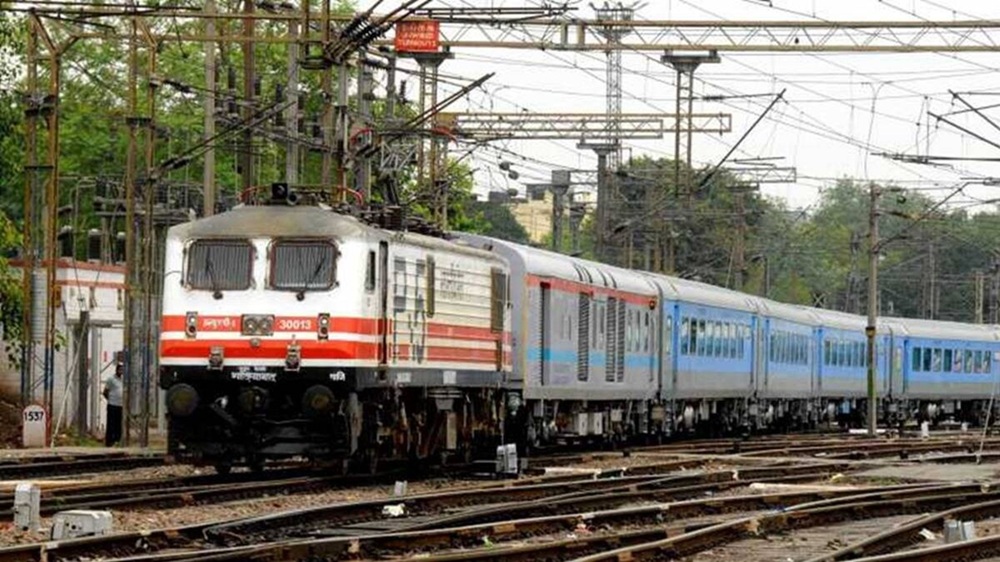
NEW DELHI : Indian Railways recently approved a ₹755-crore project to build a third railway line between Champa and Korba in Chhattisgarh, aiming to increase capacity on one of the country’s key coal transportation corridors.
The 42-km project, to be executed by South East Central Railway (SECR), forms part of Indian Railways’ efforts to strengthen freight movement on high-density routes amid rising coal production in the region.
The Champa-Korba section connects coalfields operated by subsidiaries of state-run Coal India, including South Eastern Coalfields Ltd (SECL) and Mahanadi Coalfields Ltd (MCL), to the national rail network and the Mumbai–Howrah freight corridor.
The route currently handles about 55 pairs of freight trains and 10 pairs of passenger trains daily. Combined coal production capacity in the SECL and MCL areas is estimated at around 247 million tonnes per annum and is expected to rise significantly in the coming years.
According to a statement by the Ministry of Railways,, the additional line will help ease congestion, improve operational flexibility and support higher freight volumes. The project is expected to enable the movement of an additional 5.95 million tonnes of freight annually and allow the operation of two additional passenger train services in each direction every day.
The Railways estimates the project could generate annual net earnings of about ₹85 crore, largely from increased freight traffic. The additional line is also expected to reduce delays faced by freight trains on the section.
AGRA : The Ministry of Micro, Small and Medium Enterprises (MSME), Government of India successfully convened the Inaugural BRICS MSME Forum 2026 in Agra, bringing together government representatives, policymakers, industry leaders, and private-sector stakeholders from BRICS Member and Partner Countries to deliberate on strengthening MSME ecosystems, fostering sustainability, and enhancing global competitiveness.
On the occasion, Shri Jitan Ram Manjhi, Minister of MSME, Government of India, emphasized the importance of collective action in shaping the future of MSMEs across BRICS nations.
“MSMEs are central to achieving inclusive and sustainable economic development. The challenges facing enterprises today whether related to financing, technology adoption, sustainability or market access require collaborative solutions. BRICS countries possess immense strengths and complementary capabilities. Through continued dialogue and cooperation, we can build a robust framework that empowers MSMEs to become drivers of innovation, exports and employment,” he noted.
The Minister further reaffirmed India’s commitment to fostering stronger economic partnerships and facilitating knowledge-sharing among BRICS member countries.
Addressing the gathering, Shri Bhupendra Chaudhary, Minister for MSME, Government of Uttar Pradesh, highlighted the state’s commitment to fostering entrepreneurship and industrial development.
“Uttar Pradesh has emerged as one of India’s fastest-growing economic regions with MSMEs playing a transformative role in employment generation and grassroots development. Our focus remains on creating an enabling ecosystem through infrastructure development, policy support, skill enhancement and digital empowerment. The exchange of global best practices through platforms such as the BRICS MSME Forum will further strengthen these efforts,” he said.
In his address, Shri Bharat Khera, Secretary, Ministry of MSME, Government of India, emphasised the critical role of MSMEs in shaping resilient and inclusive economies. Addressing delegates, Shri Khera said; “MSMEs are not merely economic units; they are engines of innovation, employment, entrepreneurship and regional development. As BRICS economies continue to expand their global influence, there is immense potential for collaboration in areas such as technology adoption, sustainable manufacturing, digital transformation, skilling, and market access. Through stronger partnerships and knowledge-sharing, we can build MSME ecosystems that are resilient, competitive and globally connected.”
Setting the context for the Forum, Dr. Rajneesh, Additional Secretary & Development Commissioner, Ministry of MSME, presented the key outcomes emerging from the three BRICS SME Working Group Meetings and outlined the priorities that have emerged through sustained engagement among member countries.
The Forum followed the 3rd BRICS SME Working Group Meeting. It marked a significant milestone in advancing economic cooperation among BRICS nations through a dedicated focus on Micro, Small and Medium Enterprises—the backbone of economic growth, innovation, and employment generation.
During session Ms. Yogita Swaroop, Principal Economic Adviser, Department for Promotion of Industry and Internal Trade (DPIIT), Government of India, highlighted the importance of policy coordination and enabling frameworks to support enterprise growth.
“The future of economic growth will increasingly be driven by innovative and agile enterprises. MSMEs occupy a pivotal position in this transformation. Strengthening ease of doing business, improving access to finance, fostering innovation ecosystems and facilitating international market linkages will be critical in unlocking the next phase of growth across BRICS economies,” she said.
A special MSME film showcasing India’s entrepreneurial strength, innovation capabilities and MSME success stories was also screened during the inaugural session.
One of the key highlights of the Forum was a presentation by Mr. Saurabh Sanyal, Secretary General, ASSOCHAM, who shared the recommendations and outcomes of the private-sector stakeholder consultations held among BRICS member countries.
Presenting industry perspectives, Mr. Sanyal underscored the need for deeper cooperation in technology exchange, digital trade, sustainable manufacturing practices, capacity building, and supply-chain integration.
The Forum also featured presentations by government representatives from BRICS Member and Partner Countries, who shared best practices and successful case studies on strengthening MSME ecosystems, promoting entrepreneurship, enhancing productivity and facilitating access to international markets.
The Forum concluded with a Vote of Thanks delivered by Ms. Mercy Epao, Joint Secretary, Ministry of MSME, Government of India. She expressed appreciation for the participating delegations, industry leaders, partner organisations and stakeholders for being a part of the inaugural edition of the forum.
“The discussions held have reaffirmed the shared vision of BRICS nations to create resilient, sustainable and future-ready MSME ecosystems. The ideas, experiences and recommendations exchanged during the Forum will provide valuable inputs in strengthening cooperation and advancing a collective agenda for MSME-led growth,” she said.
During the event, Ministry of Ayush along with Ministry of MSME and ASSOCHAM also organized the Yoga session in context to International Yoga Day for the BRICS representatives.
The event also featured a cultural programme celebrating India’s rich heritage. The Inaugural BRICS MSME Forum 2026 concluded with a strong consensus to enhance cooperation in sustainability, innovation, digital transformation, entrepreneurship development, and global value chain integration, reinforcing the pivotal role of MSMEs in driving inclusive economic growth across BRICS economies.
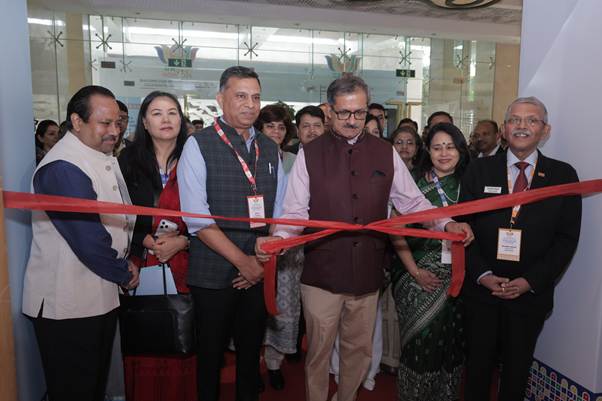
Earlier in the day Shri Bharat Khera, Secretary, Ministry of MSME, Government of India, inaugurated the BRICS MSME Exhibition, an important platform for innovation, collaboration, and growth among BRICS nations.
The exhibition highlighted the strength and potential of the MSME sector in driving inclusive and sustainable economic development.
NEW DELHI : The Memorandum of Understanding (MoU) under the Government of India’s scheme for replacement of old trucks and buses in the Delhi–NCR region was signed between the Ministry of Road Transport and Highways (MoRTH) and Mahindra & Mahindra Ltd. and SML Mahindra.
Under the agreement, the OEM will provide an 8 per cent discount on the ex-showroom price of eligible trucks and buses purchased under the scheme. For electric vehicles, the discount shall be capped at the discount applicable to an Internal Combustion Engine (ICE) vehicle of the equivalent Gross Vehicle Weight (GVW) category.
In addition to the 8 per cent discount offered by participating OEMs, the Central Government will provide 5 per cent interest subvention and fixed monthly fuel vouchers for a period of five years. Participating State Governments will provide up to 100 per cent concession on motor vehicle tax for a period of ten years and waiver of registration fees for eligible beneficiaries under the scheme.
Earlier in the week, Ashok Leyland, Switch Mobility and Tata Motors have also signed the MoU with the Government for implementation of the scheme. The five companies have a market share of around 75% in trucks and buses, which provides significant coverage for implementation of the scheme.
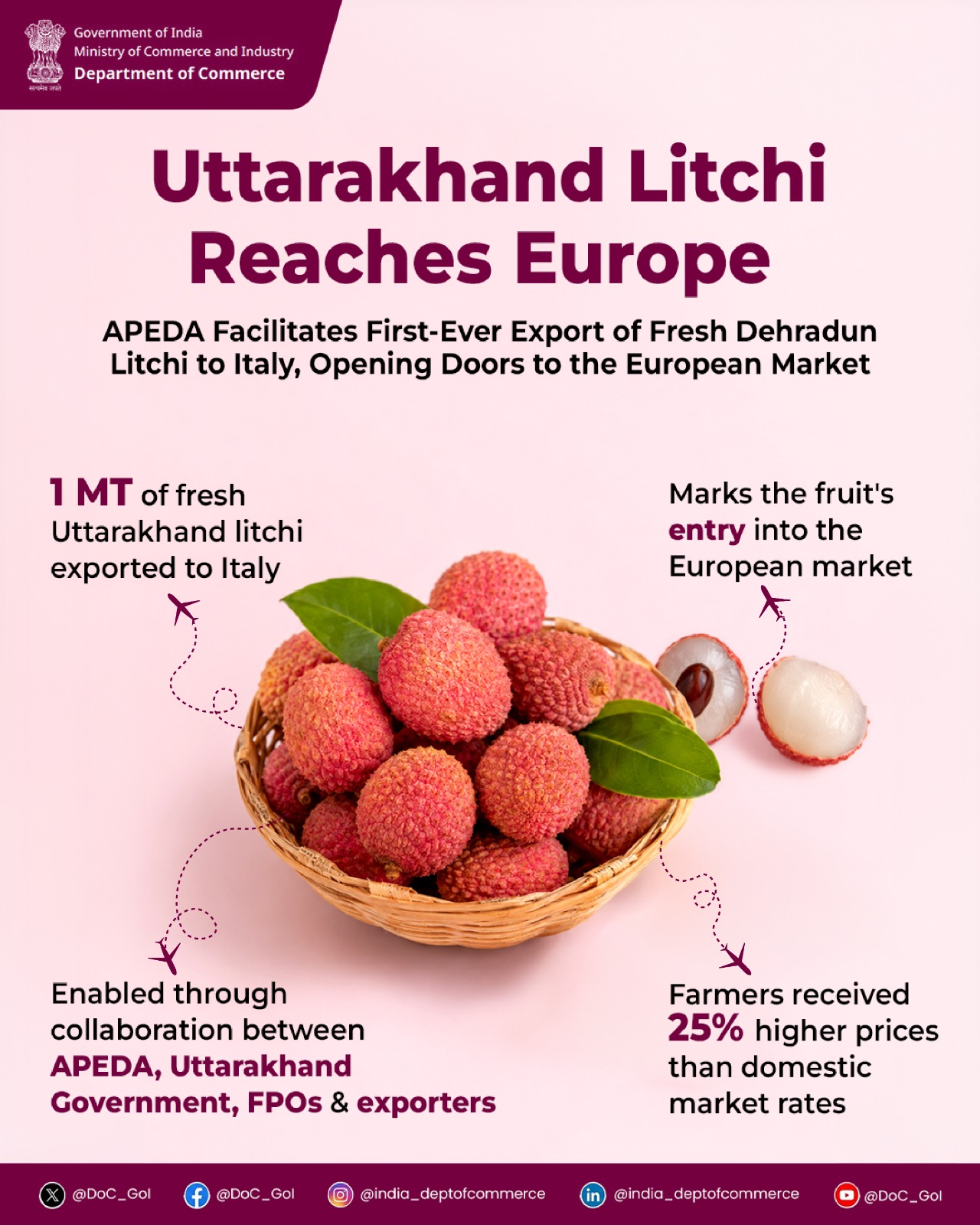
NEW DELHI : The Agricultural and Processed Food Products Export Development Authority (APEDA), under the Ministry of Commerce & Industry, Government of India, facilitated the first export consignment of fresh Uttarakhand litchi from Dehradun to Italy on 18 June 2026. This milestone marks the entry of Uttarakhand’s premium litchi into the European market and reflects the growing international acceptance of India’s high-quality fresh fruits.
The inaugural consignment, comprising one metric tonne of fresh litchi, was exported to Italy, showcasing the export potential of Uttarakhand’s horticulture sector. The shipment is expected to strengthen India’s presence in international fresh fruit markets while promoting premium produce from the Himalayan region.
Dehradun litchi is widely recognised for its distinctive sweetness, attractive red colour, delicate aroma and superior pulp quality. The region is known for renowned varieties such as Rose Scented, Calcuttia and Bedana. The favourable agro-climatic conditions of Uttarakhand, particularly in the districts of Dehradun, Haridwar, Nainital and Udham Singh Nagar, contribute significantly to the fruit’s premium quality and market appeal.
The export initiative has also resulted in improved returns for growers, with farmers receiving prices approximately 25 per cent higher than prevailing domestic market rates. The development is expected to encourage wider adoption of quality production practices and greater participation in export-oriented horticulture.
The shipment was facilitated through the coordinated efforts of APEDA, the Government of Uttarakhand, exporters, farmer producer organisations (FPOs), logistics partners and other stakeholders. The initiative highlights the importance of collaboration across the value chain in enabling international market access for Indian agricultural produce.
The export of Uttarakhand litchi to Italy represents a significant step towards diversifying export destinations for India’s fresh fruits and reinforces the country’s reputation as a reliable supplier of premium horticultural products.
APEDA continues to advance India’s agri-export agenda through market development initiatives, quality assurance mechanisms, infrastructure support and capacity-building programmes aimed at enhancing farmers’ access to high-value international markets.
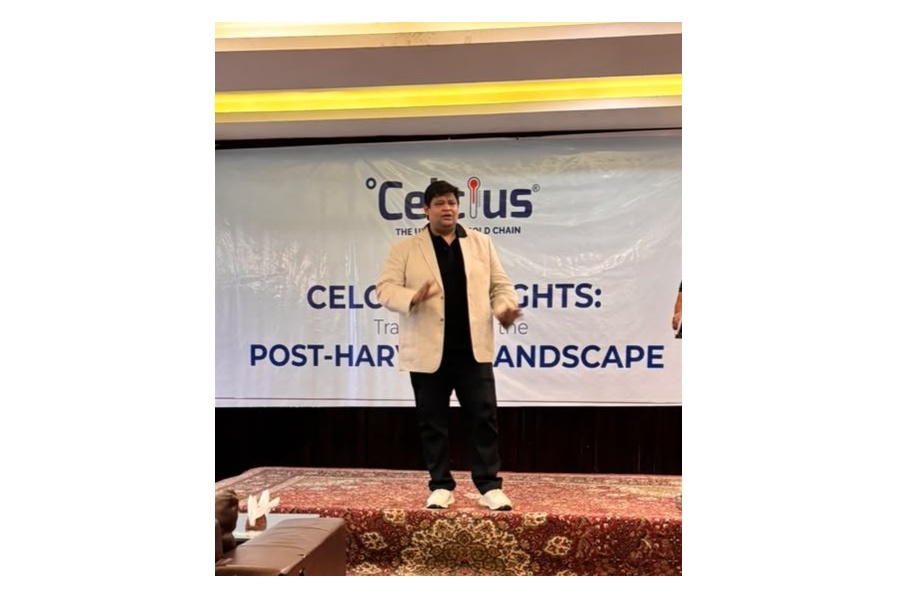
SRINAGAR: Celcius Logistics, a leading domestic 3PL logistics player providing end-to-end cold-chain solutions, brought together Farmer Producer Organisations (FPOs), aggregators, distributors, traders and other stakeholders from the union territory of Jammu and Kashmir’s horticulture ecosystem to showcase the benefits of temperature-controlled cold chain solution.
The discussions highlighted how technology-enabled cold-chain logistics solutions can help reduce post-harvest wastage, preserve produce quality, improve market access and increase incomes for growers and other participants across the agricultural value chain.
Jammu & Kashmir is one of India’s most important horticulture regions, known for producing apples, cherries, pears, walnuts, almonds and a range of other high-value crops. However, post-harvest losses continue to impact the sector’s growth potential. According to NITI Aayog’s report#, “Roadmap for Horticulture Development in the UT of Jammu and Kashmir @ 2047”, the Union Territory loses approximately 500,000 tonnes each of apples and vegetables annually, resulting in an estimated economic loss of over ₹3,060 crore, including ₹1,500 crore from apples and ₹1,560 crore from vegetables.
Against this backdrop, the engagement focused on addressing key challenges related to storage, transportation, market access and supply-chain efficiency. Participants explored how integrated cold-chain infrastructure can help maintain product quality from harvest to consumption, minimise spoilage and create opportunities for higher returns.
The meet covered best practices in temperature-controlled transportation and storage, along with the role of technology in enabling real-time shipment tracking, route optimisation, inventory visibility and improved supply-chain coordination. Stakeholders also gained insights into how cold-chain networks can help extend shelf life, reduce quality deterioration and facilitate access to wider markets across India.
The discussions highlighted the growing importance of efficient cold-chain infrastructure in strengthening farm-to-market linkages, particularly for perishable commodities where delays and inadequate storage can significantly impact product quality and value realisation.
Speaking about the initiative, Swarup Bose, Founder & CEO, Celcius Logistics, said: “Jammu & Kashmir’s horticulture sector plays a significant role in India’s fresh produce economy and supports the livelihoods of thousands of growers and agricultural businesses. Yet, substantial post-harvest losses continue to erode value across the supply chain. Through this engagement, we aim to demonstrate how technology-enabled cold-chain solutions can help stakeholders reduce wastage, maintain product quality, improve market access and increase income opportunities. Building efficient farm-to-market supply chains is critical to unlocking the full potential of the region’s horticulture sector.”
As consumer demand for fresh produce continues to grow across India, efficient cold-chain networks are becoming increasingly important for ensuring product quality, reducing losses and improving supply-chain efficiency. By enabling better storage and transportation, cold-chain infrastructure can help growers and FPOs access larger markets, improve price realisation and enhance overall competitiveness.
The initiative is part of Celcius Logistics’ ongoing efforts to support wider adoption of cold-chain solutions across India’s agricultural ecosystem. Through stakeholder engagement and knowledge-sharing initiatives, the company aims to contribute towards reducing food losses, strengthening supply chains and creating greater economic value for farming communities.