Home Blog Page 247

“Expected to berth at Dahej tomorrow”: Shipping Ministry says LNG carrier Disha to arrive on June 19 in Gujarat

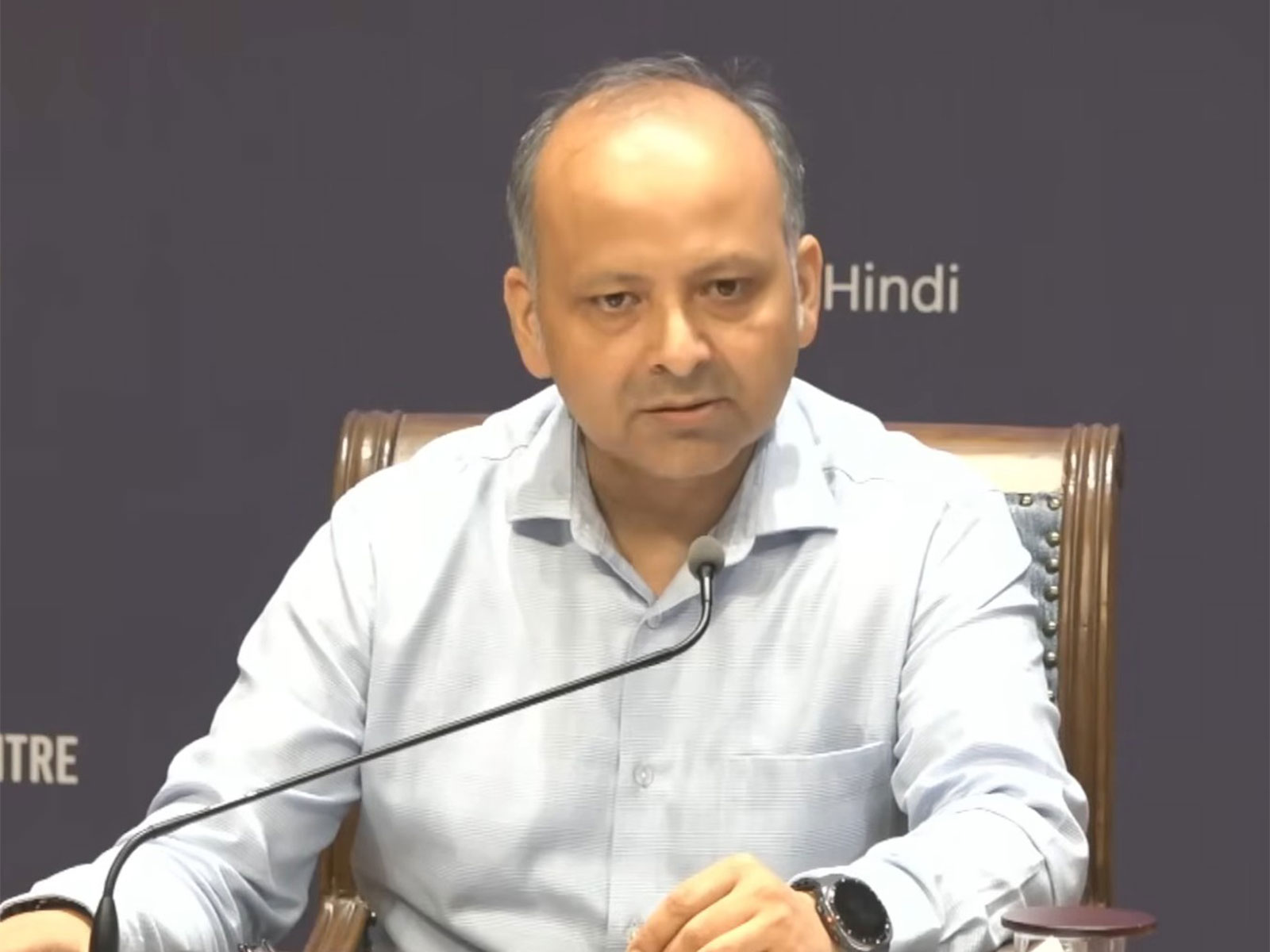
NEW DELHI: Director in the Ministry of Ports, Shipping and Waterways (MoPSW), Shri Opesh Kumar Sharma, on Thursday said that the Malta-flagged LNG carrier Disha, carrying 62,370 metric tonnes of liquefied natural gas (LNG), has safely crossed the Strait of Hormuz and is expected to berth at Dahej, Gujarat, on Friday.

Addressing an inter-ministerial briefing on recent developments in West Asia, Sharma provided an update on the vessel’s movement and the government’s ongoing efforts to support Indian seafarers amid regional tensions.

Sharma said, “As you are aware, the Malta-flag LNG carrier Disha had crossed the Strait of Hormuz on 15th June, carrying about 62,370 metric tons of LNG cargo. The vessel is expected to berth at Dahej tomorrow morning.”

He said the Ministry, through the Directorate General of Shipping (DG Shipping), continues to work closely with various stakeholders to ensure the safety and welfare of Indian seafarers.

“The Ministry, through the Directorate General of Shipping, remains in continuous coordination with the Ministry of External Affairs, our missions abroad, shipping companies, and other relevant stakeholders to ensure the safety and welfare of Indian seafarers and provide all necessary assistance,” Sharma said.

Providing details of the support mechanism put in place by the government, Sharma said, “The control room set up at DG Shipping has handled more than 13,187 calls and more than 29,376 emails.”

He added, “In the last 72 hours, a total of 450 calls and 1,077 emails have been received from seafarers, their families, and maritime stakeholders.”

Sharma further elaborated on the safe repatriation of Indian seafarers. He said, “The Ministry, through the Directorate General of Shipping, has facilitated the safe repatriation of more than 3,639 seafarers so far, including 47 in the last 72 hours.”

He also noted that the maritime operations in the country remain unaffected. He said, ” Port operations across India remain normal with no congestion reported.”

Earlier on Wednesday, Prime Minister Narendra Modi emphasised maritime security and the protection of Indian sailors during a bilateral meeting with US President Donald Trump on the sidelines of the G7 Summit in France, stressing the critical need to maintain open international shipping lanes.

Focusing on the human element of maritime commerce, PM Modi said that “lakhs of Indians are working as seafarers” and stressed that their safety remains a key priority amid ongoing developments in West Asia.

Tying the safety of these crew members directly to international economic stability, the Prime Minister focused heavily on the critical regional choke point.

“Keeping the Strait of Hormuz open is vital for the global economy,” PM Modi said, adding that he was confident the safety of seafarers would be given priority under the peace understanding between the United States and Iran.

Source: ANI
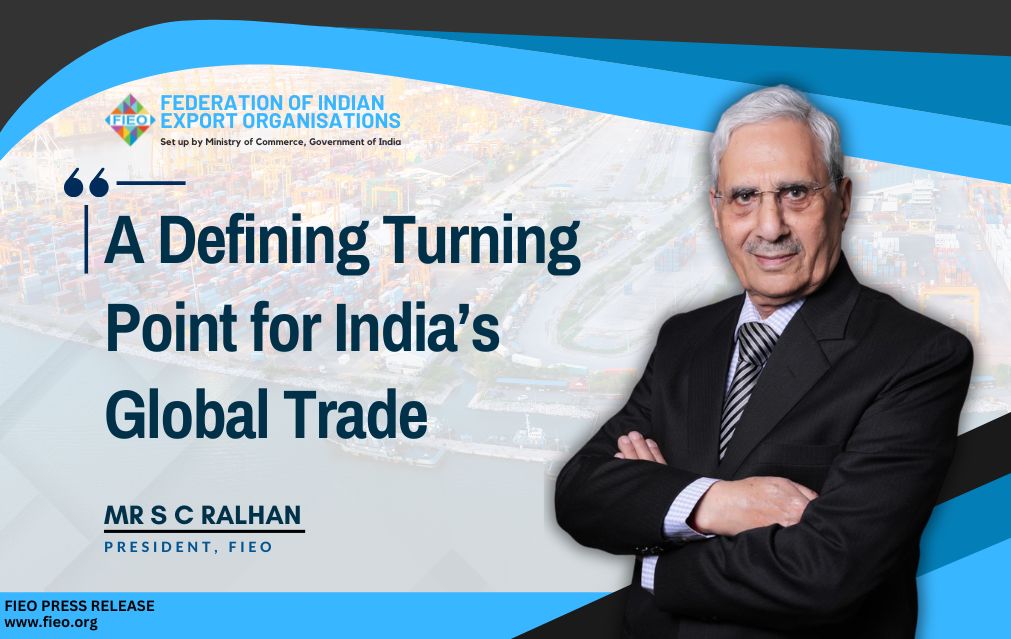
A Defining Turning Point for India’s Global Trade: Mr S C Ralhan, President, FIEO

NEW DELHI:  The signing of the historic US-Iran Memorandum of Understanding is a significant breakthrough that promises to reshape global trade dynamics. For the Indian export-import community, this development is an macro-economic breather, acting as a powerful catalyst for growth after months of regional disruptions. The conflict in West Asia suppressed India’s trade volume, with exports to the Middle East suffering a sharp contraction during peak disruptions. Core sectors bore the brunt of this instability. With the cessation of hostilities and the broader economic integration of the region, we anticipate an immediate and robust revival in order books, observed Mr S C Ralhan, President, FIEO. A stable West Asia unlocks pent-up consumer and industrial demand, paving the way for Indian exporters to scale up their presence and accelerate shipment trajectories over the next few fiscal quarters.

As a nation dependent on imports for over 85% of its crude oil requirements, global energy prices dictate our domestic manufacturing cost structures. The threat to regional supply chains previously drove Brent crude to elevated levels, spiking India’s wholesale inflation. Following the MoU, Brent crude has corrected sharply toward the US$78 per barrel range. This cooling of the geopolitical risk premium directly lowers the import bill, reduces fuel-led inflation, and dramatically softens input costs for heavily crude-dependent export sectors like plastics, paints, textiles, and chemicals, improving our global competitiveness, added FIEO Chief.   

The currency market has responded with immediate optimism to the easing of the energy bottleneck. The reduction in dollar demand from oil refiners, combined with robust foreign capital inflows, has given the Indian Rupee a firm footing, strengthening it significantly down toward 94–94.50 against the US Dollar. For exporters, a stable and predictable currency ensures safer hedging, protects margins, and eliminates the volatility that historically plagued long-term trade contracts. Reduced pressure on the Current Account Deficit (CAD) gives the overall economy strong fiscal maneuvering room.

Logistically, this MoU is a game-changer. The immediate reopening of the Strait of Hormuz—through which roughly half of India’s crude imports and a vast chunk of container traffic passes—is the single most significant relief for global supply chains.  The lifting of the US naval blockade and the restoration of normal traffic eliminate long maritime detours. Making our exports to EU, US and West Africa much competitive. Exporters were previously crushed by exorbitant freight fees and prohibitive “war-risk” insurance premiums. Normalization will slash these overheads, ensuring smoother, faster, and remarkably cheaper transit times to West Asia and European destinations.   

President FIEO said that we have started the fiscal on an extremely positive note with double digit growth in each of the two months and with situation becoming further positive, we are firmly on our course to achieve the target of US$ 1 trillion of merchandise and services exports, as announced by the Government. 

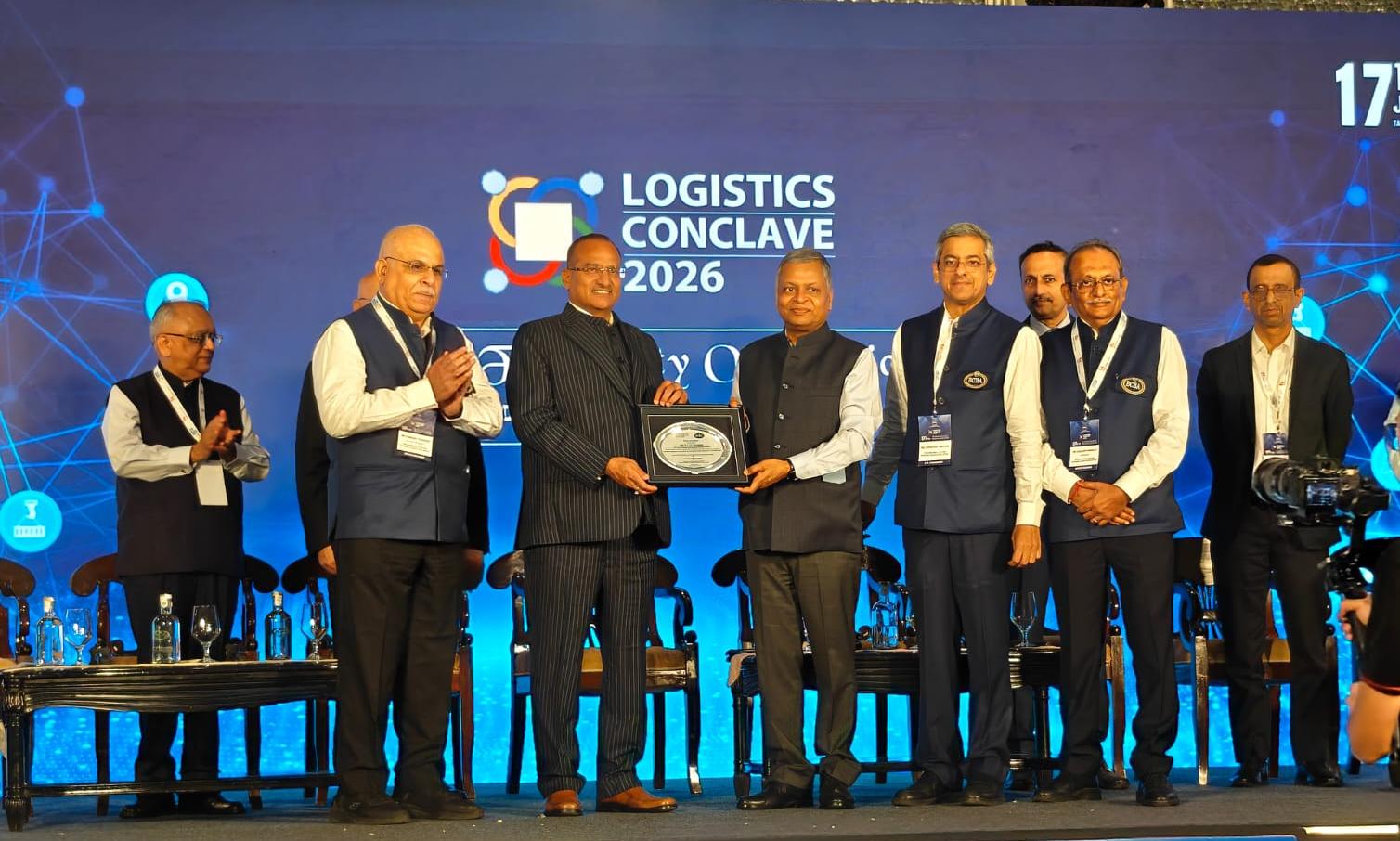
Capt. B.V.J.K. Sharma, CEO of NMIA, Felicitated at BCBA Logistics Conclave 2026

The felicitation recognized Capt. Sharma’s contribution to India’s aviation & logistics infrastructure & his leadership in the development of NMIA, a project expected to significantly enhance cargo & passenger connectivity for the Mumbai Metropolitan Region & the country at large.

MUMBAI: Capt. B.V.J.K. Sharma, Chief Executive Officer (CEO) of Navi Mumbai International Airport (NMIA), was felicitated at the BCBA Logistics Conclave 2026, organized by the Brihanmumbai Custom Brokers Association (BCBA) at the Taj Mahal Palace, Mumbai.

The Token of Gratitude was presented by Shri Yogendra Garg, I.R.S., Central Board of Indirect Taxes & Customs, Special Secretary Government of India; Mr. Sanjeev T Harale, President of BCBA; Mr. Paresh K Thakkar, Senior Vice President, BCBA and Mr. Dushyant Mulani, Immediate Past Chairman, FFFAI, on behalf of the Members of BCBA and of its Managing Committee.

The felicitation recognized Capt. Sharma’s contribution to India’s aviation and logistics infrastructure and his leadership in the development of NMIA, a project expected to significantly enhance cargo and passenger connectivity for the Mumbai Metropolitan Region and the country at large.

Speaking on the occasion, BCBA noted:

“It is a great honor to felicitate a visionary leader who has played a pivotal role in shaping the future of aviation infrastructure in India. To the Captain who never stopped sailing but changed horizons, his leadership and commitment have been instrumental in the development of Navi Mumbai International Airport, a landmark project poised to redefine connectivity and catalyze economic growth.”

Capt. Sharma currently serves as the Chief Executive Officer (CEO) of Navi Mumbai International Airport and is leading the development of one of India’s most significant greenfield airport projects, envisioned to be a major driver of regional connectivity, trade and economic growth.

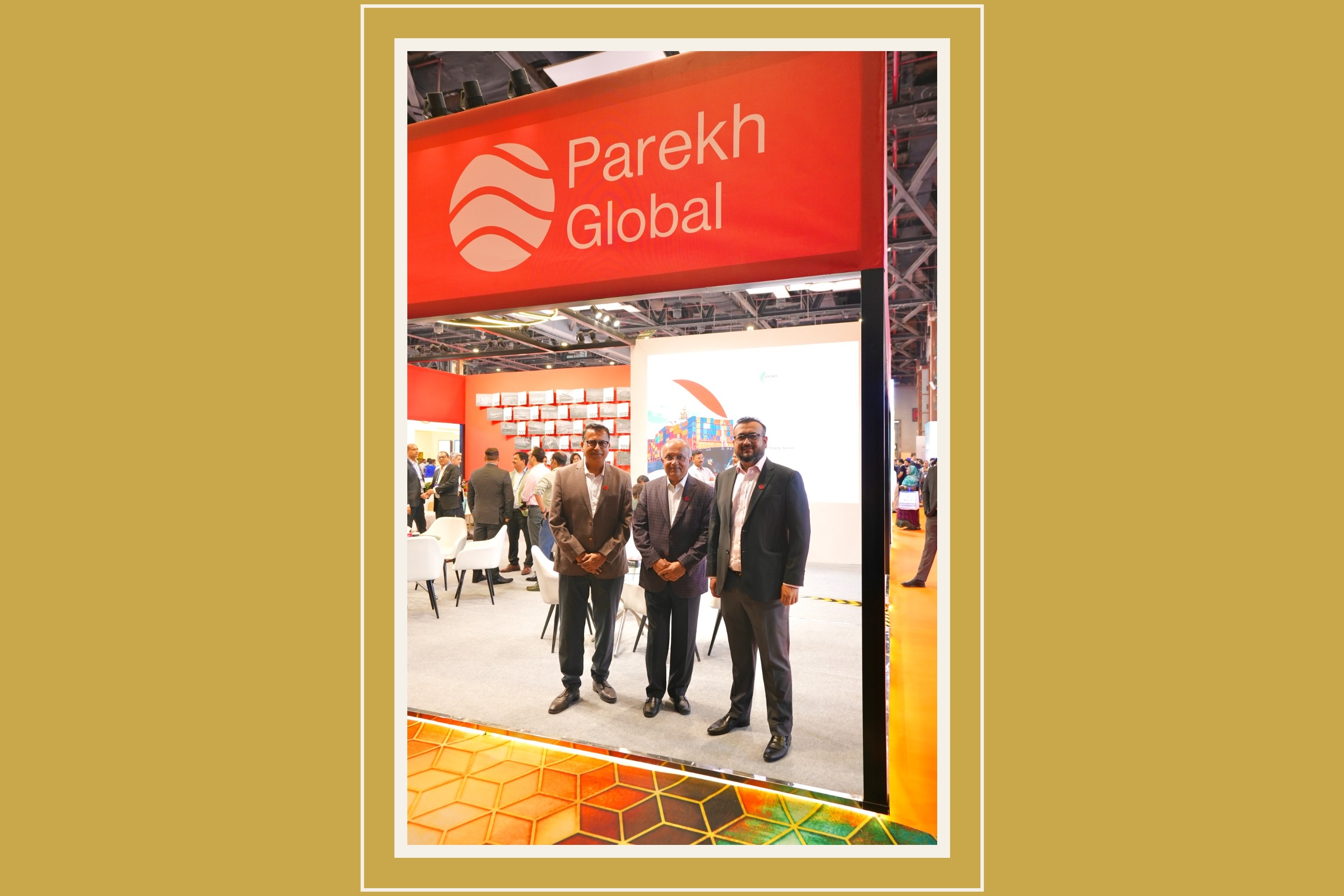
Parekh Global announces Strategic Transition, Marking a New Phase of Global Growth and Future-Ready Expansion at IICS 2026

MUMBAI: Following its participation at the India International Cargo Show (IICS) 2026, held in New Delhi recently, 2026, Parekh Global announced its strategic transition into a unified global platform, marking a defining milestone in positioning the organisation for accelerated international expansion, governance-led scale, and technology-driven transformation.

The move represents a structural evolution of the legacy enterprise into an integrated global identity designed to enhance operational agility, strengthen compliance frameworks, and align more closely with shifting global trade dynamics and evolving client expectations. As supply chains realign and regulatory landscapes grow increasingly complex, the company is restructuring to operate with greater cohesion and responsiveness across markets.

“This is not merely a transition exercise; it is a strategic recalibration for the future,” said Mr. Naresh Parekh, Director, Parekh Global. “For over 70 years, Parekh legacy has been deeply rooted in India’s trade and logistics ecosystem, building a legacy founded on trust, resilience and expertise. Today, we are leveraging that strong Indian foundation to scale confidently into global markets.”

“As international trade corridors evolve and client expectations become more sophisticated, we are expanding our geographic reach, upgrading our technology infrastructure, and actively evaluating strategic acquisitions to align with global benchmarks. India remains a significant growth engine for us, but our vision now extends far beyond domestic boundaries. We are strengthening our talent pool, enhancing operational capabilities, and investing in advanced systems to ensure we not only meet but exceed international standards. Our goal is clear — to transform Parekh Global into a future-ready, globally competitive enterprise that delivers integrated, world-class solutions across markets.”

The unveiling of Parekh Global marks the consolidation of diverse capabilities under a single global platform designed to drive operational efficiencies, standardise governance processes, and present a cohesive market-facing identity. The integrated structure is expected to enable faster decision-making, strengthen cross-border coordination, and support disciplined capital allocation, while preserving the entrepreneurial strengths that have long defined the organisation’s legacy.

As geopolitical shifts reshape global trade and compliance requirements intensify across jurisdictions, Parekh Global is positioning itself as a structured, compliance-first enterprise capable of navigating volatility with resilience. Strengthened governance architecture and enhanced risk management frameworks form a central pillar of the transition.

“Scale must be accompanied by structure,” said Mr. Yogesh Parekh, Director, Parekh Global. “Our evolution into Parekh Global strengthens our governance architecture while enhancing our ability to operate seamlessly across markets. This integrated model allows us to balance growth ambitions with robust oversight.”

The company emphasised that the transition ensures continuity of leadership, operational teams, and long-standing client relationships. Existing stakeholders will experience seamless integration under the new identity, now supported by enhanced capabilities designed to foster long-term strategic partnerships rather than transactional engagements.

Over the next five years, Parekh Global plans to expand into priority international markets, forge strategic partnerships, accelerate digital transformation initiatives, and deepen investments in leadership development and sustainable growth practices. The company aims to leverage India’s expanding role in global trade while building operational depth across key overseas regions.

“Our objective is to build a globally integrated organisation that can scale responsibly,” Mr. Yash Parekh, Director, Parekh Global said. “We remain committed to delivering value with integrity while shaping an enterprise that reflects both our heritage and our forward-looking ambitions.”

By combining legacy strength with structural modernisation, Parekh Global is seeking to position itself as a resilient Indian enterprise with growing global relevance.

About Parekh Global

Parekh Global is a legacy-driven enterprise with over 70 years of industry experience. The organisation has evolved into a unified global platform focused on governance-led growth, innovation, and client-centric service integration, with a long-term strategy centered on international expansion and digital transformation.

Allcargo Group partners with YCMOU to offer Skill Development and Livelihood Opportunities for Youth

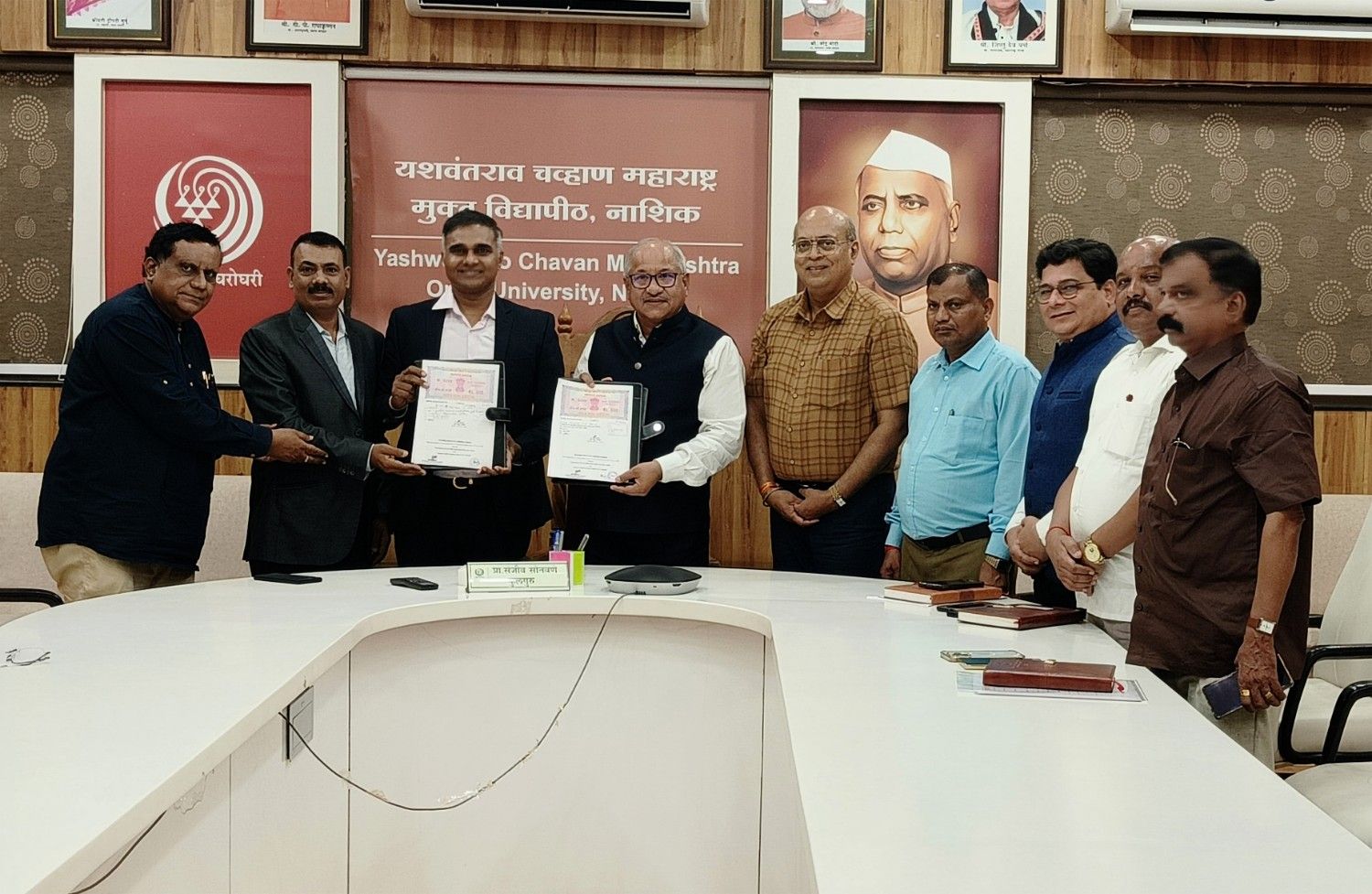
MUMBAI: Allcargo Group, through its CSR arm Avashya Foundation, has signed a Memorandum of Understanding (MoU) with Yashwantrao Chavan Maharashtra Open University (YCMOU), Nashik, to strengthen industry-aligned skill development initiatives and promote sustainable livelihood opportunities for youth.

The strategic partnership aims to bridge the gap between education and employment by equipping youth with market-relevant skills, recognized certifications, and enhanced career pathways, particularly for individuals from underserved and economically weaker communities.

At a ceremony held at the YCMOU campus in Nashik, the MoU was formally signed and exchanged by Dr. Govind Kathalkute, Registrar & Finance Officer, YCMOU and Dr. Nilratan Shende, Head – CSR, Allcargo Group, marking the beginning of a strategic collaboration to strengthen industry-aligned skilling and livelihood promotion initiatives.

Speaking on the occasion, Dr. Nilratan Shende, Head – CSR, Allcargo Group, said, “The collaboration reflects the Group’s vision that skill development is a powerful catalyst for social transformation and economic empowerment. Our partnership with YCMOU brings together academic excellence and industry relevance to create meaningful opportunities for young people, enabling them to build sustainable careers while contributing to India’s growth story. The collaboration is expected to empower young people with future-ready capabilities, enhance livelihood opportunities, and contribute to building a skilled workforce, advancing India’s vision of inclusive economic growth and nation-building.”

Dr. Sanjeev Sonawane, Vice Chancellor, Yashwantrao Chavan Maharashtra Open University (YCMOU), said, “YCMOU has always been committed to making quality education accessible to those who need it most. This MoU with Allcargo Group is a natural extension of that mission bringing the credibility of YCMOU as public university together with the implementation strength of a leading corporate CSR programme. By combining academic certification with industry relevant vocational training, we are opening a new pathway for under privileged youth, PAP communities, tribal groups, and women to enter the formal workforce with both confidence and credentials. We look forward to a productive and impactful partnership.

The MoU signing ceremony was also attended by Mr. Chandrakant Patil, AGM – CSR, Allcargo Group while the YCMOU delegation included Dr. Sanjeev Sonawane, Hon’ble Vice Chancellor; Mr. Kailas More, Director, School of Rural Development & Entrepreneurship, Mr. Jaiwant Dhawale, Senior Advisor, and Mr. Minanath Jagade, Chief Training Coordinator-YCMOU for Mumbai and Navi Mumbai.

About Avashya Foundation

Avashya Foundation is the torchbearer of CSR and Philanthropy for Allcargo Group, an India-born global logistics conglomerate. It has been tirelessly working in education, healthcare, and environmental sustainability in Maharashtra, Karnataka and Tamil Nadu, under the able leadership of Arathi Shetty, Non-Executive Director and Chairperson of the CSR Committee. Avashya Foundation has implemented flagship projects in education, environment, and healthcare such as Nipun, Disha, Jeevan – coping with Cancer, and Maitree that effectively work to uplift underprivileged communities. Over 400,000 lives have been impacted through the planting of 1.6 million trees under Maitree. The Nipun-Skill Development program is aligned with the Government of India’s Skill India mission and has successfully trained and placed young individuals.

About YCMOU

Yashwantrao Chavan Maharashtra Open University (YCMOU) was established on 1st July 1989 by an Act of the Maharashtra State Legislature. It is the Fifth Open University in the country. The jurisdiction of this university is spread over the entire State of Maharashtra. The YCMOU is recognized under section 12 (B) of the University Grants Commission (UGC), New Delhi. The university is a member of various prestigious associations and bodies like the Association of Indian Universities (AIU), Association of Commonwealth Universities (ACU), Asian Association of Open Universities (AAOU), International Council for Distance Education (ICDE) to name a few.

West Asia conflict and El Nino pose demand risks; inflationary pressure may impact earnings of India Inc. in the near term: ICRA

NEW DELHI: Rating agency ICRA projects India Inc. to witness moderation in its revenue growth to mid-to-high single digit in Q1 2026-27 (against a 13.2% YoY growth in Q4 2025-26) and a contraction in its operating profit margin by 100-150 bps on a YoY basis. As a result of the earnings pressure, credit metrics are expected to soften, with an estimated interest coverage ratio of 4.8-5.0 times in Q1 2026-27, against 5.8 times recorded in Q4 2025-26, despite stable cost of funds and leverage.

The ongoing geopolitical tension in West Asia is likely to act as a key overhang, given its significant implications on global trade flows, logistics costs and demand sentiments in key export markets. Further, the conflict results in a second-order impact on travel and tourism-linked businesses like aviation and hotels targeting foreign tourists, LPG-dependent industries like ceramic tiles, quick service restaurants, among others. Besides, development of El Nino conditions could potentially disrupt rural demand, impacting revenues of a large section of the corporate sector, which had posted a healthy revenue growth in Q4 2025-26.

Elevated fuel, logistics, and packaging costs arising from the West Asia crisis and cost escalation for imported inputs caused by INR depreciation are likely to weigh on the aggregate profit margins of India Inc. in the near term. However, the margin pressure could be partially offset by price revision, albeit partially or with a lag, as an abrupt price hike may impact demand and competitive position. In addition, focus on fixed cost optimisation and efficiency improvement by organised players amid a challenging operating environment and the benefits arising from INR depreciation for exporters are expected to cushion the margin pressure at an aggregate level, to a certain extent.

Commenting on the trends, Kinjal Shah, Senior Vice President & Co-Group Head-Corporate Ratings, ICRA Limited, said: “Domestic demand conditions have become more nuanced in Q1 2026-27, with below-normal monsoon expectations posing downside risks to demand across rural-linked segments such as fast-moving consumer goods (FMCG), two-wheelers, tractors, and agrochemicals. While stable income trends are likely to support urban consumption to some extent, the overall demand environment is expected to remain challenging due to inflationary pressure amid a surge in crude oil prices and INR depreciation, constraining volume growth in consumption-oriented sectors. In contrast, investment-led segments, including capital goods and infrastructure, may benefit from a rising order book from some of the private sectors, partially offsetting the broader consumption slowdown.”   

ICRA’s analysis reveals a varying degree of sector-specific vulnerability to spike in crude oil prices in Q4 2025-26. The aviation sector witnessed significant margin pressure in Q4 2025-26 owing to elevated aviation turbine fuel costs besides weakening demand conditions. In contrast, oil refining and marketing companies benefited from robust refining spreads and inventory gains, which largely offset the impact of weaker marketing margins, particularly due to LPG under-recoveries and subdued retail fuel spreads, translating into their overall margin expansion. Meanwhile, gas transmission companies, especially integrated players, reported relatively weaker profitability, primarily on account of softness in non-core segments such as petrochemicals and gas trading, while the margins in the core gas transmission business remained stable, albeit with limited upside in the absence of meaningful tariff revisions.

The sharp depreciation of the INR against the USD in Q4 2025-26 resulted in divergent sectoral outcomes, with export-oriented sectors such as IT services and specialty chemicals benefiting from translation-driven gains in rupee-denominated revenues despite facing headwinds in constant-currency growth owing to weak underlying demand conditions. Depreciation of the INR supported the domestic paper industry as the threat of imports was mitigated, which had weighed on realisations over the past couple of years. Conversely, import-dependent sectors, including aviation, oil marketing companies and FMCG, faced margin pressure due to elevated input and fuel costs, with limited ability to fully pass on such price hikes. Amid apprehensions of a rise in inflation, borrowing costs could increase as bond yields are hardening and banks’ MCLR may also rise, although the repo rate remains unchanged.

Sectors like electronics manufacturing and consumer durables resorted to the precautionary stocking of critical imported inputs to maintain production continuity. However, the corporate sector’s aggregate inventory days relative to turnover (for a sample of more than 2,000 manufacturing entities) remained largely stable at 57 days as on March 31, 2026, vis-à-vis 56 days a year earlier, indicating no major impact of the geopolitical crisis on the overall working capital cycle.

“While the balance sheets remain resilient, the operating environment is becoming less conducive for investments due to the ongoing West Asia crisis. Private capex stands out in select segments of manufacturing (like defence, electronics manufacturing, electric mobility and other production-linked incentive-supported segments), power equipment, real estate, data centres etc.”

“Over the medium term, sustainability of India Inc.’s credit profile will depend on how effectively policy measures and sector‑specific developments mitigate uncertainties surrounding global trade dynamics, commodity price volatility, and geopolitical risks,” Shah added.

GeM partners with Common Service Centre to expand access to Government Procurement Opportunities across India

NEW DELHI: The Government e-Marketplace (GeM), India’s National Public Procurement Portal under the Ministry of Commerce & Industry, has entered into a strategic partnership with Common Service Centre e-Governance Services India Limited (CSC-SPV) to expand access to government procurement opportunities across the country, particularly in rural and underserved regions.

The partnership was formalised through the signing of a Memorandum of Understanding (MoU) on 18 June 2026 at the GeM Office in New Delhi. The MoU marks a significant expansion of the GeM–CSC collaboration, building upon the partnership established in 2022. While the earlier MoU primarily focused on facilitating seller registration and profile creation, the new framework adopts a more comprehensive and outcome-oriented approach, supporting sellers through the onboarding process up to catalogue listing.

The expanded scope of collaboration includes facilitation for Vendor Assessment, Brand Approval, and Product and Service Catalogue creation and publication. These measures are aimed at helping sellers navigate key onboarding requirements more effectively, improving conversion from registration to active listing, and strengthening participation in government procurement, particularly from rural and semi-urban regions.

As a key feature of the partnership, 50 GeM Suvidha Kendras (GSKs) will be established initially on a pilot basis through the CSC network across select states, including Delhi-NCR, Maharashtra, Uttar Pradesh, Gujarat, Tamil Nadu, Kerala, Karnataka, Telangana and West Bengal. These centres will serve as dedicated facilitation hubs where sellers and service providers can access guidance, training, onboarding support and assistance related to GeM processes.

In addition to supporting awareness generation, registration, capacity building and grievance redressal, the GeM Suvidha Kendras will provide local-level handholding support to micro and small enterprises (MSEs), women entrepreneurs, SC/ST entrepreneurs, startups, artisans, weavers, Self-Help Groups (SHGs), Farmer Producer Organisations (FPOs), local manufacturers and other emerging enterprises. The pilot initiative will be evaluated for expansion to other States and Union Territories based on outcomes and stakeholder feedback.

The earlier collaboration between GeM and CSC helped create a strong seller base, with approximately 5.3 lakh sellers completing registration and profile creation through the CSC network. Building on this success, the enhanced partnership seeks to strengthen GeM’s last-mile presence, improve onboarding outcomes, expand catalogue availability, and make public procurement more accessible, inclusive and user-friendly for enterprises across the country.

The MoU was signed by Additional Chief Executive Officer, GeM, Shri Ajit B. Chavan, and Senior Vice President, CSC-SPV, Shri Subodh Mishra.

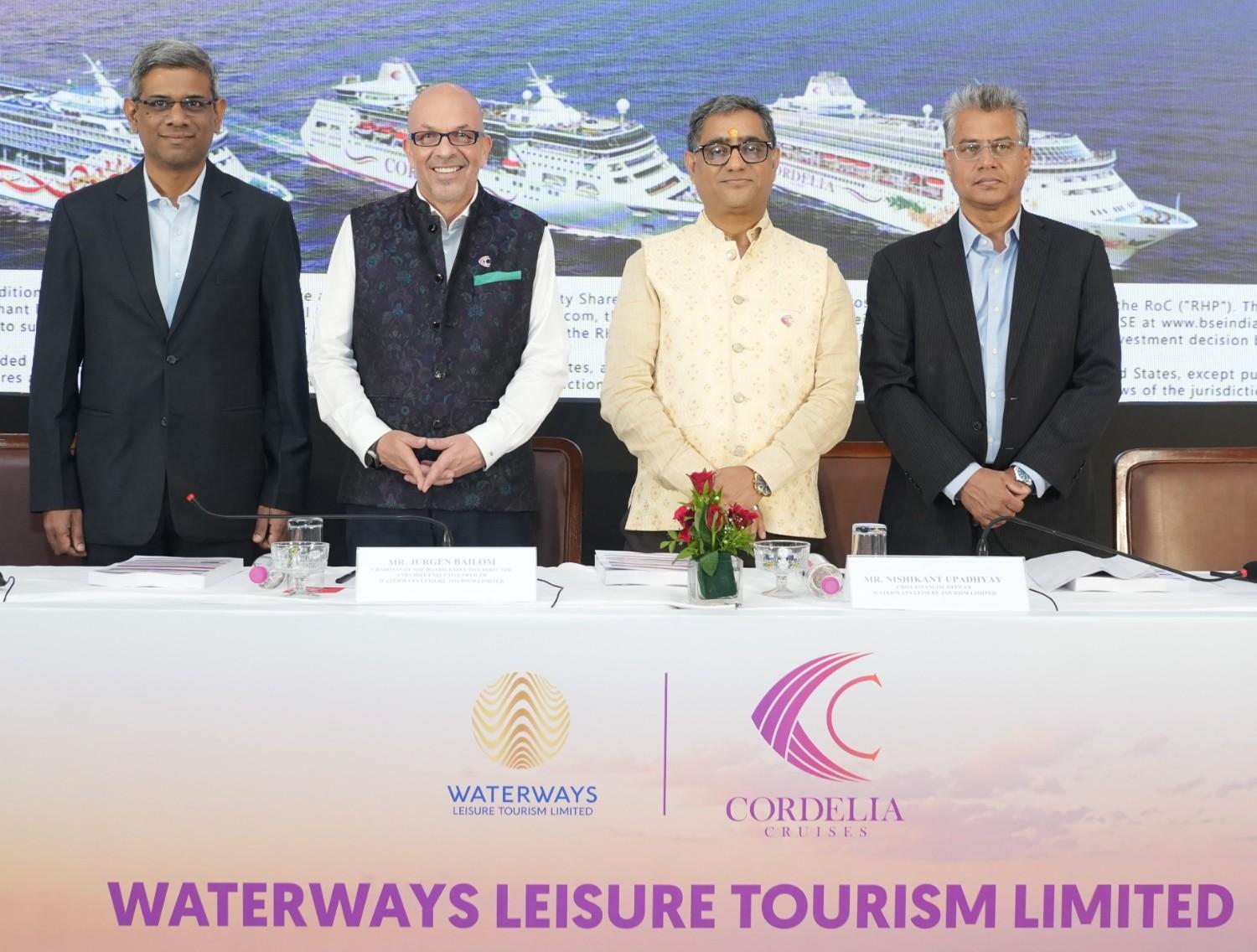
Waterways Leisure Tourism Limited’s Initial Public Offering to open on 23rd June, 2026

MUMBAI: Waterways Leisure Tourism has fixed the price band of ₹ 769/- to ₹ 808/- per Equity Share of face value ₹ 10/- each for its maiden initial public offer.

The Initial Public Offering (“IPO” or “Issue”) of the Company will open on 23rd June, 2026, for subscription and close on 25th June, 2026.

Investors can bid for a minimum of 18 Equity Shares and in multiples of 18 Equity Shares thereafter.

Equity shares outstanding as on date 651,544,440 Equity Shares of Rs. 10/- each

The IPO is a fresh issue of up to Rs 585 crores.

The proceeds from the fresh issue to the extent of Rs 480 crores will be for payment towards deposit/ advanced to lease rental and monthly lease payments its step-down subsidiary, Baycruise Shipping and Leasing (IFSC) Private Limited (Baycruise IFSC), while the balance proceeds will be utilized for General Corporate Purposes.

It currently operates a cruise vessel, the MV Empress, and since its launch, 730,819 guests have sailed on its cruise vessel, which has covered more than 321,292.53 nautical miles along the Indian coastline and surrounding countries as of March 31, 2026. In Fiscal 2025, the company accounted for approximately 79% of the market share in value terms (Source – CRISIL Report). It’s cruise vessel primarily sails to domestic destinations such as Mumbai, Goa, Kochi, Chennai, Lakshadweep, Visakhapatnam and Puducherry.

The Company offers international itineraries to Hambantota, Trincomalee, and Jaffna (Sri Lanka), Phuket (Thailand), Singapore, Kuala Lumpur and Langkawi (Malaysia). Its itineraries are designed to showcase India’s coastal regions and cultural heritage, providing guests with an enriching travel experience and establishing the Company as the go-to choice for luxury and cultural cruise holidays at sea.

Its cruise vessel, MV Empress, offers a mix of suites, mini suites, ocean-view staterooms, and interior staterooms, totalling 796 cabins with a guest capacity of up to 2,005 passengers. The forthcoming vessels, Norwegian Sky and Norwegian Sun, are expected to further expand the Company’s fleet capacity, adding 1,002 cabins and capacity for up to 2,004 guests, and 968 cabins and capacity for up to 1,936 guests, respectively. This expansion is expected to strengthen the Company’s ability to serve a broader customer base and support future growth.

Its cruise experience is designed to cater to the preferences of Indian guests and international travellers visiting India, offering an immersive journey into India’s rich culture, cuisine, and warm hospitality. The Company on its cruise also offer specialized arrangements for meetings, incentives, conferences, and exhibitions (MICE) events and weddings, with comprehensive services that include venue arrangements, catering, entertainment, and accommodation.

Its revenue from operations was Rs. 580 crores during FY26 as against Rs. 444 crores during FY24.

Its net profit was Rs. 52 crores during FY26 as against a loss of Rs. 123 crores during FY24.

Waterways Leisure Tourism is proposing, subject to receipt of requisite approvals, market conditions and other considerations, to make an initial public offer of its Equity Shares and has filed a red herring prospectus dated June 17,2026, with the RoC. The RHP is made available on the website of the SEBI at www.sebi.gov.in as well as on the website of the BRLM i.e., https://centrumbroking.com/, the website of the NSE at www.nseindia.com and the website of the BSE at www.bseindia.com and the website of the Company at https://www.cordeliacruises.com/. Any potential investor should note that investment in equity shares involves a high degree of risk and for details relating to such risks, please see the section “Risk Factors” beginning on page 20 of the RHP. Potential investors should not rely on the DRHP for making any investment decision but should only rely on the information included in the RHP filed by the Company with the RoC.

The Equity Shares offered in the Issue have not been, and will not be, registered under the U.S. Securities Act and may not be offered or sold within the United States, except pursuant to an exemption from, or in a transaction not subject to, the registration requirements of the U.S. Securities Act and applicable state securities laws. The Equity Shares offered in the issue are being offered and sold only outside the United States in “offshore transactions” as defined in and in reliance on Regulation S under the U.S. Securities Act (“Regulation S”).

Blue Dart marks 30 Years of Aviation Operations, Powering Speed, Reliability and Network Certainty

MUMBAI: Blue Dart marks 30 years of aviation operations, a milestone that reinforces its leadership in India’s time-definite express logistics industry. Built as a core part of Blue Dart’s integrated express network, its dedicated air express capability has strengthened the company’s promise of speed, reliability and network certainty, while supporting businesses, institutions and consumers with dependable connectivity across India.

Since 1996, Blue Dart’s aviation operations have played a pivotal role in powering its time-definite delivery network, supporting the growth of critical sectors including life sciences, banking and financial services, manufacturing, automobiles, e-commerce and SMEs, while strengthening supply chain resilience across the country.

Over the past 30 years, Blue Dart’s aviation operations have supported more than 2.15 lakh flights and handled over 20.5 lakh tonnes of air cargo, reflecting the scale, consistency and reliability of its air express network. Behind this strength is a dedicated ecosystem of pilots, engineers, operations, safety, security and support teams, whose commitment has helped sustain Blue Dart’s service discipline over three decades.

The company’s aviation network has also played a critical role during times of national need, including the transportation of vaccines, PPE kits and other essential supplies during the COVID-19 pandemic. As India advances toward its vision of becoming a $5 trillion economy, Blue Dart remains committed to driving air cargo momentum, strengthening supply chains, and enabling faster movement of goods across markets.

Commenting on the milestone, Balfour Manuel, Managing Director, Blue Dart Express Limited, said, “Blue Dart’s aviation capability has been a key enabler of our time-definite delivery promise, supporting next-day and under-24-hour delivery commitments across India. It has strengthened the speed, reliability and certainty that customers associate with Blue Dart, while connecting businesses, markets and communities across the country. This capability continues to set Blue Dart apart in India’s logistics landscape and remains central to our commitment to service excellence.”

Speaking on the occasion, Capt. Nikhil B. Ved, Managing Director, Blue Dart Aviation Limited, said, “Completing 30 years of aviation operations is a significant milestone in Blue Dart’s journey. This journey has been defined by operational excellence, safety, trusted collaboration and a relentless focus on customer needs. Above all, it reflects the dedication of our employees and stakeholders, along with the continued support of regulatory authorities, airport partners and service providers. As we enter the next decade, our focus remains on strengthening capabilities, leveraging technology and building a future-ready aviation network that supports India’s evolving logistics ecosystem.”

Today, Blue Dart operates a dedicated fleet of eight Boeing 737 and 757 cargo freighters, forming a critical component of its integrated logistics network and supporting the company’s continued leadership in express logistics. Over the past three decades, this capability has helped build one of India’s most reliable air express networks, supporting the movement of millions of shipments and enabling faster access to markets across metropolitan and emerging growth centres.

As Blue Dart’s air operations enter their fourth decade, the company remains focused on enhancing network resilience, strengthening operational efficiencies, leveraging technology and automation, and supporting the future growth of India’s logistics ecosystem.

East India, meet KSH Integrated Logistics: 60,000 Sq. Ft. of Grade-A Logistics Infrastructure now Live in Kolkata

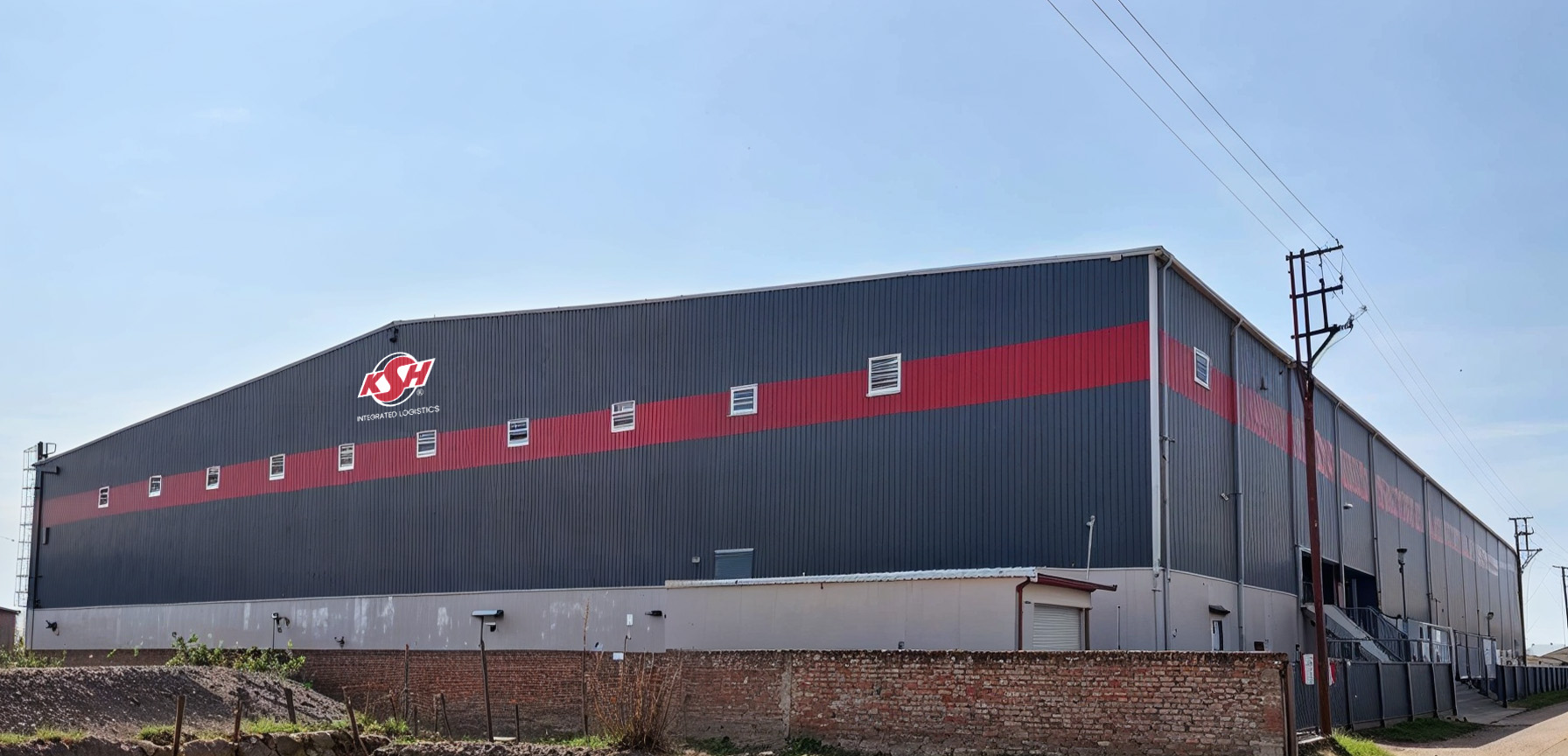
KOLKATA: KSH Integrated Logistics Pvt. Ltd. has announced the launch of its first warehouse in Eastern India, a 60,000 sq. ft. Grade-A, compliant, multi-client facility in Kolkata, built to serve businesses expanding across Eastern and North-Eastern India.

With this, KSH brings its integrated logistics capabilities into one of India’s most dynamic and fast-growing supply chain corridors and signals a clear intent to build where India is heading next.

As consumption patterns shift and regional trade volumes grow, Eastern India has emerged as a critical logistics node. The Kolkata facility has been designed to meet this demand head-on, offering businesses flexible, scalable warehousing without the burden of heavy capital investment in fixed assets. Built to serve sectors including FMCG, FMCD, and fintech, the facility combines modern infrastructure with the operational agility that businesses need to move faster and smarter in the region.

Speaking on the expansion, Mr. Vinay Patil, Chief Executive Officer, KSH Integrated Logistics Pvt. Ltd., said, “Kolkata is a gateway to an entire region that is evolving rapidly. Businesses today need logistics partners who combine scale with flexibility, and that is exactly what this facility is built to deliver. This is an important step in our vision of building a truly connected logistics network across India.”

Beyond storage, the facility offers a comprehensive suite of value-added services including pre-packing, kitting, MRP stickering, and customised supply chain solutions. Last-mile delivery will be supported through electric vehicles, reflecting KSH’s commitment to sustainable and future-ready logistics operations. The facility is fully compliant with fire safety standards, equipped with fire hydrants, sprinkler systems, and all requisite safety infrastructure. Underpinning it all is an advanced Warehouse Management System (WMS) and Transportation Management System (TMS), enabling real-time inventory visibility, streamlined fulfilment, and consistently reliable service for customers.

Expected to generate over 100 direct and indirect employment opportunities, KSH’s new warehouse will contribute meaningfully to the local economy while raising the standard of logistics infrastructure across the region.

This addition adds an important piece to KSH’s growing national network, one that now reaches from the west coast to the eastern frontier. With more in the pipeline, the company remains focused on building logistics infrastructure that keeps pace with India’s growth.

About KSH Integrated Logistics 

KSH Integrated Logistics is a leading provider of integrated supply chain and logistics solutions, offering warehousing, transportation, distribution, and value-added services across India. Through a growing network of facilities, the company serves businesses across Automotive, Industrial, Chemical, FMCG, FMCD, Fintech, and beyond, combining operational excellence with technology-driven solutions built for the demands of modern commerce.