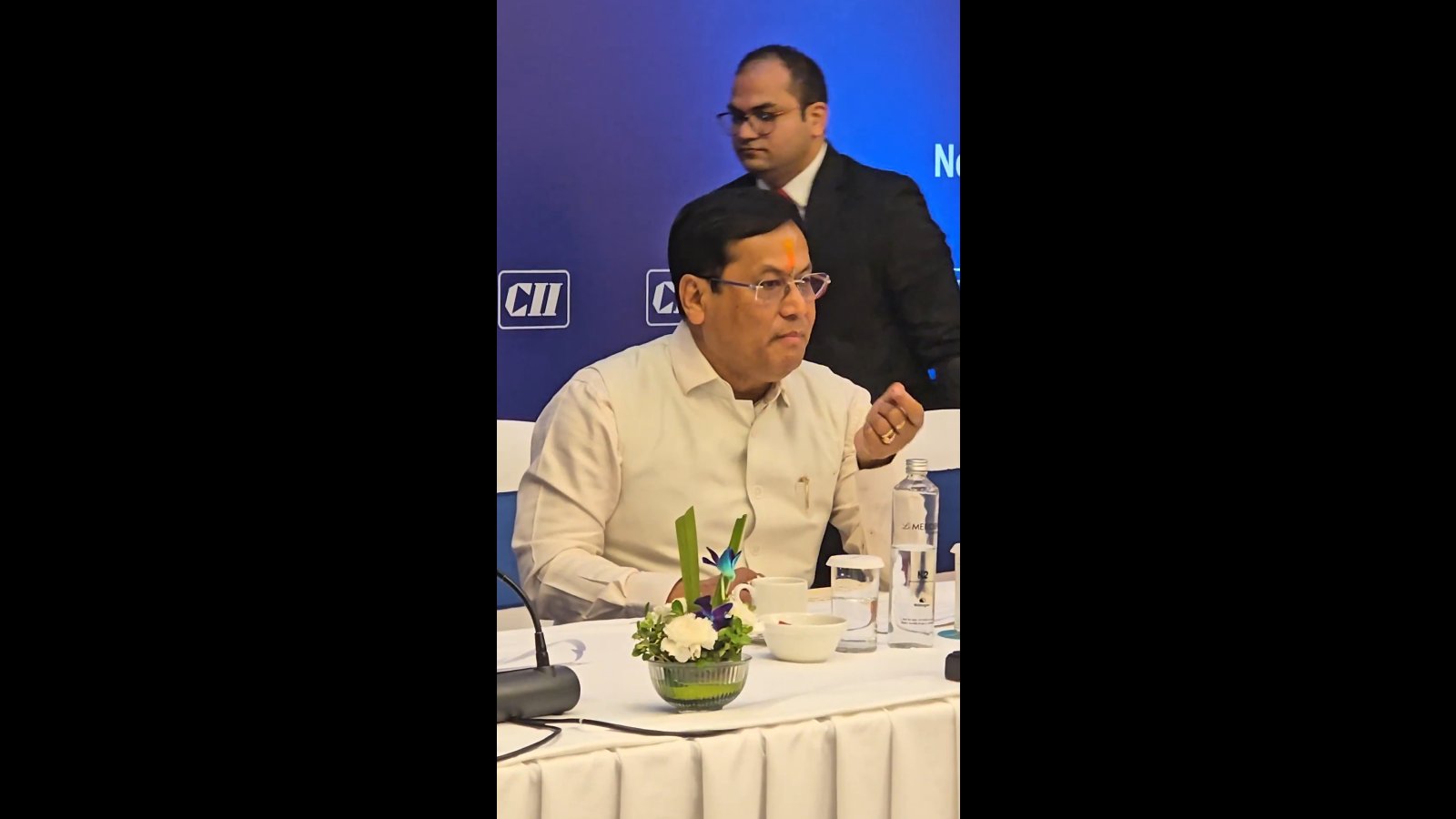
NEW DELHI : Union Minister of Ports, Shipping & Waterways, Government of India, Shri Sarbananda Sonowal, expressed his delight while interacting with leading industry captains and stakeholders at the CEOs Roundtable organised by the Confederation of Indian Industry (CII) in New Delhi.
Addressing the gathering, Shri Sonowal spoke about India’s remarkable maritime transformation under the visionary leadership of Hon’ble Prime Minister Shri Narendra Modi. He highlighted the rapid growth of India’s ports, shipping and logistics sectors, driven by transformative initiatives aimed at enhancing efficiency, connectivity, sustainability and global competitiveness.
The Minister underscored the immense opportunities emerging across the maritime ecosystem, including port-led industrialisation, green shipping, inland waterways development, shipbuilding, maritime infrastructure and multimodal logistics. He emphasised that India’s maritime sector is playing a pivotal role in advancing the nation’s economic growth and strengthening its position as a global trade and logistics hub.
Shri Sonowal noted that collaborative industry-government platforms such as the CII CEOs Roundtable are crucial for fostering innovation, attracting investments and building strategic partnerships that will shape the future of India’s maritime economy.
“Through collective efforts and meaningful collaboration with industry leaders, we are committed to building a resilient, future-ready logistics ecosystem that supports economic prosperity and contributes to the vision of an Aatmanirbhar Bharat,” Shri Sonowal said.
The interaction provided an important platform for dialogue on policy reforms, investment opportunities, technology adoption, sustainability goals and strengthening India’s maritime capabilities in alignment with the Government’s long-term vision for inclusive and sustainable growth.
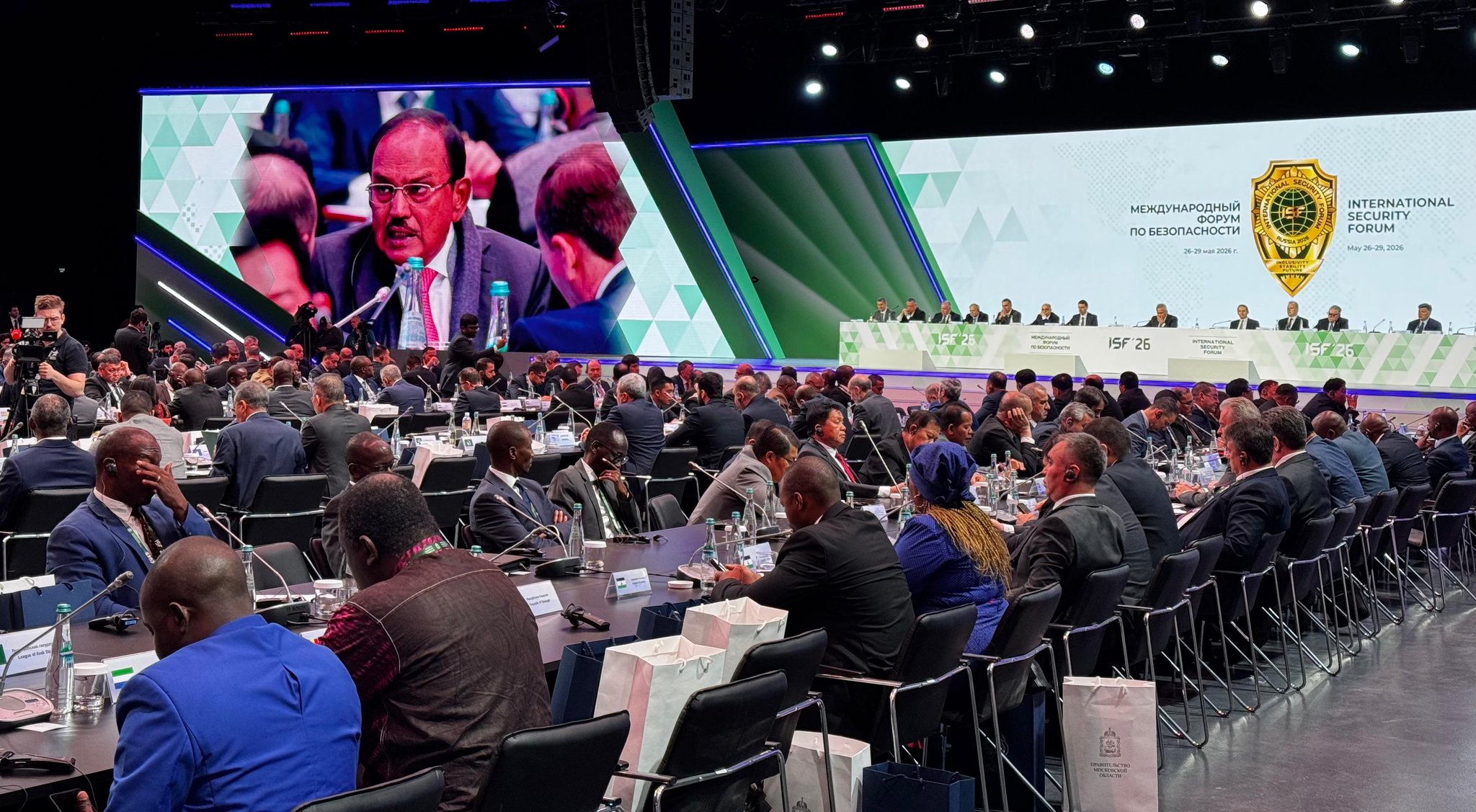
MOSCOW: National Security Advisor Ajit Doval called for special attention to the situation in West Asia, emphasising the need to ensure the safe and uninterrupted flow of trade through international waterways, including theStrait of Hormuz and the Red Sea.
Addressing the 1st International Security Forum and the XIV International Meeting of High-Ranking Officials Responsible for Security Matters in Moscow, Doval expressed concern over the disruption in the oil and gas supply, affecting the global economy.
He said that India supports all efforts to reduce the tensions in West Asia and restore stability in the region.
“The conflict in West Asia needs a very special mention. The ongoing tensions in the region continue to raise very serious concerns. Risk to maritime traffic and disruptions to energy infrastructures show how fragile the contemporary situation is,” he said.
“Safe and uninterrupted movement of international trade through international waterways, including the Strait of Hormuz and the Red Sea, is essential for the global economy. India stands ready to contribute constructively to support all efforts to reduce tensions and help restore stability,” he added.
The Strait of Hormuz has become vital since the US and Israel launched an attack against Iran. Tehran, along with military retaliation, choked the Strait of Hormuz, disrupting the global supply of oil and gas to strong-arm the US into a ceasefire.
The geopolitical standoff centres on the control of the Strait of Hormuz, which continues as Iran has reportedly sought to impose a tolling system on commercial ships passing through the waterway, a move that regional observers suggest is being coordinated in tandem with Omani interests.
The United States has moved swiftly to shut down these efforts. US Treasury Secretary Scott Bessent issued a stern warning, stating that the U.S. “will not tolerate any effort to impose a tolling system in the Strait of Hormuz.”
Additionally, NSA Doval called for urgent reforms in the United Nations, which have failed to address the international security challenges faced in recent times.
“The United Nations is facing a very serious crisis. The structured institutions of 1945 are increasingly proving to be incapable of addressing the security challenges that the world is facing; therefore, there is an urgent need for reform in the United Nations to make it more representative,” he said.
Last Week, Prime Minister Narendra Modi also called for reforms of global institutions for resolving the growing global challenges.
Addressing a joint press meeting with the Cyprus President Nikos Christodoulides, PM Modi said, “Today we discussed global issues, be it Ukraine or West Asia, we will continue to support efforts for an early resolution to ongoing conflicts and for peace.
We are also unanimous on the view that reform of global institutions is urgent and important for resolving the growing global challenges.”
The 1st International Security Forum, along with the XIV International Meeting of High-Ranking Officials Responsible for Security Matters, is taking place from May 26 to 29 in Moscow.
According to an official release, over 140 delegations from foreign states and international organisations participated in the forum. The event brought together Secretaries of Security Councils, National Security Advisors to heads of state, directors of law enforcement agencies and special services, as well as secretaries of international organisations.
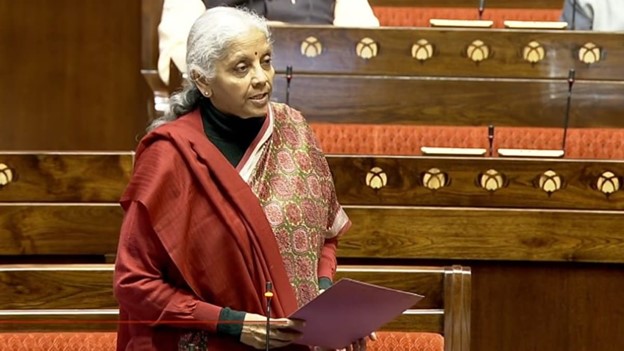
NEW DELHI : In a first, the Union Finance Ministry has launched a nationwide programme of field visits to manufacturing units and industrial clusters as the government seeks ground-level industry feedback to support economic policymaking and manage challenges arising from the ongoing West Asia crisis.
The initiative, led by the Department of Economic Affairs in the Finance Ministry, will involve senior DEA officials visiting large, medium and small manufacturing units, as well as externally aided projects, to assess operational and policy challenges across sectors.
According to an official communication reviewed by PTI, the visits aim to provide direct insights into infrastructure bottlenecks, regulatory hurdles, supply chain disruptions, access to finance, skilling gaps and technology adoption issues affecting businesses.
An email seeking comment from the finance ministry did not receive any immediate response. Despite strong public capital expenditure and resilience in some sectors, private investment activity in India has remained uneven amid global economic uncertainty and tightening financial conditions.
The ongoing West Asia crisis has added to industry concerns by driving up crude oil prices, weakening the rupee and widening current account deficit, while also disrupting supply chains and increasing freight and input costs for businesses dependent on imports and global trade flows.
To get a better grip on the extant of the issue, the DEA wants to complement macro-level analysis with granular, ground level insights. And so teams of up to five members, led by either additional secretary, joint secretary or a director in the ministry, will undertake 2-3 days of field visits across different industrial clusters.
Under the programme guidelines, teams will be required to cover manufacturing, infrastructure, employment and research sectors, as well as engage with at least two startups during each visit.
The initiative is designed to strengthen evidence-based policymaking by incorporating real-time field inputs into economic policy decisions and upcoming Union Budget proposals, the DEA said.
An April 17, 2026 office order issued by the department said the evolving global economic environment required “structured, field-based assessment exercises” to generate first-hand insights for more targeted policy interventions.
Detailed sectoral reports from the visits are to be submitted to the secretary of economic affairs within 10 days of completion to support policy formulation and implementation reviews.
Industry body Confederation of Indian Industry has been asked to facilitate interactions between companies and visiting officials, with businesses encouraged to share policy recommendations and operational concerns with the teams.
The visits are intended to facilitate direct interaction with industry and to better understand operational realities, including infrastructure constraints, regulatory challenges, access to finance, skilling requirements and technology adoption.
The initiative aims to strengthen evidence-based policymaking through structured, field-based assessment exercises, according to the DEA order.
It aims to bridge policy gaps and improving design and delivery. It also aims at enhancing policy precision, ensuring all divisions of DEA actively contribute to economic policy formulation, fostering a more integrated and holistic approach.
The move also looks to systematically capture sector-specific operational challenges, including infrastructure bottlenecks, regulatory hurdles, supply chain constraints, access to finance, skilling gaps, technology adoption issues which will assess the effectiveness of existing policies and schemes, including their implementation challenges at the ground level.
This initiative, the DEA said, will institutionalilse a feedback loop between field realities and policy design, ensuring that policy interventions are both responsive and targeted.
Detailed sectoral report are to be submitted within the stipulated timeline to support policy formulation and the upcoming Union Budget proposals.
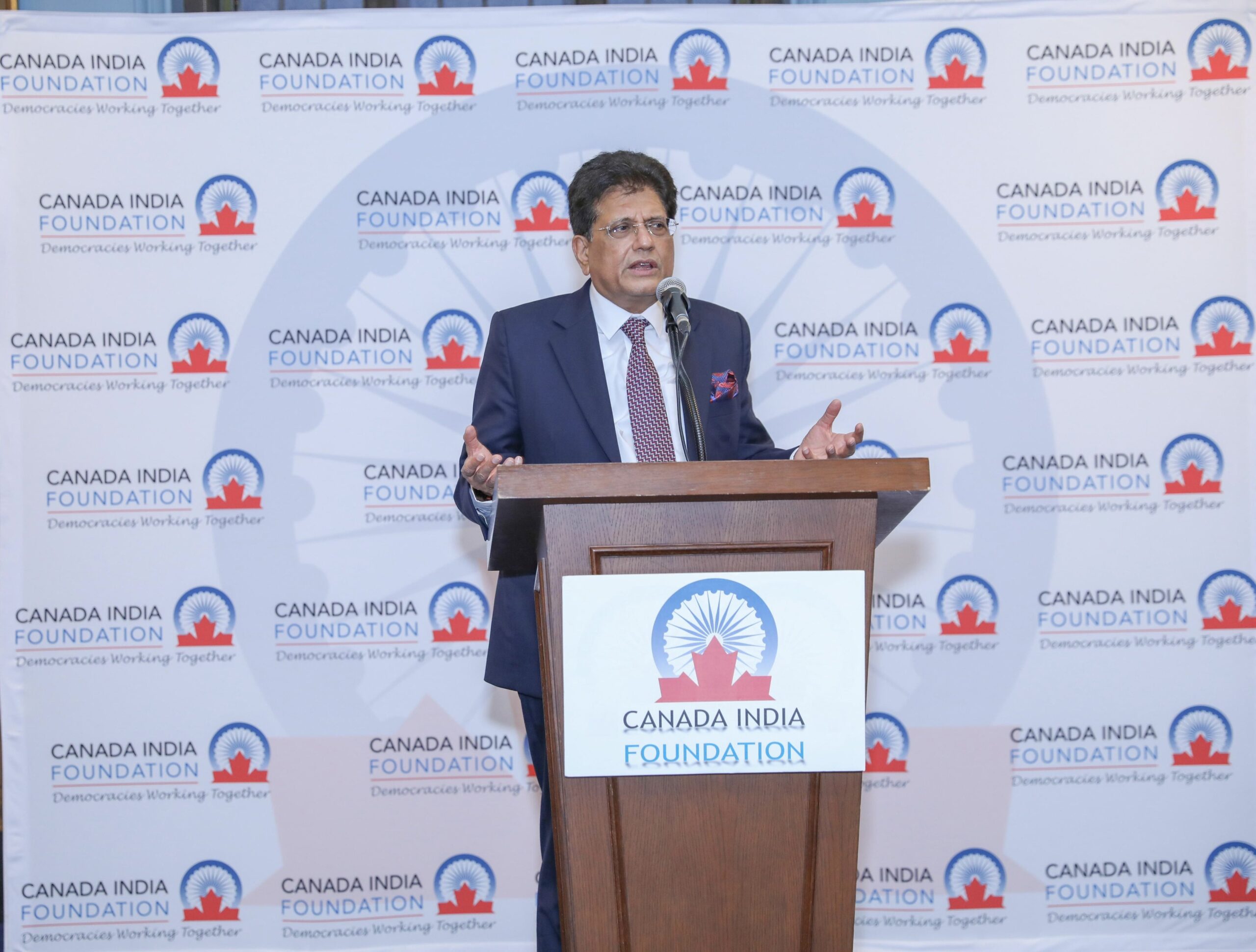
TORONTO : Union Minister of Commerce and Industry Shri Piyush Goyal concluded a highly productive and landmark three-day visit to Canada on May 28, 2026, with a packed schedule of high-impact engagements in Toronto spanning academia, innovation, government, business councils, institutional investors, and the Indian diaspora community. The engagements reinforced the sustained momentum in the India-Canada Economic Partnership and highlighted India’s emergence as a premier global destination for investment, technology collaboration, and long-term partnerships.
The day commenced with Union Minister of Commerce and Industry Shri Piyush Goyal delivering an address to faculty, researchers, and students at the prestigious Munk School of Global Affairs and Public Policy, University of Toronto — one of the world’s leading institutions for the study of international relations and public policy. Shri Goyal spoke about India’s rapid economic progress, transformative reforms, and growing global leadership under Prime Minister Shri Narendra Modi. He highlighted the immense potential for deeper engagement among academia, industry, and policymakers to further strengthen bilateral trade, investment, and people-to-people ties between India and Canada.
Shri Piyush Goyal subsequently visited the Ontario Centre of Innovation (OCI) and was briefed on its wide-ranging initiatives to promote innovation, support startups, and foster collaboration between industry, academia, and government. He also engaged in productive discussions with Canada-India Tech Connect on emerging areas of technology, including Artificial Intelligence and Quantum Computing. Addressing the gathering, Shri Goyal highlighted India’s thriving startup and innovation ecosystem and outlined how Canada can partner meaningfully in these high-growth sectors. He also underlined the vast potential for bilateral cooperation in AI, cleantech, agritech, and deep tech — sectors where both countries possess complementary strengths.
Shri Piyush Goyal held an engaging interaction with representatives of regional chambers operating in the India-Canada corridor and received constructive feedback on avenues to strengthen business collaboration and boost investment flows. He appreciated their pivotal role in enhancing trade, investment, and people-to-people ties between the two countries, and highlighted the significant opportunities emerging from the renewed momentum in bilateral relations and the ongoing CEPA negotiations.
In a significant high-level engagement, Shri Piyush Goyal called on the Hon’ble Doug Ford, Premier of Ontario, and discussed opportunities to deepen India–Ontario collaboration. The two leaders explored avenues for cooperation across manufacturing, technology, infrastructure, clean energy, food processing, and critical minerals — sectors of strategic importance to both sides — while reaffirming their commitment to strengthening bilateral trade and investment partnerships.
Shri Piyush Goyal held a productive meeting with Mr. Goldy Hyder, President and CEO of the Business Council of Canada. Discussions focused on strengthening India-Canada commercial engagement and boosting industry-led partnerships across technology, infrastructure, clean energy, critical minerals, and advanced manufacturing sectors. Both sides also exchanged views on the important role of the India-Canada CEO Forum in deepening business-to-business ties between the two nations.
Shri Piyush Goyal met Ms. Jo Taylor, President and CEO of Ontario Teachers’ Pension Plan, and discussed investment opportunities in India across infrastructure, renewables, financial services, healthcare, technology, and the digital economy. The Minister highlighted India’s strong growth potential and the significant opportunities for partnerships with Indian enterprises, including in the manufacturing sector, while supporting sustainable and inclusive growth.
Shri Piyush Goyal also met Mr. John Graham, President and CEO of CPP Investments, and held discussions on expanding long-term institutional investments into India across infrastructure, logistics, renewable energy, transportation, financial services, and digital infrastructure. He welcomed CPP Investments’ sustained confidence in India’s growth story, reflected in its significant investments across infrastructure, real estate, and financial services — demonstrating strong global trust in India’s economic fundamentals and future potential.
Shri Piyush Goyal held productive discussions with the Indian business delegation accompanying him on the visit to further strengthen India’s global economic footprint. He encouraged businesses to actively explore partnerships and investment opportunities across sectors such as clean energy, aerospace, food processing, critical minerals, infrastructure, and technology, which hold immense potential for sustainable growth and innovation. Shri Goyal emphasised that India’s growing global economic stature is opening new avenues for Indian industry worldwide and reaffirmed that the Government of India remains firmly committed to supporting enterprises in taking India’s growth story to the world.
Shri Piyush Goyal concluded his three-day visit to Canada with an engaging interaction with members of the Canada-India Foundation. He highlighted the invaluable contribution of the Indo-Canadian community in bringing the two nations closer through stronger business engagement and people-to-people ties.
Shri Piyush Goyal led the largest-ever Indian business delegation to Canada, comprising industry leaders from over 100 Indian companies, in a landmark step towards the full revival of India-Canada economic relations. The three-day visit — covering Ottawa on May 25 and Toronto from May 26–28 — aimed at advancing bilateral trade and economic ties between India and Canada, with a particular focus on accelerating the ongoing negotiations for the India-Canada Comprehensive Economic Partnership Agreement (CEPA).
With bilateral trade currently standing at approximately USD 8.5 billion, both governments remain committed to their shared and ambitious target of expanding it to USD 50 billion by 2030.
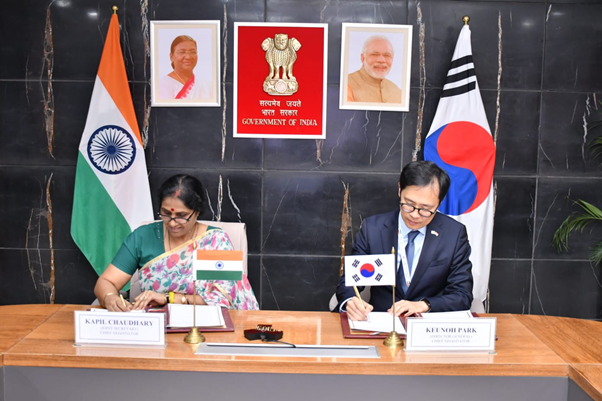
NEW DELHI : Pursuant to the Joint Declaration signed on 20 April 2026 by Union Minister of Commerce and Industry Shri Piyush Goyal and Korean Trade Minister , Ministry of Trade, Industry and Resources Mr. Yeo Han-koo during the State Visit of the President of the Republic of Korea to India, wherein both sides committed to accelerating the India-Korea Comprehensive Economic Partnership Agreement (IK CEPA) upgrade negotiations, the 12th round of IK CEPA upgrade negotiations was held in New Delhi from 25–27 May 2026.
The negotiations were co-chaired by Ms. Kapil Chaudhary, Joint Secretary, Department of Commerce, Ministry of Commerce and Industry, Government of India, and Mr. Park Geun-oh, Director General for Trade Agreement Policy, Ministry of Trade, Industry and Energy (MOTIE), Republic of Korea.
Both sides reviewed the progress achieved so far in the IK CEPA upgrade negotiations. The discussions were held in a constructive and cooperative spirit, reflecting the strong bilateral relationship and the “Futuristic Partnership” envisioned by Prime Minister Shri Narendra Modi and President of the Republic of Korea Mr. Lee Jae-myung.
Both sides acknowledged India’s bilateral trade deficit, which has risen significantly since the IK CEPA came into force in 2010, and agreed to address the issue within the overall IK CEPA framework.
During the current round, discussions were held on Trade in Goods (TiG), Trade in Services (TiS), Rules of Origin (RoO) and Origin Procedures (OP), Investment, and Sanitary and Phytosanitary (SPS) standards.
It was also decided to constitute sub-groups to discuss cooperation in the areas of digital trade, supply chain cooperation, and strategic industrial cooperation.
India and Korea reaffirmed their commitment to conclude the CEPA upgrade negotiations in a time-bound manner, with the objective of achieving a modernised and mutually beneficial agreement that supports the shared vision of balanced bilateral trade and enhanced cooperation.
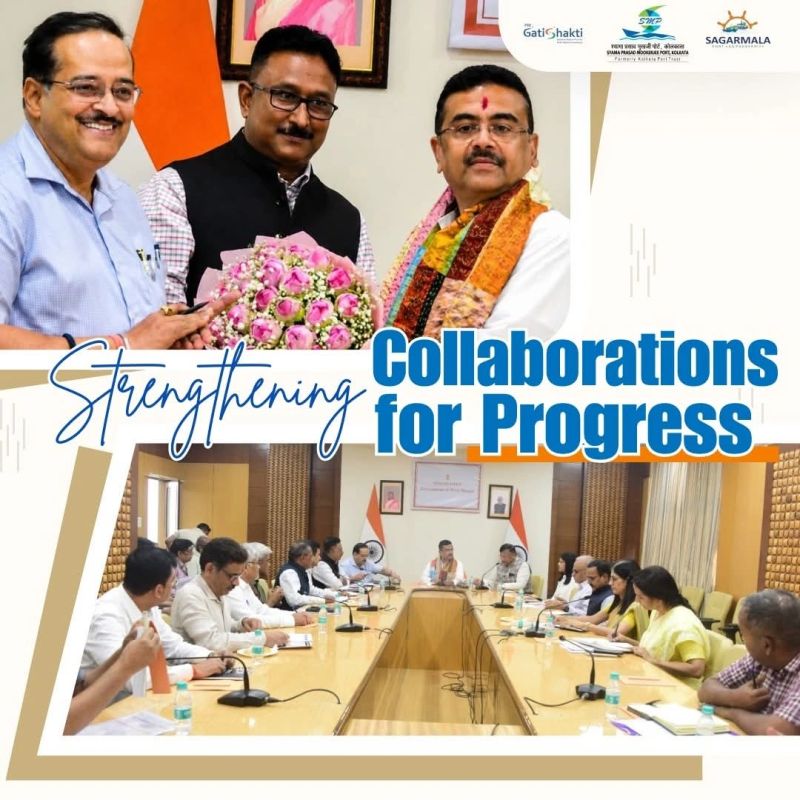
KOLKATA : Shri Rathendra Raman, Chairperson, Syama Prasad Mookerjee Port (SMP), Kolkata, called on the Hon’ble Chief Minister of West Bengal, Shri Suvendu Adhikari at Nabanna to discuss key initiatives aimed at strengthening the state’s maritime and logistics ecosystem.
The meeting focused on advancing port-led development, accelerating ongoing infrastructure projects, and exploring future expansion plans for Kolkata Dock System (KDS) and Haldia Dock Complex (HDC). Deliberations highlighted the strategic role of SMP Kolkata in enhancing cargo handling capacity, improving multimodal connectivity, and supporting industrial and trade growth across the region.
Key discussions also covered initiatives to modernize port infrastructure, promote ease of doing business, enhance operational efficiency, and unlock new opportunities in maritime logistics and inland water transport. The importance of integrated logistics planning and stronger port–industry linkages to support West Bengal’s economic development was also emphasized.
Shri Rathendra Raman briefed the Hon’ble Chief Minister on ongoing developmental works and the port’s long-term vision for sustainable growth, increased investments, and strengthened connectivity through rail, road, and waterways networks.
SMP Kolkata expressed gratitude to the Hon’ble Chief Minister for his valuable time, guidance, and continued support towards realizing the shared vision of developing world-class maritime infrastructure and positioning West Bengal as a key logistics and trade hub in eastern India.
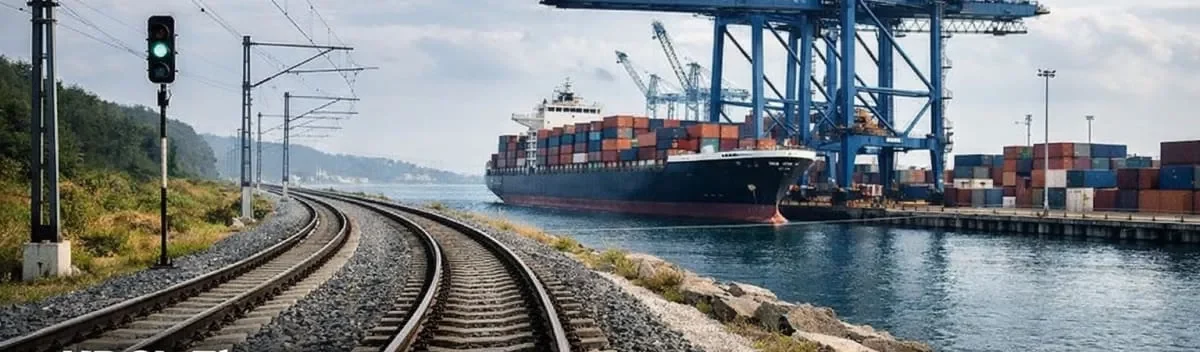
THIRUVANANTHAPURAM : Konkan Railway Corporation Limited (KRCL) has floated a tender valued at Rs 9,137.7 mn for the Vizhinjam Port rail connectivity project. The notice for the tender was issued by KRCL and invites bids for the construction of a rail link and associated works to connect the port with the national rail network. The amount represents the converted value of Rs 913.77 crore and is presented as a monetary figure in million for clarity.
The project is intended to provide dedicated rail access to Vizhinjam Port to enhance freight movement and logistical integration. The tender covers engineering, procurement and construction elements necessary to establish rail connectivity and related infrastructure, as set out in the tender documentation. The works are designed to improve the efficiency and capacity of cargo handling between the port and inland distribution centres.
Procurement documentation requires interested firms to meet technical and financial eligibility criteria and to submit detailed bids in line with the specified terms and conditions. The process includes prequalification, technical evaluation and commercial assessment before a contract is awarded. KRCL has set contractual milestones and compliance obligations that will govern performance and delivery during the construction phase.
Improved rail connectivity for Vizhinjam Port will strengthen modal shift from road to rail and will reduce transit times for bulk and container traffic, supporting regional trade and industrial activity. The project is aligned with broader infrastructure priorities to bolster port hinterland links and to promote sustainable logistics solutions. Following bid evaluation and award, KRCL will oversee implementation and monitoring until the rail link is commissioned for operational use.
Stakeholders including the port authority, state agencies and logistics operators will be engaged through the project management framework to coordinate land access, cargo operations and safety compliance. Environmental management and clearance requirements are set out in the tender documents and will form part of contract obligations during construction. Timelines for final award and mobilisation are defined in the procurement schedule and will be disclosed by KRCL as the process advances.
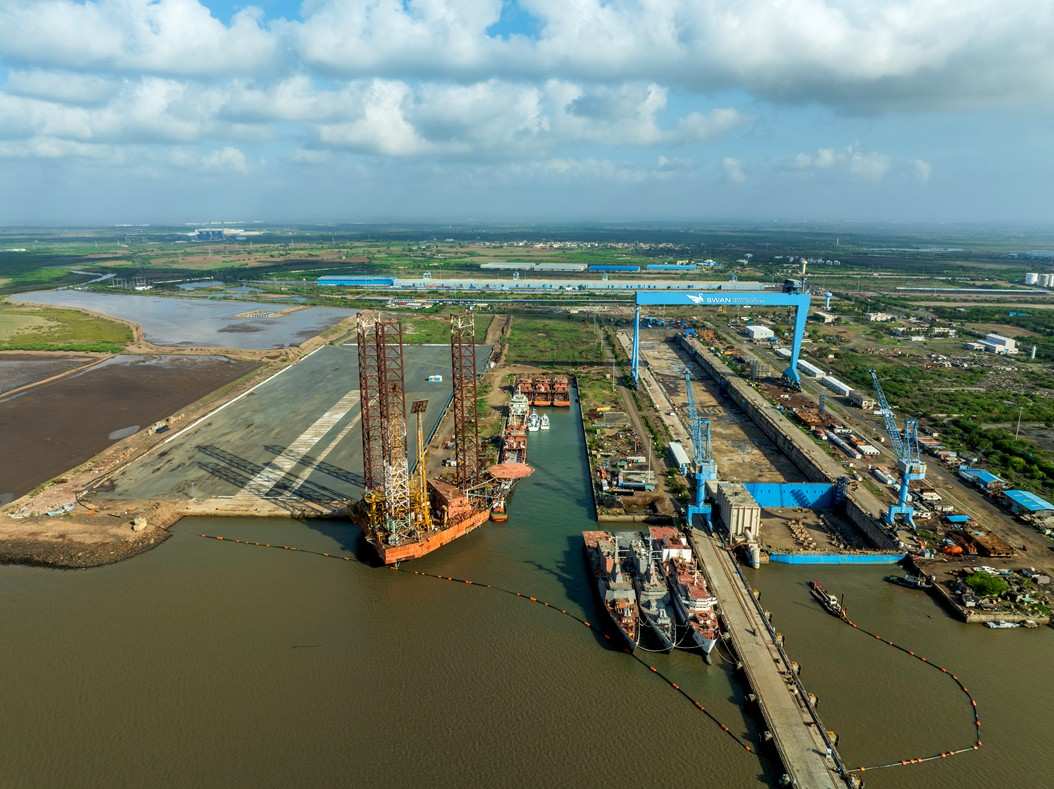
MUMBAI: Swan Defence and Heavy Industries Limited (SDHI), India’s largest shipbuilding and heavy fabrication company, has announced its audited financial results for the fiscal year ended March 31, 2026.
Key Financial Highlights for FY26
Total Income stood at ~ ₹440 Crores in FY26 vs ₹17.5 Crores in FY25, reflecting a record performance of the company under its new management.
Adjusted Profit After Tax* stood at ₹34.5 Crores, demonstrating a sharp turnaround in business operations.
(₹ in Crore)
Particular
Mar-26
Mar-25
Total Income
440
17.5
Adjusted PAT*
34.5
181.5
*Adjusted Profit After Tax is at ₹34.5 Crores, after adjusting the impact of exceptional loss on account of sale of legacy OSVs.
Key Milestones on Operational turnaround & Orderbook
Successful Closure of CIRP Resolution Plan to Strengthen Financial Position
During the year, SDHI successfully concluded its Resolution Plan under CIRP through prepayment of Committee of Creditors (CoC) obligations that were originally due in December 2026 and 2027. This milestone demonstrates management’s commitment to revitalizing India’s largest shipbuilding asset.
Landmark Newbuild Orders & Multiple Repair Projects Reflecting a Robust Business Outlook
SDHI has built a strong order book of ~$500 million through a series of historic, first-of-their-kind contracts secured by an Indian shipyard. On the commercial front, the company strengthened its leadership in next-generation green shipbuilding by securing orders for six 18,000 DWT IMO Type II chemical tankers from European shipowner Rederiet Stenersen AS, alongside four 92,500 DWT ammonia dual-fuel bulk carriers for Energy ONE Limited. Simultaneously, the yard expanded its defence footprint by securing a prestigious defence export order from the Government of the Sultanate of Oman to construct a state-of-the-art training vessel. This newbuild momentum was matched by high-velocity operational performance in the repair & refit division, which successfully executed around 20 projects, on or ahead of schedule.
Strategic Global Collaborations to Enhance Technical Capabilities
To accelerate technical capabilities and scale future opportunities, SDHI forged strategic partnerships with premier global and domestic shipbuilders, including Samsung Heavy Industries, Royal IHC, and Mazagon Dock Shipbuilders Limited. This collaborative network was further enhanced by a milestone agreement with DNV, a leading global ship classification and maritime assurance organization. Together, these synergies will drive technology integration, strict sustainability standards, digital transformation, and skill building across SDHI’s commercial, defence, offshore, and green vessel segments.
Offer for Sale to meet Minimum Public Shareholding Requirements
During the year, the promoters of SDHI successfully concluded an Offer for Sale (OFS) aggregating approximately ₹500 Crores in compliance with minimum public shareholding requirements. The OFS resulted in approximately 5% equity dilution at a valuation of around ₹10,000 Crores and witnessed participation from marquee institutional investors, further strengthening the company’s market positioning, investor base, and public participation.
Commenting on the FY26 performance, Vivek Merchant, Director of Swan Defence and Heavy Industries Limited (SDHI) said,
“FY2025–26 has been a watershed year for SDHI. Within a record 12 months, we have successfully transformed a defunct shipyard into a world-class asset, effectively unlocking a quarter of India’s total shipbuilding capacity.
Over the past year, we aggressively upgraded our infrastructure, sharpened our operational capabilities, and scaled our execution teams. At the same time, we diversified our revenue streams across newbuilds, repairs & refits, and heavy engineering.
This operational turnaround is strongly backed by structural tailwinds. Progressive government initiatives, including the revised Shipbuilding Financial Assistance Scheme (SBFAS), have significantly sharpened the cost competitiveness of Indian yards. This macro support, paired with our mega infrastructure, powered SDHI to secure several landmark commercial and defence orders this year – a clear stamp of global stakeholder confidence in our execution.
Looking ahead, we see growing momentum in the global maritime sector, supported by decarbonization and the diversification of supply chains beyond traditional shipbuilding hubs. SDHI is well-positioned to participate in these opportunities through its existing scale and infrastructure. Our focus remains on disciplined execution and building long-term capabilities to contribute to India’s growing role in global maritime manufacturing.”
NEW DELHI: Tiger Logistics (India) Limited, a leading international logistics solutions provider, reported a robust operational performance for FY26, with container volumes growing 34.5% year-on-year to 92,614 TEUs from 68,858 TEUs in FY25. Revenue of the company increased by 6.81% YoY to Rs. 572.82 crore from Rs. 536.30 crore in the previous financial year, despite persistent geopolitical uncertainties and a sluggish global trade environment.
Tiger Logistics’ continued growth amidst global supply chain disruptions highlights the resilience of its diversified business model and the company’s ability to successfully navigate evolving trade challenges over the last four quarters. During the year, global trade continued to witness volatility arising from geopolitical conflicts, tariff-related uncertainties, and fluctuating freight demand across key global markets.
Despite these headwinds, the company has continued to strengthen its operational footprint and expand its market share across strategic growth verticals through reliable execution, long-standing customer relationships, and market diversification.
The company’s key growth drivers remained the automotive, renewable energy – solar and BESS, EVs, electronics, tyres, and pharmaceutical sectors, which will continue to contribute significantly to cargo volumes across major trade corridors. Supported by deeper market penetration and sectoral diversification, Tiger Logistics expects to maintain a healthy 15–20% year-on-year growth in TEU volumes going forward.
Commenting on the company’s performance, Harpreet Singh Malhotra, CMD, Tiger Logistics stated,“We are pleased with the robust growth recorded in our TEU volumes during the year, especially amidst continuing geopolitical uncertainties and global trade disruptions. This performance reflects the strength of our sectoral diversification strategy and the agility of our business model in navigating evolving market conditions.”
“The strong momentum across our focus sectors gives us confidence that volume growth will remain robust going forward and that the future ahead for Tiger Logistics remains bright. With enhanced business acquisition and execution capabilities across integrated international logistics solutions, we continue to strengthen our footprint across emerging markets such as Sri Lanka, Colombia, Mexico, the Philippines, and the Maldives. Going forward, we remain focused on expanding global partnerships, deepening customer relationships, increasing our market share across key trade verticals, and delivering sustainable long-term growth,” he further added.
As India continues to strengthen its role in global manufacturing and trade, Tiger Logistics remains committed to delivering efficient, technology-enabled, and customer-centric logistics solutions that support evolving global supply chain requirements.
NEW DELHI: Amid rising geopolitical tensions and volatile global commodity prices, consultancy firm EY has said India needs to build larger strategic reserves of crude oil, fertilizers, rare earth materials and essential medicines to protect the economy and consumers from future global shocks.
In its latest Economy Watch May 2026 report, EY warned that the ongoing West Asia crisis has exposed India’s dependence on imported energy and critical supplies, which could directly affect fuel prices, inflation, food costs and availability of essential goods for ordinary households.
“In view of the West Asian crisis and other unfavourable economic developments, a substantial reorientation of policies may be needed,” the report said.
The report noted that India should focus on “building relatively larger reserves of crude and primary commodities where India’s import dependence and vulnerability are high.”
For consumers, this could mean better protection against sudden spikes in petrol, LPG and fertiliser prices during global conflicts or supply disruptions. Higher fertilizer costs often feed into food inflation, while expensive crude oil impacts transport costs, electricity prices and daily household expenses.
EY said India should maintain “suitable strategic reserves” of key commodities including “(1) crude oil, (2) LPG, (3) fertilizers, (4) processed and unprocessed rare earth materials, (5) basic medicines and critical medical equipment.”
The report pointed out that India’s current strategic crude oil reserves remain limited compared to major economies. According to EY, India’s crude oil inventories are sufficient for only around four to five days of domestic consumption.
“India’s strategic crude oil inventories… are sufficient for only about four to five days of domestic consumption,” the report said, while comparing it with significantly larger reserves maintained by countries such as China and Japan.
The report comes at a time when global crude oil prices have risen sharply amid tensions in West Asia. EY said average global crude prices increased to USD 103.9 per barrel in April 2026, the highest level since July 2022.
The consultancy firm also cautioned that India’s current account deficit and inflation could come under pressure if oil prices remain elevated for a prolonged period.
Beyond oil, the report highlighted the need for India to reduce dependence on vulnerable global supply chains and critical trade routes.
EY said India should continue diversifying its energy import sources and accelerate alternative trade and transport corridors such as the India-Middle East-Europe Economic Corridor (IMEC) and Indo-Pacific routes.
The report also called for faster adoption of green energy, electric vehicles and domestic energy production to reduce long-term dependence on imported fossil fuels.
“In view of the mounting pressures emanating from the West Asia crisis and the changing world trade and economic order in general, India may recast its growth strategy,” the report added.
According to EY, the current geopolitical environment shows that economic security is becoming as important as economic growth, especially for large import-dependent economies like India.