Home Blog Page 301

Saronic and LR partner to advance maritime autonomy in UK, Europe, and Australia

LONDON: Saronic on Monday announced a strategic partnership with Lloyd’s Register (LR), a leading provider of classification and compliance services for the marine and offshore industries.

This collaboration brings together Saronic’s expertise in proven autonomous maritime systems and LR’s authority in maritime standards and certifications to advance the safe, scaled deployment of maritime autonomy in the United Kingdom, Europe, and Australia.  

As governments and regulators continue to define how autonomous vessels can be safely deployed and operated across maritime environments, close collaboration between commercial industry and trusted assurance organisations is critical. This is a first-of-its-kind partnership for LR, one that involves a maritime autonomy company delivering a new class of ocean-faring vessels at speed and scale to help inform and define emerging regulatory frameworks.

Saronic and LR will work together to advance practical rules, technical standards, and guidance for maritime autonomy, pursuing opportunities for coordinated technical engagement and collaboration with relevant regulators and authorities. The partnership aims to ensure that regulatory approaches keep pace with innovation while maintaining the highest standards of safety and operational reliability at sea.

Under the partnership, Saronic will also pursue classification activities for its autonomous surface vessels (ASVs) with LR, ensuring its vessels meet rigorous safety, security, and performance standards expected by commercial operators and naval leaders alike. LR will support the verification and certification of Saronic’s systems within recognised maritime frameworks while helping to define credible classification pathways for this emerging and rapidly evolving category of maritime systems.

“Autonomy is fundamentally reshaping maritime operations, and as Saronic expands its presence across the United Kingdom, Europe, and Australia, we are excited to partner with Lloyd’s Register, a leading authority on maritime safety and sustainability,” said Dino Mavrookas, Co-Founder and CEO of Saronic Technologies. “As we work together in these key markets, we are committed to ensuring our autonomous maritime capabilities meet a high bar for safety and security while aligning technological innovation with forward-looking frameworks that build trust and confidence in the safe operation of this emerging class of vessels.”

David Lloyd, Vice-President Naval and Government Business at LR said, “Maritime autonomy is moving rapidly from concept to operational reality, creating significant opportunities across defence, security and commercial markets. As autonomous and uncrewed vessels become more capable and more widely deployed, the industry needs trusted assurance frameworks that give operators, regulators and governments confidence in their safety, reliability and performance.”

“Through this partnership with Saronic, LR is helping to shape the standards, verification pathways and regulatory approaches needed to support the safe and scalable adoption of marine autonomous vehicles.”

Saronic has rapidly scaled its operations since its founding in 2022, backed by $2.6 billion in private capital to advance autonomous maritime systems and the production capacity required to deliver them at speed and scale. This growth has been matched by Saronic’s unwavering commitment to safety, regulatory compliance, and secure operations across every platform and technology in the product portfolio.

Today’s announcement builds on the company’s ongoing work with the American Bureau of Shipping (ABS) to certify Saronic platforms and contribute to the development of safety standards for autonomous systems. The partnership with LR extends these efforts into the United Kingdom, Europe, and Australia, reinforcing Saronic’s role in enabling the responsible adoption of maritime autonomy worldwide.
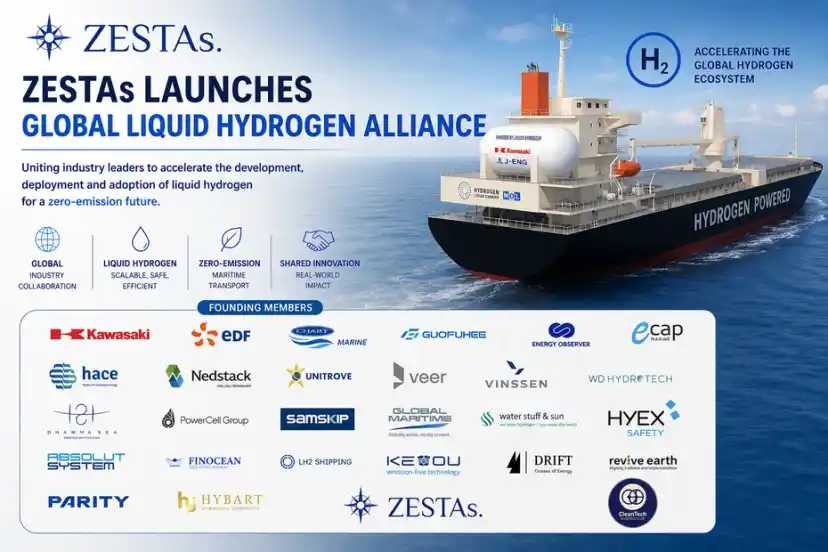
ZESTAs launches Global Liquid Hydrogen Alliance to accelerate Zero-Emission Shipping

LONDON: The Zero Emissions Ship Technology Association (ZESTAs) on Monday launched the Global Liquid Hydrogen Alliance (Alliance), a new international platform dedicated to advancing pure green hydrogen and liquid hydrogen (LH2) as a deployable, scalable, and commercially viable zero-emission fuel for international maritime shipping.

The Alliance launches as the transition moves from aspiration to deployment. At MEPC 84, the IMO’s Net Zero Framework emerged intact as the agreed basis for future negotiations, confirming that a clear global majority continues to back the world’s first globally binding carbon price for shipping. The signal is unambiguous: the regulatory direction is set, the political will is durable, and the window for first movers to shape the terms of that transition is now. Yet capital intent alone is not enough. Over 600 hydrogen project announcements globally are linked to Europe, backed by more than €175 billion in committed investment, yet projects remain fragmented, offtake is uncoordinated, and final investment decisions are stalling. The gap is not ambition. It is architecture. ZESTAs is bringing together the organisations ready to build the LH2 value chain in the real world, faster, at scale, and with credibility.

“Zero-emission shipping is already underway. The investment is moving, the regulation is coming, and the early movers are setting the terms,” said Madadh MacLaine, Alliance Co-founder and Secretary General of ZESTAs. “According to industry reports, the liquid hydrogen market reflects that momentum: valued at $9 billion today, it is projected to reach $19 billion by 2032 and exceed $54 billion from 2037 onward, with global liquefaction capacity set to more than quadruple in the same period. The Global Liquid Hydrogen Alliance exists because LH₂ needs to be at the core of that transition, at scale, not catching up to it. We’re here to do the coordination work that makes deployment happen: evidence, policy alignment, and commercial frameworks that turn LH₂ from a credible option into a bankable fuel.”

Unlike broader hydrogen initiatives focused primarily on derivatives or blended fuels, the Alliance will work exclusively on pure green hydrogen, building a neutral, transparent evidence base and driving the commercial and policy coordination needed to make the fuel bankable and operational. 

What the Global Liquid Hydrogen Alliance will deliver

The Alliance will operate as an action-focused platform built around four priorities:

  1. Build a global ground truth for LH₂
    Create a neutral, verifiable evidence base around liquid hydrogen technology, safety, logistics, costs, and performance to support policymakers, investors, ports, shipowners, and offtakers.
  2. Position LH₂ as a primary energy carrier for shipping
    Advance a clear, technically grounded argument for LH₂ as a primary zero-emission marine energy carrier, particularly for long-range, energy-dense, and globally tradable applications.
  1. Accelerate market creation and international alignment
    Support for demand aggregation, offtaker coordination, standards development, certification pathways, and aligned policy engagement across the IMO, Europe, and across key producing regions like Africa, the Caribbean, Latin America, and even on the high seas.
  1. Turn policy momentum into deployment
    Identify how LH₂ rolls out through shipping corridors, port infrastructure, vessel integration, and supply chain partnerships, including routes that reduce dependence on fossil fuel chokepoints and build energy resilience for importing nations, making the case that climate alignment and supply chain security are the same investment.

“The discussion around zero-emission fuels is now shifting from ‘if’ to ‘how fast.’ Liquid hydrogen offers one of the few scalable pathways for truly zero-emission long-range shipping, and the Alliance is intended to help accelerate the ecosystem needed to make that transition commercially viable,” said Bart Biebuyck, CEO of Hybart and Alliance Co-founder.

LH₂ is uniquely suited to long-range, high-energy-density maritime applications where other zero-emission fuels face infrastructure or scalability constraints. It is the only zero-emission maritime fuel that can be produced, stored, and transported at scale using renewable electricity, without the safety, toxicity, traceability, or land-use trade-offs associated with ammonia, methanol, or crop-based biofuels. The technology is not emerging; it has an industrial track record spanning more than six decades, with a global market currently valued at approximately US$45 billion and global liquefaction capacity of around 600 tonnes per day. Containerised LH2 transport is commercially operational today, using standard 40-foot cryogenic containers transportable by road, rail, and ship under existing regulatory frameworks, with no new infrastructure category required. 

The deployment gap is geographic and coordination-related, not technical: Europe, which is projected to account for roughly one-third of global hydrogen demand, currently has only around 30 tonnes per day of liquefaction capacity. With vessel deployments already underway and investments in bunkering infrastructure advancing in key port hubs across Europe, Asia, and the Pacific, LH2 is ready to scale. The Alliance will provide the technical evidence base, policy coordination, and commercial frameworks that convert available technology into bankable deployment.

“Maritime navigation has the potential to become one of the leading sectors in the adoption of hydrogen technologies,” said Karima El Kmiti, from Dhamma Sea. “Real-world projects are already demonstrating that hydrogen is a viable solution for maritime decarbonisation and the future of cleaner mobility.”

Join the Global Liquid Hydrogen Alliance

The Alliance is open to companies across the value chain, including shipowners, ports, hydrogen producers, technology developers, classification and safety stakeholders, infrastructure developers, cargo interests, investors, and public-sector partners, united by a shared focus on making LH₂ bankable and deployable now.

ZESTAs is inviting organisations to join as Founding Members and help shape the frameworks, evidence base, and deployment pathways that will define this fuel’s role in zero-emission shipping.

ICHCA once more hosts the Safety Village at TOC Europe

LONDON: The Safety Village provides the ideal opportunity for industry professionals and technical innovators to come together and share their combined knowledge and experience to help advance the cause of safety in handling cargo around the world. 

Speakers featuring in the free to attend sessions at the Safety Village theatre over the two days will address important issues, uncovering common safety concerns, matching such problems with innovative solutions and giving a comprehensive safety platform for the transport and logistics industry.

Among the thirty-plus speakers from organisations including: Kalmar, Global Shippers Forum, Mi-Jack, the Lifting Equipment Engineers Association (LEEA), the Baltic Ports Organisation, SICK AG, NCB Hazcheck, TT Club, APMT Terminals, Waves Group and Haskoning among many others. 

“Creating a safe working environment at ports and cargo handling facilities is crucial to the success and long term sustainability of our industry. This goal remains ICHCA’s founding mission,” comments Richard Steele, CEO of ICHCA. “Communicating clearly and effectively a shared vision of continuous improvement which is integrated across the overall business strategy is essential. Through our Safety Village sessions we are focusing on the opportunities and ideas that are happening right now, the types of thinking that can support organisations in that ongoing improvement. We encourage anyone and everyone who are safety conscious and visiting TOC this week to participate in the unique information hub; the Safety Village Stand D10.”

The Village also forms a key part of ICHCA and TT’s year-round innovation in safety campaign that includes the well-established annual Innovation in Safety Award process that attracts a cross-industry plethora new ideas culminating in the award presentations in February each year. Entries for the 2026 awards will open in September.

Helm Operations receives US Coast Guard Recognition for Digital Logbook Solution

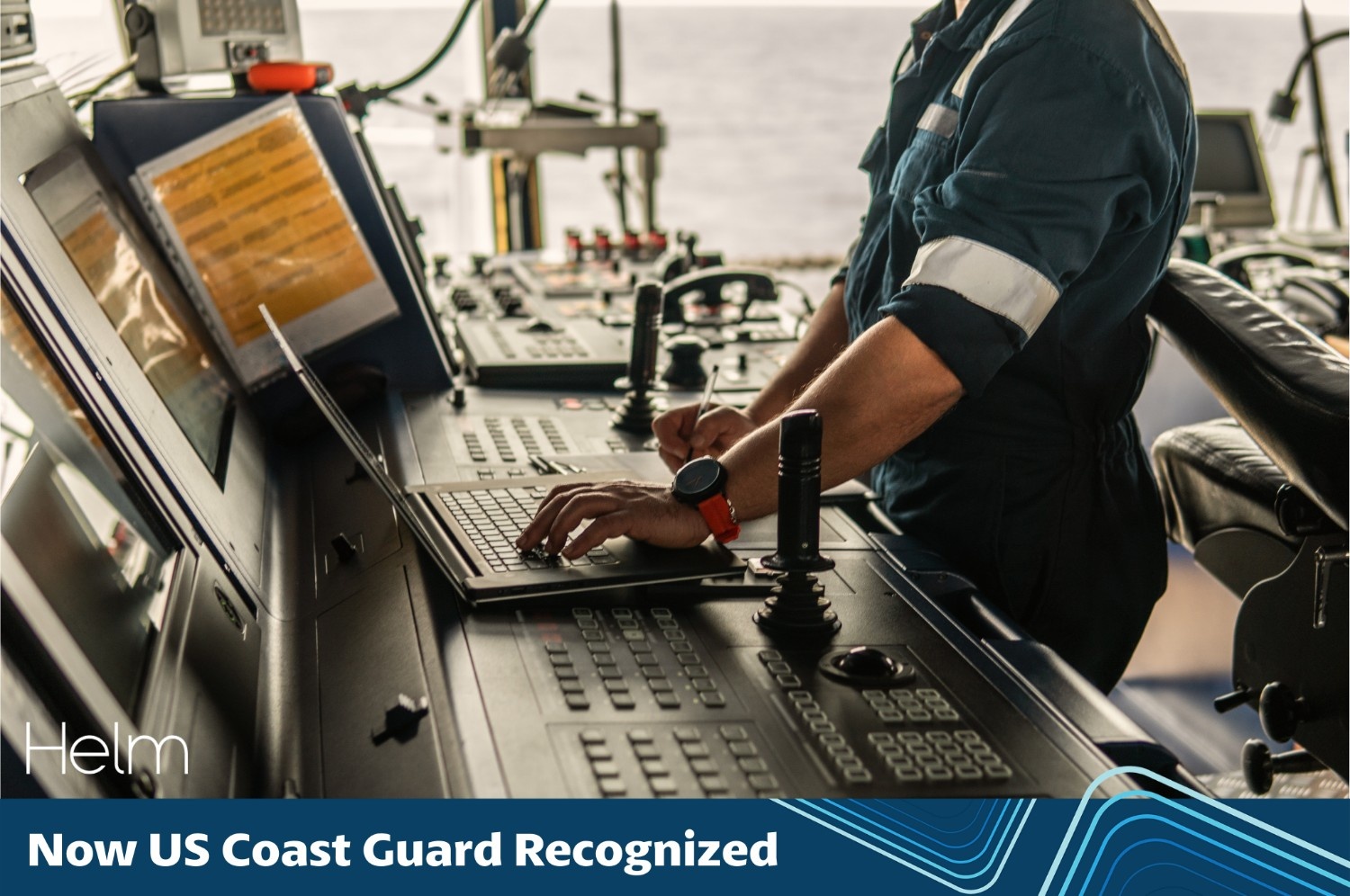
VICTORIA, BC: Helm Operations, a market leader in fleet management software for the maritime industry, Monday announced that Helm CONNECT Logbook has received official recognition from the United States Coast Guard (USCG). The recognition confirms that Helm CONNECT’s digital Logbook meets federal standards for commercial vessel record keeping, giving US operators a fully accepted alternative to traditional paper logs.

The announcement marks a significant milestone for the commercial maritime industry, where paper-based logs have long been the norm despite the inefficiencies they create for vessel crews, shore-based teams, and compliance personnel.

“This recognition reflects years of close collaboration with our customers and a deep commitment to building software that meets the real-world demands of commercial vessel operations,” said James Wadsworth, CEO, Helm Operations. “For US operators, this removes the last barrier to going fully digital — and we’re proud to be the solution they can trust to get them there.”

Connecting Vessel and Shore in Real Time Helm CONNECT Logbook replaces paper-based record keeping with a digital solution that gives vessel crews and shore teams access to the same accurate, up-to-date information at all times.

Events logged on the vessel are immediately available to dispatchers, compliance managers, and operations leaders back at the office — eliminating the delays, transcription errors, and communication gaps that paper logs create.

Helm CONNECT Logbook is part of the broader Helm CONNECT Logistics module, which centralizes vessel operations including dispatching, job tracking, and billing on a single platform used by commercial operators across North America and beyond.

Berg Propulsion sets electric tug milestone in Türkiye with strongest bollard pull to date

HONO (SWEDEN): Berg Propulsion has been contracted to supply the propulsion and control systems for four diesel-electric, firefighting offshore support tugs which will be the most powerful vessels of their type ever built in Türkiye.

The vessels have been ordered by Smit Lamnalco from builder Uzmar Shipyard and will initially operate in French Guyana, with Berg due to deliver equipment for the first in the series in November 2026. All four tugs will feature bollard pull (bp) capacities exceeding 130 tonnes – remarkable for vessels using this high efficiency solution, and a step up from the largest tugs built by Uzmar to date which feature hybrid-electric propulsion also from Berg.

Built to Canadian naval architect Robert Allan Limited’s (RAL’s) RAmpage 6000-DE design, each 60m length tug will feature twin 4,000kW electric motors. Berg’s propulsive package will include two MTA836 Z drive fixed-pitch azimuth thrusters and two MTT216 controllable-pitch bow thrusters, alongside an MPC800 control system.

“This contract is huge in scope and significant for its commercial and technical impact,” comments Mustafa Müslüm, Managing Director, Berg Propulsion Eurasia. “Following on from earlier projects, we are delighted to work with Uzmar once more on this high-power tug order, and especially on an assignment which involves such an extensive package from Berg.”

With equipment for the last of the Bureau Veritas-classed vessels due delivery by July 2027, the new order consolidates Berg’s presence in Türkiye, which has become a construction hub for tug innovation.

UZMAR Group of Companies President and CEO A. Noyan ALTUG comments: “At UZMAR, we continue to lead the way in innovative tugboat construction, delivering advanced dual-fuel, methanol, diesel-electric and battery-supported solutions tailored for the evolving needs of global ports and terminals. This diesel-electric project demonstrates our capability to combine high bollard pull performance with efficiency, lower emissions, and operational flexibility.

“We are proud to collaborate with Smit Lamnalco on this important project. Together, we are setting new benchmarks in sustainability, performance, and reliability, reinforcing UZMAR’s position as a global leader in next-generation tug design and construction.”

Adopting a 100%-electric powertrain brings particular benefits for operational responsiveness, Müslüm notes: “Diesel engines are optimized for efficiency at specific ratings and there are limits on flexibility. The all-electric setup provides full torque at any speed. For this reason, many tug owners have come to prefer propulsion systems that are hybrid- or fully-electric.

“In addition, when power needs are high, tugboats lack the onboard space for the larger diesel engines required – which makes compact multi-genset configurations a more practical choice.”

The latest order is significant for Berg’s growing reputation as a provider of tug propulsion solutions for other reasons, he adds. “Rather than producing multiple tugboats rated at 70-80 tonnes bp, the sector is opting for fewer vessels with greater bp capacity per tug. There’s rising demand for higher bp capacity and this trend will continue. The experience we’ve gained through our collaborations with Uzmar is putting us in a strong position to provide the power these operators require.”

KR Publishes ‘Numerical Calculation Guidelines for the Determination of the Attained EEDI’ in collaboration with HD Hyundai Heavy Industries and Samsung Heavy Industries

BUSAN: Korean Register(KR) has published the ‘Numerical Calculation Guidelines for the Determination of the Attained EEDI, developed through a joint research initiative with HD Hyundai Heavy Industries(HD HHI) and Samsung Heavy Industries(SHI).

The guidelines establish a standardized methodology for numerical analysis based on Computational Fluid Dynamics (CFD), providing an alternative to the conventional physical model testing previously used to verify vessel energy efficiency.

As the International Maritime Organization (IMO) continues to tighten greenhouse gas reduction regulations, the shipbuilding industry has been actively adopting a range of energy-saving technologies, including air lubrication systems and wind-assisted propulsion systems, to improve energy efficiency and reduce carbon emissions.

Historically, demonstrating the energy-saving performance of such technologies required physical model testing using scaled vessel models in large towing tanks or wind tunnels, resulting in significant time and cost burdens.

In contrast, CFD-based numerical analysis, which uses computer simulations to precisely calculate the flow of water and air around a hull, has emerged as a promising alternative.  However, differences in analysis conditions and simulation settings can lead to variations in results, highlighting the need for objective and consistent verification standards.

The newly published guidelines systematize the procedure for determining the EEDI reference speed (Vref) using CFD-based numerical calculations into three stages: qualification; validation and calibration; and main computation. The guidelines also clearly define analysis methodologies and reporting standards to ensure the reliability and reproducibility of results.

Of particular significance is the inclusion of detailed modeling requirements and classification verification criteria for evaluating the performance of air lubrication and wind-assisted propulsion systems, areas not yet fully addressed in the guidelines of either the IMO or the International Association of Classification Societies (IACS).

The guidelines were developed in collaboration with two of Korea’s leading shipbuilders, HD HHI and SHI, incorporating practical design experience and validated performance data from actual ship design and engineering practices. This is expected to enhance the efficiency of the classification approval process and contribute to reducing design and analysis lead times at shipyards.

KR Executive Vice President, Kim Daeheon commented: “Through this joint development, we have established an advanced technical standard that enables the maritime industry to proactively respond to international regulatory requirements. We will continue to expand our technical support to strengthen the shipbuilding industry’s digital engineering capabilities and lead the market for environmentally friendly vessels.”

The guidelines are available to customers through KR’s technical support services.

ABB to power two coastal hydrographic vessels for Spanish Navy

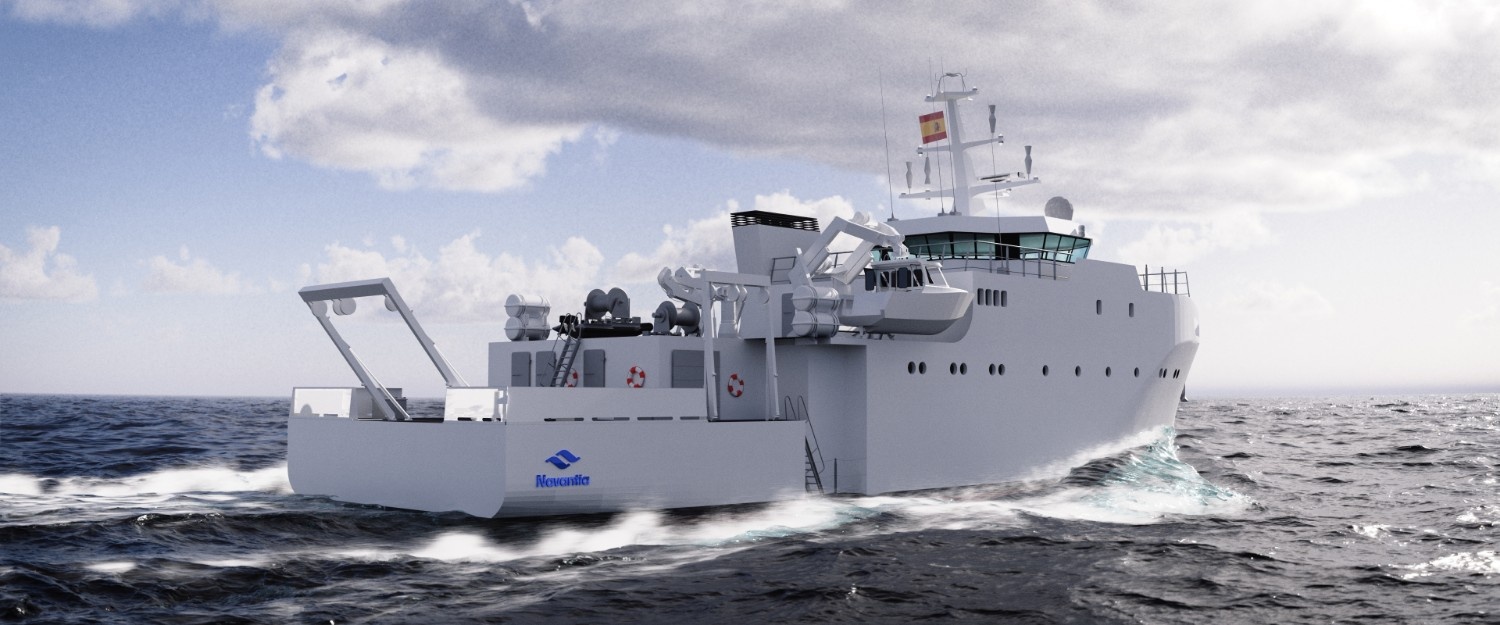
CADIZ (SPAIN): ABB has secured a contract with Spanish state-owned shipbuilding and design company Navantia to supply two forthcoming Spanish Navy coastal hydrographic vessels (BHC) with a complete DC-based power distribution and propulsion system.

Scheduled for delivery by 2028, the new vessels will play a critical role in mapping and studying Spain’s coastal waters, contributing to national defense, environmental monitoring, and maritime safety. ABB’s integrated scope of supply – comprising Onboard DC Grid™ with PEMS™ power and energy management system, transformers, thruster motors, and batteries – will optimize the vessels’ energy efficiency and operational flexibility while minimizing fuel consumption and emissions. As part of the project, ABB will also handle all system integration processes including engineering, testing, and commissioning for the ABB scope.

Onboard DC Grid™ is a compact and lightweight modular power system platform ideally suited to specialized vessels operating in complex environments. Highly configurable, it supports the simplest to the most demanding applications in the low- to mid-power range, while its best-in-class fault tolerance maximizes safety and reliability of the new vessels. In combination with ABB’s PEMS™ power and energy management system, Onboard DC Grid™ will optimize the hydrographic vessels’ total power resources including variable speed generators, energy storage systems and easy integration of future energy sources.

“ABB has shown to be a dependable and capable technology partner over our two previous collaborations involving the Spanish Navy. This collaboration will enhance the new hydrographic vessels performance and energy efficiency,” commented Alberto Cervantes, Director of Corvettes and Maritime Action Ships Business, Navantia. “The forthcoming coastal hydrographic vessels will operate in demanding environments, where the energy efficiency, reliability and flexibility of ABB’s Onboard DC Grid™ will prove invaluable.”

“We are honored that Navantia and the Spanish Navy have once again chosen ABB’s power solution for these two new coastal hydrographic vessels,” said Sindre Satre, Business Line Manager, Coast Guard and Navy, ABB’s Marine & Ports division. “We look forward to taking the next step in our partnership with both parties as we collaborate on this exciting project, which underscores our dedication to advancing naval innovation through electrification and digitalization.” 

In May 2023, ABB won a breakthrough order with Navantia to retrofit the Spanish Navy flagship, Juan Carlos I, with an electric propulsion system including two Azipod® units. Later that year, it secured a second contract with the shipyard to supply a complete DC-based power and distribution system to Poseidon, a Spanish Navy for submarine rescue and other subaquatic interventions (BAM-IS).

A trusted supplier and integrator of first-class power and propulsion technology, ABB is growing its presence in the coast guard and naval market. ABB’s recent orders in this segment include contracts for the Canadian Coast Guard and Finnish Border Guard as well as for German, Spanish, Dutch and Belgian navies. 

PM Modi pitches bold investment vision to Europe’s top CEOs at historic ERT roundtable in Gothenburg

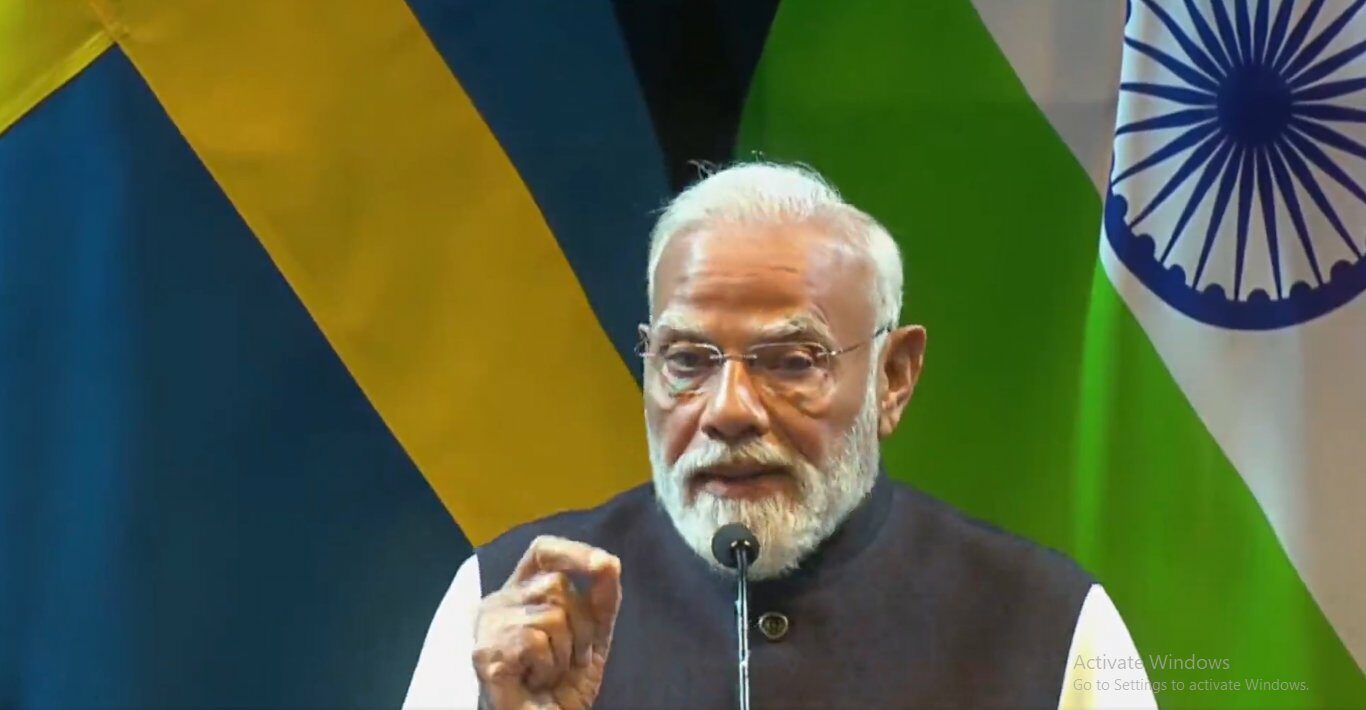
GOTHENBERG (SWEDEN): In a packed evening session bringing together some of Europe’s most influential corporate leaders, Prime Minister Shri Narendra Modi addressed the European Round Table for Industry (ERT) and urged companies to invest in India.

Held on the evening of May 17 in Gothenburg, Sweden’s industrial hub and a symbol of European manufacturing strength, the high-level roundtable saw the Prime Minister speak before senior executives representing some of Europe’s largest corporations.

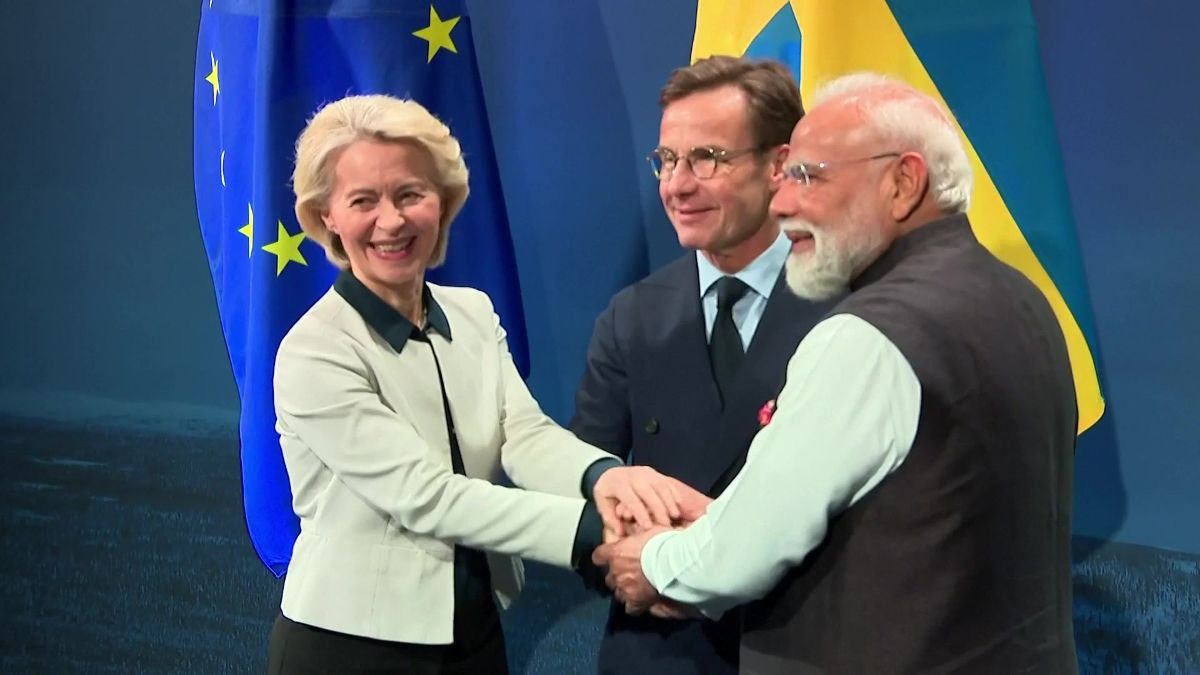
The event, co-hosted by Swedish Prime Minister Ulf Kristersson and European Commission President Ursula von der Leyen, marked one of the most significant diplomatic and business engagements between India and Europe in recent years.

The ERT session brought together leading companies from sectors including telecom, technology, energy, infrastructure, healthcare and manufacturing. Representatives from firms such as Vodafone, Ericsson, Nokia, Orange, ASML, SAP, Capgemini, Shell, Volvo Group, Maersk, Airbus, AstraZeneca, Roche, Nestle and Unilever were among those present.

During the session, Prime Minister Modi outlined a five-sector framework for deeper India-Europe industrial collaboration and called on every company present to make a new commitment to India within the next five years. He spoke about India’s reform journey, the recently concluded India-EU Free Trade Agreement, described as the “Mother of all Deals”, and the structural advantages India offers to global businesses.

The five priority sectors identified for partnership included telecom and digital infrastructure, AI and semiconductors, green transition and clean energy, infrastructure and mobility, and healthcare and life sciences.

The Prime Minister also proposed several institutional mechanisms to strengthen the India-Europe business relationship, including an annual India-Europe CEO Roundtable, sector-specific working groups to accelerate cooperation in priority sectors, an ERT India Desk or India Action Group to assist companies operating in India and support new entrants, and government-backed institutional reviews of flagship projects to ensure timely delivery. Emphasising India’s commitment to supporting investors, the Prime Minister said the government would back every major project identified through these collaborations.

The Gothenburg meeting came amid several major India-EU developments, including the conclusion of the India-EU Free Trade Agreement, a new Security and Defence Partnership, a Mobility Agreement and ongoing cooperation through the India-EU Trade and Technology Council.

Highlighting India’s economic progress, the Prime Minister pointed to the country’s position as the world’s fastest-growing major economy, home to 1.4 billion people and the world’s third-largest startup ecosystem. He also referred to major reforms undertaken over the past twelve years, including GST implementation, insolvency reforms, corporate tax reductions, Production Linked Incentive schemes, FDI liberalisation and a reduction in regulatory compliance.

The European Round Table for Industry (ERT) is a forum comprising around 55 Chief Executives and Chairpersons of major European multinational companies across industrial and technological sectors. It is regarded as one of Europe’s most influential business bodies and regularly engages with European Union institutions and member state governments on economic policy matters.

Source: ANI

India-EU cooperation can bring stability to an unstable world: EU Commission President Ursula von der Leyen

GOTHENBURG (SWEDEN): European Commission President Ursula von der Leyen on Saturday stressed that cooperation between India and the European Union can help bring stability to an increasingly unstable world and ensure greater security for citizens.

Speaking at the European Round Table hosted by Volvo in Sweden, alongside Prime Minister Shri Narendra Modi and Swedish PM Ulf Kristersson, von der Leyen highlighted the growing India-EU partnership across trade, security, technology and space cooperation.

Referring to the India-EU Free Trade Agreement, the European Commission President said that in January this year, both sides had signed the “mother of all deals” and also strengthened cooperation in security and defence through a new partnership.

She noted that the first EU-India security and defence dialogue held in New Delhi marked a significant step forward, adding that both sides are deepening cooperation in maritime security and will hold joint EU-India naval exercises. She further said that India and the EU will work together to counter cyber threats, protect critical infrastructure and enhance information sharing.

“In January, we not only signed the mother of all deals, but we also moved closer on security and defence, on which we signed our partnership. With the first EU-India security and defence dialogue in New Delhi, we continue to deepen the cooperation, particularly on maritime security, where we will hold joint EU-India naval exercises. We will also work together in encountering cyber threats, protecting our critical infrastructure, and generally increasing our information sharing. Our cooperation can help bring stability to an unstable world and provide security to our citizens,” said the EU Commission President.

Von der Leyen also underlined the importance of the EU-India Trade and Technology Council, saying it is paving the way for stronger collaboration in areas such as AI governance, semiconductors, resilient supply chains and interoperability of digital systems. She added that these issues would be discussed further during the next council meeting scheduled for July.

“Our EU-India Trade and Technology Council is already showing the way forward. Under its umbrella, we are aligning our AI governance, we’re working together on semiconductors, we’re strengthening the resilience of our supply chains, and we are ensuring interoperability between our digital systems. We will discuss these topics at the next meeting in July… we are shooting for the stars as we work to explore new frontiers in our EU-India space dialogue,” von der Leyen said.

She also lauded Sweden as home to mainland Europe’s only space base and said the evolving EU-India partnership presents historic opportunities that both sides are determined to seize.

She said, “Again, Sweden is showing the way as the home of mainland Europe’s only space base. India is already shooting for the moon with your successful landing there. Our work together in space will help strengthen not only our security, but of course also our prosperity. All in all, this dynamic new era in EU-India relations opens historic opportunities, and we are determined to seize them.”

Source: ANI

PM Modi’s visit marks milestone in India-Sweden ties; bilateral trade may double sooner than expected: Swedish PM Kristersson

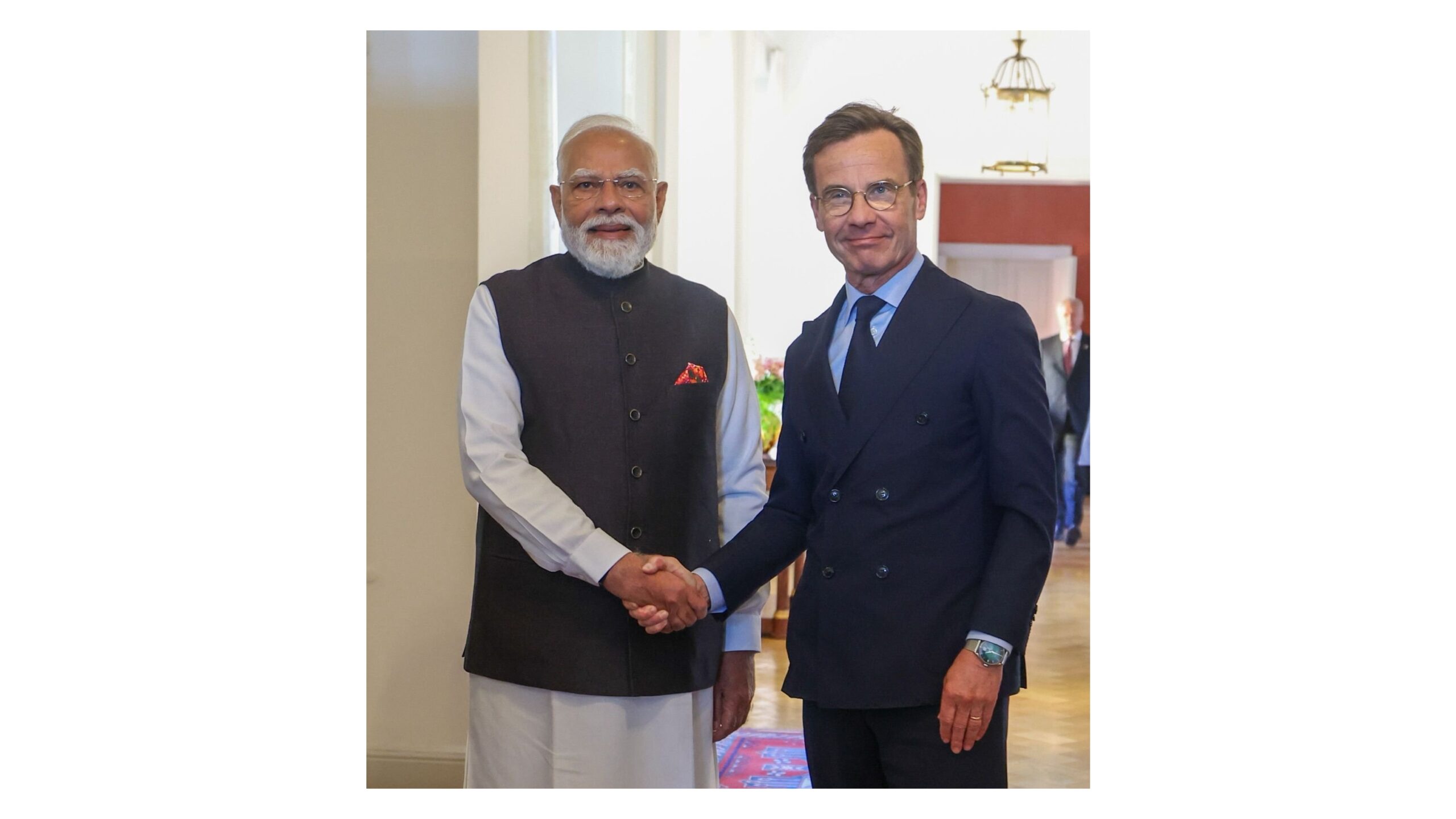
GOTHENBERG (SWEDEN): Swedish Prime Minister Ulf Kristersson on Sunday said that Prime Minister Shri Narendra Modi‘s visit to Sweden marks another milestone in India-Sweden relations, while emphasising the shared ambition to significantly deepen economic and strategic cooperation between India and Europe.

Addressing the European CEO Round Table hosted by Volvo Group, Kristersson said the European Union, Sweden and India recognise the immense potential of stronger partnerships at a time when the world remains increasingly complex and unpredictable. Highlighting growing economic cooperation, the Kristersson said both countries share the ambition of doubling bilateral trade and investment within the next five years.

“The European Union, Sweden and India, all recognise the immense potential that lies in deepening our partnership, not least when the world is as complicated and unpredictable as it obviously is today. PM Modi, your visit marks another milestone in the history of India-Sweden relations… We have a joint ambition to double our bilateral trade and investments within five years. With the current speed, I actually believe it could become a reality even sooner,” the Swedish PM said.

Highlighting growing economic cooperation, the Swedish Prime Minister said both countries share the ambition of doubling bilateral trade and investment within the next five years. Kristersson also praised the recently concluded India-European Union Free Trade Agreement, crediting Prime Minister Modi and European Commission President Ursula von der Leyen for their leadership in finalising the deal.

“The decisive conclusion of the India-EU FTA is largely due to the foresight, the determination and the personal leadership of PM Modi and President von der Leyen… I regard this FTA not as the end of the road, but the beginning of a new journey… Prime Minister Modi, I know the year 2047 holds a special meaning in India…you have laid out a clear vision for this occasion. Viksit Bharat, Sweden and the entire European Union will be India’s partners on this journey all the way to 2047 and beyond,” he said.

PM Modi is in Sweden currently, which is the third leg of his five-nation tour. He will later head to Norway on May 18.