Home Blog Page 300

DBGT achieves major milestone with successful handling of mainline vessel M.V. MSC Marianna at Tuticorin

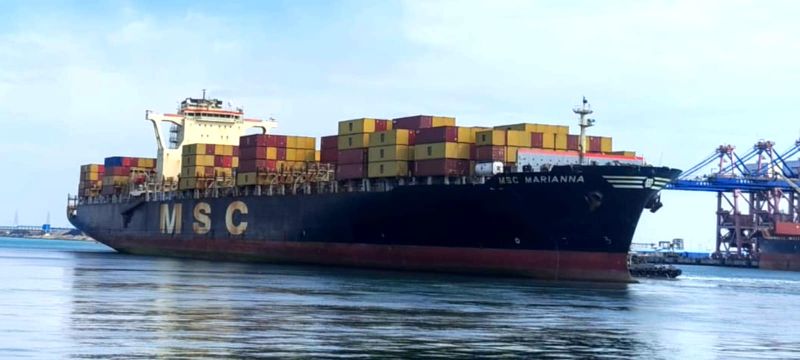
TUTICORIN : Dakshin Bharat Gateway Terminal (DBGT) has achieved another significant operational milestone with the successful handling of the ad hoc mainline container vessel M.V. MSC Marianna, which berthed at the terminal on 17 May 2026.

Measuring an impressive 304 metres in Length Overall (LOA) and boasting a carrying capacity of 6,724 TEUs, the vessel’s arrival from Veracruz, Mexico, highlights DBGT’s growing capability to efficiently accommodate and manage large mainline container vessels, reinforcing its role in India’s evolving maritime and logistics landscape.

The successful handling of M.V. MSC Marianna marks a strong endorsement of DBGT’s operational readiness, marine infrastructure and vessel management expertise. It further strengthens Tuticorin’s emergence as a strategic gateway for international trade and global shipping connectivity.

DBGT attributed this achievement to the unwavering support, strategic guidance and infrastructure facilitation provided by the V.O. Chidambaranar Port Authority, whose continued commitment to port modernization and operational excellence has played a pivotal role in enhancing the port’s competitiveness and attractiveness to global shipping lines.

The terminal also acknowledged the continued confidence placed by MSC Liner, whose decision to re-route mainline mega vessels to DBGT represents a significant development in strengthening the terminal’s international network, cargo potential and connectivity with key global trade routes.

The successful call of the vessel reflects the growing trust of major global shipping operators in DBGT’s ability to deliver seamless, safe and efficient port operations while handling increasingly larger vessels and cargo volumes.

DBGT extended its appreciation to the EXIM trade community, shipping fraternity and logistics stakeholders for their sustained trust, collaboration and partnership, which continue to contribute to the terminal’s operational growth and market positioning.

Special recognition was also given to Team DBGT, whose operational discipline, planning precision and execution excellence ensured the safe and efficient handling of the vessel, further setting benchmarks in large vessel operations.

With a continued focus on infrastructure capability, service reliability and operational efficiency, Dakshin Bharat Gateway Terminal remains committed to strengthening Tuticorin’s position as a preferred hub for global shipping, container trade and integrated logistics services.

Arkas Line, represented by Parekh Marine Services Pvt. Ltd. proudly announces 3 consecutive block trains of reefers from 3 different locations

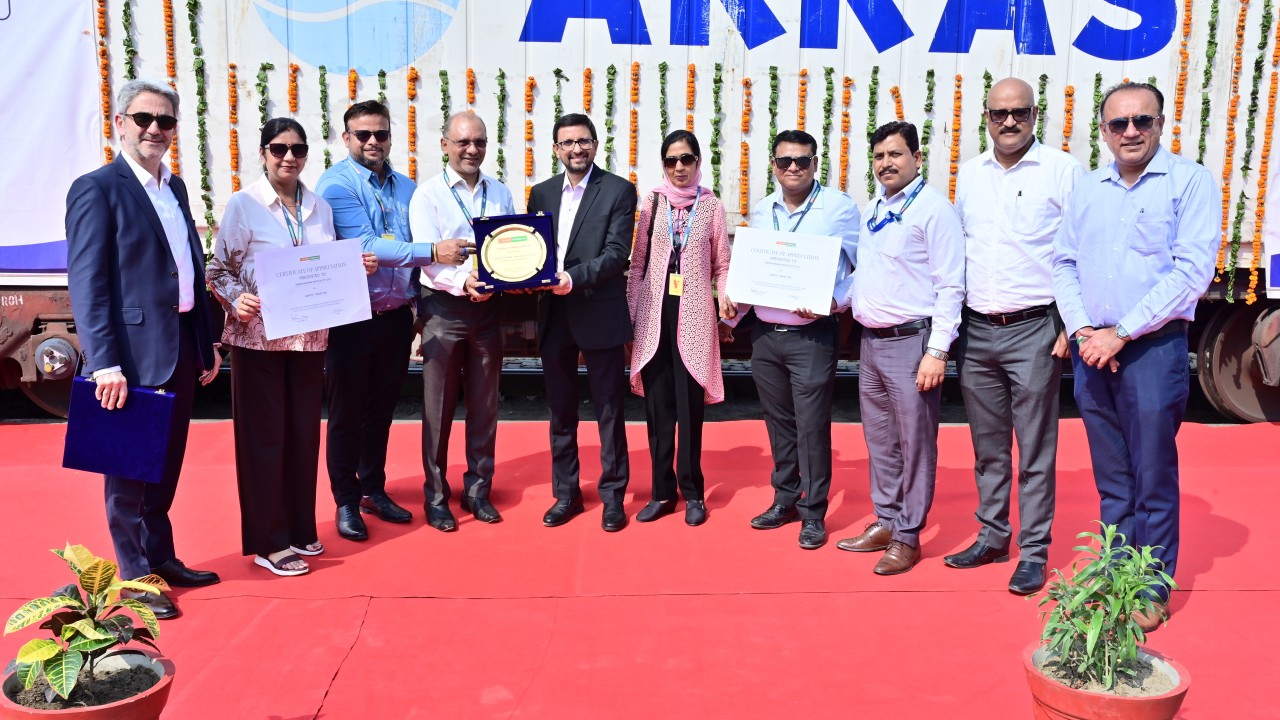
MUMBAI : Arkas Line, represented by Parekh Marine Services Pvt. Ltd., successfully flagged off 3 reefer block train movements from key inland locations including ICD Panki Kanpur – 8 May, MMLP Dadri – 9 May and ICD Palwal – 11 May, further strengthening India’s temperature-controlled logistics and multimodal connectivity network. These trains are the first in its category to have been railed out from 3 different locations on 3 working days consecutively.

The series of flag-off movements marked significant milestones in refrigerated cargo transportation and seamless EXIM connectivity through integrated rail and port logistics operations.

On 8th May 2026, the first reefer block train of ICD Panki, carrying 43 containers (2 powerpacks) was flagged off from ICD Panki, Kanpur Logistics Park to Nhava Sheva in association with Pristine Mega Logistics Park Pvt. Ltd. Through this movement in refrigerated containers under controlled temperature conditions, highlighting the reefer cargo handling capabilities of the Arkas Line (Parekh Group) and reinforcing the importance of integrated cold chain infrastructure.

On 9th May 2026, the First Arkas Line Reefer Block Train was flagged off from Multi-Modal Logistics Park (MMLP) Dadri to JNPT (Nhava Sheva), Mumbai in association with CONCOR. Operated via the Western Dedicated Freight Corridor (WDFC), the dedicated reefer rail service strengthened seamless EXIM connectivity for perishable cargo by enabling faster, more reliable, and sustainable transportation solutions. To support the trade and continuation of success, last year on 16th August, Arkas (Line) had successfully flagged of double stack reefer block train from Dadri to Mundra too.

Further continuing this momentum, on 11th May 2026, the first reefer block train from ICD Palwal to MDPT(Mundra Port) was flagged off in association with Hind Terminal Pvt. Ltd., marking another important milestone in enhancing refrigerated cargo transportation and strengthening cold chain connectivity through coordinated rail and vessel operations.

These successful operations reflect reefer customer’s trust and belief in Arkas Line (Parekh Group), a strong coordination between rail movement, reefer cargo handling, ICD infrastructure, vessel planning and port connectivity to ensure timely and seamless cargo movement from inland locations to gateway ports.

The initiatives further reinforce the shared commitment of Arkas Line and Parekh Marine towards operational excellence, dependable logistics solutions, greener transportation and strengthening India’s evolving cold chain and multimodal logistics ecosystem.

To grace this successful event Country Head Mr. Tumay Ulutas (Arkas Line), Mr. Kaushik Datta sharma (CEO – Liner Division), Mr. Jayesh Vaidya (VP- Arkas Line, Parekh Group) & Mr. Rajat Pathak (Regional Head North India – Parekh group) were present.

India taps Oman to rescue $11.8 billion food exports to West Asia

NEW DELHI : Amid the prolonged conflict rattling West Asia, India is looking to Oman for continuation of its vital trade in essential foods — such as rice, meat, poultry, dairy, fruits and vegetables — with the broader region by routing shipments through Omani ports and land routes, avoiding high-risk maritime zones.

“With the Strait of Hormuz in a state of inactivity effectively blocking India’s traditional trade arteries with West Asia, New Delhi is actively exploring logistical alternatives to continue its agricultural sector exports to West Asia, estimated at about $11.8 billion annually. Oman is emerging as an effective option in India’s rerouting strategy,” a source tracking the matter told businessline.

Last week, the Agricultural and Processed Food Products Export Development Authority (APEDA) held discussions with a visiting Omani high level trade delegation, to hammer out the operational mechanics of securing the alternative pathway.

Source : BL

Hapag-Lloyd launches “Shefarer Program” to promote women at sea

HAMBURG: Hapag-Lloyd is launching its new Shefarer Program to sustainably increase the proportion of women in the maritime industry. Together with its partners Jebsen PTC, Anglo-Eastern Ship Management (Germany) GmbH and Marlow Navigation Co. Ltd, the company has agreed on measures to attract more women to careers at sea and to provide targeted support for their development on board.

A key element of the program is the promotion of young talent. Going forward, at least 20 percent of new trainee intakes are to be female cadets. This target will also apply to the international crew pipeline, particularly for young Filipino talent.

Another important component of the program is the introduction of selected Shefarer vessels. On these vessels, several women seafarers will be deployed together across different functions and ranks. The aim is to ensure that women on board are not perceived as exceptions, but as a natural part of the crew – whether as cadets, officers, engineers, oilers or captains. In addition, Hapag-Lloyd is investing in separate changing rooms, showers and toilets on all newbuildings that will enter service over the coming years, further improving the working and living environment for women at sea.

“With the Shefarer Program, we are creating concrete structures to help more women enter the maritime industry and build long-term careers at sea,” said Silke Lehmköster, Managing Director Fleet at Hapag-Lloyd. “Mixed crews strengthen communication, collaboration and mutual respect on board. Our goal is to increase the visibility of women at sea and to create more career opportunities for them across our fleet.”

Women currently account for 5.71 percent of Hapag-Lloyd’s crew. In addition, four women captains are currently sailing for Hapag-Lloyd, representing 4.6 percent of the company’s captains.

The Shefarer Program is part of Hapag-Lloyd’s long-term strategy to make maritime careers more attractive and visible while attracting qualified young talent to the industry.

AD Ports Group awards three contracts for Noatum Ports Pointe-Noire Terminal in the Republic of the Congo

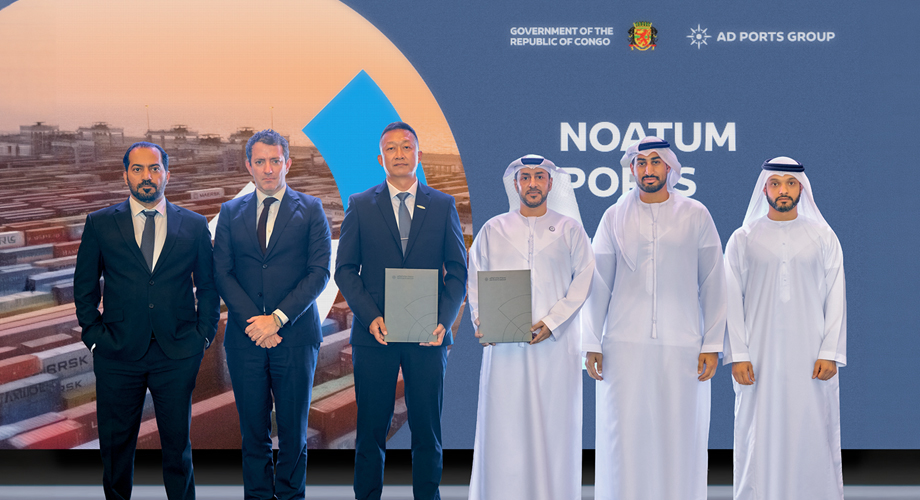
ABU DHABI : AD Ports Group, a leading global enabler of trade, industry, and logistics solutions, announced the award of three major contracts for the design and construction of marine and landside infrastructure, and the sourcing of crane equipment, for the Noatum Ports Pointe-Noire Terminal in the Republic of the Congo.

The container terminal is being developed under AD Ports Group’s majority-owned joint venture with the CMA CGM Group, through its subsidiary CMA Terminals, following an agreement signed between the two parties in February 2025.

The contract awards, with a combined value of approximately AED 735 million (USD 200 million), mark a milestone in the development of the new container terminal, which is being delivered under AD Ports Group’s 30-year concession agreement with the Government of the Republic of the Congo, extendable by a further 20 years.

The awards include two contracts for marine works and topside works valued at approximately AED 551 million (USD 150 million) to MAR CONTRACTING SARLU and MBTP SA JV, in addition to a AED 184 million (USD 50 million) contract for three ship-to-shore (STS) cranes and nine rubber-tyred gantry (RTG) cranes awarded to Shanghai Zhenhua Heavy Industries Co. Ltd. (ZPMC).

The container terminal will initially include a quay wall of approximately 420 metres in length and 16 metres in depth, capable of accommodating Patagonia-class vessels, alongside a 100,000 sqm logistics area. Under its concession agreement with the Congolese government, the Group has the right to develop additional multipurpose cargo capabilities, to be evaluated in line with evolving business demand.

Mohamed Eidha AlMenhali, Regional CEO – AD Ports Group, said: “These contract awards mark a significant step towards delivering a modern and future-ready container terminal at the Port of Pointe-Noire, in partnership with CMA Terminals. This development reflects AD Ports Group’s long-term commitment to investing in high-growth markets and developing integrated maritime and logistics infrastructure that strengthens regional trade connectivity. This strategic investment will not only enhance port capacity, but also to create lasting value for Congolese communities through job creation, skills development, and stronger integration into global trade. In addition, this development will support economic diversification, attract leading global shipping lines, and deliver sustainable value for the Republic of the Congo and the wider region, in line with the vision of our wise leadership in the UAE.”

The foundational contracts advance the development of the new container terminal at the Port of Pointe-Noire, enhancing its capacity to handle larger vessels and higher annual throughput, which further reinforces its role as a regional trade gateway serving Central and West Africa. Construction is expected to be completed in approximately two years.

Based on comparable port developments, Noatum Ports’ Pointe-Noire Terminal is estimated to create up to 9,000 jobs, both directly and indirectly, from the initial phase of construction and through the start of operations.

Construction activities are projected to create up to 800 jobs, whilst direct terminal operations are expected to support a further 400 roles. In addition, up to 7,000 indirect jobs are anticipated through new business opportunities enabled by the terminal.

The development of the Noatum Ports Pointe Noire Terminal is closely aligned with the Government of the Republic of the Congo’s vision and the National Development Plan for Congo Brazzaville, which prioritises economic diversification, reduced dependence on hydrocarbons, and inclusive growth.

By modernising port infrastructure, enhancing trade competitiveness, and strengthening logistics capabilities, AD Ports Group supports the Government’s ambition to position Pointe Noire as a leading maritime and logistics hub for Central and West Africa, whilst generating sustainable economic and social benefits.

The marine works contract includes the full design and construction of the quay wall, marine structures, crane foundations, quay infrastructure, and associated waterside works. The topside works contract covers the development of a concession area, including container yard infrastructure, operational and administrative facilities, utilities networks, substations, and supporting terminal infrastructure.

The crane supply contract covers the manufacture and delivery of Super Post-Panamax STS cranes, which are amongst the largest and most advanced in container ports. The hybrid RTG cranes are expected to reduce diesel consumption by up to 60% compared to conventional diesel-powered RTGs, equivalent to savings of approximately 1 million litres of fuel per year, and a reduction of around 5,000 tonnes of CO2 emissions.

AD Ports Group continues to expand across Africa, with port terminals and logistics businesses in Egypt, Tanzania, Angola, Cameroon, and the Republic of the Congo, supporting regional trade integration and long-term economic development. In addition, the Group provides maritime shipping services in West and East Africa, and is building a 20km2 industrial and logistics park in East Port Said, Egypt, at the Mediterranean mouth of the Suez Canal.

Asyad Shipping reports 41% profit growth in Q1 2026

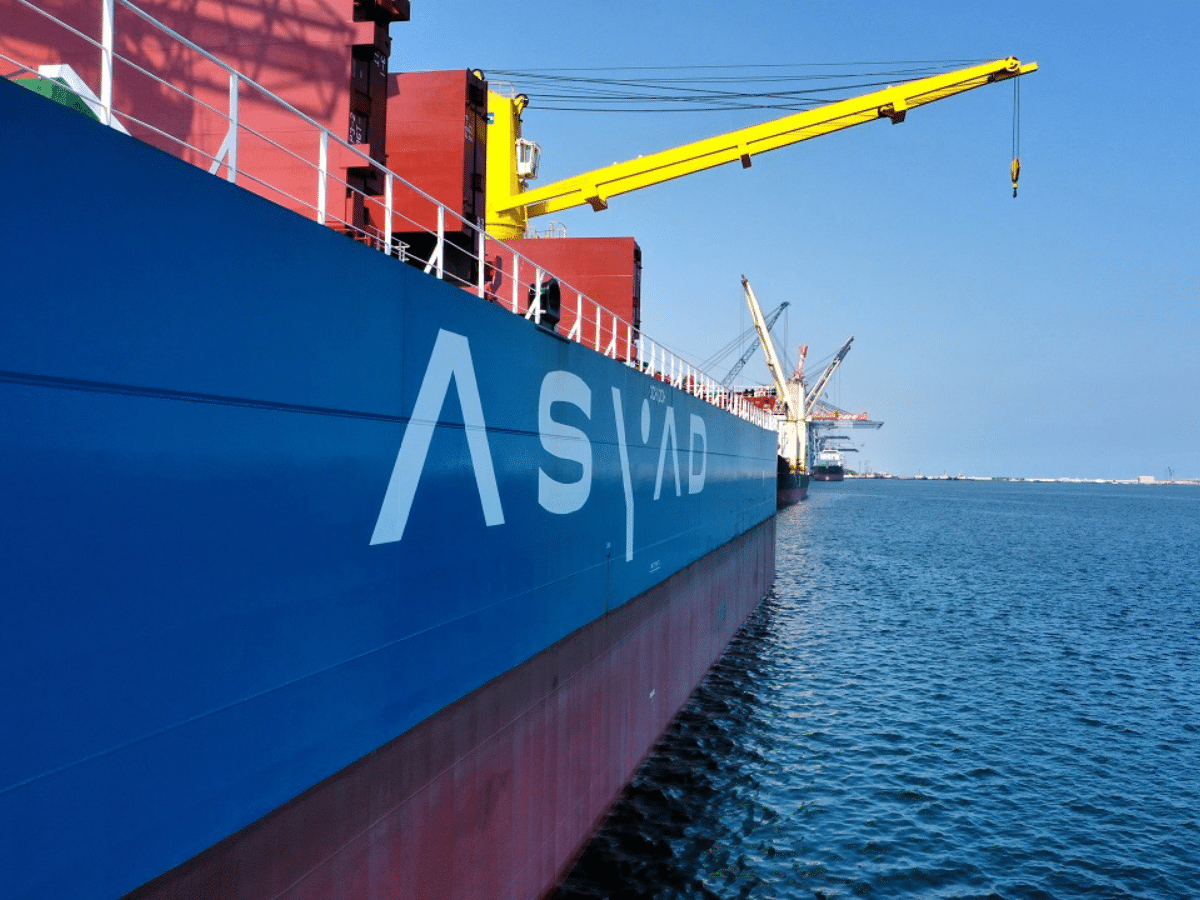
MUSCAT : Asyad Shipping posted a 41 percent increase in net profit for the first quarter of 2026, driven by stronger profitability, high fleet utilisation and continued expansion of its shipping portfolio, according to a filing on the Muscat Stock Exchange.

The company reported net profit after tax of RO 16.1 million for the three months ended March 31, 2026, compared with RO 11.4 million in the corresponding period of 2025. EBITDA rose to RO 51.8 million from RO 49.1 million a year earlier, while EBITDA margin expanded to 67 per cent.

Gross revenue stood at RO 77.3 million compared with RO 83.8 million in Q1 2025, while direct costs declined significantly to RO 52.6 million from RO 62.2 million, supporting improved operational efficiency and profitability.

In the MSX filing, Dr Ibrahim al Nadhairi, Chief Executive Officer of Asyad Shipping, said the company’s first-quarter results reflected the resilience of its business model amidst cyclical market conditions.

“Our first quarter results reflect the resilience of Asyad Shipping’s business model, with strong margins, improved profitability and high fleet utilisation driven by robust operations, balanced market exposure and a strong focus on safety and long-term value creation,” he said.

He added that the company has successfully navigated multiple market cycles and global disruptions since inception by maintaining disciplined operations and focusing on long term value creation.

“Our Q1 results further reinforce the strength of the business model, with strong EBITDA margin of 67% and net profit up 41% period-on-period, demonstrating solid performance across our diversified shipping portfolio,” Al Nadhairi noted.

The company highlighted that its long-term resilience is supported by a balanced strategy combining owned and chartered vessels, long-term charter coverage and selective exposure to spot markets to preserve earnings visibility while capturing upside opportunities.

Operationally, Asyad Shipping maintained a utilisation rate of 99.7 per cent across its fleet during the quarter, up from 97 per cent in Q1 2025. The company also reported zero lost-time incidents, zero major incidents and zero ship detentions during the period.

The company continued to advance its fleet renewal and expansion strategy during the quarter. It completed the sale of four older LNG carriers – Salah, Ibri, Ibri and Nizwa – as well as the sale of one VLCC vessel. Meanwhile, two of three Newcastle dry bulk carriers were delivered under 10-year contracts of affreightment.

As of March 31, 2026, Asyad Shipping’s fleet comprised 89 vessels, including 77 operating vessels and 12 vessels in the order book. The company also signed an agreement for three new-build VLCCs worth RO 149.6 million, with deliveries scheduled for 2028 and 2029.

Looking ahead, the company expects delivery of 10 vessels during 2026, including two LNG carriers, four VLCCs, two medium-range tankers and two Kamsarmax vessels. Five of these vessels will operate under long-term contracts, while others will be deployed in spot markets to capitalise on market opportunities.

“Asyad Shipping continued to advance its fleet renewal and expansion programme, strengthening our asset base and enhancing operational efficiency to support long-term growth”, Al Nadhairi said.

Wilson Sons plans to expand Rio Grande Container Terminal to serve larger ships and the Southern Cone market

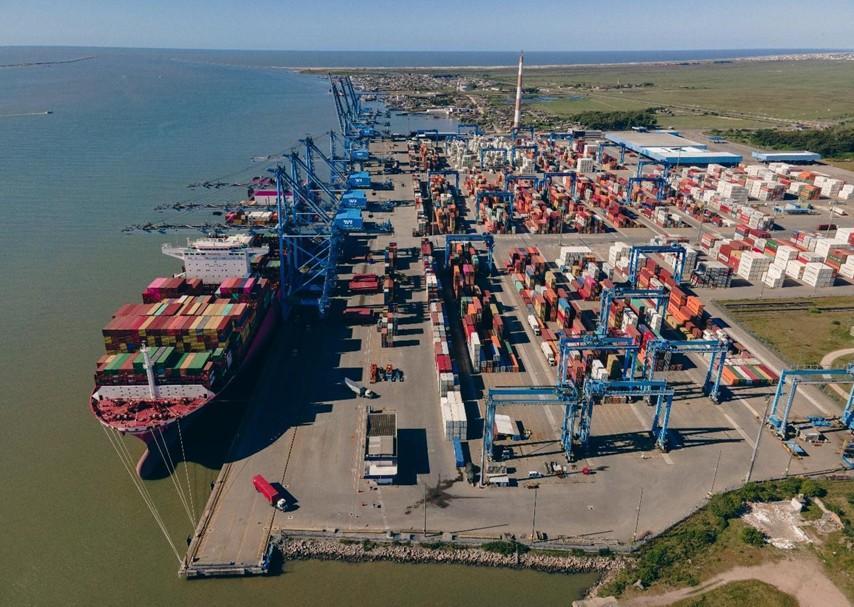
RIO DE JANERIO: Wilson Sons, a port and shipping logistics operator with over 188 years of experience, plans to expand the Rio Grande Container Terminal (located in Rio Grande do Sul) by making investments exceeding R$1.1 billion in port infrastructure by 2030. The initiative aims to expand the terminal’s operational capacity and meet the growing logistics demands of Rio Grande do Sul and the Southern Cone. This will strengthen regional competitiveness and the infrastructure of the Brazilian economy.

This necessity of expansion stems from an ongoing effort driven by exporters’ growing production and the increasing number of transshipment operations from countries such as Uruguay, Argentina, and Paraguay. In this context, investments become essential to avoid logistical bottlenecks and maintain high operational performance, and the terminal’s ability to handle increasingly larger vessels.

The main initiatives include the expansion of the pier from 900 to 1,200 metres. The expansion will allow the simultaneous operation of up to three large vessels, especially 366-metre-long New Panamax ships, which operate in most international routes. The objective is to ensure that the port will remain a cargo hub in the Southern Cone (Argentina, Uruguay, and Paraguay), handling the largest ships docking along the Brazilian coast.

“The project directly addresses the need to guarantee the flow of production from exporters based in Rio Grande do Sul and in the Southern Cone, and to serve importers, who depend on the port’s efficiency to maintain the competitiveness of Rio Grande do Sul in the national and international markets.” If these investments were postponed, there would be a risk of significant operational restrictions, such as ship queues, missed port calls, and cargo diversion to other ports, with a direct impact on the state’s logistics costs,”
 says Paulo Bertinetti, CEO of Rio Grande Container Terminal.

Logistics Efficiency and Job Creation

The project also includes expanding the back area, paving more than 180,000 square metres, and acquiring new equipment, such as three ship-to-shore cranes, 14 rubber tyred gantry cranes, and 26 tractors, which are all electric, with embedded automation and remote operation. State-of-the-art telemetry asset monitoring systems are also planned.

The investments must also boost local socioeconomic development and generate some 220 direct jobs, plus 500 jobs during construction and more than 5,000 indirect jobs along the logistics chain. “Investments of this magnitude tend to generate new opportunities throughout the project and during operations, which helps to strengthen the local economy,” Bertinetti adds.

This project is not just about physical expansion; it guarantees that Rio Grande do Sul will remain directly connected to major global markets, thereby avoiding extra transshipment costs at other ports.

The expansion is occurring against a backdrop of continuous growth in regional production and increasing demand for adequate logistics infrastructure.

The Rio Grande Container Terminal currently serves as the main gateway for inputs and products in the economy of Rio Grande do Sul and the Southern Cone. Exports from Brazil include frozen chicken, pork, tobacco, rice, resins, paper pulp, and furniture. Imports include parts and components, machinery, chemicals, and steel goods. Regarding the flow of goods from neighbouring countries, the terminal handles transshipment cargo of beef, parts and components, wood, chemicals, machinery, resins, electronic equipment, and seeds.

With this project, the terminal will play a stronger role as strategic infrastructure for the production flow from the south of the country and for the logistical integration of the Southern Cone. In a scenario of accelerated transformation in the shipping industry, adjusting port capacity ceases to be a differentiating factor and becomes a condition for Brazil’s competitiveness in international trade.

About Wilson Sons

With more than 188 years of operations across the Brazilian territory, Wilson Sons is a port and shipping logistics operator. As a reference in this segment, it offers comprehensive solutions to over 5,000 clients, including shipowners, importers and exporters, the offshore energy industry, renewable energy projects, the agribusiness sector, as well as other players across various economic segments

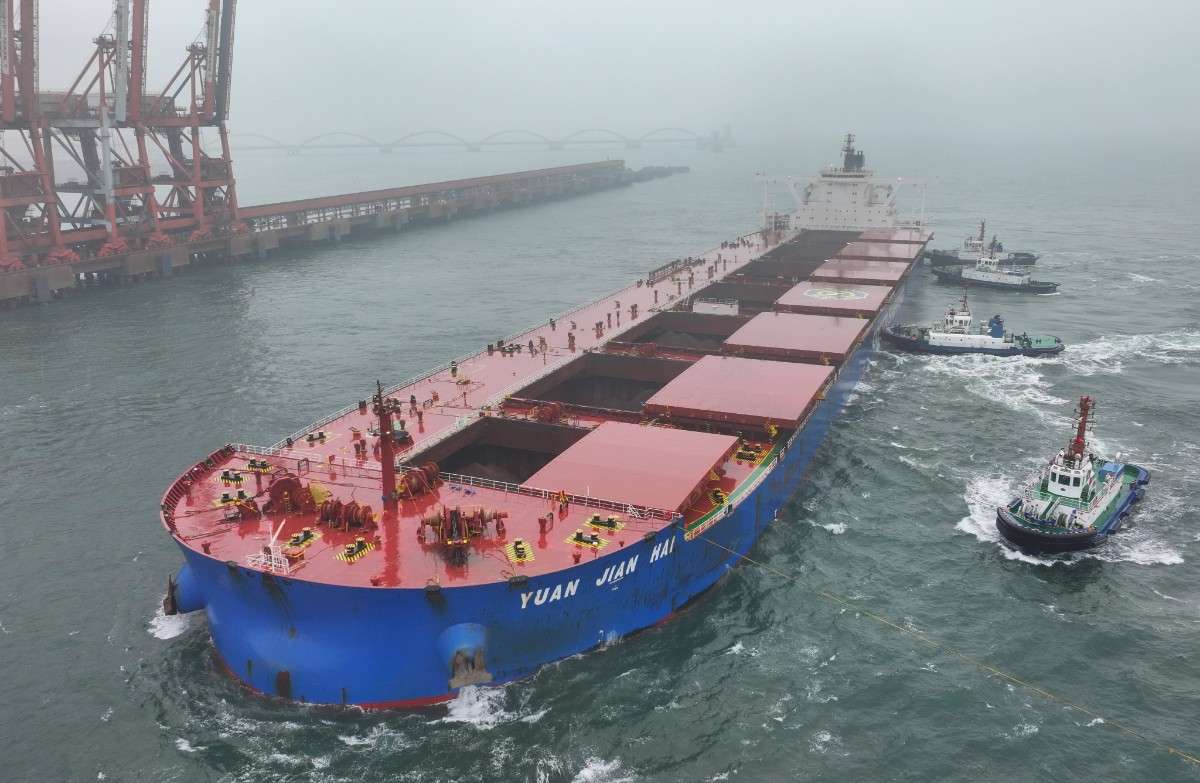
‘Sea giant’ carrying 400,000 tonnes of iron ore docks at Caofeidian Port

TANGSHAN : The Yuan Jian Hai, loaded with 400,000 tonnes of Brazilian iron ore, docked at Berth 5 of the Phase III ore terminal at Caofeidian Port.

The massive vessel measures about 360 meters in length and 65 meters in width, with a deck area equivalent to three standard football fields. Fully loaded, its draft exceeds 23 meters, while its cargo capacity would equal roughly 6,666 railway wagons carrying 60 tonnes each.

This marked the Caofeidian Port Area’s ability to accommodate 400,000-tonne ultra-large ore vessels sailing and docking directly at full load.

Columbia Group takes on management of three AFRAMAX newbuildings following appointment letter with ZSFL, marking next step in strategic collaboration

SINGAPORE: Columbia Shipmanagement (CSM) Singapore will provide technical management for the three vessels, which are currently under construction. The appointment strengthens the relationship between the two companies and marks the natural next step in the partnership. The move also adds to Columbia Group’s managed fleet in the tanker segment.

ZSFL is widely recognised as a progressive and fast-growing maritime finance leasing company, with a strong focus on building a modern, high-quality fleet and working with experienced international partners. Its approach combines financial strength with a clear emphasis on operational excellence and long-term asset performance.

CSM will oversee crew management, technical operations, compliance, and overall performance once the vessels are delivered. It is a growing reflection of Columbia Group’s ability to support owners and leasing companies across the full vessel lifecycle, from newbuilding supervision and delivery preparation through to safe, efficient and commercially focused operations.

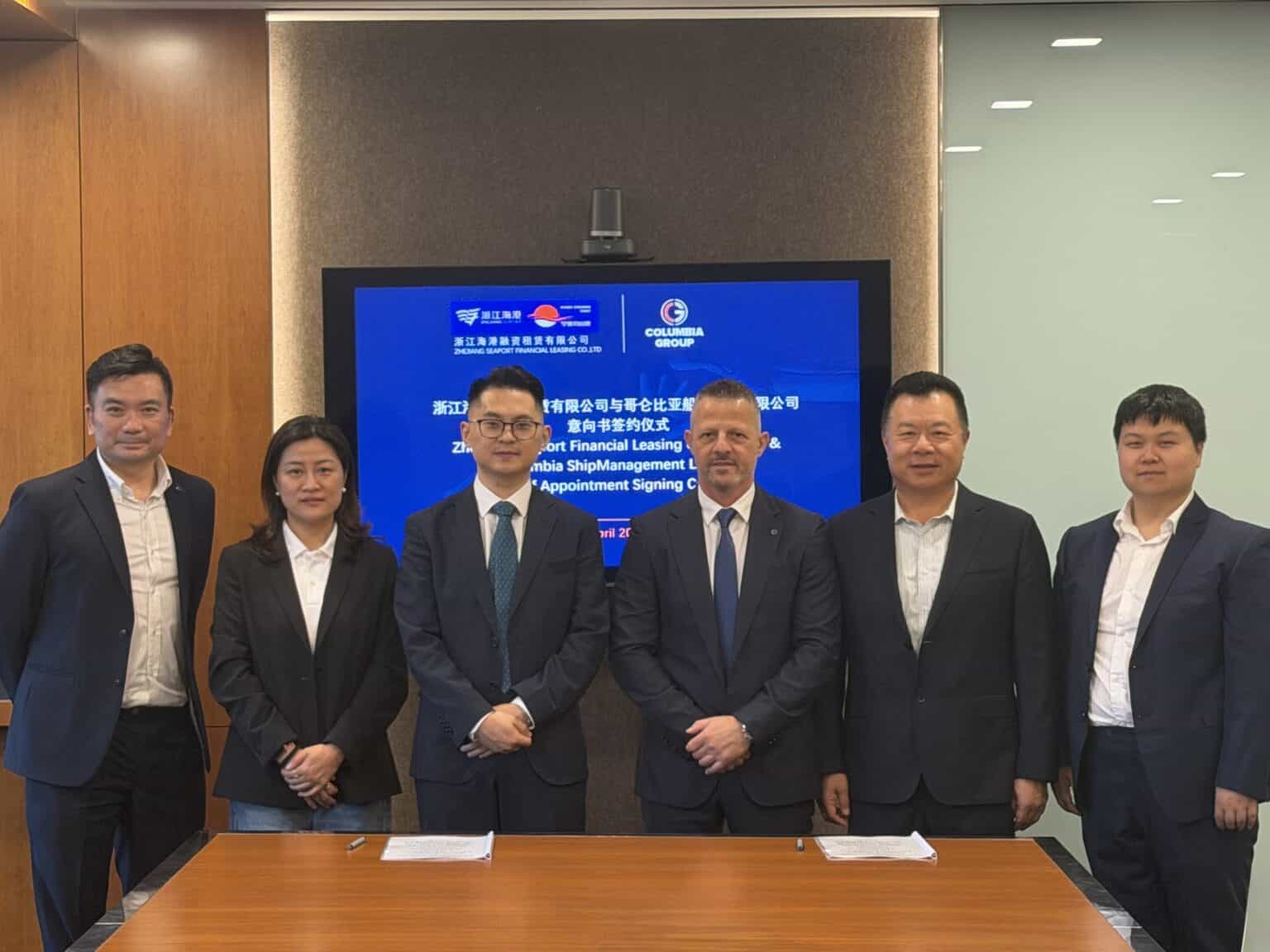
The partnership was officially confirmed with a letter of appointment at a signing ceremony attended by Chen Jun, Chairman and General Manager of ZSFL, and Demetris Chrysostomou, Deputy CEO of Columbia Group.

“We are delighted to be expanding our current working relationship with the impending delivery of these new vessels. We are looking forward to supporting ZSFL with the safe and efficient management of these vessels and to continuing to develop our relationship further,” said Mr Chrysostomou. “Our focus will be on ensuring a smooth transition from construction to operations, maintaining high safety standards, and delivering consistent, efficient performance across the three vessels.”

The appointment follows the Memorandum of Understandings signed between the parties last year and reflects a natural progression of discussions and cooperation. It also underlines ZSFL’s continued approach to working with established international partners as it expands its portfolio of modern, high-quality tonnage.

ZSFL has built a strong reputation in the maritime industry prioritising long-term asset value, operational standards, and strategic partnerships. This latest step reinforces its commitment to deploying experienced technical managers to support its growing fleet.

The three AFRAMAX vessels are expected to enter service following completion at their respective shipyards.

Port of Klaipėda moves forward with southern port development project and operator selection

KLAIPEDA: The Port of Klaipėda is preparing for an important next step in the development of the southern part of the port – the selection of operators for a 100-hectare area. The project is expected to become one of the biggest investment projects not only in the port, but also in Lithuania. To help attract strong international operators and ensure a professional tender process, the Port Authority has signed an agreement with transaction advisory company Ernst & Young Baltic.

“This year, we plan to announce an international tender for the operator that will carry out activities in the future territory. In order to successfully implement the tender and secure the best conditions for the port, we need strong and qualified external expertise. I believe that together with Ernst & Young Baltic, we will achieve this goal,” says Algis Latakas, CEO of Klaipėda State Seaport Authority.

The total investment in the development of the southern port area could exceed €1 billion. This makes it the biggest project in the history of the Port of Klaipėda and one of Lithuania’s most significant investment projects. It will create opportunities for new terminals, attract local and foreign investors, strengthen the country’s transport and logistics sector, and expand the labor market.

Such an ambitious project also calls for innovative solutions. One of these steps will be this year’s planned tender for the lease of a future 100-hectare port area that is still to be developed. The goal is to attract future terminal operators and tenants to the new port area, with operators contributing to part of the infrastructure financing while the Port Authority undertakes land development, quay construction, and other key infrastructure works.

Experts from Ernst & Young Baltic will assist the Port Authority in preparing the tender documentation, carrying out economic calculations, and advising on legal, commercial, and financial conditions for future operators. They will also help ensure that the tender is organized according to international best practices, attracts as many participants as possible, and meets the highest transparency standards. The value of the agreement between the Port Authority and Ernst & Young Baltic amounts to €868,000.

Last year, the company Aplan began preparing the technical development solutions for the southern port area. The construction permit is expected to be obtained later this year.